What Is a Skimmer and How Does It Capture Card Data
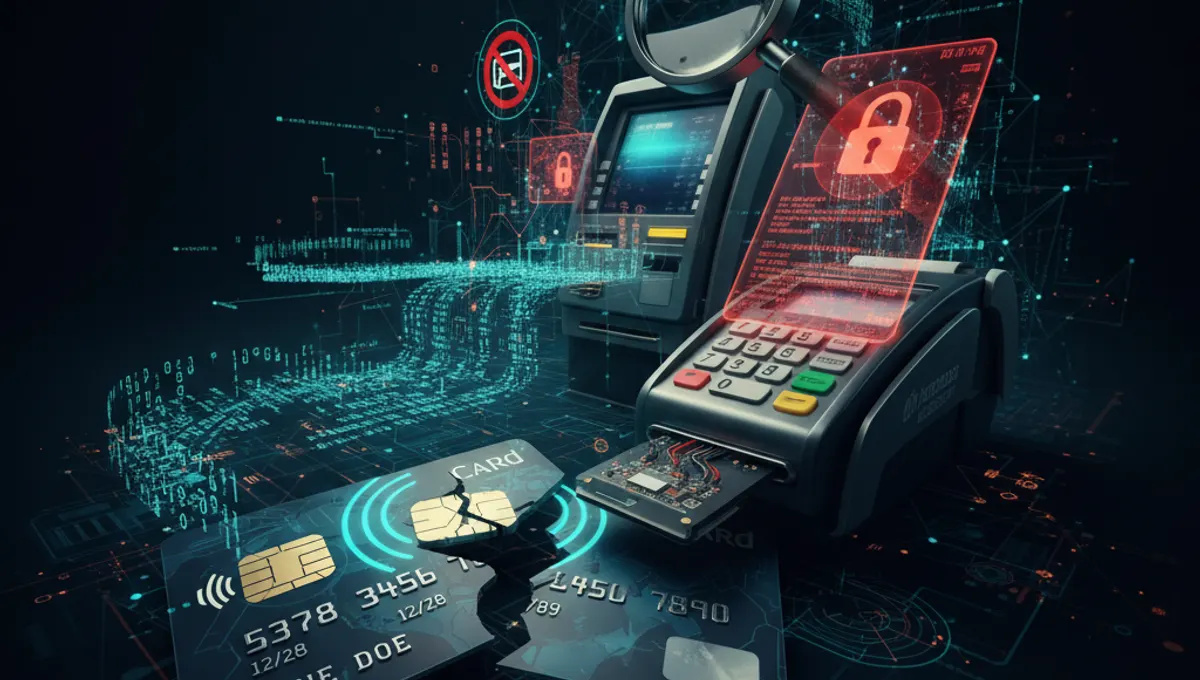
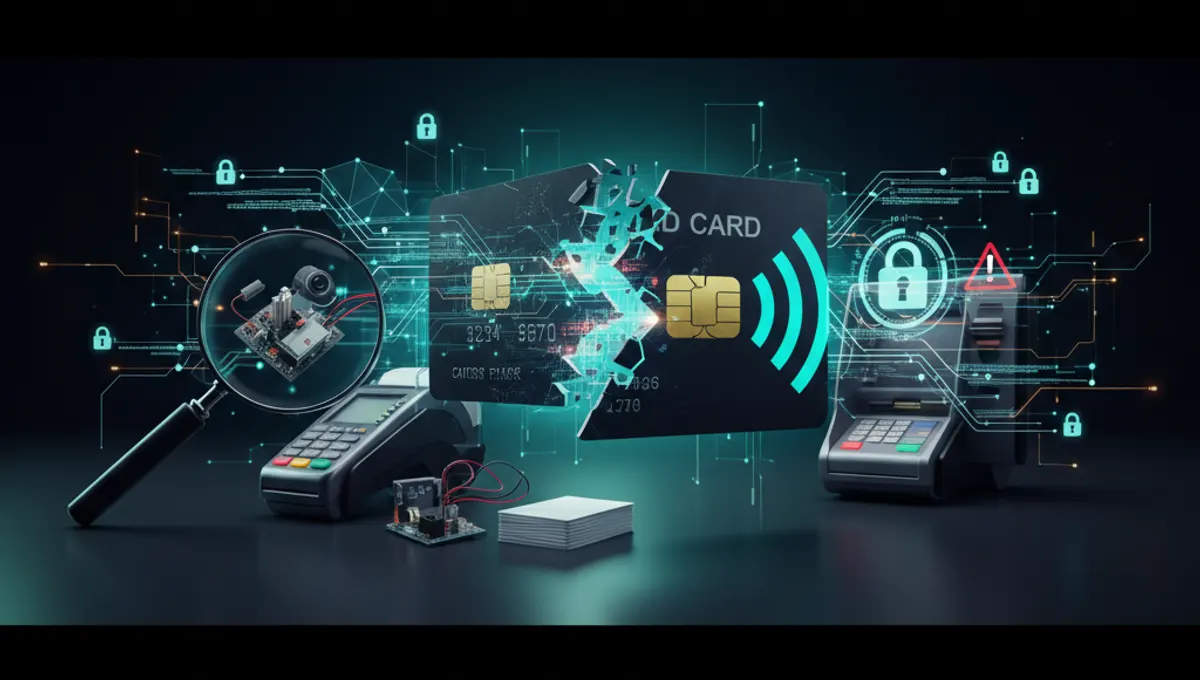
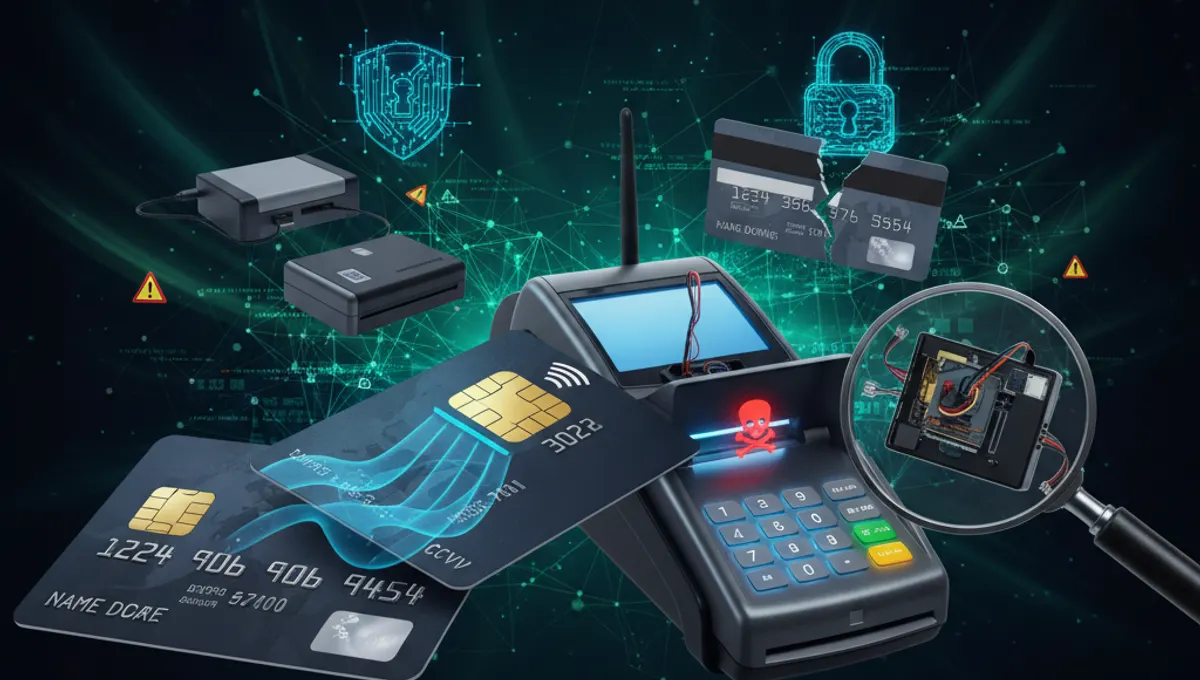
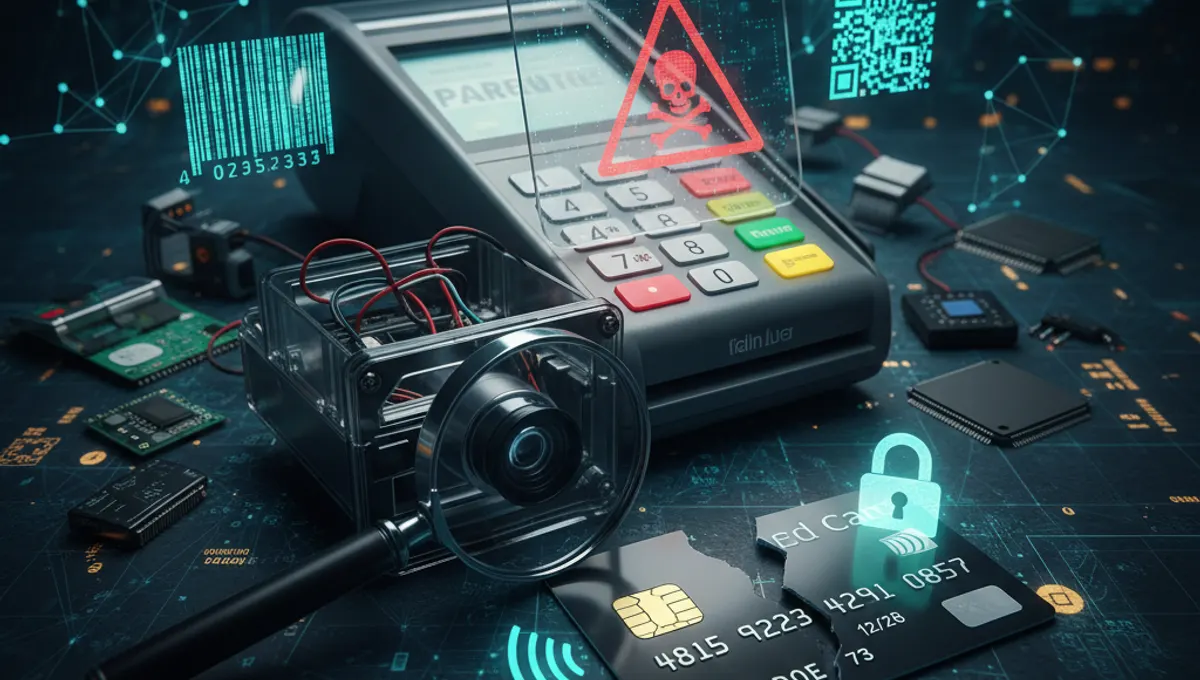
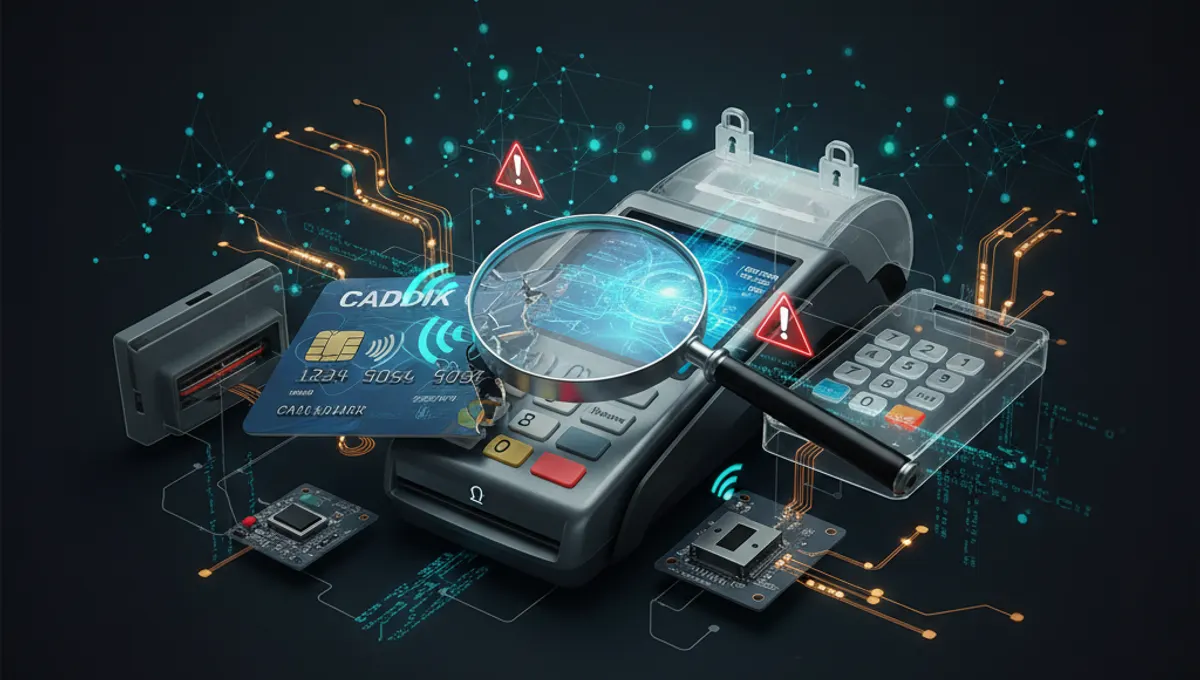
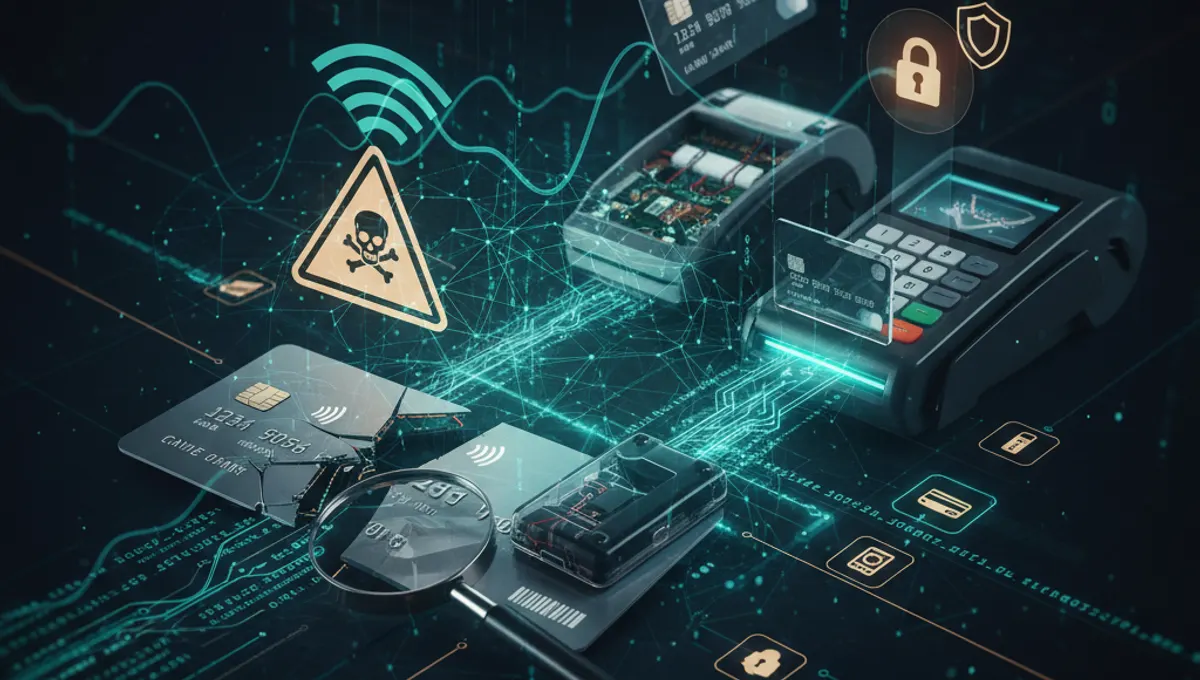
A skimmer is a device placed on or inside a payment terminal to read card information during a legitimate transaction. Skimmers work by capturing the magnetic stripe data or EMV chip information as your card passes through the compromised reader. Physical skimmers are often installed over legitimate card slots at ATMs, gas pumps, or point-of-sale terminals. Wireless skimmers, including Bluetooth skimmers, operate remotely and can read contactless cards or cards with RFID chips from a distance. The captured data—card number, expiration date, and sometimes the CVV—is then used to create cloned cards or sold on dark web marketplaces. Shimming, a related technique, involves inserting a thin device inside the legitimate card slot to intercept EMV chip data. Understanding these methods helps you recognize when a terminal may have been compromised.
How to Detect Physical Skimmers on ATMs and Gas Pumps
Inspect the card slot before inserting your card. Look for loose, misaligned, or protruding card readers that don't match the terminal's design. Physical skimmers often have a slightly different color, material, or finish than the surrounding terminal. Gently wiggle the card slot—legitimate slots are firmly attached, while skimmers may move or feel loose. Check for gaps between the card reader and the terminal body. At gas pumps, verify the pump is sealed and hasn't been tampered with; some skimmers are installed by opening the pump cabinet. Look for extra overlays, keypads, or camera-like devices positioned above the PIN pad. Use your hand to cover the keypad while entering your PIN, as some skimmers include hidden cameras. If something feels unusual or out of place, use a different terminal or payment method.
Detecting Bluetooth and Wireless Skimmers
Bluetooth skimmers operate within a range of 10 to 30 meters and can read contactless cards or RFID-enabled payment cards without physical contact. To detect wireless skimmers, check your phone's Bluetooth settings in areas where you frequently use payment terminals. Look for unfamiliar or suspicious Bluetooth device names appearing near ATMs or checkout counters. Some skimmers broadcast generic names like 'Device' or 'Bluetooth' to avoid detection. If you notice a new Bluetooth device appearing consistently in the same location, report it to the terminal operator or venue management. Disable Bluetooth on your phone when not in use, especially in public spaces. Consider using a contactless payment method that requires authentication, such as a mobile wallet with biometric verification, which offers more protection than passive RFID cards.
The Cloned Card Sales Ecosystem and Dark Web Marketplaces
Stolen card data captured by skimmers is aggregated, verified, and sold on dark web marketplaces. Sellers test cloned cards with small purchases to confirm validity before listing them for sale. Buyers purchase cloned cards in bulk or individually, often with accompanying data such as cardholder names, addresses, and PIN codes. The dark web marketplace structure includes vendor ratings, escrow services, and dispute resolution mechanisms similar to legitimate e-commerce platforms. Prices vary based on card type, available data, and the card's remaining credit limit. Transactions are typically conducted using cryptocurrency to maintain anonymity. The ecosystem operates across multiple marketplaces and forums where vendors advertise their inventory and buyers negotiate terms. Law enforcement agencies worldwide monitor these marketplaces and conduct takedown operations, but new platforms emerge regularly.
Legal Consequences of Possessing and Using Cloned Cards
Possession of cloned cards or devices used to create them is illegal in most jurisdictions and constitutes fraud, identity theft, or device-based fraud depending on the specific circumstances and local laws. Using a cloned card to make unauthorized purchases is prosecuted as credit card fraud or wire fraud. Penalties vary significantly by jurisdiction but typically include criminal charges, fines, and imprisonment. Some jurisdictions treat possession of cloning equipment more severely than possession of cloned cards alone. Conspiracy to distribute cloned cards or operate a carding marketplace can result in additional charges and enhanced penalties. Even first-time offenders may face substantial prison sentences when large quantities of cards or significant financial losses are involved. Restitution to victims is often required as part of sentencing. The specific charges, sentencing guidelines, and penalties depend on your location, the number of cards involved, and the total financial loss caused.
How to Protect Your Card from Skimming and Cloning
Use contactless or tokenized payment methods whenever possible, as these technologies don't transmit your full card number to the terminal. Mobile wallets with biometric authentication provide an additional security layer. Enable transaction alerts on your bank account so you receive notifications for every purchase. Review your statements regularly and report unauthorized charges immediately. Consider using virtual card numbers generated by your bank for online purchases, which limits exposure if the number is compromised. Block RFID scanning by using an RFID-blocking wallet or card sleeve for contactless cards. Avoid using ATMs in isolated or poorly lit locations. Cover the PIN pad with your hand while entering your code to prevent camera-based skimmers from capturing it. Disable Bluetooth and NFC on your phone when not actively using these features. Request chip-based transactions over magnetic stripe when possible, as EMV chips are more difficult to clone than magnetic stripe data.
What to Do If Your Card Information Has Been Compromised
Contact your bank or card issuer immediately upon discovering unauthorized charges or suspecting your card data has been stolen. Most banks allow you to report fraud through their website, mobile app, or customer service line. Request a card replacement and ask for a new card number to be issued. File a dispute for each unauthorized transaction; banks typically investigate within 10 business days and issue provisional credits while the investigation proceeds. Full refunds are usually issued within 30 to 60 days if fraud is confirmed. Document all unauthorized charges and keep records of your communications with the bank. Consider placing a fraud alert or credit freeze with the three major credit bureaus to prevent new accounts from being opened in your name. Monitor your credit report for suspicious activity over the following months. If you've detected a skimmer at a specific location, report it to the terminal operator, venue management, and local law enforcement so they can investigate and remove the device.
Frequently asked questions
Can you detect a skimmer just by looking at an ATM or gas pump
Yes, you can often detect physical skimmers by inspecting the card slot for loose, misaligned, or protruding readers that don't match the terminal's design. Check for gaps, unusual overlays, or materials that differ in color or finish. Gently wiggle the card slot to feel if it's firmly attached. However, some skimmers are designed to be difficult to spot visually, so if something feels unusual, use a different terminal.
What are Bluetooth skimmers and how do they work
Bluetooth skimmers are wireless devices that read contactless cards or RFID-enabled payment cards from a distance of 10 to 30 meters without physical contact. They operate by capturing the card's wireless signal during a transaction. To detect them, check your phone's Bluetooth settings for unfamiliar device names appearing near payment terminals. Disable Bluetooth when not in use and use payment methods that require authentication for added protection.
How long does it take for a bank to refund fraudulent charges
Banks typically issue provisional credits within 10 business days of reporting fraud and complete their investigation within 30 to 60 days. Full refunds are issued once fraud is confirmed. The exact timeline depends on your bank's policies and the complexity of the investigation. Keep records of all communications with your bank and monitor your account during this period.
What should I do if I find a skimmer on a payment terminal
Do not attempt to remove the skimmer yourself. Report it immediately to the terminal operator, venue management, and local law enforcement. Provide details about the location, terminal type, and description of the suspicious device. This allows authorities to investigate and remove the skimmer before other customers are affected.
Are chip-based cards safer than magnetic stripe cards against skimming
Yes, EMV chip cards are significantly more difficult to clone than magnetic stripe cards because the chip generates a unique transaction code for each purchase. However, skimmers can still capture chip data through shimming, a technique that involves inserting a thin device inside the legitimate card slot. Using contactless payments with authentication or virtual card numbers provides additional protection.