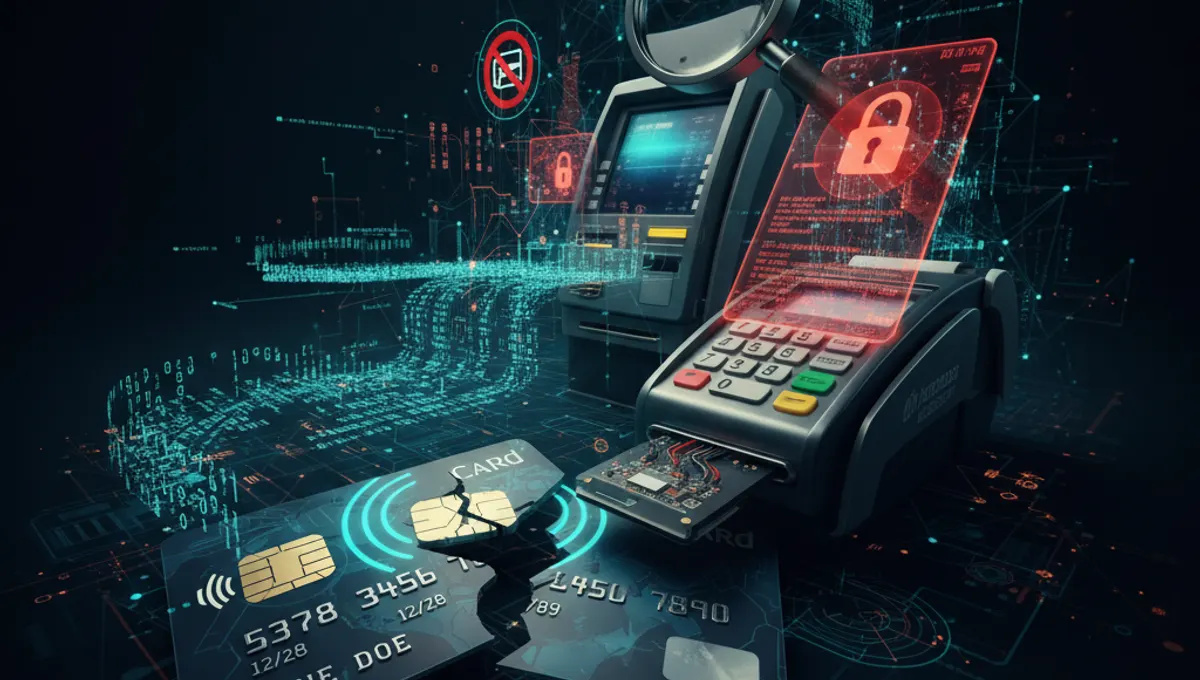
What Are Skimmers and How Do They Work at Walmart
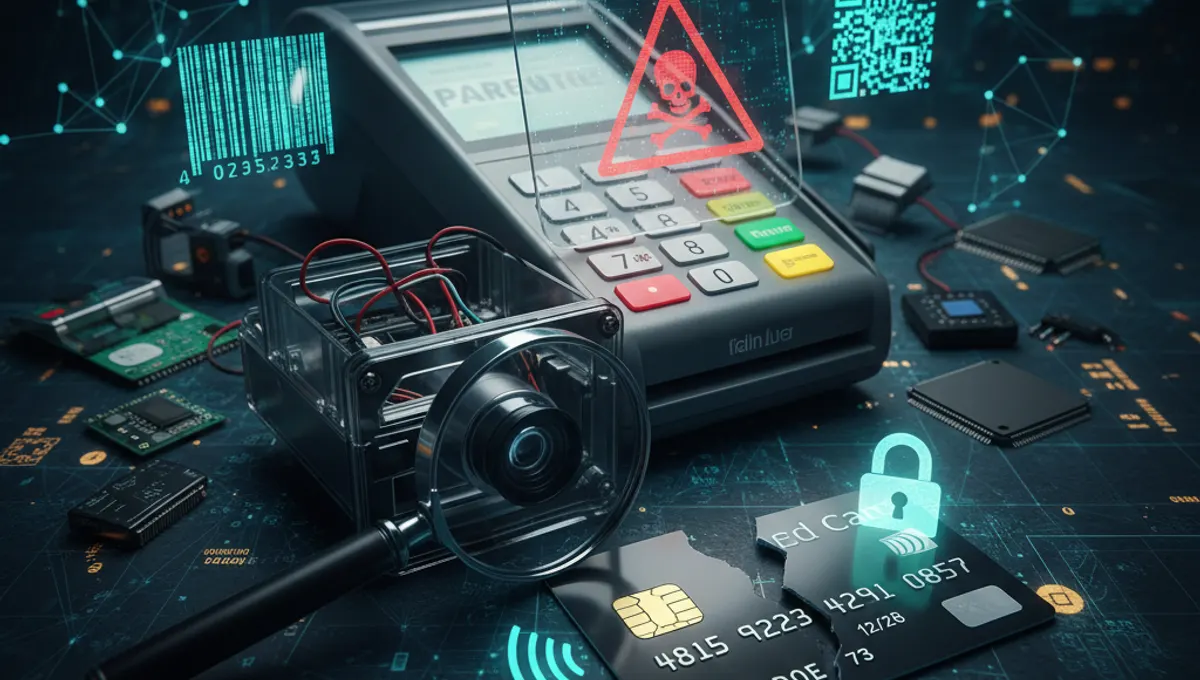
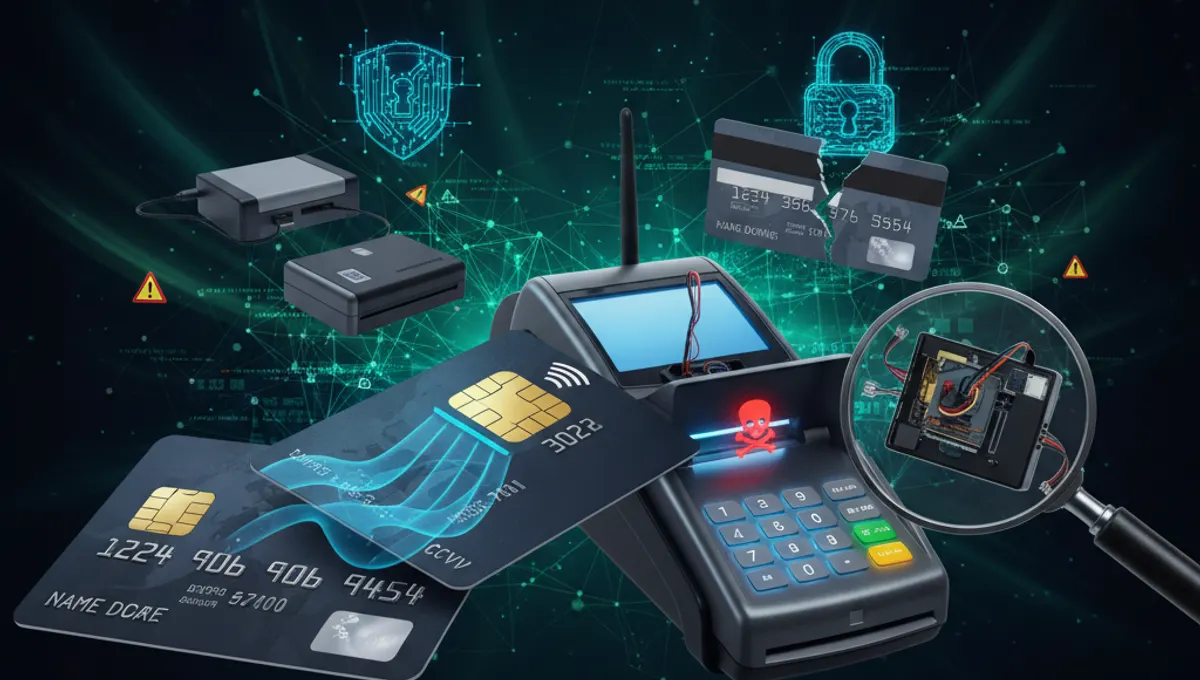
Skimmers are devices or software that capture card information without your knowledge. At Walmart, they typically appear as overlays on card readers at self-checkout stations or payment terminals. When you insert or swipe your card, the skimmer records the magnetic stripe data or EMV chip information. Some skimmers use Bluetooth technology to transmit stolen data wirelessly to a nearby criminal. Others are shimmed into the card slot itself, sitting between the legitimate reader and your card. The data collected includes your card number, expiration date, and sometimes the CVV. This information is then used to create cloned cards or sold to other fraudsters on dark web marketplaces.
How to Detect Skimmers at Walmart Payment Terminals
Detecting skimmers requires careful inspection before you swipe or insert your card. Look for card readers that appear loose, misaligned, or different in color or material from the rest of the terminal. Try gently wiggling the card slot; legitimate readers are firmly attached. Check for small holes or cameras pointed at the keypad, which may indicate hidden Bluetooth skimmers or PIN capture devices. At Walmart self-checkout, inspect the card reader closely and compare it to adjacent terminals to spot inconsistencies. Feel the surface for any raised edges or gaps where a skimming device could be inserted. If something feels wrong, move to a different terminal or ask a cashier to process your payment manually. Trust your instincts; legitimate payment terminals have consistent, professional appearance.
POS Skimmers and Bluetooth Skimmers: What's the Difference
POS (point-of-sale) skimmers are devices physically attached to or inserted into payment terminals at checkout. They capture data when cards are swiped or inserted and store it locally or transmit it via Bluetooth. Bluetooth skimmers are a subset of POS skimmers that use wireless technology to send stolen card data to a nearby receiver, allowing the criminal to collect information without returning to retrieve the device. At Walmart, Bluetooth skimmers are particularly dangerous because they can be placed inside a terminal and activated remotely. The criminal can stand nearby with a smartphone or laptop to intercept the transmission. These devices are harder to detect because there's no visible external component, though you might notice unusual wireless signals near the payment area. Both types pose equal risk to your card data.
What Happens When Your Card Data Is Stolen at Walmart
When a skimmer captures your card information, criminals either use it directly for fraudulent purchases or sell it on dark web marketplaces. Cloned cards are created by encoding your stolen data onto blank cards with magnetic stripe writers. These cloned cards are then sold to other fraudsters or used for in-store theft. Your card data may also be bundled with thousands of other stolen cards and sold in batches on underground forums. Once your information is compromised, fraudulent charges can appear within hours or days. You may notice unauthorized transactions on your statement, or your card may be declined if the criminal has already maxed out your available credit. The longer the skimmer remains undetected, the more cards it can compromise and the wider the distribution of your data becomes.
Protecting Your Card: Best Practices at Walmart and Beyond
Use contactless payment methods whenever possible, as they are more secure than magnetic stripe or chip readers. Tap-to-pay and mobile wallets use tokenization, which means your actual card number is never transmitted to the terminal. If you must insert your card, cover the keypad with your hand while entering your PIN to prevent hidden cameras from capturing it. Monitor your bank and credit card statements regularly for unauthorized charges. Set up transaction alerts through your bank's mobile app so you're notified immediately of any purchases. Consider using virtual card numbers for online shopping, which generate temporary card numbers that cannot be reused. At Walmart specifically, use the self-checkout only if you're confident the terminal is legitimate, or ask a cashier to process your payment at a staffed register where you can observe the transaction.
What to Do If Your Card Is Compromised or You Detect Fraud
If you notice unauthorized charges on your statement, contact your bank or credit card issuer immediately. Most financial institutions have fraud departments available 24/7. Report the fraudulent transactions and request that your card be cancelled and replaced. File a dispute for each unauthorized charge; most banks initiate investigations within 10 business days. Under consumer protection laws, your liability for fraudulent charges is typically limited to $50 if you report the fraud promptly, though many banks waive this entirely. Request a new card with a different number, and monitor your credit report for signs of identity theft. If you suspect a skimmer at a specific Walmart location, report it to store management and contact your local police department. Provide details about the terminal location and your experience. The sooner you act, the faster your bank can reverse fraudulent charges and issue a replacement card.
Legal Consequences of Card Skimming and Cloned Card Use
Possessing, creating, or using skimming devices is illegal in most jurisdictions and classified as fraud or device-based fraud. Using a cloned card to make purchases constitutes credit card fraud and identity theft. Selling cloned cards or stolen card data on dark web marketplaces violates federal fraud statutes and can result in charges for conspiracy and money laundering. Penalties vary by jurisdiction but typically include significant prison sentences and substantial fines. Victims of skimming can file civil lawsuits against retailers for negligent security. Walmart and other merchants have a responsibility to maintain secure payment systems and can face liability if skimmers are discovered on their premises. If you encounter a skimmer or suspect fraudulent activity, report it to law enforcement rather than attempting to investigate or remove it yourself. Interfering with evidence can result in additional legal complications.
Frequently asked questions
Can I get my money back if a skimmer stole my card information at Walmart
Yes. Contact your bank or credit card issuer immediately and report the fraudulent charges. Most financial institutions will reverse unauthorized transactions within 10 business days and issue a replacement card. Your liability is typically limited to $50 or waived entirely if you report the fraud promptly. Keep documentation of all communications with your bank and copies of your dispute.
How can I tell if a Walmart card reader has a skimmer attached
Inspect the card slot for loose, misaligned, or discolored components. Try gently wiggling the reader; legitimate ones are firmly attached. Look for small holes, cameras, or raised edges. Compare the terminal to adjacent ones for inconsistencies. Check for gaps where a device could be inserted. If something feels wrong, use a different terminal or ask a cashier to process your payment manually.
What is the difference between a cloned card and a skimmed card
A skimmed card is one whose data has been captured by a skimmer device. A cloned card is a blank card onto which the stolen data has been encoded using a magnetic stripe writer. Skimming is the method of theft; cloning is the method of reproduction. Criminals skim your card to obtain the data, then clone that data onto new cards for fraudulent use.
Are Bluetooth skimmers more dangerous than regular skimmers
Bluetooth skimmers are equally dangerous but harder to detect because they transmit data wirelessly. The criminal doesn't need to return to retrieve the device, making it easier to collect data remotely. Both types capture the same card information and pose equal risk to your financial security. Detection requires careful inspection of the terminal and awareness of your surroundings.
Should I use contactless payment at Walmart to avoid skimmers
Yes. Contactless and mobile wallet payments use tokenization, which means your actual card number is never transmitted to the terminal. This makes them significantly more secure than magnetic stripe or chip readers. Tap-to-pay methods bypass the card reader entirely, eliminating the risk of skimming at that point. Whenever possible, use contactless payment at any retail location.