What Is an RFID Card and How Does Cloning Work
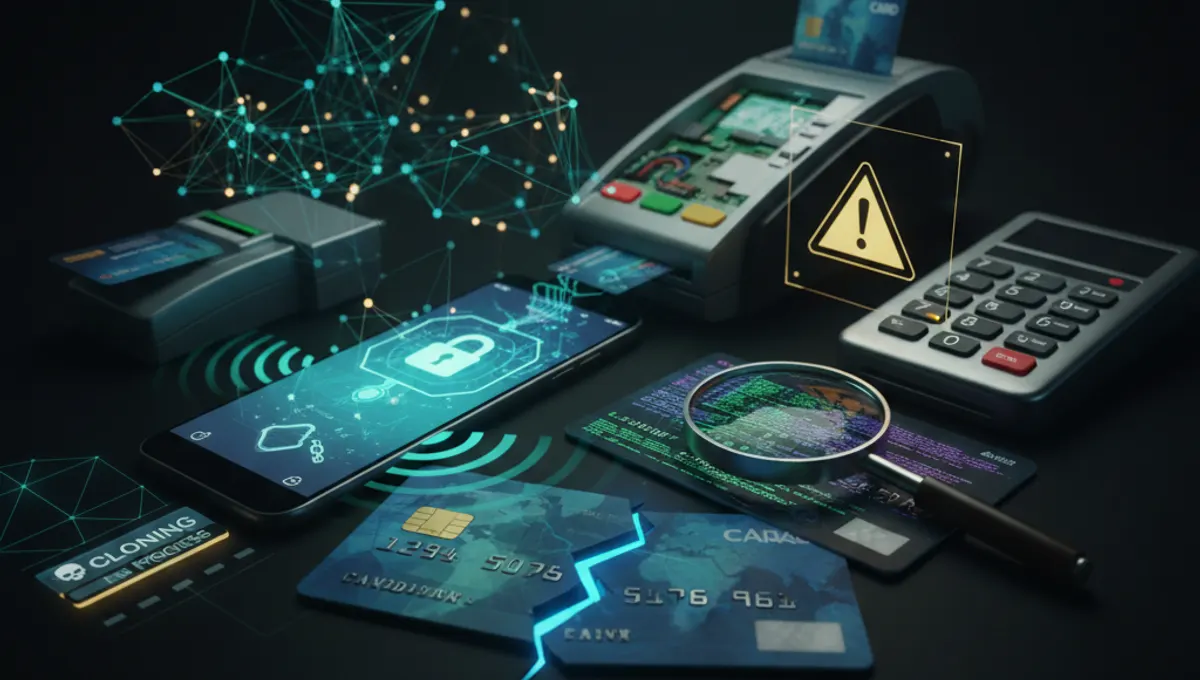
An RFID card contains a microchip and antenna that transmit data wirelessly when activated by a reader. Contactless payment cards, access badges, and transit cards all use this technology. Cloning an RFID card to Android involves reading the card's data using an NFC-enabled smartphone and then writing that data to another device or card. The process exploits the fact that many RFID systems transmit unencrypted or weakly encrypted information. Unlike EMV chip cards, which use dynamic data and cryptographic verification, basic RFID cards often store static information that can be captured and replicated. This vulnerability exists because older contactless systems prioritized convenience over security. Modern payment cards use tokenization and encryption to prevent this type of cloning, but legacy systems and poorly secured access cards remain vulnerable.
Magnetic Stripe, EMV Chips, and Contactless Payment Differences
Magnetic stripe cards store data in a static format on a physical stripe, making them highly susceptible to cloning through skimming devices. EMV chip cards use dynamic data and cryptographic protocols that change with each transaction, making them significantly harder to clone. Contactless payment cards use NFC or RFID technology and, when properly implemented, employ tokenization—a process where a unique, single-use code is generated for each transaction rather than transmitting the actual card number. Android cloning primarily targets older contactless systems that lack these protections. Modern payment networks like Visa and Mastercard have implemented additional security layers that prevent cloned cards from being used even if the data is successfully copied. However, access cards, transit passes, and legacy payment systems may still rely on unencrypted RFID transmission, making them vulnerable to Android cloning attacks.
How Cloned Card Sales Work on Dark Web Marketplaces
Cloned cards sold on dark web marketplaces are typically sourced from data breaches, skimming operations, or cards cloned using methods like Android NFC cloning. Sellers list cards with associated information including the cardholder's name, expiration date, and sometimes CVV codes. These marketplaces operate using cryptocurrency to obscure transaction trails and typically employ escrow systems to reduce fraud between buyer and seller. Buyers purchase cloned cards intending to use them for fraudulent transactions or resell them. The marketplace ecosystem includes vendors who specialize in different card types—premium cards with higher limits, cards from specific regions, or cards with particular issuing banks. Prices vary based on the card's perceived value and remaining balance. These operations are highly organized, with some vendors offering guarantees or refunds if cards are declined. The dark web infrastructure provides anonymity for both parties, though law enforcement agencies actively monitor these marketplaces and conduct undercover operations to identify and prosecute participants.
Legal Consequences of Card Cloning and Possession
Possessing, using, or selling cloned cards constitutes fraud and identity theft in virtually all jurisdictions. Legal charges typically fall into several categories: wire fraud (using electronic communications to perpetrate fraud), identity theft (using another person's information without authorization), and access device fraud (possessing or using a cloned payment card). Specific penalties depend on jurisdiction and the circumstances of the offense. In the United States, federal fraud statutes carry sentences ranging from several years to decades of imprisonment, depending on the amount involved and prior criminal history. Possession of cloning equipment or software may result in additional charges related to conspiracy or money laundering. International jurisdictions have similar frameworks; the European Union treats card fraud as a serious financial crime with substantial prison sentences. Even first-time offenders face felony charges and restitution requirements. Sentences are often enhanced if the defendant targeted vulnerable populations or if the fraud involved organized criminal activity. Conviction results in a permanent criminal record affecting employment, housing, and financial opportunities.
How to Detect Card Skimming and Protect Against RFID Cloning
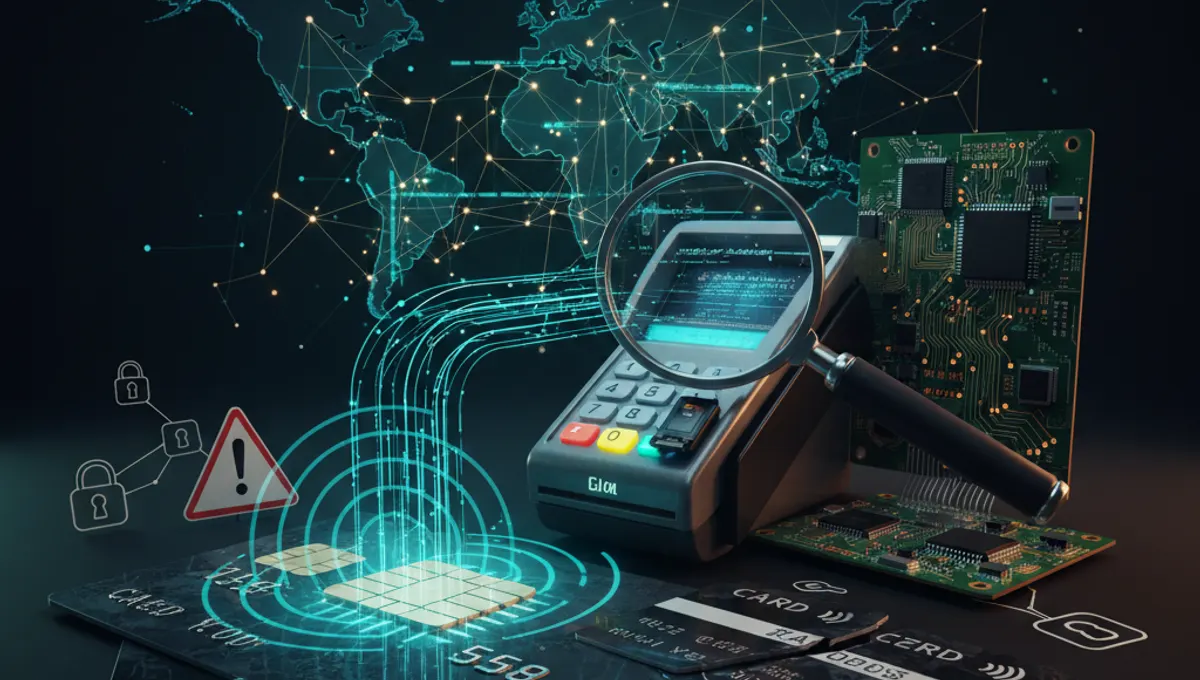
Detecting skimming devices requires visual inspection of card readers at ATMs, gas pumps, and point-of-sale terminals. Look for loose, misaligned, or unusually thick card slots. Physical tampering, discoloration, or components that appear glued on are warning signs. For RFID cloning protection, use RFID-blocking wallets or sleeves that shield your card from wireless readers. Enable transaction alerts through your bank's mobile app to receive real-time notifications of card use. Consider using virtual card numbers or digital wallets like Apple Pay or Google Pay, which use tokenization instead of transmitting actual card data. Regularly monitor your bank and credit card statements for unauthorized charges. Request fraud alerts or credit freezes from credit bureaus if you suspect compromise. When making purchases, use contactless payment methods that employ tokenization rather than traditional magnetic stripe or basic RFID transmission. Avoid using ATMs in isolated locations or those showing signs of tampering. Periodically check your credit report for unauthorized accounts opened in your name.
What to Do If Your Card Information Is Compromised
If you discover fraudulent charges on your card, contact your bank or card issuer immediately. Most financial institutions have fraud departments available 24/7. Report the specific unauthorized transactions and request a dispute. Under consumer protection laws in most jurisdictions, you are typically not liable for fraudulent charges if reported promptly. Your bank will initiate a chargeback process, investigating the transaction and reversing the charge if fraud is confirmed. Request a replacement card with a new number and expiration date. The replacement typically arrives within 5-10 business days. During this period, use alternative payment methods or request a temporary card number. File a report with your local law enforcement and the Federal Trade Commission or equivalent agency in your country. Document all communications with your bank and keep records of the fraudulent transactions. Monitor your credit report for 12 months following the incident for signs of identity theft. Consider placing a fraud alert or credit freeze to prevent unauthorized account openings. If your personal information was compromised in a data breach, you may be eligible for credit monitoring services offered by the affected company.
Why Android NFC Cloning Remains a Security Concern
Android devices with NFC capability can read and, in some cases, write RFID data, making them tools for card cloning. The accessibility of NFC technology on consumer smartphones means that anyone with technical knowledge can potentially clone cards without specialized equipment. This democratization of cloning capability has increased the prevalence of card fraud. However, modern payment systems have implemented countermeasures that limit the practical effectiveness of Android cloning against current cards. Banks use dynamic data, encryption, and transaction verification that prevent cloned cards from being used even if the data is successfully copied. Legacy systems, access cards, and poorly secured RFID implementations remain vulnerable. The concern extends beyond payment cards to building access systems, vehicle key fobs, and transit passes that use similar technology. Security researchers continue to identify vulnerabilities in RFID implementations, and manufacturers respond with improved encryption and authentication protocols. Organizations managing sensitive RFID systems should conduct regular security audits and upgrade to modern, encrypted systems. Individuals should be aware that their payment cards may be at risk if they use older contactless systems without tokenization.
Frequently asked questions
Can you actually clone an RFID card to an Android phone?
Yes, RFID cards can be cloned to Android devices equipped with NFC technology. The process involves reading the card's wireless data and writing it to the phone's NFC chip. However, modern payment cards use encryption and tokenization that prevent cloned data from being used fraudulently. Legacy RFID systems and access cards without these protections remain vulnerable to cloning attacks.
What is the difference between RFID cloning and card skimming?
Card skimming involves capturing card data using a physical device placed on legitimate readers, while RFID cloning specifically refers to copying wireless RFID data using an NFC-enabled device. Skimming can target magnetic stripe or contactless cards, whereas cloning typically targets contactless RFID systems. Both methods result in unauthorized card data being copied for fraudulent use.
Is possessing a cloned card illegal?
Yes, possessing a cloned card is illegal in virtually all jurisdictions. It constitutes fraud and identity theft, regardless of whether the card has been used. Possession alone can result in felony charges, imprisonment, and restitution requirements. Using a cloned card carries even more severe penalties.
How can I protect my contactless payment card from being cloned?
Use RFID-blocking wallets or sleeves to shield your card from wireless readers. Prefer digital payment methods like Apple Pay or Google Pay that use tokenization. Enable transaction alerts on your bank account. Monitor your statements regularly for unauthorized charges. Request a replacement card if you suspect compromise. Modern payment cards with proper encryption provide significant protection against cloning.
What should I do if I notice unauthorized charges on my card?
Contact your bank or card issuer immediately to report the fraudulent charges. Most institutions have 24/7 fraud departments. File a dispute for each unauthorized transaction. Request a replacement card with a new number. File a report with local law enforcement and the Federal Trade Commission. Monitor your credit report for 12 months. You are typically not liable for fraudulent charges if reported promptly.