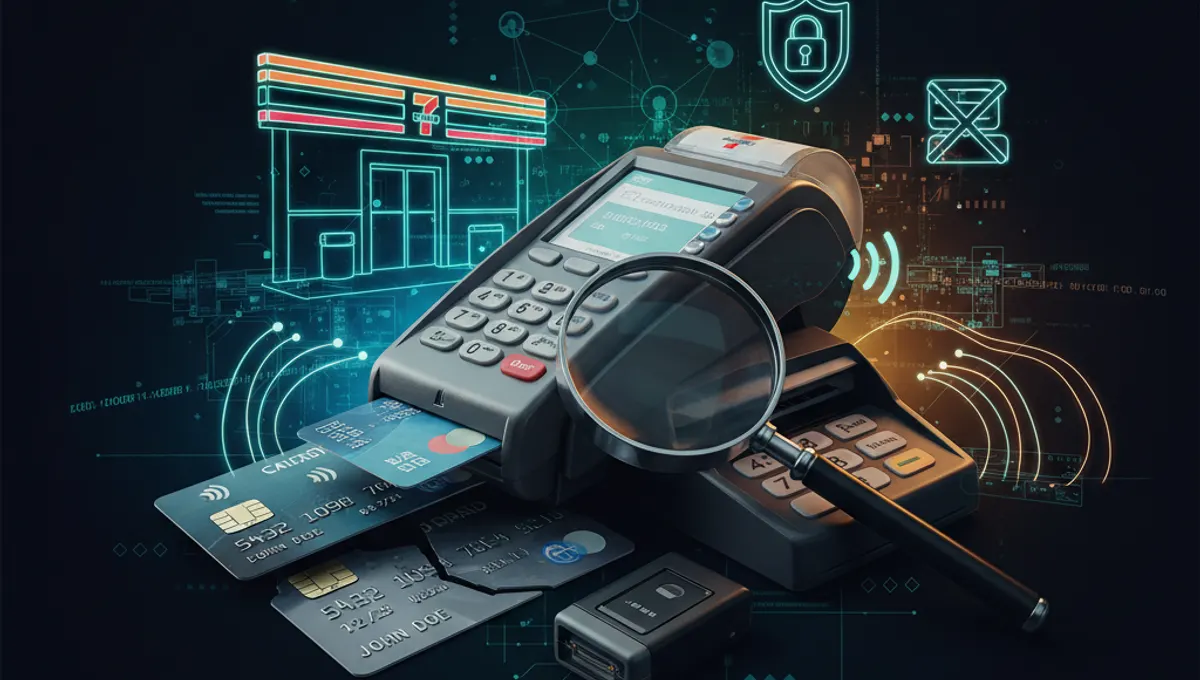
What Is a Credit Card Skimmer and How Does It Work at 7 Eleven
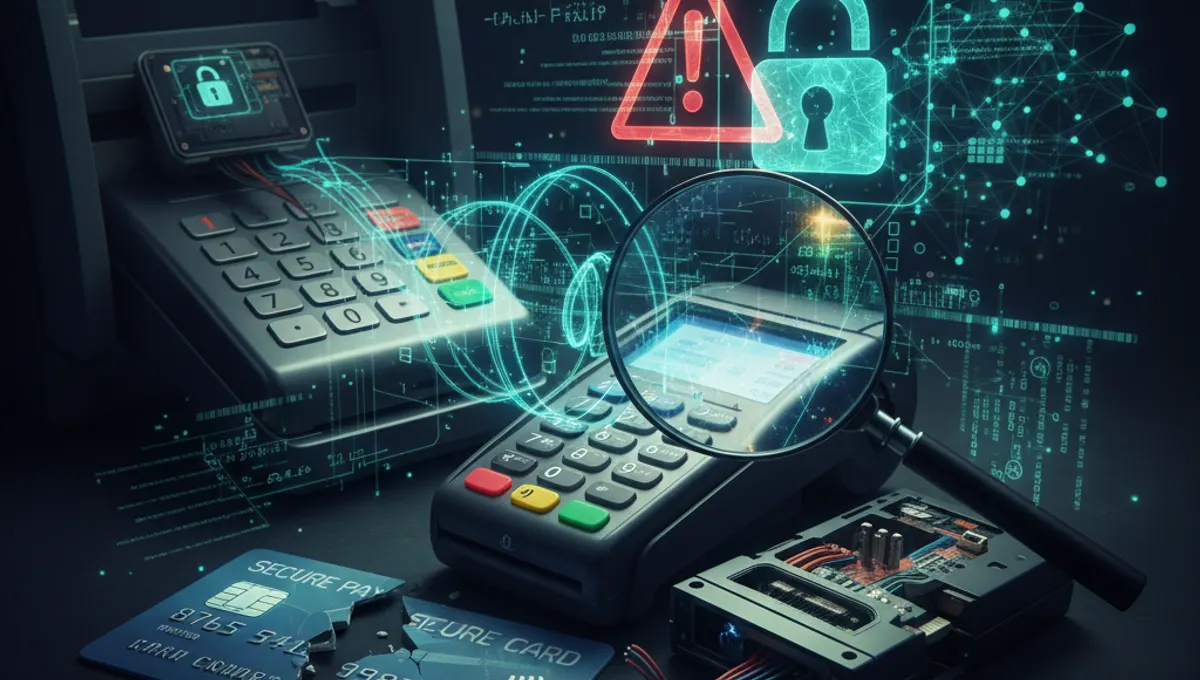
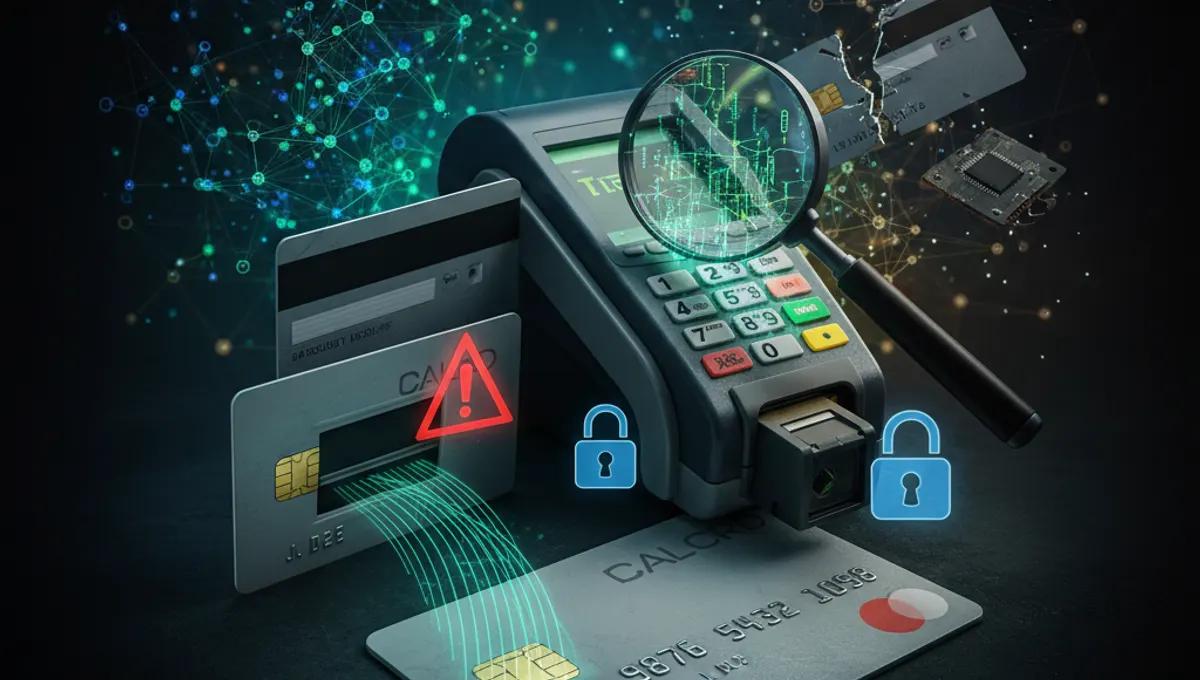
A credit card skimmer is a physical or wireless device that captures card information during a legitimate transaction. At 7 Eleven locations, skimmers are commonly installed on self-checkout terminals, fuel pump readers, or standalone ATMs. When you swipe or insert your card, the skimmer reads the magnetic stripe data or, in some cases, intercepts EMV chip communication. The device stores this information or transmits it wirelessly to a nearby receiver. Unlike shimming, which involves inserting a thin device into the chip slot, skimmers typically overlay the card slot or attach externally. The stolen data includes your card number, expiration date, and sometimes the CVV, depending on the skimmer's capability. This information is then used to create cloned cards or sold to other fraudsters.
Magnetic Stripe vs. EMV Chip: Why Skimmers Still Target Both
Magnetic stripe technology, found on the back of most cards, remains vulnerable because it stores static data that doesn't change with each transaction. A 7 eleven card skimmer reading the stripe captures all the information needed to clone a card. EMV chips, designed to be more secure, generate a unique code for each transaction, making cloning theoretically harder. However, criminals have developed overlay skimmers and shimming devices that can still intercept chip data or downgrade transactions to magnetic stripe mode. Many older 7 Eleven terminals still accept magnetic stripe transactions, making them attractive targets. Contactless payments and tokenized transactions bypass both technologies entirely, which is why they offer better protection than traditional card insertion.
How Cloned Cards Are Created and Sold After Data Theft
Once a 7 eleven card skimmer captures your data, criminals encode it onto blank cards using specialized equipment. These cloned cards replicate your card's magnetic stripe and can be used for in-person purchases at retail locations that don't require chip verification or PIN entry. The cloned card ecosystem operates primarily on dark web marketplaces, where stolen card data and finished cloned cards are bought and sold. Sellers typically offer cards in batches, sometimes with additional information like the cardholder's name and address. Prices vary based on card type, available balance information, and the seller's reputation. Buyers range from individual fraudsters making small purchases to organized retail theft rings. The entire transaction chain—from skimming to cloning to resale—happens across multiple actors, making it difficult for law enforcement to trace individual transactions.
Dark Web Marketplaces: How Cloned Card Sales Work
Dark web marketplaces operate as anonymous platforms where vendors list cloned cards and stolen card data for sale. Access requires Tor browser or similar anonymization tools, and transactions typically use cryptocurrency to maintain anonymity. Vendors create storefronts with product listings showing card type, issuer, country of origin, and claimed balance. Buyers review vendor ratings and feedback before purchasing. Escrow systems hold cryptocurrency until the buyer confirms the card works, protecting both parties from fraud. Some marketplaces offer refunds if a card is declined or reported stolen within a certain timeframe. The 7 eleven card skimmer data feeds directly into this ecosystem; skimmers deployed at convenience stores generate high volumes of card data that vendors quickly process and list for sale. Law enforcement agencies monitor these marketplaces but the decentralized nature and constant marketplace migrations make enforcement challenging.
How to Detect a 7 Eleven Card Skimmer Before Using It
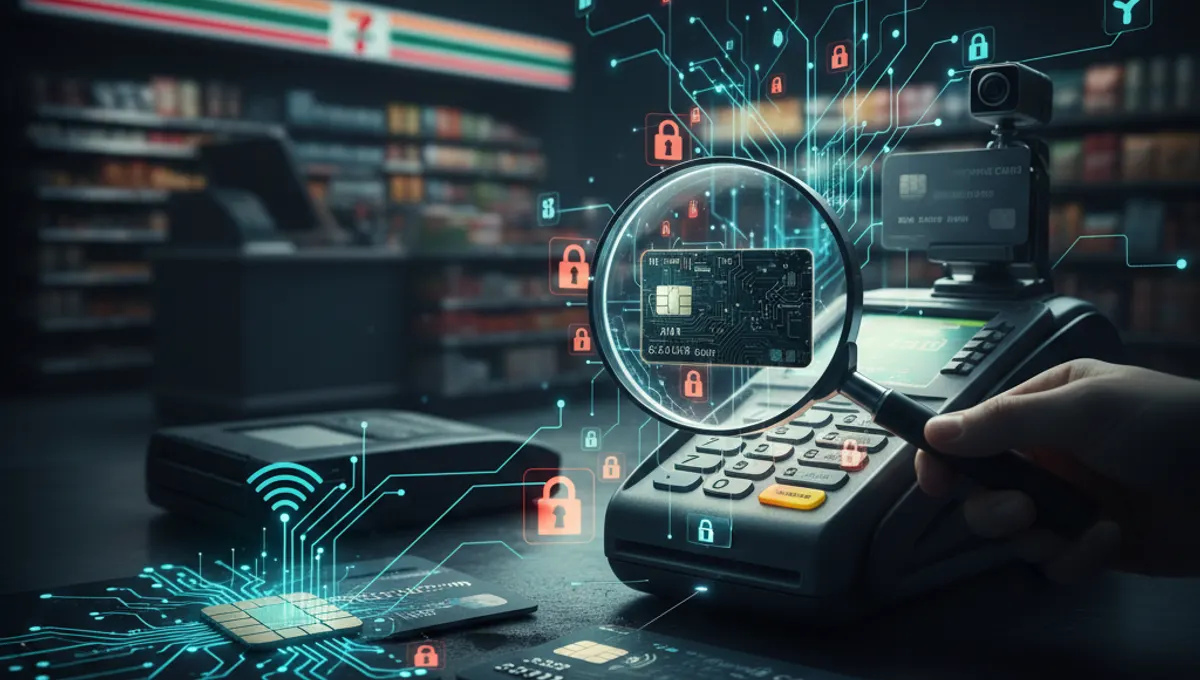
Visual inspection is your first defense against a 7 eleven card skimmer. Examine the card slot and surrounding area for loose, misaligned, or unusually thick overlays. Gently wiggle the card slot cover; legitimate components should be firmly attached. Check for small holes or cameras positioned to capture PIN entry. Look for wireless devices or antennas near the terminal. At fuel pumps, inspect the card reader before inserting your card; skimmers often have a slightly different color or texture than the original equipment. Test the keypad by pressing buttons to ensure they're not loose or recording devices. If anything feels off or looks damaged, use a different terminal or location. Never use a terminal that appears tampered with, even if it seems to work normally. Report suspicious devices to store management immediately.
Protection Strategies: Contactless, Virtual Cards, and Monitoring
Contactless payments and tokenized transactions eliminate the need to insert or swipe your physical card, bypassing skimmers entirely. Mobile wallet services like Apple Pay or Google Pay generate unique transaction codes that don't expose your actual card number. Virtual card numbers, issued by some banks, create single-use or limited-use card numbers that can't be reused if compromised. Enable transaction alerts on your bank account to receive notifications for every purchase, allowing you to spot unauthorized charges immediately. Consider using a dedicated card for convenience store purchases with a low credit limit, reducing exposure if it's compromised. Monitor your credit report regularly for signs of identity theft. Use chip readers instead of magnetic stripe when available, as they're harder to clone. Block your card immediately if you suspect it's been compromised.
What to Do If Your Card Information Has Been Compromised
Contact your bank or card issuer immediately if you notice unauthorized charges or suspect your card data was captured by a 7 eleven card skimmer. Most banks offer zero-liability protection for fraudulent transactions, meaning you won't be held responsible for unauthorized charges. File a dispute for each fraudulent transaction; your bank will investigate and typically issue a refund within 10 business days, though the investigation may take longer. Request a new card with a different number. File a report with the Federal Trade Commission at IdentityTheft.gov to create an official record. Monitor your credit reports from all three bureaus for suspicious accounts opened in your name. Place a fraud alert on your credit file to make it harder for criminals to open new accounts. Consider a credit freeze if you believe your personal information was also compromised. Keep documentation of all communications with your bank and the FTC.
Frequently asked questions
Can a 7 Eleven card skimmer steal my PIN?
Some advanced skimmers include hidden cameras or overlay keypads designed to capture PIN entry. However, most skimmers only capture card data from the magnetic stripe or chip. If you cover the keypad while entering your PIN and monitor your account for unauthorized withdrawals, you can limit exposure. Always use terminals that appear undamaged and report suspicious devices to store management.
How long does it take for a cloned card to be used after skimming?
Cloned cards can be used within hours of data capture. Criminals typically test cloned cards at low-risk retailers before attempting larger purchases. Some cards are sold on dark web marketplaces within days of being skimmed. This is why monitoring your account regularly and enabling transaction alerts is critical for catching fraud quickly.
Is my bank responsible for charges made with a cloned card?
Most banks offer zero-liability protection for fraudulent transactions, meaning you won't be charged for unauthorized purchases. However, you must report the fraud promptly, typically within 60 days of receiving your statement. Delays in reporting may limit your protection. Always contact your bank immediately if you notice suspicious activity.
What's the difference between a card skimmer and a shimmer?
A skimmer reads data from the magnetic stripe or intercepts chip communication externally. A shimmer is a thin device inserted into the chip slot that captures EMV chip data as your card is inserted. Shimmers are harder to detect visually because they fit inside the slot. Both capture card information for cloning, but skimmers are more common at 7 Eleven locations with older terminals.
Can contactless payments protect me from 7 Eleven card skimmers?
Yes. Contactless payments and mobile wallets generate unique transaction codes that don't expose your actual card number, making them immune to traditional skimmers. However, ensure your phone's contactless payment is enabled and use it whenever available. This is one of the most effective ways to avoid skimmer-based fraud at convenience stores.