What Are Bluetooth Skimmers and How Do They Differ from Other Skimming Devices
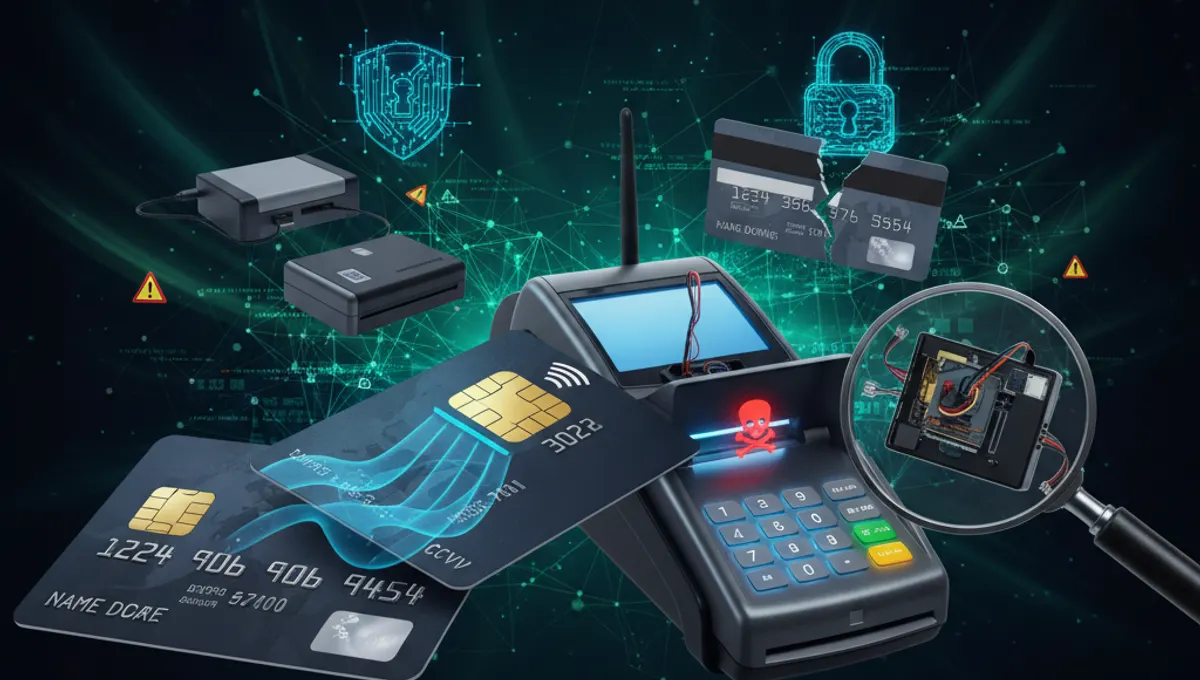
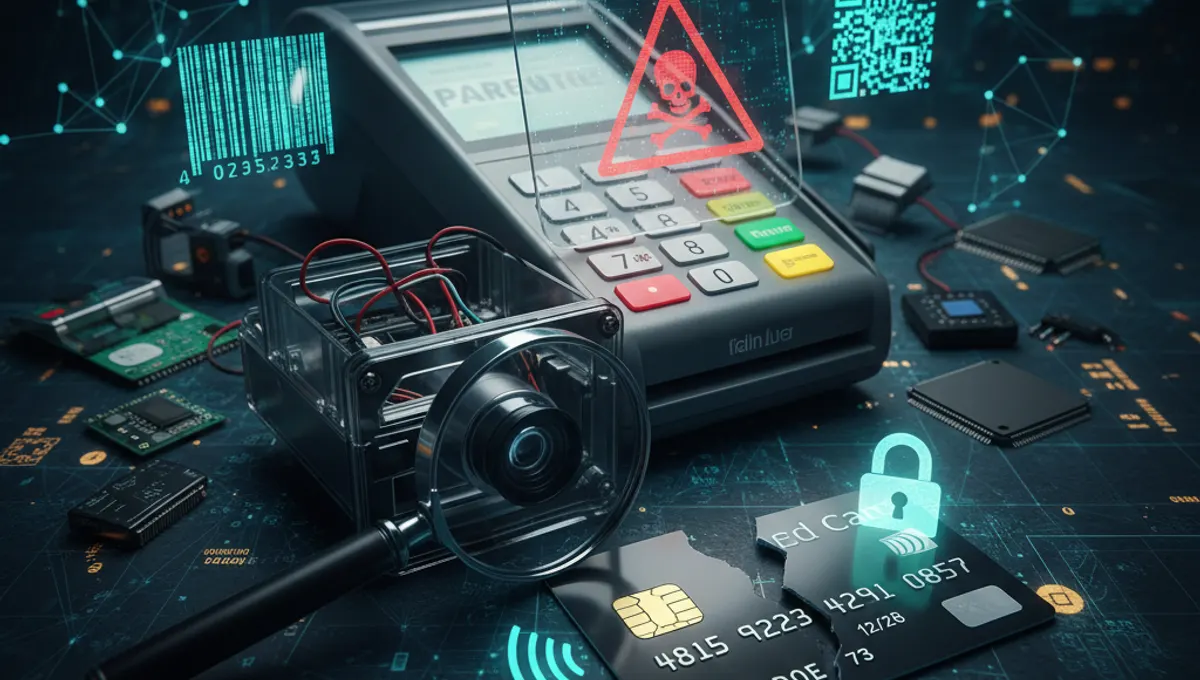
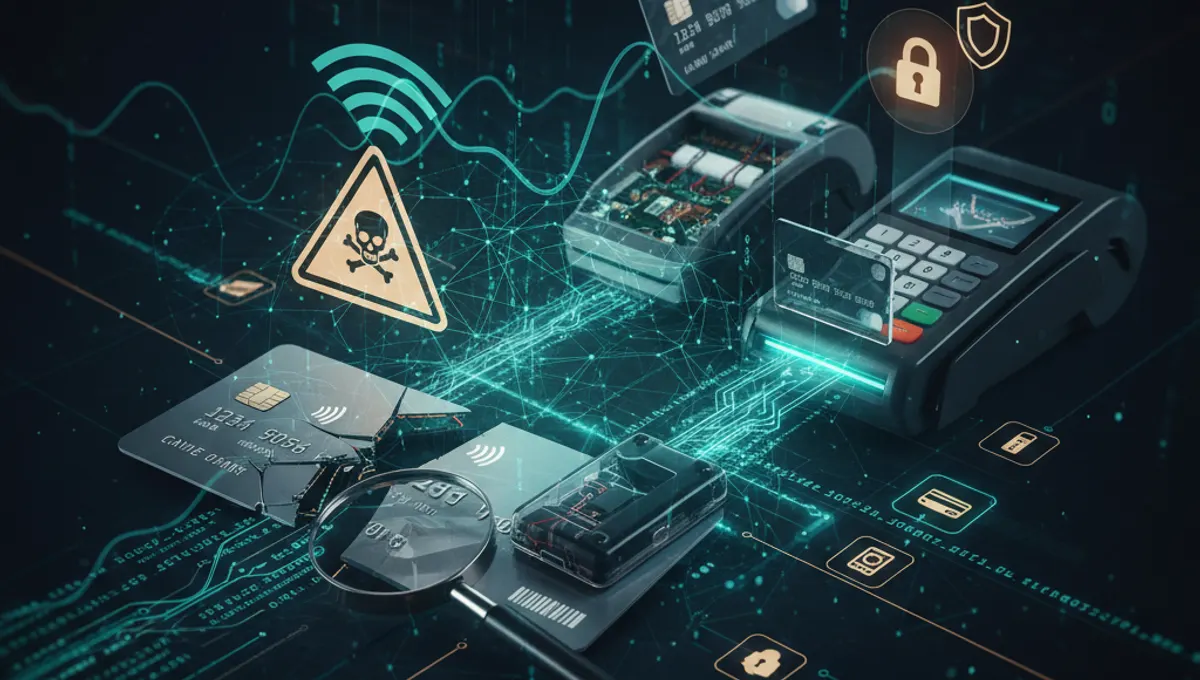
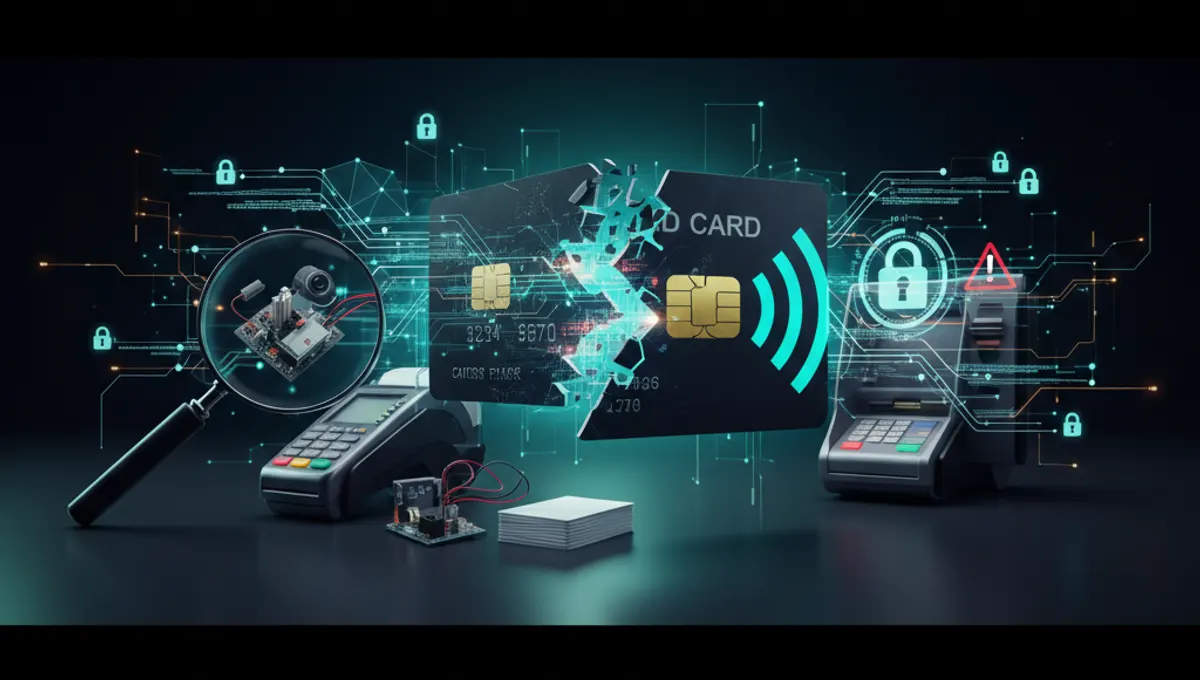
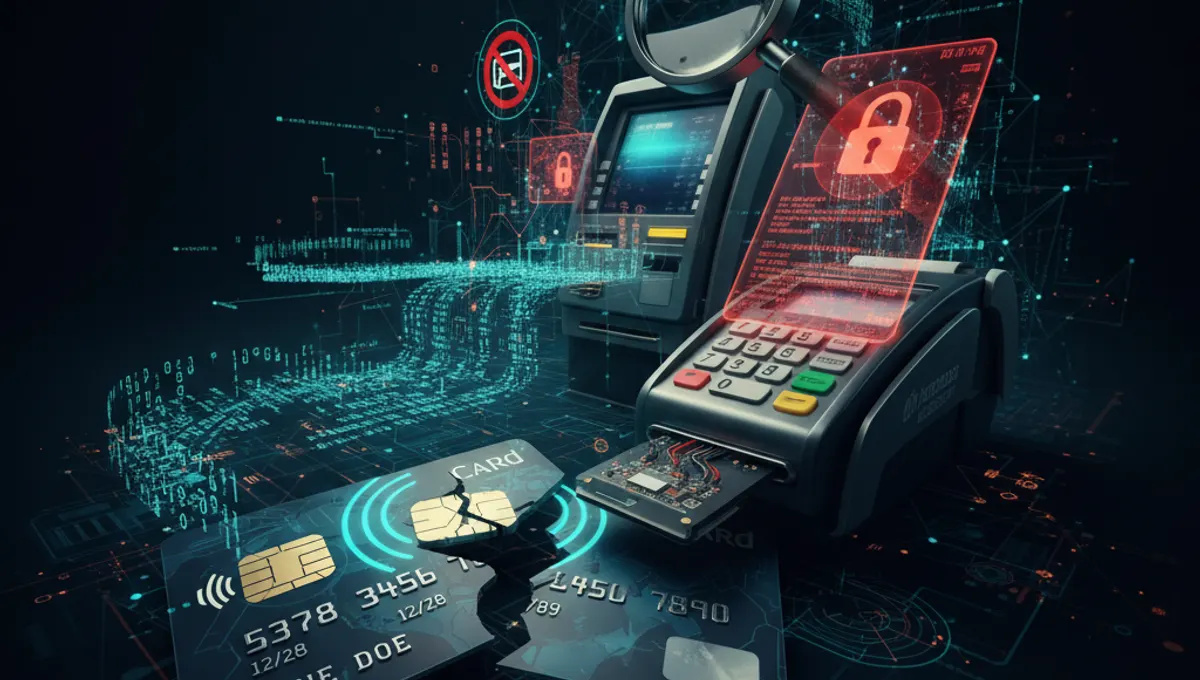
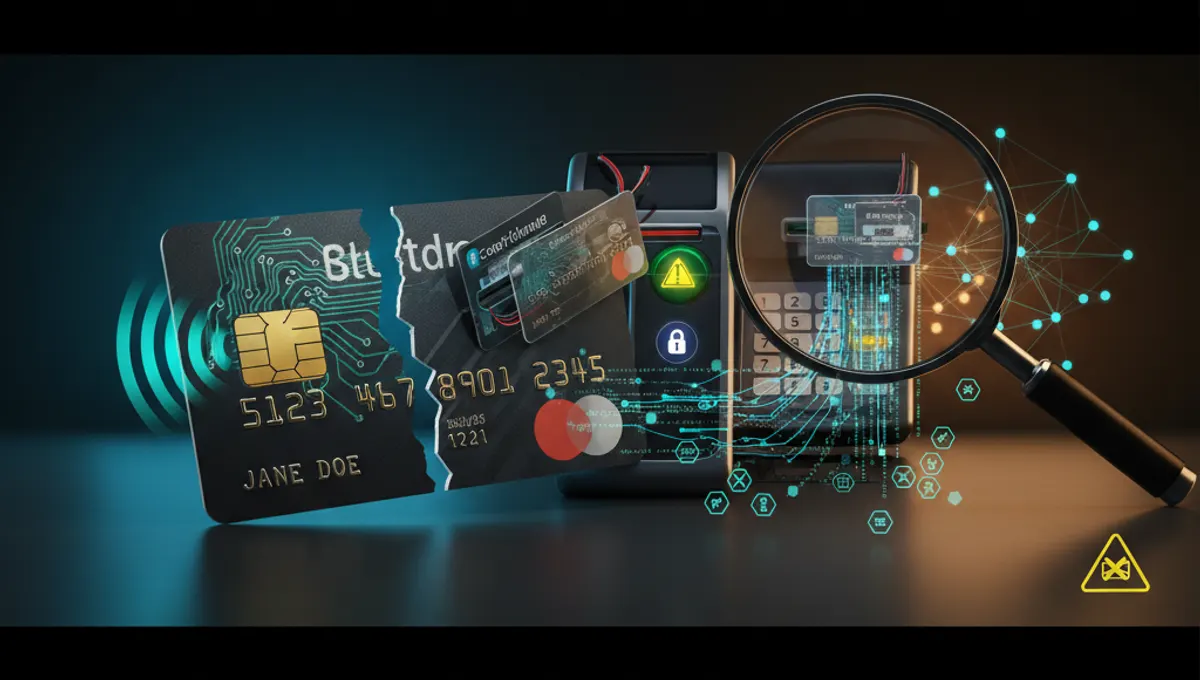
Bluetooth skimmers are electronic devices designed to capture card data wirelessly using Bluetooth technology. Unlike traditional skimmers that require physical insertion into card readers, Bluetooth models operate at a distance, making them harder to detect visually. They typically target ATMs, gas pumps, and point-of-sale terminals. When a card is swiped or inserted, the skimmer intercepts the magnetic stripe data or EMV chip information and transmits it wirelessly to an operator's device. This differs from shimming devices, which sit between the card slot and the reader, or overlay skimmers placed over the entire terminal. Bluetooth skimmers represent a more sophisticated threat because they leave minimal physical evidence and can collect data from multiple transactions before being discovered.
How Cloned Cards Are Created from Skimmed Data
When a Bluetooth skimmer captures your card data, that information is used to create cloned cards through a process called carding. The stolen magnetic stripe data or EMV information is written onto blank cards using specialized equipment. A cloned card contains the same account number, expiration date, and security codes as your original card, allowing fraudsters to make purchases or withdraw cash. The cloning process exploits the difference between magnetic stripe technology, which stores static data, and modern EMV chips, which generate unique transaction codes. However, older terminals or international merchants may still accept magnetic stripe transactions, making cloned cards viable for fraud. The quality of the cloned card depends on the completeness of the data captured by the skimmer and the sophistication of the cloning equipment used.
The Dark Web Marketplace for Cloned Cards and Stolen Data
Cloned cards and stolen payment data are actively bought and sold on dark web marketplaces. Vendors operate anonymously, offering cards in bulk or individually, often with guarantees about card validity or refunds if the card fails. These marketplaces function similarly to legitimate e-commerce sites, with vendor ratings, dispute resolution systems, and encrypted communication channels. Buyers typically use cryptocurrency to purchase cards, which provides a layer of anonymity but does not guarantee security or legitimacy. The pricing varies based on card type, credit limit, and the seller's reputation. Many marketplaces also sell accompanying data such as cardholder names, addresses, and PIN codes. Law enforcement agencies worldwide actively monitor these platforms, and purchasing cloned cards carries serious legal consequences regardless of the buyer's intent or technical sophistication.
How to Detect Bluetooth Skimmers at ATMs, Gas Pumps, and POS Terminals
Detecting Bluetooth skimmers requires visual inspection and awareness of physical anomalies. At ATMs, check for loose or misaligned card slots, unusual attachments, or overlay panels that don't match the terminal's design. Gas pump skimmers may appear as bulky devices inserted into the card reader or as external attachments. At point-of-sale terminals, look for wireless devices placed near the reader or unusual cables. Some Bluetooth skimmers emit faint signals that can be detected with specialized RF detection tools, though these are not widely available to consumers. The most practical detection method is to physically inspect the terminal before using it, wiggle the card slot gently to check for loose components, and avoid terminals that appear damaged or altered. If you notice anything suspicious, use a different terminal and report it to the business or bank immediately.
Protecting Your Card from Skimming and Unauthorized Transactions
Several strategies reduce your vulnerability to Bluetooth skimmers and other card theft methods. Use contactless or tokenized payments when available, as these technologies generate unique transaction codes that cannot be reused by fraudsters. Enable transaction alerts on your bank account to receive notifications of purchases in real time. Consider using virtual card numbers provided by your bank or payment apps, which generate temporary account numbers for online transactions. Monitor your credit reports regularly and place fraud alerts with credit bureaus if you suspect compromise. When using ATMs or gas pumps, choose terminals in well-lit, monitored locations and cover the keypad when entering your PIN. Opt for chip readers over magnetic stripe when possible, as EMV chips are more difficult to clone than magnetic data. Regularly review your bank statements and dispute any unauthorized charges promptly.
What to Do If Your Card Data Has Been Compromised
If you discover unauthorized charges or suspect your card data has been stolen, contact your bank or card issuer immediately. Most financial institutions offer fraud protection that limits your liability for unauthorized transactions, though timelines and procedures vary by institution and jurisdiction. File a dispute for each fraudulent charge; your bank will investigate and typically issue a provisional credit within a few business days while the investigation proceeds. Request a new card with a different account number. File a report with your local law enforcement agency and the Federal Trade Commission if you believe you are a victim of identity theft. Place a fraud alert with the three major credit bureaus and consider a credit freeze to prevent new accounts from being opened in your name. Keep detailed records of all communications with your bank, including dates, times, and names of representatives. Refund timelines depend on the complexity of the dispute and the bank's investigation process, but most institutions resolve fraud claims within 30 to 90 days.
Legal Consequences of Possessing, Using, or Selling Cloned Cards
Possessing or using a cloned card constitutes fraud and identity theft in virtually all jurisdictions. Charges typically fall into multiple categories: wire fraud, access device fraud, identity theft, and money laundering. Penalties vary significantly by jurisdiction and the amount of money involved, but convictions can result in federal or state imprisonment, substantial fines, and restitution orders requiring payment to victims. Selling cloned cards or operating a dark web marketplace for stolen payment data carries even more severe penalties, including conspiracy charges and enhanced sentencing for organized fraud schemes. International law enforcement agencies cooperate on these cases, meaning that purchasing cards on the dark web does not provide protection from prosecution. Conviction for card fraud can result in a permanent criminal record, affecting employment, housing, and financial opportunities. Even first-time offenders face potential prison sentences and civil liability. The legal system treats card fraud as a serious crime regardless of the technical sophistication involved or the buyer's claimed intent.
Frequently asked questions
Can Bluetooth skimmers work through walls or from far away?
Bluetooth skimmers typically operate within a range of 30 to 100 feet, depending on the device's power and antenna design. They cannot penetrate thick walls or metal structures effectively, but they can function through standard drywall and glass. An operator would need to be relatively close to the terminal to capture data, often within the same building or parking area.
How do I know if an ATM has a Bluetooth skimmer installed?
Inspect the card slot for loose components, misalignment, or overlay panels. Look for small wireless devices or unusual attachments near the reader. Check if the terminal appears damaged or altered compared to nearby machines. If anything seems off, use a different ATM and report your concerns to the bank or business operating the terminal.
What is the difference between a Bluetooth skimmer and a shimmer?
A Bluetooth skimmer captures data wirelessly from a distance, while a shimmer is a thin device inserted between the card slot and the EMV chip reader to intercept data during insertion. Shimmers are designed to bypass EMV security by reading the chip directly. Bluetooth skimmers work on magnetic stripe and older systems, whereas shimmers specifically target chip-based cards.
If I buy a cloned card on the dark web, can I be prosecuted?
Yes. Purchasing a cloned card is illegal and constitutes fraud and identity theft. Law enforcement agencies worldwide actively investigate dark web marketplaces and prosecute buyers. Prosecution does not depend on whether the purchase was successful or the card was actually used; possession alone is sufficient for criminal charges in most jurisdictions.
How long does it take to get a refund for fraudulent charges?
Most banks issue a provisional credit within 3 to 10 business days while investigating the dispute. A final resolution typically occurs within 30 to 90 days, depending on the complexity of the case and the institution's procedures. Timelines vary by bank and jurisdiction, so contact your financial institution for specific information about your account.