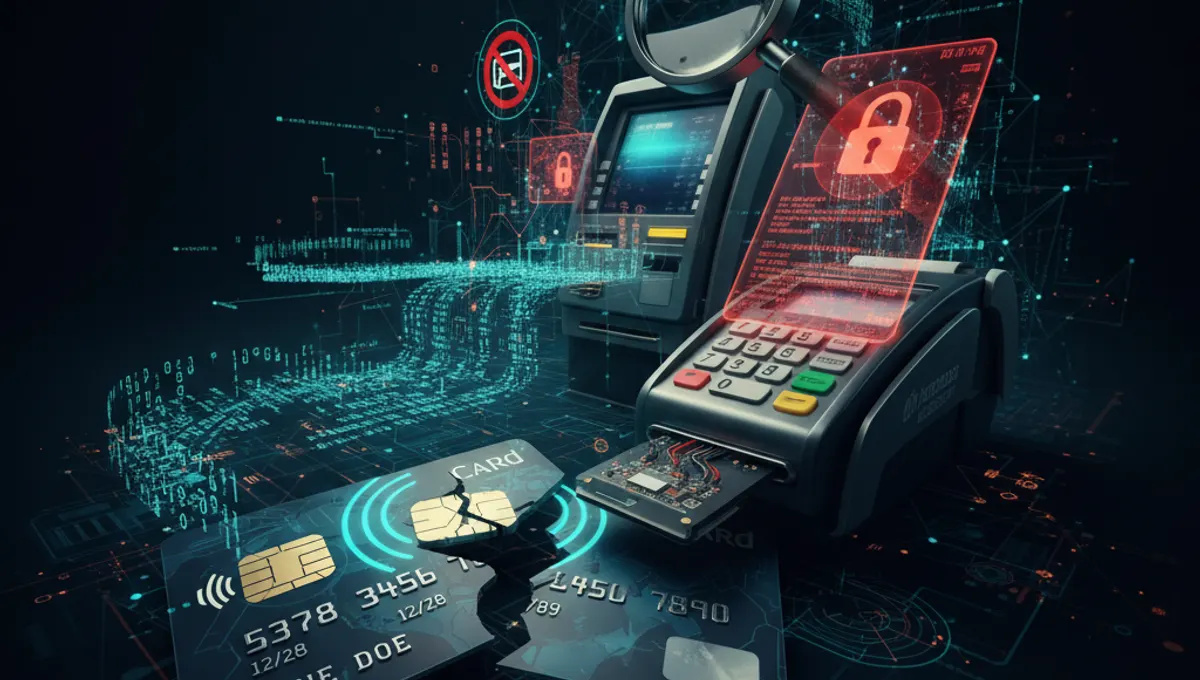
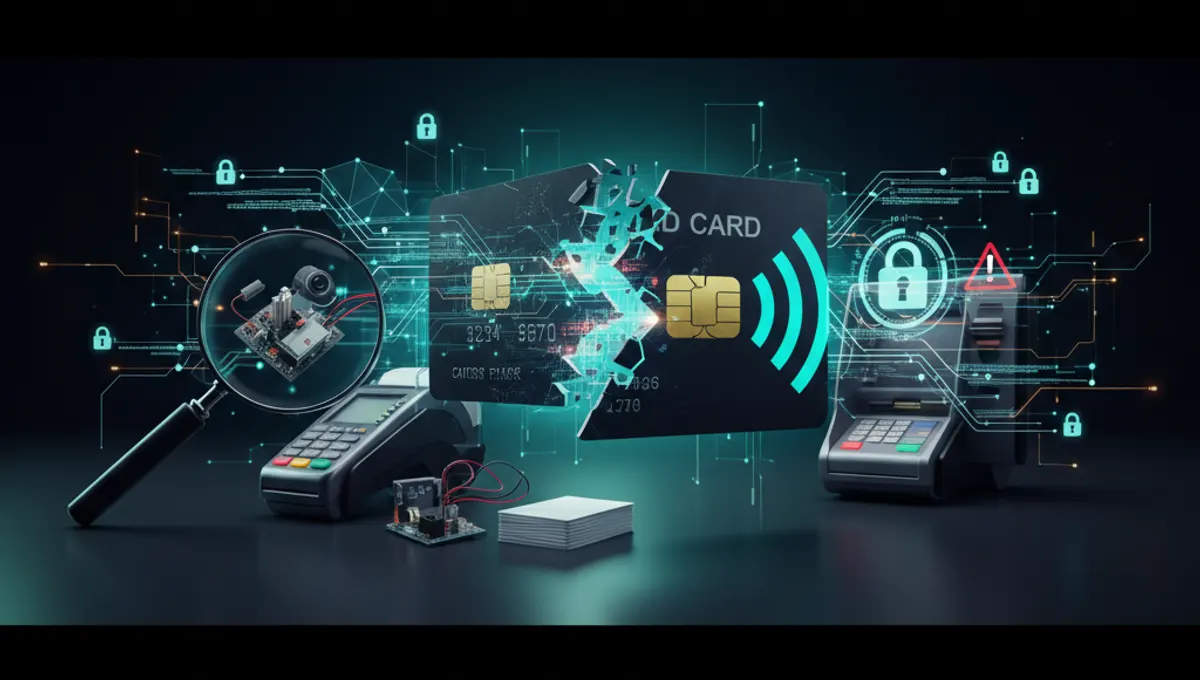
What Is a Cloned Card and How Does Skimming Create One
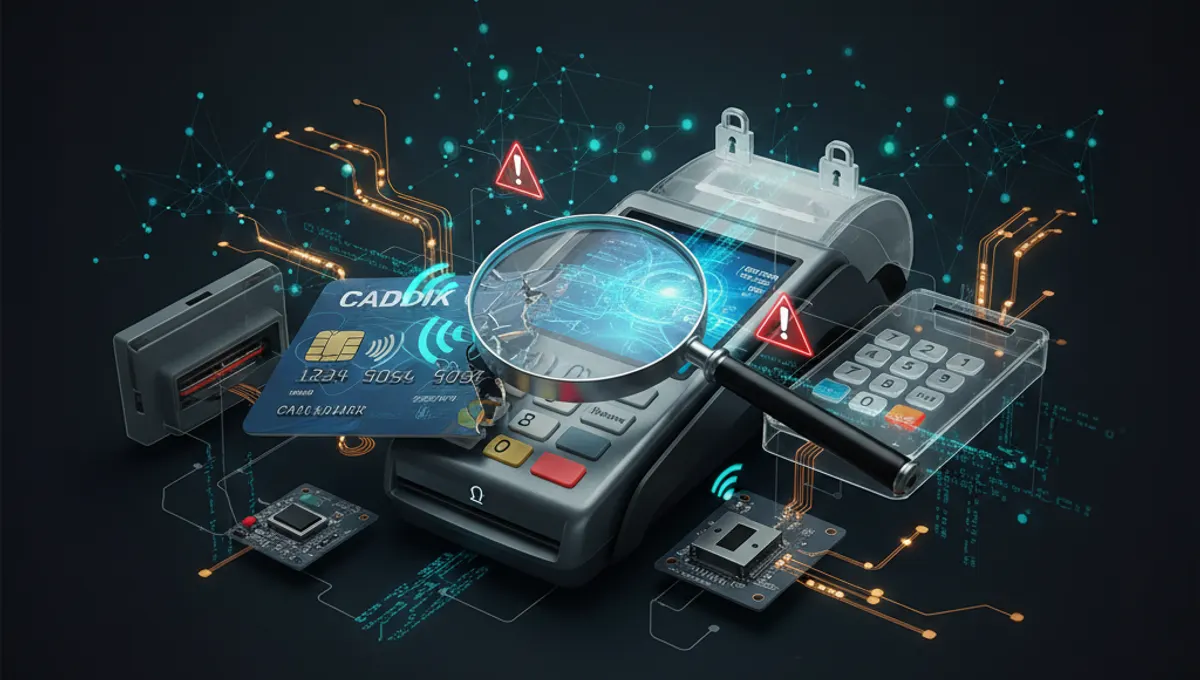
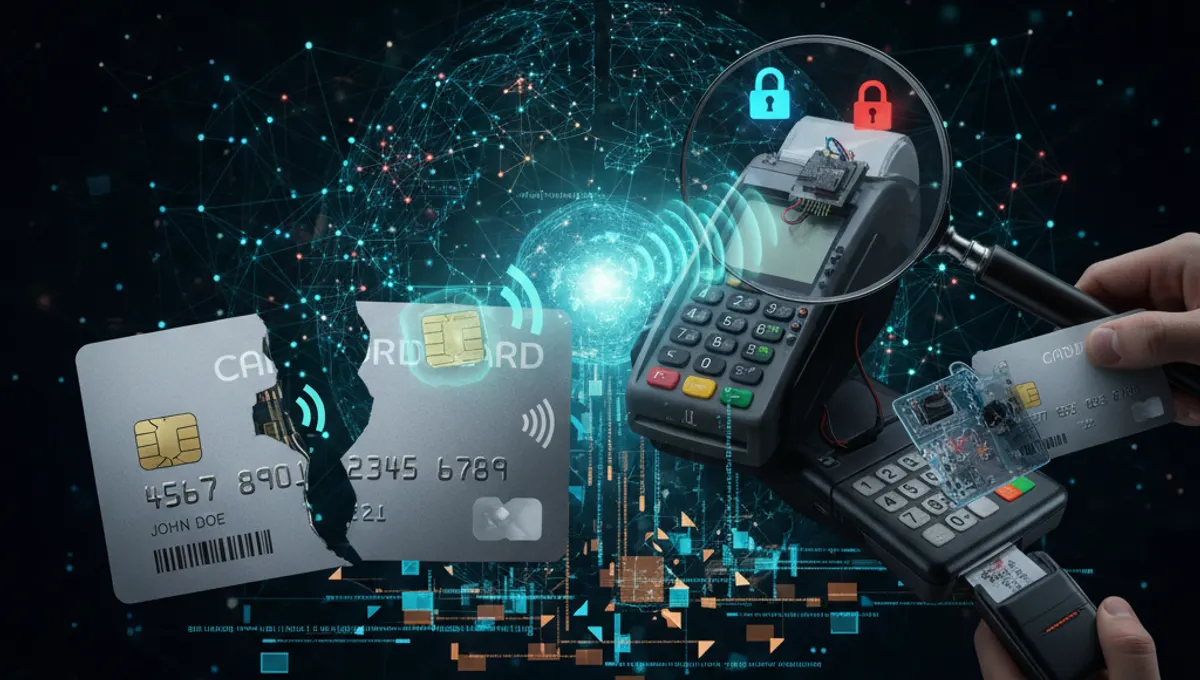
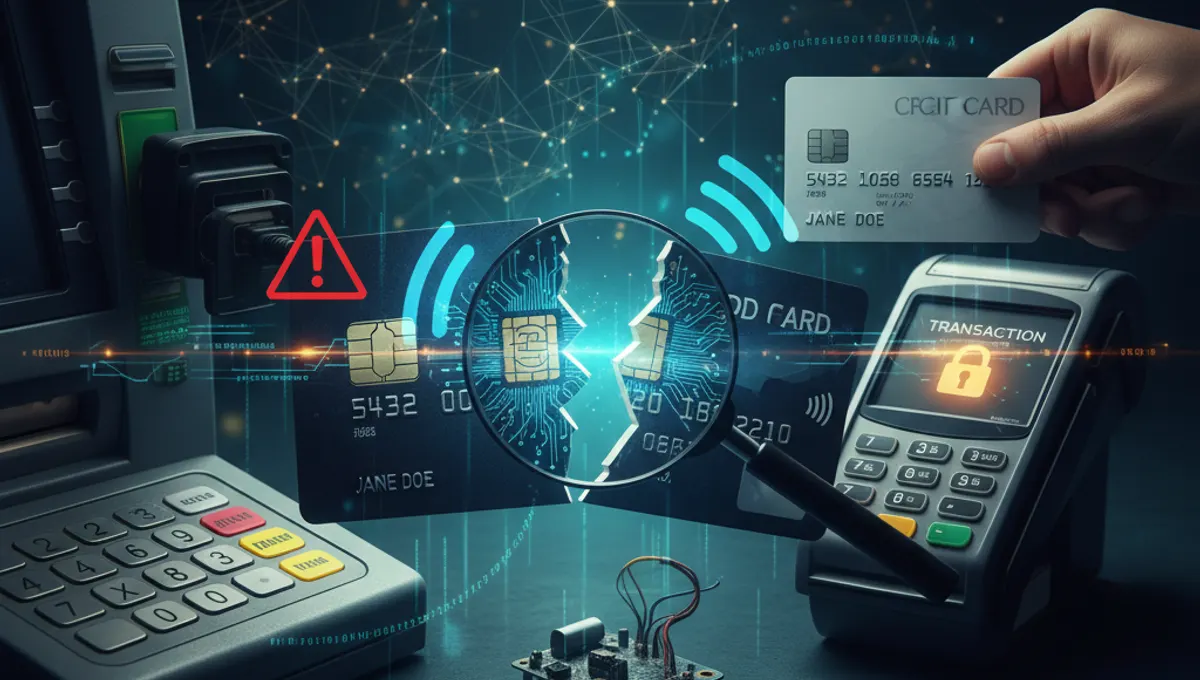
A cloned card is a duplicate of your legitimate payment card created from stolen data. Skimming is the most common method used to capture this data. When a skimmer reads your card's magnetic stripe or EMV chip, it copies the card number, expiration date, and sometimes the CVV. Shimming targets EMV chips specifically by inserting a thin device into card slots. Data can also be harvested from large retail breaches or leaked databases sold online. Once cloned, the card data is used to make fraudulent purchases or transferred to a physical card blank for in-person fraud.
Physical Signs of Card Skimmers at ATMs and Gas Pumps
Inspect the card slot and surrounding area before inserting your card. Look for loose, misaligned, or protruding components that don't match the machine's original design. Card readers should fit flush with the slot; any overlay or extension is a red flag. Check for small cameras or pinhole lenses positioned to capture your PIN entry. Gas pump skimmers are often installed on the outside panel; try gently tugging on the card reader to see if it moves or feels loose. Tamper-evident seals on ATM panels, if broken or missing, indicate recent access. Use machines in well-lit, monitored locations such as bank lobbies rather than isolated outdoor terminals.
How to Identify Digital Skimmers and Online Card Threats
Digital skimmers operate through compromised websites, fake payment forms, or malware on your device. Before entering card details online, verify the website URL begins with HTTPS and displays a padlock icon. Avoid entering payment information on public WiFi networks. Malware-based skimmers can log keystrokes or capture clipboard data; keep your device's operating system and security software updated. Phishing emails may direct you to fake payment pages designed to harvest card data. Legitimate companies never request full card details via email or unsecured messages. Monitor your bank and card statements regularly for unauthorized transactions, which often appear as small test charges before larger fraudulent purchases.
The Dark Web Card Sales Ecosystem and Cloned Card Marketplaces
Stolen and cloned card data is bought and sold on dark web marketplaces accessible through Tor networks. Sellers list card information in bulk, often organized by card type, issuing bank, or country. Prices vary based on card validity, available data (full details versus partial), and account balance. Buyers include fraudsters who use the data to make online purchases, create physical clones, or conduct identity theft. Marketplaces operate with escrow systems and seller reputation ratings to facilitate transactions. Law enforcement agencies monitor these platforms, but the decentralized nature and use of cryptocurrency make tracking difficult. Cards are often tested with small transactions before bulk use to verify they remain active.
Legal Consequences of Card Cloning, Possession, and Fraud
Possession of cloned cards or stolen payment data is illegal in most jurisdictions and typically prosecuted as fraud, identity theft, or device-based fraud. Charges vary by location and specific circumstances. Using a cloned card constitutes fraud and may result in felony charges depending on the amount involved and number of transactions. Identity theft charges apply when personal information is used without authorization. Penalties depend on the jurisdiction, the value of fraudulent transactions, and prior criminal history. Federal charges may apply if fraud crosses state or international lines. Conviction can result in imprisonment, fines, restitution to victims, and a permanent criminal record affecting employment and housing prospects.
How to Protect Your Card: Detection and Prevention Methods
Enable transaction alerts through your bank or card issuer to receive notifications of purchases in real time. Use contactless or tokenized payments when available; these methods transmit a unique transaction code rather than your actual card number. Consider virtual card numbers for online shopping, which generate single-use or merchant-specific numbers linked to your main account. Regularly review your statements and set up fraud monitoring services offered by your financial institution. Block your card immediately if you suspect compromise. Use chip readers instead of magnetic stripe when available, as EMV chips are harder to clone. Avoid using ATMs in isolated locations and cover the keypad when entering your PIN.
What to Do If Your Card Information Is Compromised
Contact your card issuer immediately upon discovering unauthorized charges or suspected compromise. Most issuers have fraud departments available 24/7. Request a new card with a different number and ask about blocking the compromised card. File a dispute for each fraudulent transaction; the issuer will investigate and typically issue a provisional credit within 10 business days while the dispute is processed. Retain documentation of all communications and charges. Check your credit report for signs of identity theft, such as accounts opened in your name. Consider placing a fraud alert or credit freeze with the major credit bureaus. File a report with the Federal Trade Commission if identity theft is involved. Refund timelines vary by issuer but are typically completed within 30 to 90 days after the dispute is resolved.
Frequently asked questions
What is the difference between a skimmer and a shimmer
A skimmer reads data from the magnetic stripe on the back of your card, while a shimmer is a thin device inserted into a card slot to read EMV chip data. Shimmers are designed to bypass chip security by capturing data before it reaches the legitimate reader. Both methods copy your card information for cloning purposes.
Can I detect a card skimmer just by looking at an ATM
Yes, in many cases. Look for loose or misaligned card readers, overlays, protruding components, or small cameras. Check for tamper-evident seals that are broken or missing. However, some skimmers are professionally installed and difficult to spot visually, so always use machines in secure, monitored locations and consider using ATMs inside bank branches.
How quickly can a cloned card be used after skimming
Cloned cards can be used within minutes of data capture, though fraudsters often test the card with small transactions first to verify it's active. Some stolen data is sold on dark web marketplaces and may not be used for weeks or months. This is why monitoring your statements regularly and enabling transaction alerts is critical.
What should I do if I find a skimmer on an ATM
Do not attempt to remove it yourself. Notify the bank or ATM operator immediately by calling the number on the back of your card or the number displayed on the machine. Report the location and description of the device. If you've already used the ATM, contact your bank to monitor your account and consider placing a fraud alert.
Are contactless payments safer from skimming
Contactless payments are generally safer because they use tokenization, transmitting a unique code rather than your actual card number. However, your card information can still be compromised through other methods such as data breaches or phishing. Contactless payments reduce the risk of physical skimming at terminals but do not eliminate all fraud risks.