What Is a Cloned Card and How Does Skimming Create One
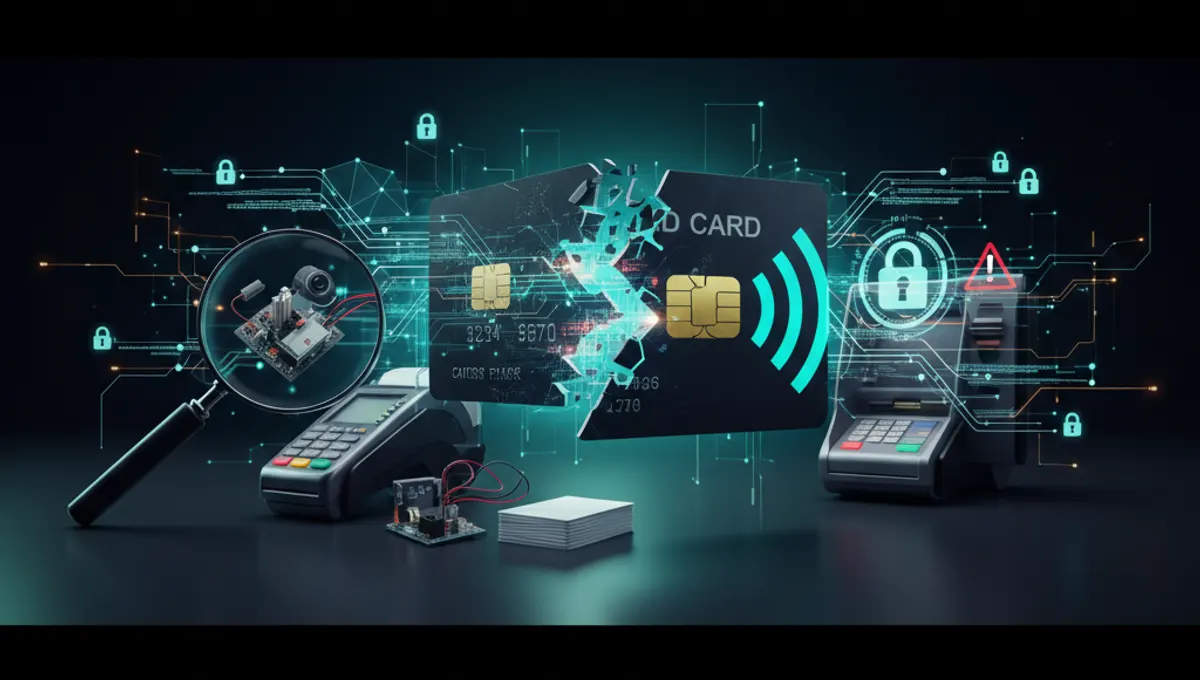
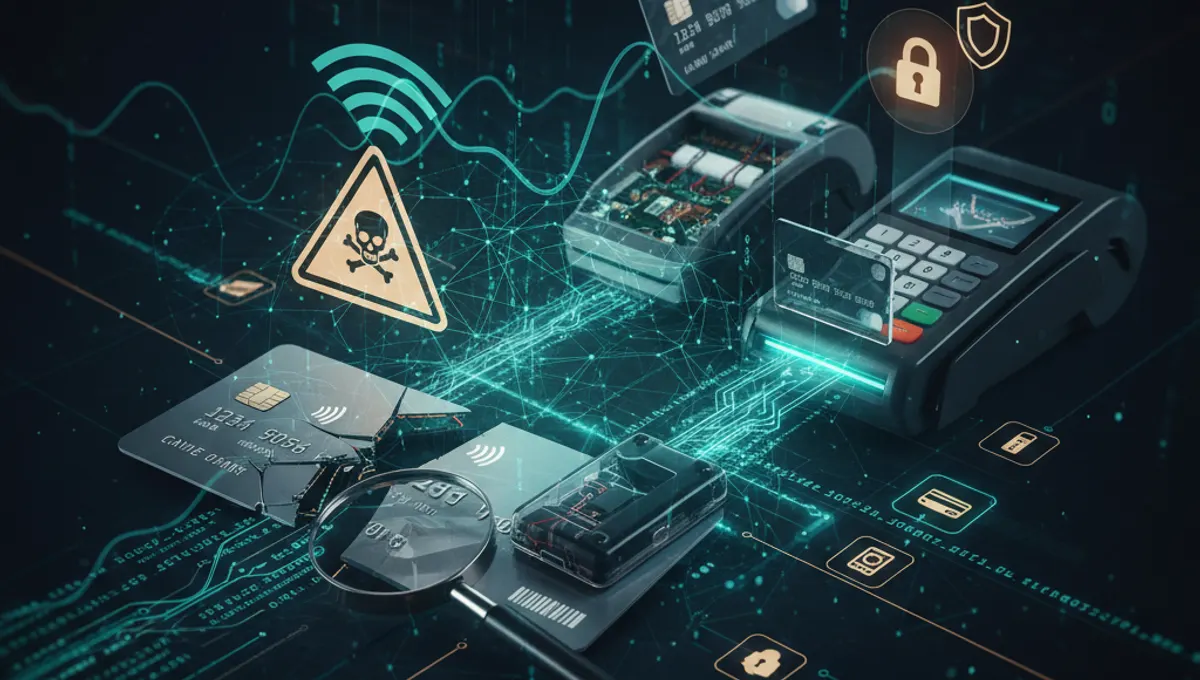
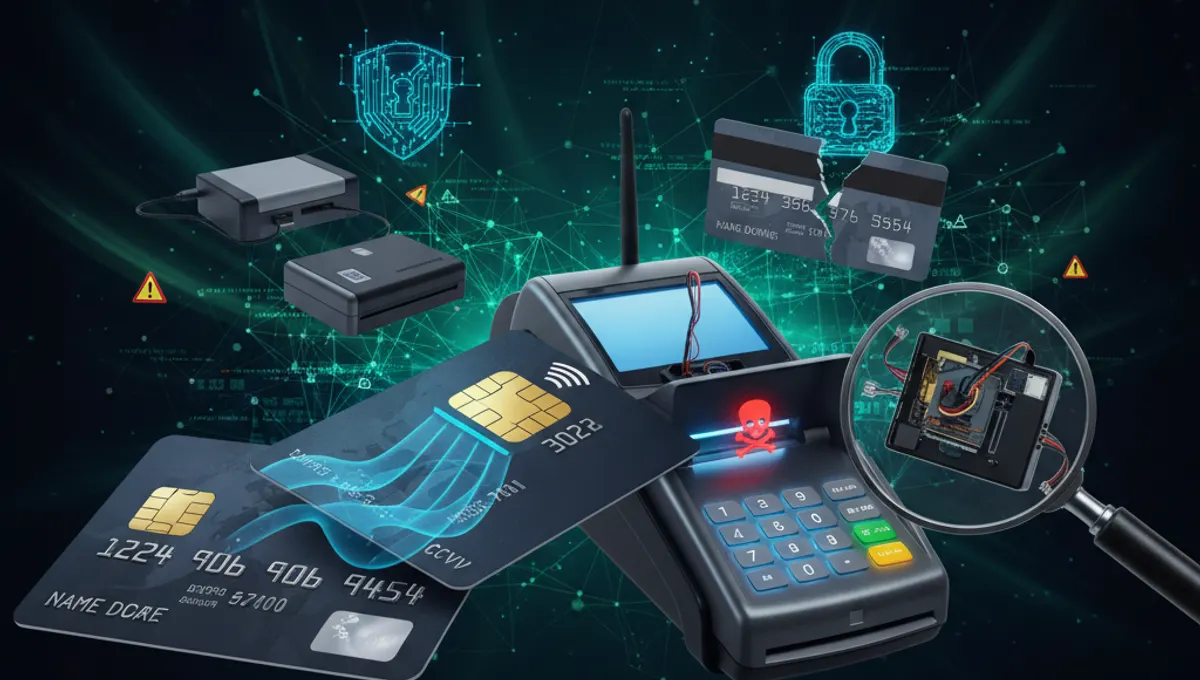
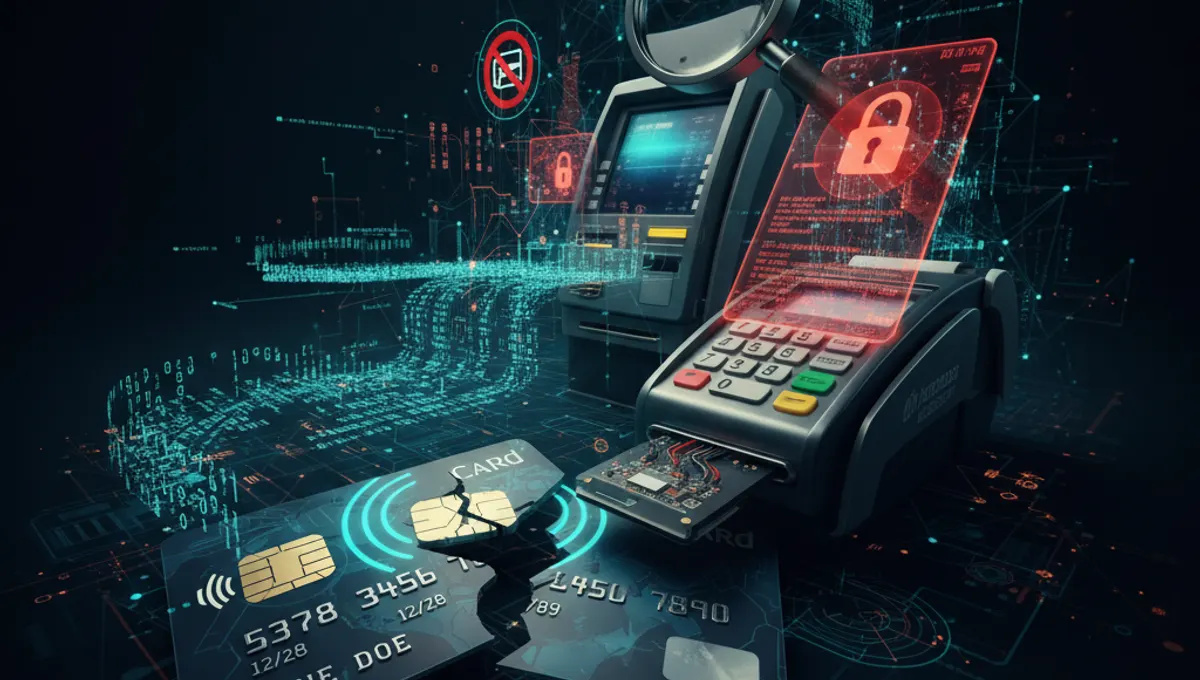
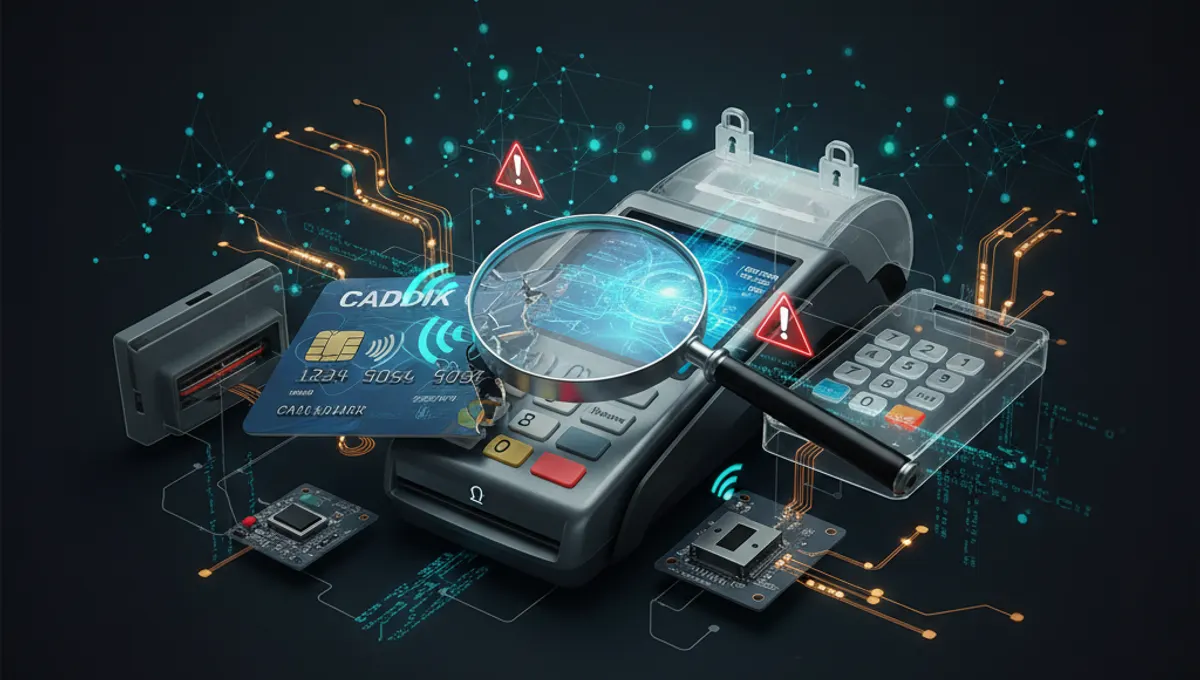
A cloned card is a duplicate created from stolen card data. Skimming captures this data in several ways: magnetic stripe readers pull information from the card's magnetic band, shimming devices intercept EMV chip data during legitimate transactions, and Bluetooth skimmers wirelessly capture contactless payment signals. Data also comes from large-scale breaches of retail systems or payment processors. Once criminals obtain the card number, expiration date, and CVV, they can create a physical clone or use the data for online fraud. The distinction between magnetic stripe and EMV technology matters: older magnetic stripes store static data vulnerable to simple copying, while EMV chips generate unique transaction codes that are harder to replicate but still vulnerable to shimming attacks.
Where Skimmers Are Commonly Found
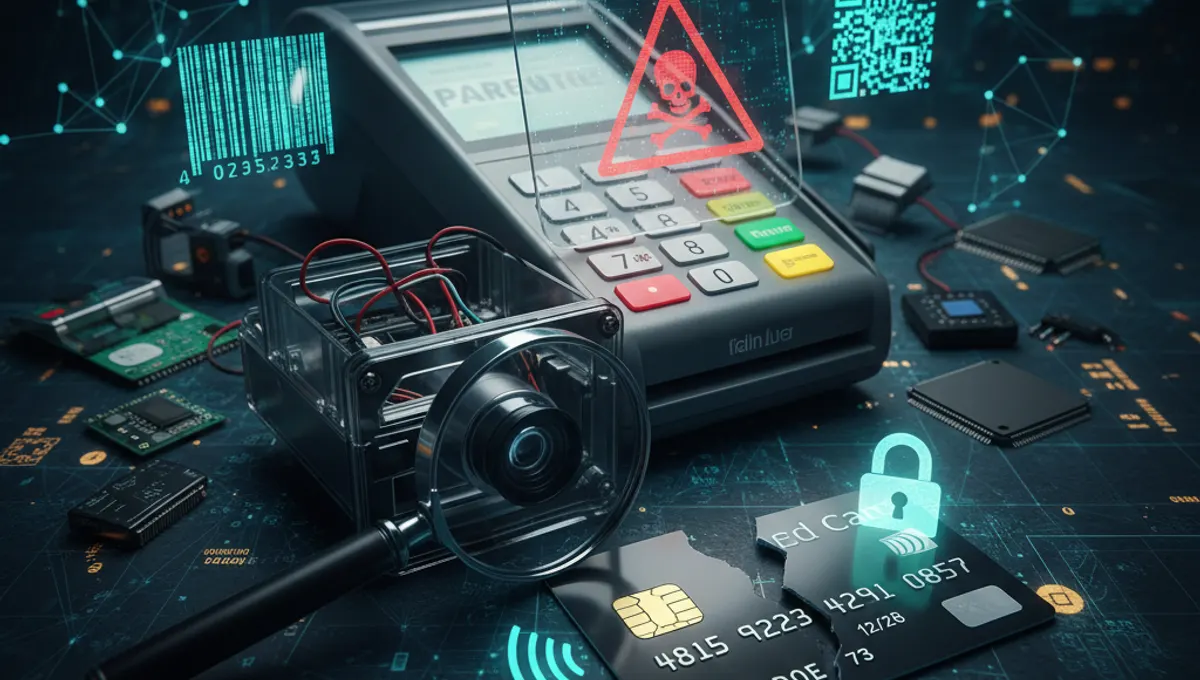
POS skimmers appear most frequently at gas pumps, ATMs, and retail checkout terminals. At gas pumps, criminals install overlay devices over the card slot that look identical to the original. ATM skimmers are placed on the card reader slot, often paired with hidden cameras to capture PIN entry. Retail environments like Walmart and other stores may have compromised terminals that have been internally modified or replaced. Bluetooth skimmers operate wirelessly and can be placed near checkout areas to intercept contactless payments. Physical inspection involves checking for loose, misaligned, or differently textured card slots. Look for devices that protrude unnaturally or have visible gaps. Some skimmers are so well-designed that they're nearly impossible to detect visually, which is why transaction monitoring and card alerts are equally important.
How to Detect Skimmers Through Physical Inspection
Start by examining the card slot before inserting your card. Gently tug on the card reader—legitimate parts are firmly attached, while skimmer overlays may wiggle or come loose. Compare the card slot to others nearby; skimmers often have slightly different colors, textures, or dimensions. Check for gaps between the card slot and the surrounding bezel. Look at the keypad: legitimate keypads are flush with the machine, while skimmers sometimes sit on top with visible edges. Inspect the area around the terminal for small cameras or holes that might record PIN entry. At gas pumps specifically, check that the cabinet door is sealed properly and hasn't been tampered with. If anything feels off—rough edges, misalignment, or an unusual appearance—use a different terminal or payment method. Trust your instincts; it's better to be cautious than to risk card compromise.
Detecting Bluetooth and Wireless Skimmers
Bluetooth skimmers operate silently and invisibly, making them harder to detect through visual inspection alone. These devices intercept contactless card signals and NFC payments from a distance, sometimes up to 10 feet away. Detection requires awareness rather than physical examination. If your phone's Bluetooth settings show unknown or suspicious devices near a checkout area, that's a warning sign. Some security tools can scan for rogue Bluetooth devices, though this requires technical knowledge. The most practical defense is avoiding contactless payments in high-risk environments like unfamiliar gas stations or outdoor ATMs. Use chip readers instead, which require physical insertion and are more resistant to wireless interception. Monitor your card statements closely for unauthorized charges, as wireless skimmers often test stolen data with small transactions before larger fraud attempts.
How Card Cloning Happens After Skimming
Once a skimmer captures card data, criminals extract the information and sell it on dark web marketplaces. Buyers purchase cloned card details, often bundled with PIN codes or CVV information. The data is then used to create physical clones using card writers and blank cards, or for direct online purchases and cash withdrawals. The dark web marketplace ecosystem operates through vendor reputation systems and escrow services, though these offer no buyer protection or legitimacy. Cloned cards are typically sold in batches, with prices varying based on card type, available data, and verification status. Some sellers offer "freshness guarantees," claiming the data was recently captured. Understanding this pipeline highlights why detecting skimmers early is critical—once your data enters the dark web, recovery becomes difficult. The lag between skimming and fraud detection can be weeks or months, during which criminals test and exploit your card.
Protecting Your Card: Detection and Prevention Methods
Active protection combines detection with preventive measures. Enable transaction alerts on your bank account so you're notified immediately of any charges. Review your statements weekly rather than monthly to catch fraud early. Use virtual card numbers for online purchases—many banks offer temporary card numbers that expire after one use or a set period. Opt for contactless or tokenized payments when available, as these don't expose your actual card number. At physical terminals, use chip readers instead of magnetic stripe when possible; chip technology is more secure. Consider using a dedicated debit card with a low balance for gas and ATM transactions, limiting exposure if it's compromised. Avoid using ATMs in isolated locations or unfamiliar establishments. Cover the keypad when entering your PIN. If you notice signs of tampering, report it to the business or bank immediately and use an alternative payment method.
What to Do If Your Card Is Compromised or Skimmed
If you discover unauthorized charges, contact your bank immediately. Most banks have fraud departments available 24/7. Report the specific transactions and request a dispute. Under consumer protection laws in most jurisdictions, you're typically not liable for fraudulent charges if reported promptly, though timelines vary. Your bank will issue a new card, usually within 5-10 business days. Request expedited shipping if you need it urgently. File a dispute for each fraudulent transaction; the bank will investigate and typically credit your account within 30-60 days while the investigation proceeds. Keep documentation of all communications and charges. If your card was used for large purchases or cash withdrawals, consider filing a report with local law enforcement, though recovery is unlikely. Monitor your credit report for signs of identity theft. Place a fraud alert with credit bureaus if you suspect your personal information was compromised beyond just the card number. Check your other accounts for suspicious activity, as criminals often test stolen credentials across multiple services.
Frequently asked questions
Can you detect a skimmer just by looking at an ATM or gas pump
Partial detection is possible through visual inspection. Check for loose card slots, misaligned bezels, protruding overlays, and color mismatches. However, modern skimmers are designed to be nearly invisible, so visual inspection alone isn't reliable. Combine it with transaction monitoring and choosing well-maintained terminals in busy locations.
What's the difference between a skimmer and a shimmer
Skimmers capture data from magnetic stripes or wireless signals outside the terminal. Shimmers are thin devices inserted inside the card slot that intercept EMV chip data during transactions. Shimmers are harder to detect visually because they're hidden inside the terminal. Both methods steal card information for cloning.
How quickly can a cloned card be used after skimming
Criminals often test stolen card data within hours of capture, starting with small transactions to verify the card works before attempting larger purchases. Some fraudulent charges appear within 24 hours, while others may take weeks. This is why monitoring your statements closely and enabling transaction alerts is critical.
Are contactless payments safer from skimmers
Contactless payments are vulnerable to Bluetooth skimmers that intercept wireless signals from a distance. However, they're safer from physical skimmers at terminals since no card insertion is required. For maximum security, use chip readers when available, enable transaction alerts, and monitor your statements regardless of payment method.
What should I do if I suspect I've been skimmed
Contact your bank immediately and report any suspicious charges. Request a new card and monitor your account closely for additional fraud. File disputes for unauthorized transactions. Check your credit report for identity theft signs. If the skimmer was at a business, report it to the establishment and local authorities so others can be warned.