What Is a Gas Skimmer and How Does It Capture Card Data
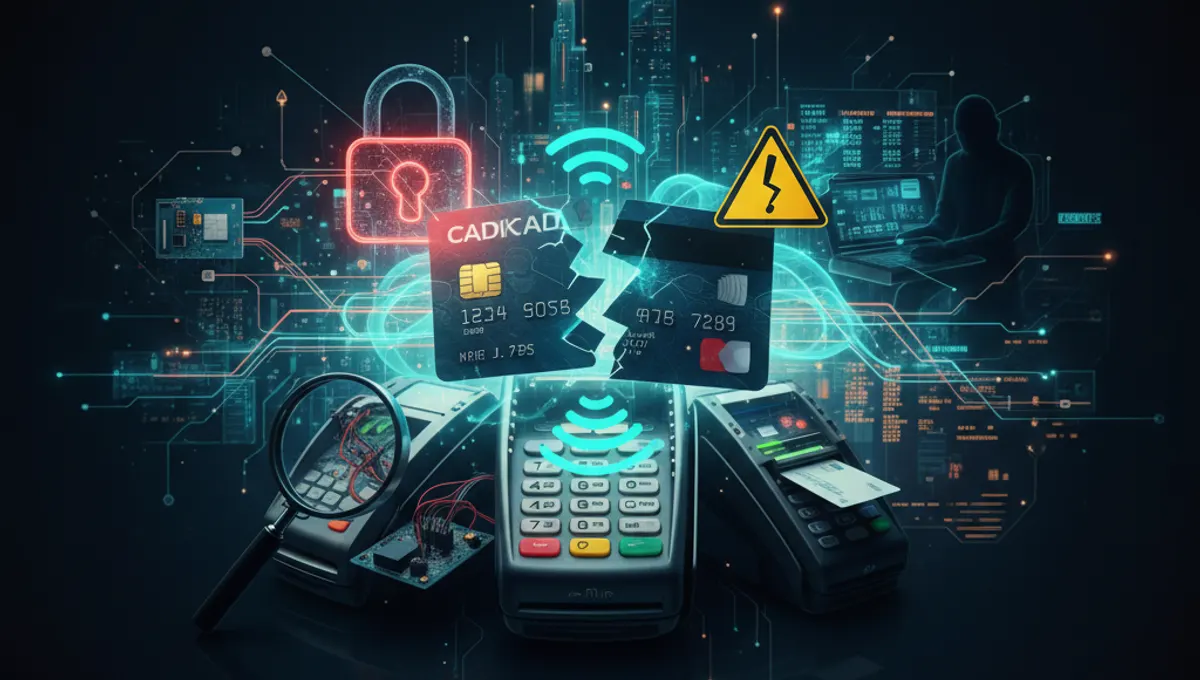
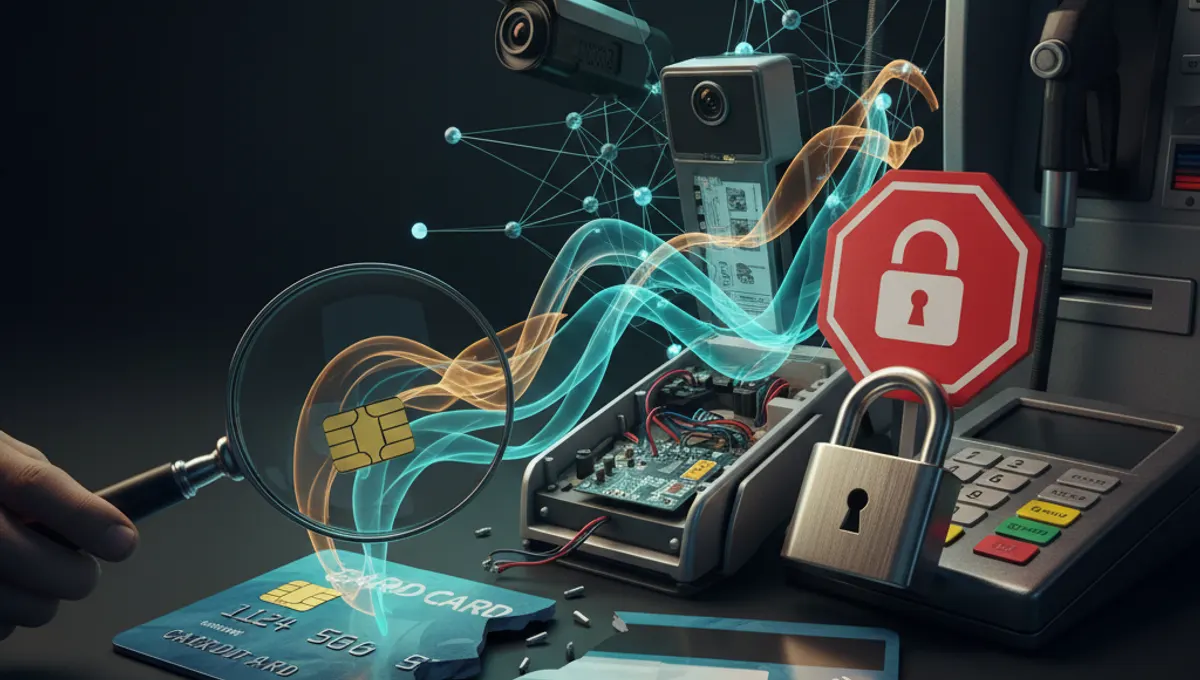
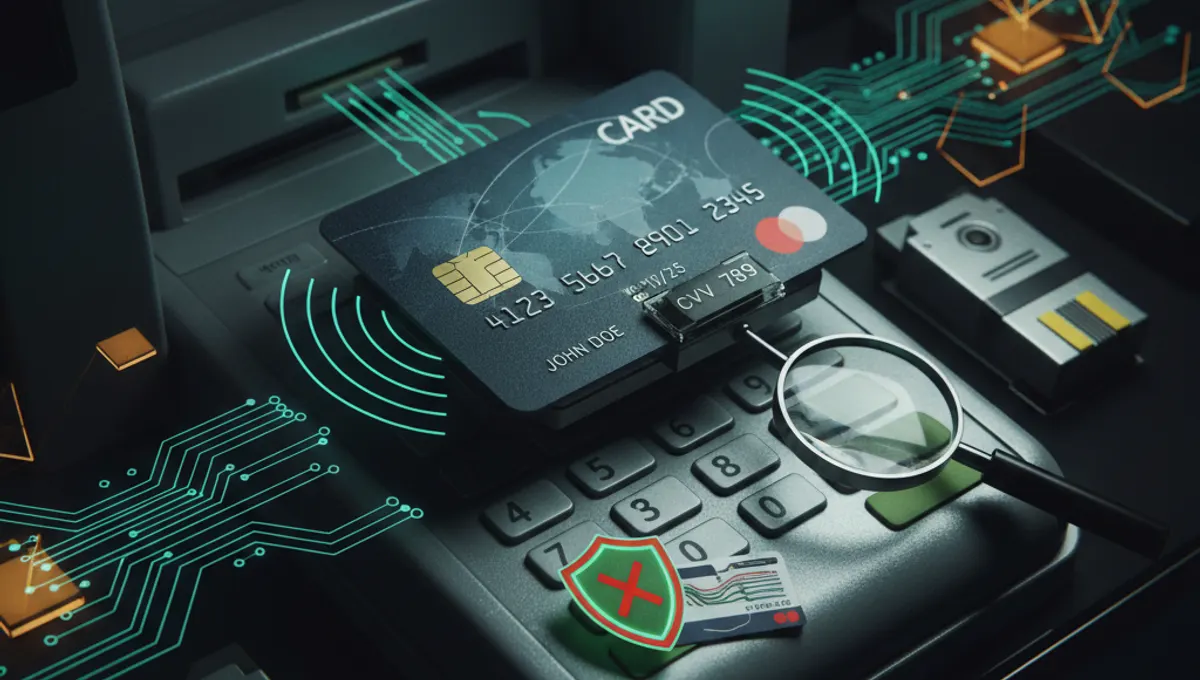
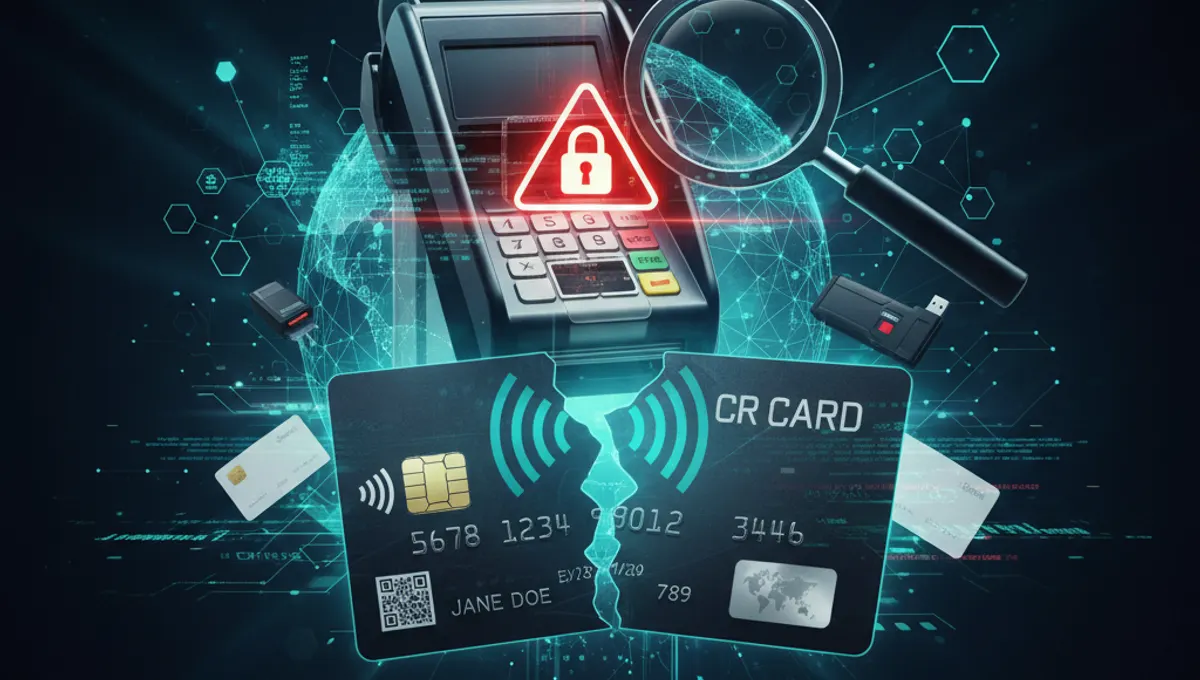
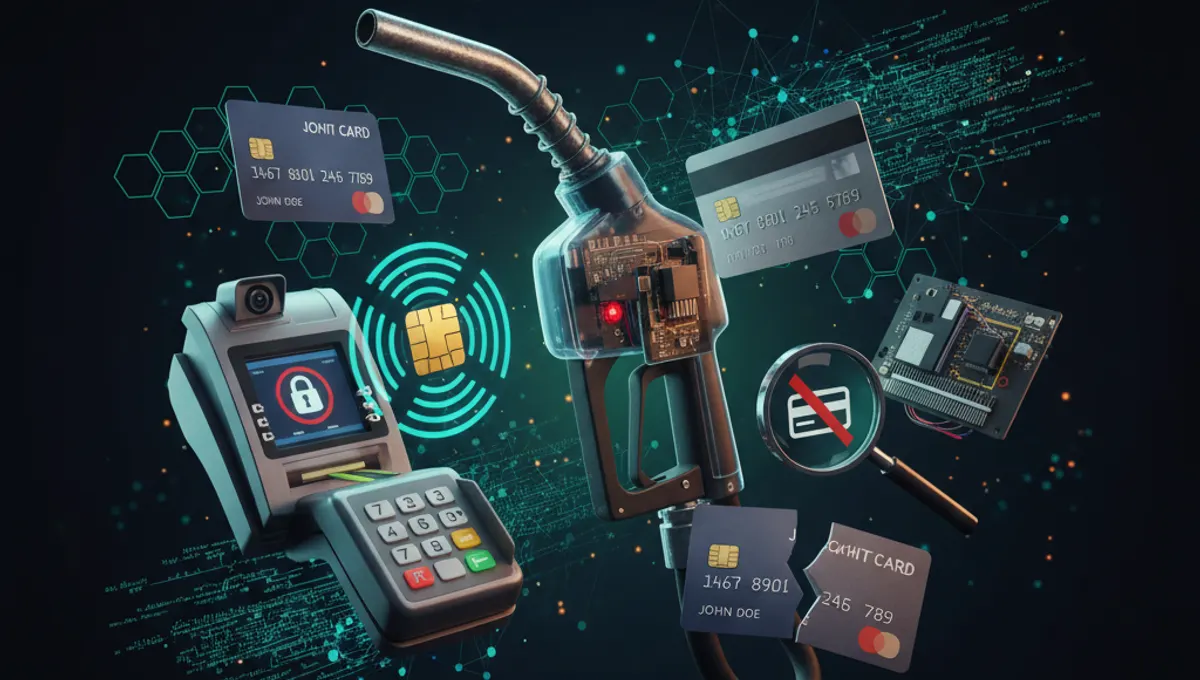
A gas pump skimmer is a thin electronic device placed inside the card reader slot of a fuel pump or attached externally to intercept card information during transactions. The device reads and stores the magnetic stripe data from your card—including the card number, expiration date, and sometimes the CVV. Gas station skimmers work because they sit between your card and the legitimate reader, capturing data before it reaches the pump's system. Unlike EMV chip readers, which encrypt data and are harder to clone, magnetic stripe data is static and can be copied onto blank cards. Shimming is a related technique where a thin device is inserted into chip readers to intercept the handshake between your card and the terminal. Both methods target the same goal: harvesting card credentials for resale on underground markets.
How Cloned Cards Are Created From Skimmed Gas Station Data
Once a gas skimmer captures your card data, that information is extracted and sold to carding operations on the dark web. Criminals use specialized equipment called card writers or cloners to encode the stolen data onto blank plastic cards or prepaid cards with magnetic stripes. The cloned card replicates your legitimate card's credentials, allowing the fraudster to make purchases or withdraw cash at ATMs. The process is straightforward because magnetic stripe technology does not verify the cardholder's identity—only the encoded data matters. A gas card skimmer can compromise dozens or hundreds of cards during its operational period before detection. The stolen data remains valuable for weeks or months, depending on how quickly victims discover unauthorized charges and banks issue card replacements.
The Dark Web Marketplace for Cloned Cards and Stolen Data
Dark web marketplaces operate as forums and storefronts where vendors sell cloned cards, card data dumps, and related fraud tools. Sellers list cards by type (Visa, Mastercard, American Express), issuing bank, and balance or credit limit. Buyers use cryptocurrency to purchase cards in bulk or individually, often receiving the card number, expiration date, CVV, and cardholder name. Some vendors offer fullz—complete identity packages including address, phone, and social security number—to facilitate identity theft alongside card fraud. The marketplace operates on reputation systems similar to legitimate e-commerce platforms, with seller ratings and buyer reviews. Transactions are conducted through encrypted messaging, and disputes are resolved by marketplace administrators. Law enforcement agencies worldwide monitor these platforms, but the decentralized nature and use of cryptocurrency make enforcement difficult. Prices for cloned cards vary based on card type, available balance, and issuing country, with some cards selling for a fraction of their actual value.
Legal Consequences of Possessing or Using Cloned Cards
Possessing a cloned card or stolen card data is illegal in most jurisdictions and constitutes fraud, identity theft, or access device fraud depending on local law. In the United States, federal law prohibits the possession of counterfeit access devices and unauthorized use of credit card information. Penalties depend on the jurisdiction and specific charges filed but typically include felony convictions, imprisonment, substantial fines, and restitution to victims. State laws vary in how they categorize card fraud—some treat it as identity theft, others as wire fraud or computer fraud. International jurisdictions have similar prohibitions under their respective financial crime statutes. Using a cloned card at a gas pump or retail location elevates charges from possession to actual fraud, which carries more severe penalties. Purchasing cloned cards on dark web marketplaces can result in charges related to conspiracy, money laundering, and receiving stolen property. Conviction records for fraud offenses can result in permanent employment barriers, housing discrimination, and civil liability.
How to Detect a Gas Pump Skimmer Before Using It
Before inserting your card at any gas pump, inspect the card reader slot for signs of tampering. A gas pump skimmer may appear as a loose or raised panel, misaligned plastic, or a reader that feels different from adjacent pumps. Check if the pump's faceplate is secure and flush with the surrounding surface. Some skimmers are designed to be removable, so gently tug on the card reader to see if it moves or comes loose. Look for evidence of glue, scratches, or discoloration around the slot. Modern gas pumps often have security seals or tamper-evident tape—if these are broken or missing, report it to the station attendant. Use pumps closer to the station entrance, as they are monitored more frequently. If you notice anything suspicious, use a different pump or pay inside with cash or a contactless payment method. Report suspected skimmers to the gas station manager and local law enforcement.
Protecting Your Card: Contactless Payments and Virtual Cards
Contactless payment methods and virtual card numbers reduce your exposure to gas pump skimmers because they do not transmit your actual card data to the terminal. Tap-to-pay and mobile wallet systems (Apple Pay, Google Pay) use tokenization, which replaces your real card number with a unique, one-time transaction code. Virtual card numbers generated by your bank or credit card issuer are temporary numbers linked to your account that expire after a single transaction or a set time period. These methods prevent skimmers from capturing usable card data because the compromised information cannot be replayed or cloned. Enable transaction alerts on your bank account so you receive notifications for any unauthorized charges immediately. Use credit cards rather than debit cards for fuel purchases, as credit card fraud liability is limited by federal law, while debit card protections are weaker. Monitor your credit reports regularly through official channels to detect identity theft early. Consider freezing your credit with the three major bureaus if you suspect your personal information has been compromised.
What to Do If Your Card Data Has Been Compromised
If you discover unauthorized charges on your card or suspect your data was captured by a gas skimmer, contact your bank or credit card issuer immediately. Report the fraudulent transactions and request a card replacement. Most banks issue replacement cards within 5 to 10 business days, though some offer expedited delivery. File a dispute for each unauthorized charge; the bank will investigate and typically issue a provisional credit within 10 days while the dispute is pending. Under federal law, your liability for unauthorized credit card charges is limited to 50 dollars if you report the fraud promptly. Debit card fraud has weaker protections, so report unauthorized debit transactions as soon as possible to minimize liability. File a report with the Federal Trade Commission at IdentityTheft.gov if your personal information was compromised. Request a free credit report from AnnualCreditReport.com and review it for accounts you did not open. Place a fraud alert with the credit bureaus to prevent criminals from opening new accounts in your name. Consider enrolling in credit monitoring or identity theft protection services offered by your bank.
Frequently asked questions
How can I tell if a gas pump has a skimmer installed
Inspect the card reader slot for loose panels, misaligned plastic, or evidence of tampering such as glue or scratches. Gently tug on the reader to check if it moves or detaches. Compare the pump to adjacent ones to spot differences. Check for broken security seals or tamper-evident tape. If anything seems off, use a different pump and report it to the station attendant.
What happens to my card data after a gas skimmer captures it
Skimmed card data is extracted and sold on dark web marketplaces where criminals purchase it. The data is encoded onto blank cards using card cloning equipment, creating counterfeit versions of your card. Fraudsters then use these cloned cards to make purchases or withdraw cash. Your data may be sold individually or as part of a bulk dump to multiple buyers.
Is it illegal to buy cloned cards on the dark web
Yes. Purchasing cloned cards is illegal and constitutes fraud, identity theft, or access device fraud depending on your jurisdiction. Possession of cloned cards or stolen card data is a felony in most places. Conviction can result in imprisonment, substantial fines, restitution, and a permanent criminal record affecting employment and housing.
How long does it take to get a replacement card after fraud is reported
Most banks issue replacement cards within 5 to 10 business days. Some banks offer expedited delivery for an additional fee. Your bank will typically issue a provisional credit for unauthorized charges within 10 days while investigating the dispute. You should receive a permanent resolution within 45 to 60 days depending on the complexity of the case.
What payment methods are safest at gas pumps to avoid skimmers
Contactless payments like tap-to-pay, Apple Pay, and Google Pay are safest because they use tokenization and do not transmit your actual card number. Virtual card numbers generated by your bank are also secure because they expire after one transaction. Paying inside the station with cash eliminates skimming risk entirely. Credit cards offer better fraud protection than debit cards.