What Is a Gas Pump Skimmer Device
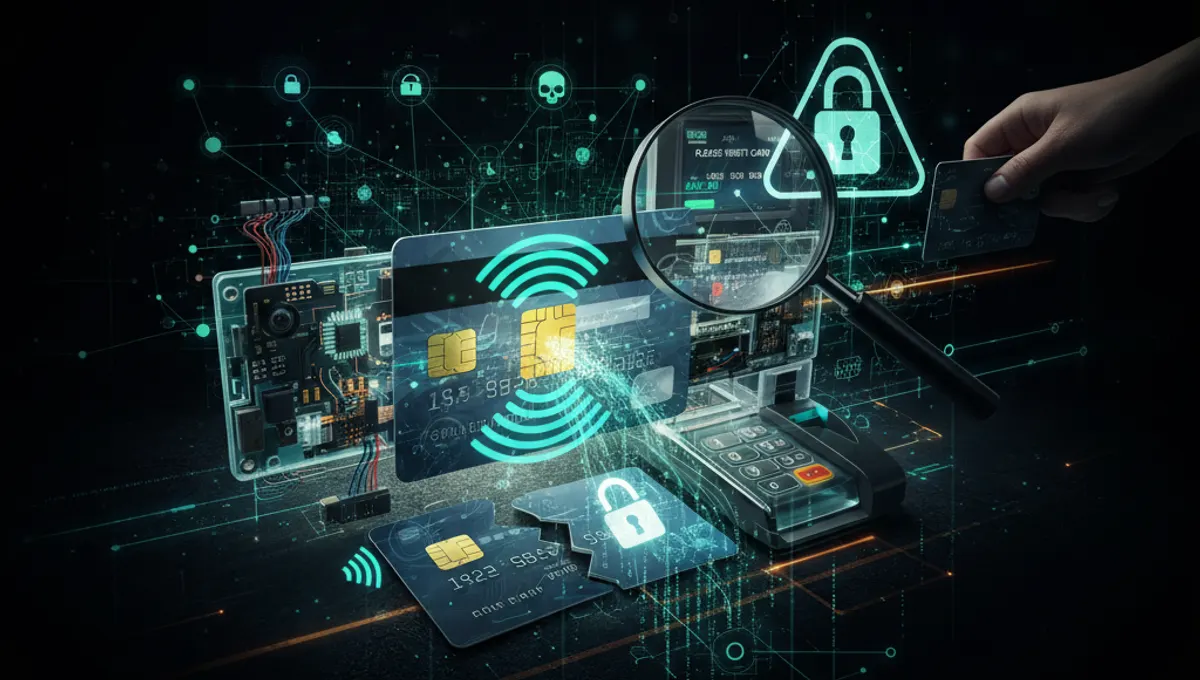
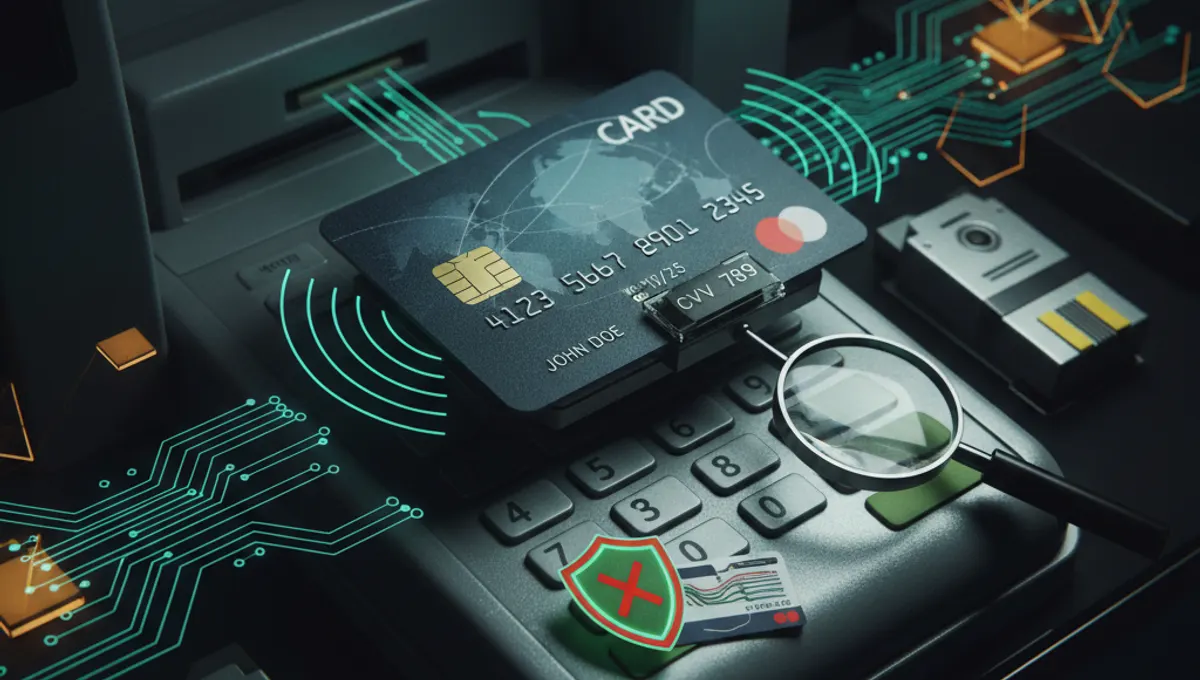
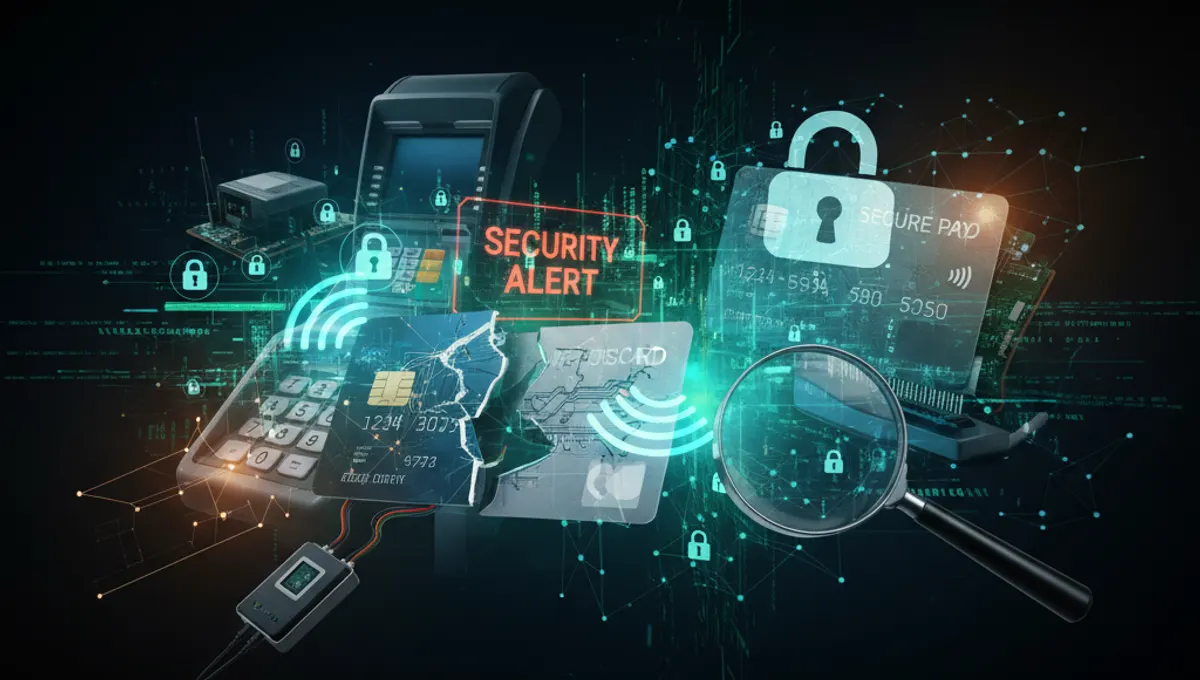
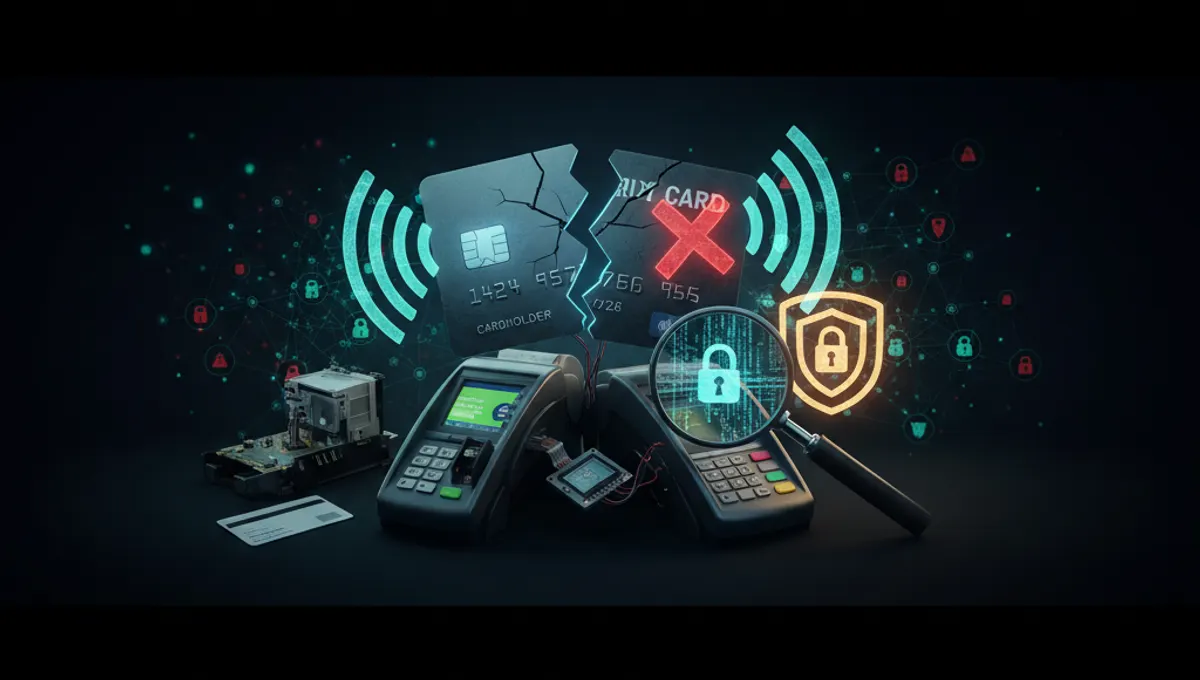
Gas pump skimmer devices are specialized hardware designed to intercept card information at the point of sale. They operate through two primary methods: physical insertion into the card slot mechanism or wireless interception of card data transmission. Internal skimmers are placed within the pump's card reader slot and capture the magnetic stripe data as your card passes through. External overlays fit over the legitimate card reader and function similarly. Bluetooth-enabled skimmers transmit captured data wirelessly to a nearby receiver, allowing thieves to collect information without returning to the pump. These devices target the magnetic stripe data on older cards or exploit vulnerabilities in EMV chip readers that still process magnetic stripe fallback transactions. The stolen data includes the cardholder's name, card number, expiration date, and CVV, which criminals then use to create cloned cards or conduct fraudulent transactions.
How Skimmed Card Data Enters the Cloned Card Ecosystem
Once a gas pump skimmer device captures card information, the data flows into a structured underground economy. Thieves sell the stolen card details on dark web marketplaces, where they are purchased by other criminals who specialize in card cloning. These marketplaces operate as vendor platforms where sellers list batches of card data with details about the card type, issuing bank, and balance status. Buyers acquire this data to create physical cloned cards using card writers and blank plastic cards, or to conduct card-not-present fraud online. The pricing varies based on card validity, balance, and geographic origin. Some vendors offer guarantees or replacement policies if cards prove invalid. This ecosystem thrives because of the anonymity provided by dark web infrastructure and cryptocurrency payments, which obscure transaction trails. The entire process from skimming to fraudulent use typically occurs within days or weeks.
What to Look for When Checking a Gas Pump
Before inserting your card, inspect the pump's card reader slot for signs of tampering. Check if the card slot bezel appears loose, misaligned, or sits at an unusual angle compared to the pump's body. Run your fingers around the edges of the reader to detect any raised plastic or overlay that feels different from the pump's surface. Look for visible gaps between the card reader and the surrounding plastic housing. Examine the pump's exterior for fresh adhesive residue, scratches, or paint inconsistencies that suggest recent installation of a skimmer. Check if the pump appears to have been recently serviced or if the tamper-evident seals are broken. Some gas pump skimmers are designed to be nearly invisible, so even a well-maintained pump can contain hidden hardware. If anything feels wrong or unusual, use a different pump or payment method. Modern gas pump atm skimmers are increasingly sophisticated, making visual detection alone unreliable.
Legal Consequences of Possessing or Using Cloned Cards
Possession of a cloned card or skimming device carries serious criminal liability. Charges typically fall into categories including fraud, identity theft, and device-based fraud offenses. Specific penalties depend on jurisdiction, but federal law in the United States treats unauthorized access to card data and fraudulent use as felonies. Possession of skimming hardware or cloned cards can result in charges under the Computer Fraud and Abuse Act or state-level fraud statutes. Using a cloned card constitutes wire fraud and identity theft, which carry prison sentences and substantial fines. Even purchasing cloned cards on dark web marketplaces constitutes fraud conspiracy and money laundering. Conviction records impact employment, housing, and financial opportunities permanently. Restitution to victims is typically ordered alongside criminal penalties. International jurisdictions have comparable statutes, and extradition treaties mean that committing these crimes across borders does not guarantee immunity.
How Card Data Is Bought and Sold on Dark Web Marketplaces
Dark web marketplaces operate as vendor platforms where stolen card data is listed, priced, and sold using cryptocurrency. Buyers access these sites through Tor browsers, which provide anonymity but do not guarantee safety or legality. Sellers post card batches with metadata including card type, issuing bank, country of origin, and reported balance. Pricing reflects card validity rates and perceived risk; premium cards with high balances command higher prices. Transactions occur in escrow, where the marketplace holds cryptocurrency until the buyer confirms receipt and validity of the card data. Vendors often offer replacement guarantees if cards prove invalid within a specified timeframe. Communication occurs through encrypted messaging systems built into the marketplace. Law enforcement agencies actively monitor these platforms and conduct undercover operations to identify and prosecute buyers and sellers. Purchasing cloned cards or card data constitutes federal crime regardless of the buyer's intended use.
Protecting Your Card from Gas Pump Skimmers
Use contactless payment methods when available, as they transmit encrypted tokenized data rather than raw card numbers. Enable real-time transaction alerts through your bank's mobile app to detect fraudulent charges immediately. Consider using virtual card numbers generated by your bank or third-party services for online and fuel purchases. Pay inside the station with a cashier rather than at the pump to eliminate skimmer exposure. Monitor your bank and credit card statements weekly for unauthorized transactions. Use credit cards instead of debit cards when possible, as credit card fraud liability is capped at 50 dollars under federal law, while debit card fraud liability is higher. Enable two-factor authentication on your banking accounts. Request fraud alerts from credit bureaus if you suspect your data has been compromised. Check your credit reports annually through official channels to detect unauthorized accounts opened in your name.
What to Do If Your Card Information Is Compromised
Contact your card issuer immediately upon discovering unauthorized charges or suspecting data compromise. Request a new card with a different number and ask the issuer to reverse fraudulent transactions. File a dispute for each unauthorized charge; most issuers process disputes within 30 to 60 days and issue provisional credits within 10 business days. Report the fraud to the Federal Trade Commission through IdentityTheft.gov, which creates an official record. Place a fraud alert with the three major credit bureaus to prevent criminals from opening new accounts in your name. Consider placing a credit freeze if you believe your personal information has been widely compromised. Document all communications with your bank and credit bureaus. Monitor your credit reports closely for months after the incident. If the compromise involved your Social Security number or personal identifying information, consider identity theft protection services. Report the gas pump skimmer to the fuel station management and local law enforcement.
Frequently asked questions
How does a Bluetooth gas pump skimmer transmit stolen card data?
A Bluetooth-enabled gas pump skimmer captures card information as it passes through the reader, then transmits the data wirelessly to a nearby receiver operated by the thief. The receiver can be positioned within 30 to 100 feet of the pump, allowing criminals to collect data without physically returning to remove hardware. This method is faster and reduces the risk of detection compared to internal skimmers that require retrieval.
What is the difference between a cloned card and a skimmed card?
A skimmed card is the original card whose data was captured by a skimmer device. A cloned card is a new card created using the stolen data from the skimmed card. Criminals use skimmers to obtain data, then use that data to produce cloned cards that function like the original for fraudulent purchases. The original cardholder may never know their card was skimmed if the cloned card is used instead.
Can EMV chip readers prevent gas pump skimmer attacks?
EMV chip technology is more secure than magnetic stripe data, but many gas pumps still support magnetic stripe fallback for older cards or compatibility reasons. Skimmers can exploit this fallback to capture magnetic stripe data. Additionally, some skimmers target the EMV chip reader itself or intercept data during the transaction process. Contactless and tokenized payments offer stronger protection than either magnetic stripe or chip-only transactions.
How quickly can stolen gas pump card data be used to create cloned cards?
Stolen card data can be used to create cloned cards within hours or days. Once data is sold on dark web marketplaces, buyers acquire card writers and blank cards to produce physical clones. Card-not-present fraud using the stolen data can occur even faster, sometimes within minutes of the initial skimming. This is why immediate detection and card cancellation are critical.
What should I do if I notice a loose card reader at a gas pump?
Do not insert your card into a loose or suspicious card reader. Use a different pump at the same station or visit another fuel station entirely. Report the suspicious pump to the station attendant or manager immediately. If you have already used the pump, contact your card issuer to monitor for fraud and consider requesting a new card as a precaution.