What Is a Gas Pump Skimmer Device
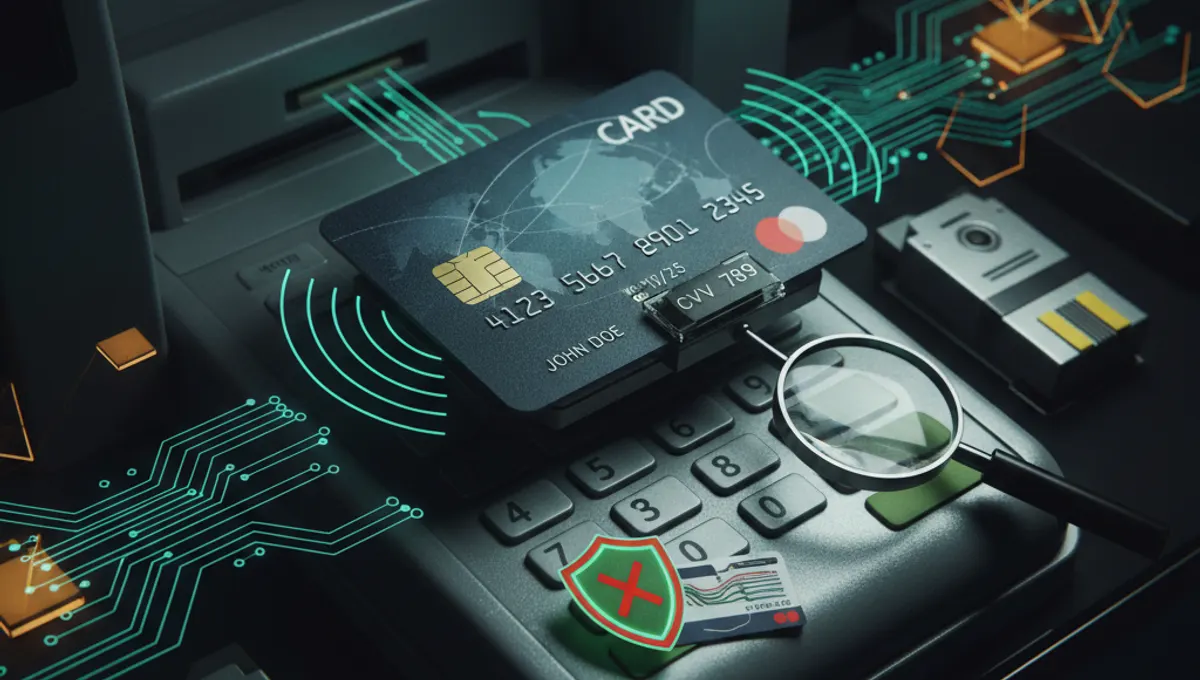
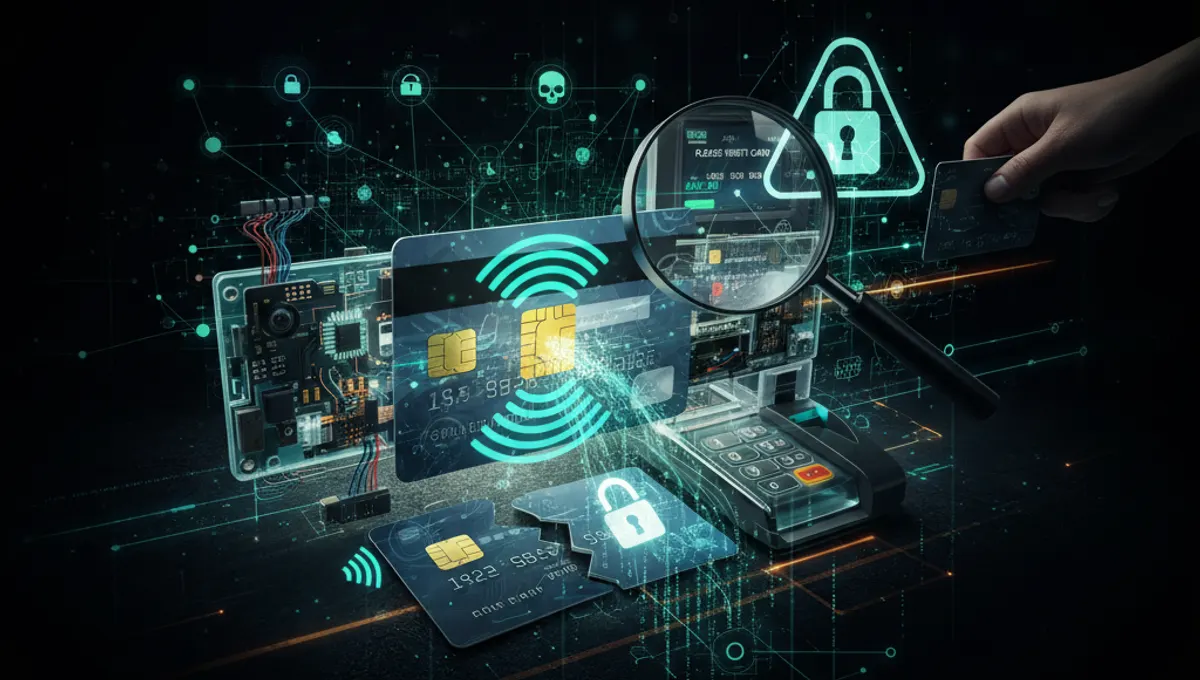
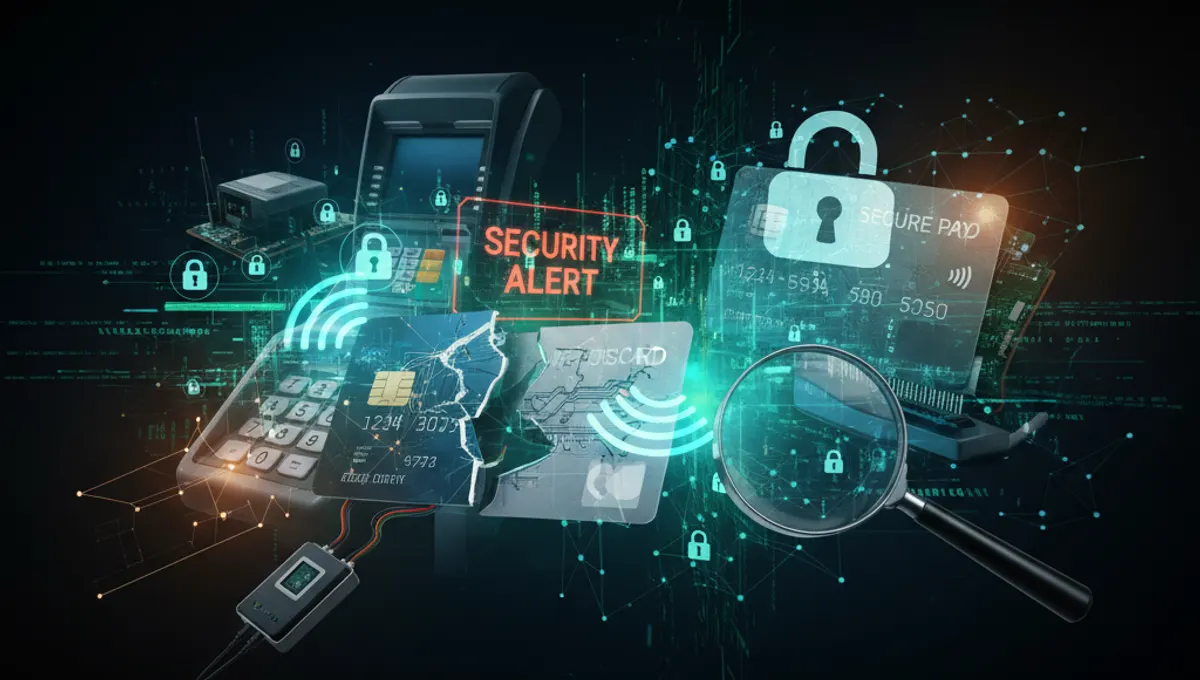
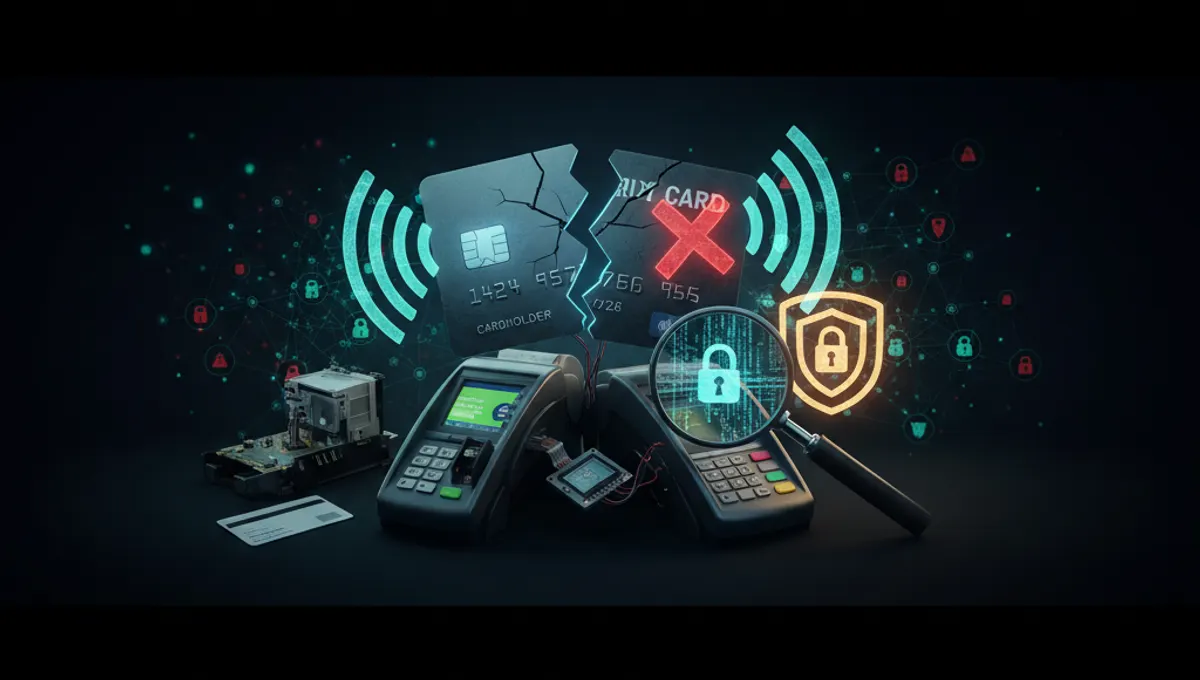
A gas pump skimmer is a thin electronic device placed over or inside the card slot of a fuel pump or ATM. The device captures the magnetic stripe data or chip information from your card as it passes through. Some gas pump skimmers operate via Bluetooth, transmitting stolen data wirelessly to a nearby receiver held by the criminal. Others store data internally and must be physically removed to retrieve it. The skimmer sits between the legitimate card reader and your card, intercepting the transaction data before it reaches the pump's legitimate system. Modern skimmers are designed to be nearly invisible—they may match the color and texture of the pump or be inserted deep within the card slot. The stolen data typically includes your card number, expiration date, and sometimes the CVV, which is sufficient for criminals to create cloned cards or sell the information to other fraudsters.
How Cloned Cards Are Created From Skimmed Data
When a skimmer captures your card data, criminals use that information to create a cloned card—a duplicate with the same magnetic stripe or chip data as your original. Cloning involves writing the stolen data onto a blank card using specialized equipment. The cloned card functions identically to your legitimate card for in-person transactions, especially at unattended terminals like fuel pumps or ATMs that rely solely on magnetic stripe reading. Cloned cards cannot typically be used for online purchases because they lack the physical card and the CVV verification process is more stringent. However, they are highly valuable for point-of-sale fraud at gas stations, convenience stores, and other retail locations. The cloning process itself is straightforward once the data is obtained, which is why skimmed data is so profitable on the dark web. Criminals may clone a single card multiple times and distribute the clones to different fraud networks, multiplying the damage from a single skimming incident.
The Dark Web Cloned Card Sales Ecosystem
Cloned cards and skimmed card data are actively bought and sold on dark web marketplaces. Sellers post card details—including the full magnetic stripe data, expiration date, and sometimes PIN information—organized by card type, bank, and country. Buyers range from individual fraudsters to organized crime networks. Prices vary based on card validity, balance, and the seller's reputation. The marketplace operates similarly to legitimate e-commerce platforms, with seller ratings, dispute resolution, and escrow services to reduce fraud between buyers and sellers. Transactions typically occur in cryptocurrency to maintain anonymity. Some sellers offer guarantees, claiming cards will work for a certain number of days or that they will replace invalid cards. The ecosystem thrives because demand remains high—cloned cards enable quick, relatively low-risk fraud compared to other cybercrime methods. Law enforcement agencies worldwide monitor these marketplaces, but the decentralized nature and constant creation of new sites make enforcement difficult.
What to Look for to Detect a Gas Pump Skimmer
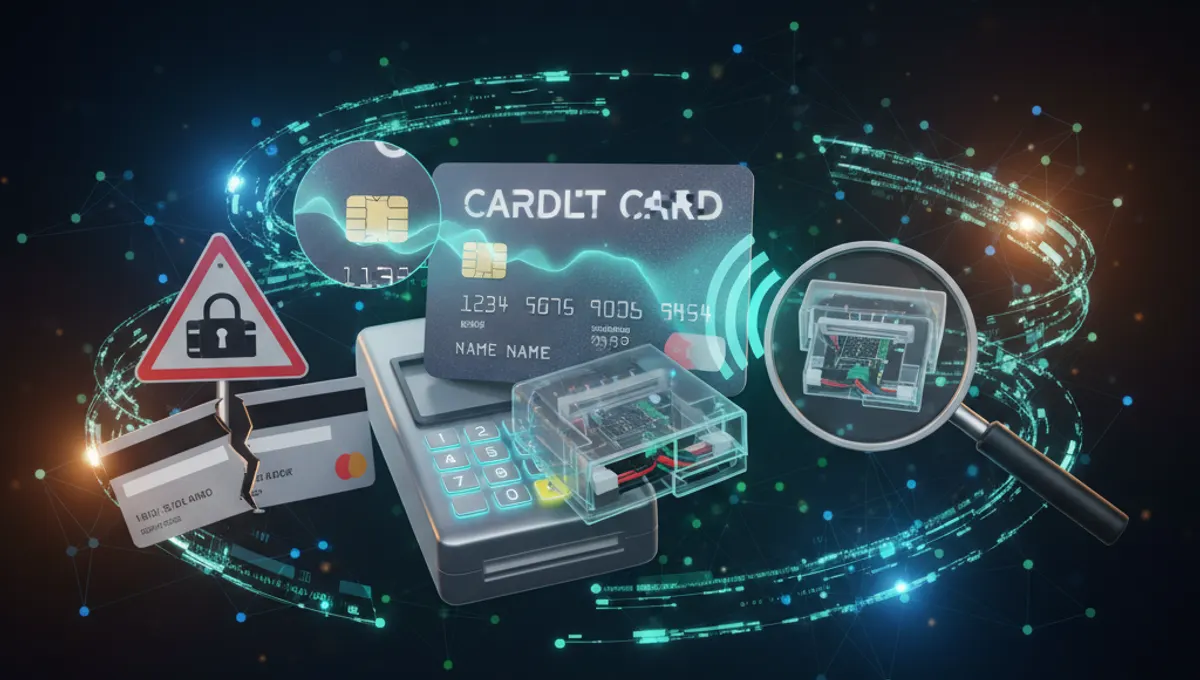
Before inserting your card at a gas pump, inspect the card slot and surrounding area for signs of tampering. Look for loose, misaligned, or discolored card readers that don't match the rest of the pump. Run your fingers around the card slot—a skimmer may feel raised or have a slightly different texture than the pump's surface. Check if the card slot appears to have been pried open or if there are visible gaps. Some skimmers are designed to be removable, so gently tug on the card reader to see if it moves or comes loose. Examine the PIN pad for similar signs of tampering or replacement. Be cautious of pumps that appear older or poorly maintained, as they may be easier targets for skimmer installation. If something feels off or looks unusual, use a different pump or go inside to pay with cash or a contactless payment method. Gas pump skimmers with Bluetooth capability are harder to detect visually, so your best defense is to avoid using the same pump repeatedly and monitor your account for unauthorized charges.
Legal Consequences of Possessing or Using Cloned Cards
Possessing a cloned card or using one to make fraudulent purchases constitutes multiple serious crimes in most jurisdictions. Charges typically include fraud, identity theft, and unauthorized use of a payment card. Penalties vary significantly by jurisdiction and the amount of money involved, but can include substantial fines and imprisonment. In the United States, federal wire fraud and access device fraud statutes carry penalties up to 15 years in prison. Using a cloned card to make purchases is treated as theft and fraud, with sentences depending on the total amount stolen and the defendant's criminal history. Possession of skimming equipment or devices designed to capture card data is itself illegal in many places, even without evidence of actual use. International jurisdictions have similar laws, though specific penalties differ. Conviction for card fraud can result in a permanent criminal record, affecting employment, housing, and financial opportunities. Additionally, civil liability may apply, with victims or financial institutions pursuing restitution. The consequences extend beyond criminal penalties—financial institutions may ban individuals convicted of fraud from opening new accounts.
How to Protect Your Card From Skimmers
Use contactless or chip-enabled payment methods whenever possible, as these technologies are significantly harder to clone than magnetic stripe cards. Chip readers require a dynamic code that changes with each transaction, making the data useless for creating cloned cards. Contactless payments use tokenization, where your actual card number is never transmitted. Monitor your bank and credit card statements regularly for unauthorized charges, and set up transaction alerts through your financial institution's app or website. Consider using virtual card numbers for online purchases—many banks and credit card companies offer single-use card numbers that expire after one transaction. At gas pumps specifically, pay inside with cash or use a contactless method rather than swiping at the pump. If you must use a card at a pump, use one with fraud protection and a low balance or credit limit. Avoid using debit cards at unattended terminals like gas pumps, as debit fraud can drain your account directly. Keep your PIN private and cover the keypad when entering it. Report any suspicious activity to your bank immediately to minimize liability.
What to Do If Your Card Data Has Been Compromised
If you notice unauthorized charges on your statement or suspect your card data has been skimmed, contact your bank or credit card issuer immediately. Most financial institutions have fraud departments available 24/7. Report the specific unauthorized transactions and request that your card be cancelled and replaced. File a dispute for each fraudulent charge—the bank will typically initiate an investigation and issue a provisional credit while they verify the claim. Provide the bank with details about where you last used the card and when you first noticed the fraud. Request a new card with a different number, and avoid using the compromised card for any further transactions. Check your credit report through official channels to ensure no new accounts have been opened in your name. If your PIN was compromised, change it immediately on your replacement card. Keep documentation of all communications with your bank, including case numbers and the names of representatives you speak with. Refund timelines vary by institution and dispute type, but federal regulations typically require resolution within 45 to 90 days. If the bank denies your dispute, you have the right to escalate the complaint to your country's financial regulatory authority.
Frequently asked questions
Can a gas pump skimmer steal my PIN
Some advanced skimmers include a hidden camera or overlay keypad designed to capture your PIN as you enter it. However, most basic skimmers only capture the magnetic stripe or chip data. If a skimmer records your PIN along with your card number, criminals can use the cloned card at ATMs to withdraw cash directly from your account. This is why covering the keypad when entering your PIN is important, even at legitimate terminals.
How do I know if my card has been cloned
Signs of card cloning include unauthorized charges on your statement, especially at locations you did not visit. You may see multiple small charges (test transactions) before larger fraudulent purchases. Your bank may contact you about suspicious activity. If you receive a call from your card issuer asking about recent transactions you don't recognize, your card has likely been compromised. Check your statement weekly and enable transaction alerts to catch fraud quickly.
Are chip cards immune to skimmers
Chip cards are much more resistant to cloning than magnetic stripe cards because they generate a unique code for each transaction. However, older chip readers that fall back to magnetic stripe reading if the chip fails can still be vulnerable. Additionally, criminals can still skim your card number and expiration date, though they cannot complete transactions without the dynamic chip data. Contactless chip payments offer the best protection against skimming.
What should I do if I find a skimmer on a gas pump
Do not attempt to remove the device yourself. Instead, report it immediately to the gas station attendant or manager and provide a detailed description of its location and appearance. Contact your local police non-emergency line to file a report. If you used that pump, monitor your accounts closely for fraud and consider contacting your bank preemptively to alert them to potential compromise. Take a photo if safe to do so, but prioritize your safety and privacy.
Can I get my money back if I used a cloned card unknowingly
If you are the victim of fraud (your card was skimmed and used without your authorization), your bank is typically required to refund unauthorized charges under consumer protection laws. However, if you knowingly used a cloned card or purchased one, you have no legal recourse and may face criminal charges. Always report suspected fraud to your bank immediately to establish that you are the victim, not the perpetrator.