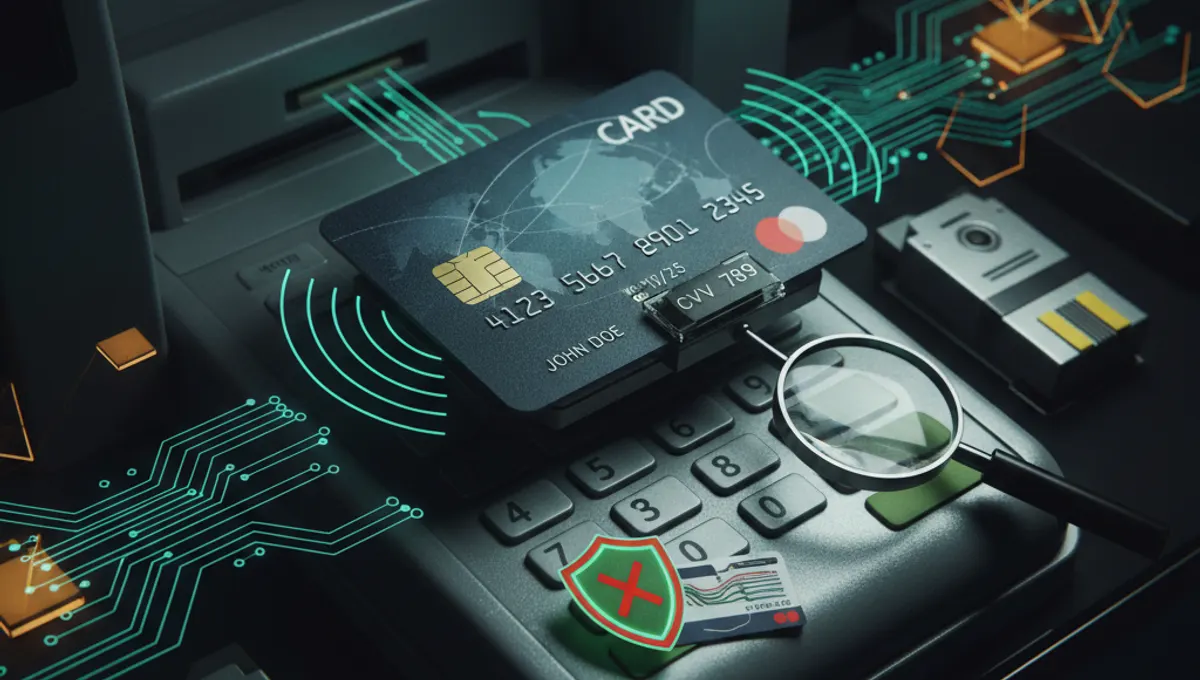
What Is a Gas Pump Skimmer and How Does It Work
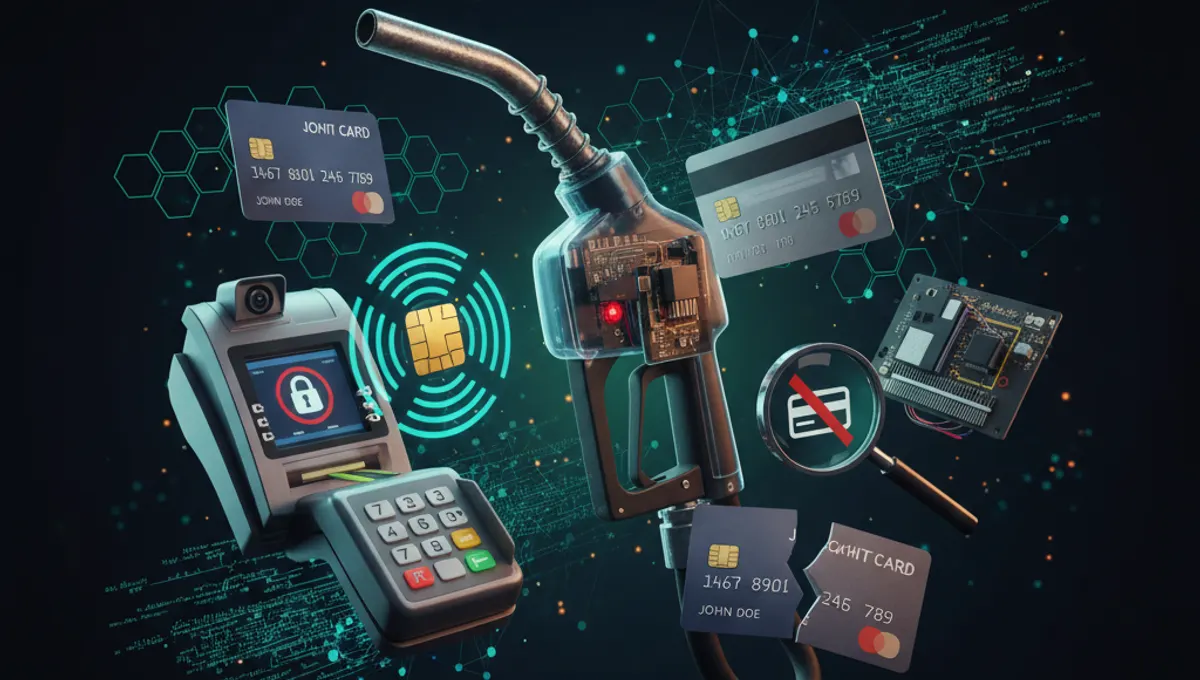
A gas pump skimmer is a physical device placed inside or attached to a fuel pump's card reader slot. It captures the magnetic stripe data from your card as you swipe or insert it. Some skimmers also include a hidden camera or keypad overlay to record your PIN. The device stores this data internally or transmits it wirelessly via Bluetooth to a nearby receiver. Skimmers in gas pumps are particularly effective because they operate unattended and process hundreds of transactions daily. The stolen card data is later extracted and either used for fraudulent purchases or sold on underground marketplaces. Unlike ATM skimmers, gas pump skimmers must be compact enough to fit inside the pump's card slot without blocking normal operation.
Physical Signs of a Gas Pump Skimmer
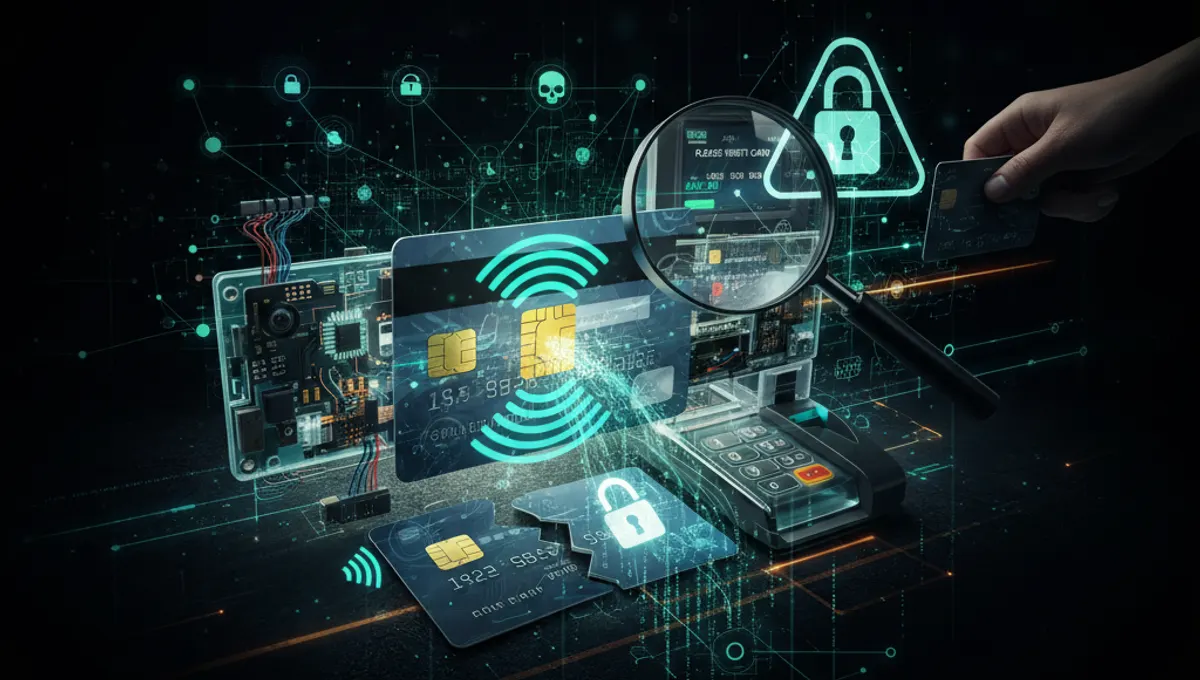
Inspect the card reader slot and surrounding pump panel for these visual indicators. Check if the card reader bezel appears loose, cracked, or misaligned compared to the rest of the pump. Look for any part that seems glued on or held with tape rather than factory-installed. A skimmer in a gas pump often creates a slight bulge or protrusion in the card slot area. Compare the color and material of the card reader to other pumps at the same station; a Bluetooth skimmer gas pump may have a slightly different shade or texture. Feel the card slot gently with your finger—it should be smooth and flush. Any resistance, grinding sensation, or unusual depth suggests something is inserted inside. Check for tiny holes near the card reader that could be camera lenses. Examine the pump's exterior panels for signs of recent tampering, such as fresh scratches, missing screws, or panels that don't sit flush.
How Card Skimmer Gas Pump Devices Are Installed
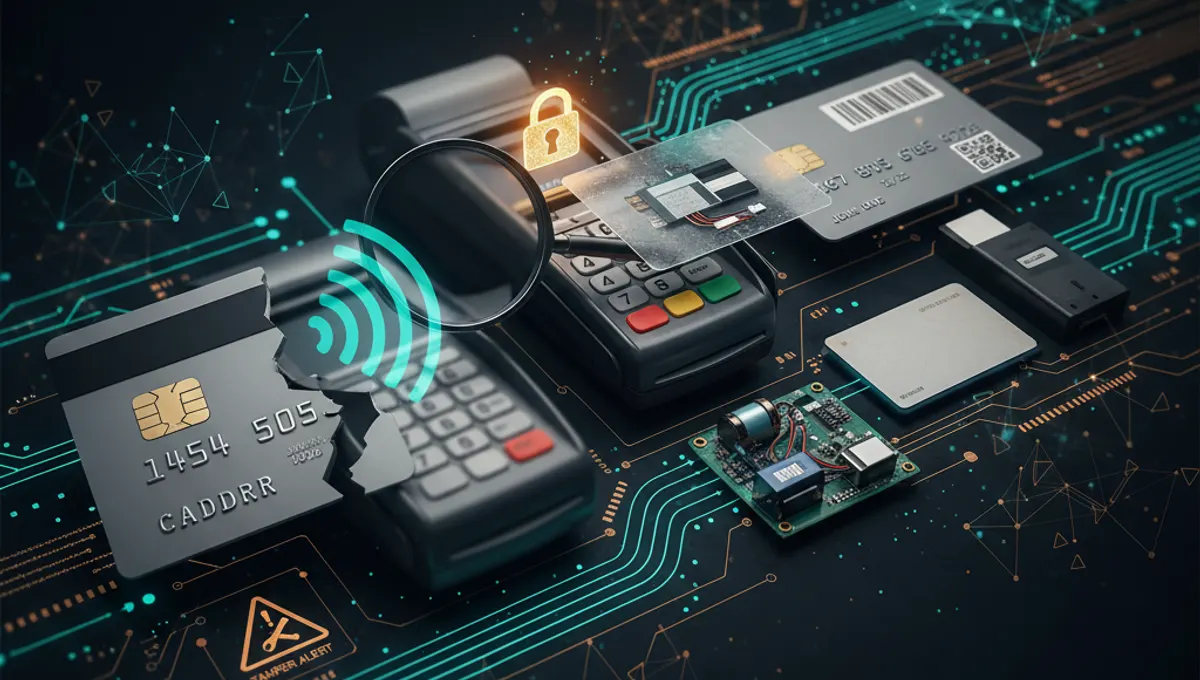
Criminals typically install a card skimmer gas pump device by opening the pump's exterior panel using a universal key or bypass tool. The internal skimmer is positioned directly over the legitimate card reader, so your card passes through it first. Some designs use a thin overlay that sits on top of the existing reader, while others are deep-insert skimmers that fit inside the pump's internal card slot mechanism. A Bluetooth skimmer gas pump variant includes a wireless transmitter so the thief can retrieve data from a distance without returning to the pump. The installation usually takes only a few minutes, which is why skimmers appear most frequently at unstaffed pumps or during late-night hours. Once installed, the device operates passively, collecting data from every transaction until it's removed or the battery depletes. The thief returns later to extract the device and download the stored card information.
What to Do Before Inserting Your Card
Before using any gas pump, perform a quick visual inspection. Gently tug on the card reader bezel and the pump's front panel to confirm they are firmly attached. If anything moves or feels loose, do not use that pump and notify the attendant. Check the card slot opening for any foreign objects, debris, or unusual protrusions. Look at the pump's overall condition; if it appears damaged, weathered, or recently serviced, use a different pump. Compare the card reader appearance across multiple pumps at the same station to spot inconsistencies. If you notice anything suspicious, move to another pump or another station entirely. Use pumps closest to the station's entrance or attendant booth, as they are serviced more frequently and monitored more closely. Avoid isolated or poorly lit pumps, especially at night. If you are uncertain about a pump's condition, ask the attendant to inspect it or use an alternative payment method.
What Is a Cloned Card and How Does Skimming Lead to Card Fraud
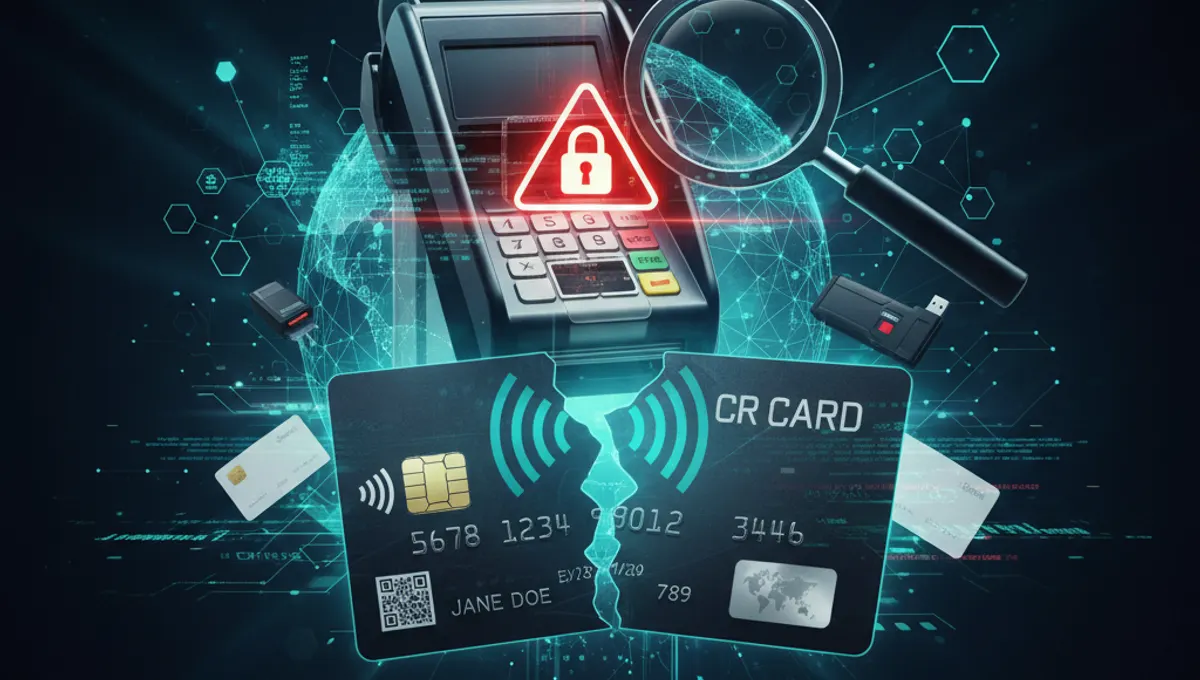
A cloned card is a counterfeit payment card created using stolen magnetic stripe data from a legitimate card. When a gas pump atm skimmer captures your card information, criminals use that data to produce a duplicate card with the same account number and expiration date. Cloned cards are created by encoding the stolen data onto blank card stock using specialized equipment. The cloned card can then be used for fraudulent purchases until the legitimate cardholder or bank detects the unauthorized activity. Magnetic stripe cloning is simpler than EMV chip cloning because the stripe data is static and does not require the card's PIN or cryptographic keys. However, many modern cards now use EMV chip technology, which is more difficult to clone because the chip generates unique transaction codes. Despite this, skimmers still target magnetic stripe data because older cards and international transactions may still rely on it. The stolen data is often sold on dark web marketplaces where buyers purchase cloned cards to conduct fraud.
Protecting Your Card at Gas Pumps and Detecting Fraud
Use contactless payment methods whenever possible, such as mobile wallets or tap-to-pay options, which do not expose your card data to skimmers. If you must insert your card, cover the keypad with your hand while entering your PIN to prevent hidden cameras from recording it. Enable transaction alerts through your bank's mobile app so you receive notifications of every purchase in real time. Check your bank and credit card statements weekly for unauthorized charges. If you detect a fraudulent transaction, contact your card issuer immediately to report it and request a dispute. Most banks will reverse fraudulent charges and issue a replacement card within 5 to 10 business days. Consider using virtual card numbers generated by your bank for online and in-person purchases, which isolate your primary account from fraud. Monitor your credit report for signs of identity theft or unauthorized accounts opened in your name. If your card information has been compromised, ask your bank about placing a fraud alert or credit freeze on your credit file.
Legal Consequences of Card Cloning and Skimming Fraud
Possession of a cloned card or skimming device is illegal in most jurisdictions and constitutes fraud, identity theft, or device-based fraud depending on the specific circumstances and local law. Using a cloned card to make purchases is a federal crime in many countries and can result in charges for wire fraud, access device fraud, or aggravated identity theft. Penalties vary significantly by jurisdiction but typically include criminal fines, restitution to victims, and imprisonment ranging from months to years depending on the amount defrauded and prior criminal history. Installing a skimmer on a gas pump or ATM is treated as a separate offense related to fraud conspiracy or theft of trade secrets. Selling cloned cards or stolen card data on dark web marketplaces exposes individuals to charges for money laundering, trafficking in stolen goods, and conspiracy. Conviction can result in federal prison sentences and permanent criminal records that affect employment, housing, and financial opportunities. Victims of card fraud may pursue civil lawsuits against both the fraudster and negligent merchants or banks. The consequences extend beyond criminal penalties to include civil liability, asset forfeiture, and long-term reputational damage.
How Cloned Cards Are Bought and Sold on Dark Web Marketplaces
Cloned cards and stolen card data are traded on encrypted dark web marketplaces accessible through anonymity networks. Sellers list cards with full details including cardholder name, account number, expiration date, and CVV code, often organized by card type, issuing bank, or account balance. Buyers typically purchase cards in bulk at discounted rates, with prices varying based on the card's remaining balance and verification status. Payment for cloned cards is usually conducted in cryptocurrency to obscure transaction trails. Marketplaces operate with reputation systems where sellers are rated based on card validity and buyer satisfaction. Some vendors offer guarantees, replacing invalid cards or refunding cryptocurrency if the card declines. The dark web ecosystem also includes tutorials, forums, and tool vendors who sell skimming devices, card readers, and encoding equipment. Law enforcement agencies conduct undercover operations and monitor these marketplaces to identify and prosecute participants. Purchasing cloned cards exposes buyers to federal charges, cryptocurrency transaction tracing, and law enforcement infiltration of marketplace platforms.
Frequently asked questions
What does a gas pump skimmer look like?
A gas pump skimmer is typically a small plastic or metal device inserted into or overlaid on the card reader slot. It may appear as a slightly raised or misaligned bezel, have a different color or texture than the surrounding pump, or show signs of glue or tape. Some skimmers are nearly invisible from the outside, so physical inspection requires checking for loose panels, unusual protrusions, and comparing the pump to others at the same station.
How can I tell if a gas pump has a skimmer before using it?
Inspect the card reader slot and pump panel by gently tugging on the bezel and exterior panels to confirm they are firmly attached. Look for loose, cracked, or misaligned components. Check for tiny holes that could be camera lenses. Feel inside the card slot for resistance or unusual depth. Compare the pump's appearance to others at the station. If anything seems off, use a different pump or station and notify the attendant.
What should I do if I think I used a compromised gas pump?
Contact your bank or credit card issuer immediately to report the suspected compromise. Monitor your account statements and credit reports for unauthorized activity. Request a replacement card and enable transaction alerts. If fraudulent charges appear, file a dispute with your bank, which typically reverses charges within 5 to 10 business days. Consider placing a fraud alert or credit freeze on your credit file to prevent identity theft.
Are contactless payments safer than inserting a card at gas pumps?
Yes, contactless payments such as mobile wallets and tap-to-pay options do not expose your card data to skimmers because the transaction does not involve inserting your physical card into the pump's reader. Contactless technology uses encryption and generates unique transaction codes, making it significantly more difficult for criminals to intercept or clone your card information.
What is a cloned card and how does it relate to gas pump skimming?
A cloned card is a counterfeit payment card created using stolen magnetic stripe data from a legitimate card. When a gas pump skimmer captures your card information, criminals encode that data onto blank card stock to produce a duplicate. The cloned card can then be used for fraudulent purchases until detected. Cloned cards are often sold on dark web marketplaces where buyers use them to conduct fraud.