What Is a Gas Pump Skimmer and How Does It Capture Card Data
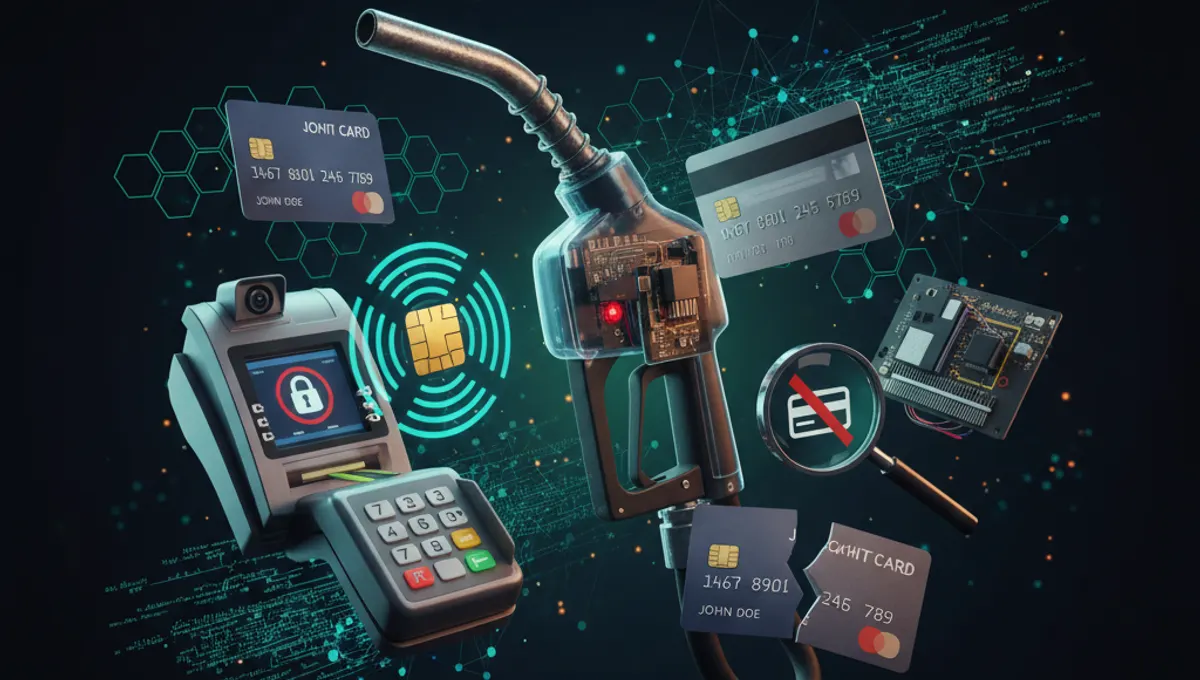
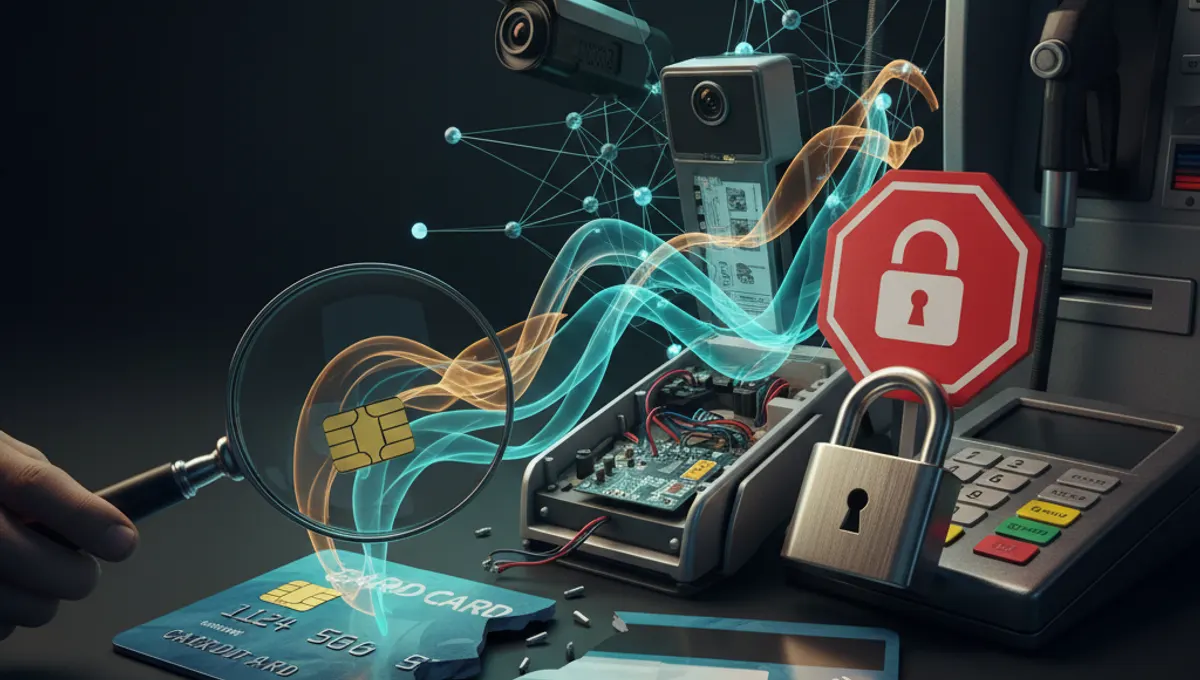
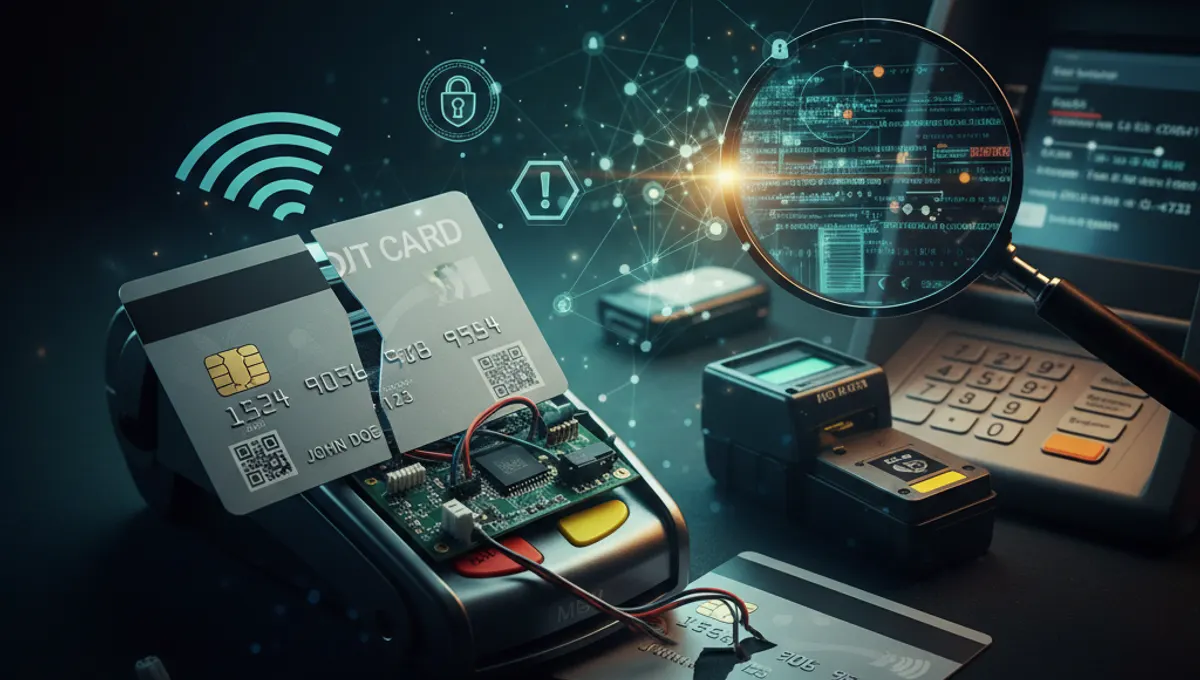
A gas pump skimmer is a physical device placed over or inside the card reader slot of a fuel dispenser. When you insert or swipe your card, the skimmer reads the magnetic stripe data—card number, expiration date, and cardholder name. Some skimmers use Bluetooth technology to transmit this data wirelessly to a nearby receiver, eliminating the need for the attacker to return to the pump. Others store data internally and must be physically retrieved. The captured information can be used to create a cloned card or sold to other criminals. Modern EMV chip readers are harder to skim than magnetic stripes, but older pumps or those with malfunctioning chip readers remain vulnerable. Skimmers are typically installed by criminals who have access to the pump, often through collusion with station employees or by targeting unmaintained locations.
The Difference Between Magnetic Stripe, EMV Chip, and Contactless Payment Vulnerabilities
Magnetic stripe technology stores static data that does not change with each transaction, making it vulnerable to cloning. Once a criminal captures the stripe data, they can encode it onto a blank card and use it repeatedly. EMV chip technology generates a unique transaction code for each purchase, making the chip data useless for creating a functional cloned card. However, many gas pumps still rely on magnetic stripe readers as a fallback, or criminals may use skimmed data for online purchases where only the stripe data is required. Contactless and tokenized payments—such as mobile wallets—do not transmit card numbers to the pump; instead, they use encrypted tokens that are valid only for that transaction. These methods significantly reduce skimming risk. Virtual card numbers, generated by your bank or payment app for single or limited use, also prevent skimmers from obtaining usable card data.
How Cloned Cards Are Created and Sold on Dark Web Marketplaces
Once a criminal obtains your card data through a skimmer, they can create a cloned card by encoding the magnetic stripe information onto a blank card using a card writer device. The cloned card functions like your original for magnetic stripe transactions. Criminals sell these cloned cards—often with accompanying data like CVV and PIN—on dark web marketplaces, typically in batches or bundles. Buyers use these cards for fraudulent purchases at retail locations, ATMs, or online. The dark web ecosystem includes specialized forums and marketplaces where sellers post card batches with details such as card type, issuing bank, and validity confirmation. Prices vary based on card freshness, credit limit, and verification status. Some sellers offer guarantees or refunds if cards are declined. This underground market operates using cryptocurrency for anonymity, though law enforcement agencies worldwide actively monitor and shut down these operations. The sale of cloned cards constitutes fraud and identity theft, with serious legal consequences for both sellers and buyers.
Legal Consequences of Possessing, Using, or Selling Cloned Cards
Possession of cloned cards or stolen card data with intent to use or distribute is illegal in virtually all jurisdictions. Charges typically fall into categories including fraud, identity theft, and access device fraud. Fraud charges apply when you use a cloned card to obtain money or goods through deception. Identity theft charges apply when you use someone else's personal information without authorization. Access device fraud specifically addresses the unauthorized use of payment card data. Penalties vary significantly by jurisdiction but commonly include criminal fines, restitution to victims, and imprisonment. Some jurisdictions impose mandatory minimum sentences for organized card fraud schemes. Selling cloned cards on dark web marketplaces compounds liability, as it involves conspiracy, money laundering, and potentially interstate or international fraud. Buyers and sellers face separate charges. Even possession without use can result in felony charges in many jurisdictions. Conviction creates a permanent criminal record affecting employment, housing, and financial opportunities. Consult local legal resources or an attorney for specific penalty ranges in your jurisdiction.
How to Detect a Gas Pump Skimmer Before Using It
Before inserting your card, inspect the pump's card reader slot visually and by touch. Legitimate card readers fit flush with the pump; skimmers often protrude slightly or feel loose. Check for signs of tampering such as scratches, mismatched colors, or adhesive residue around the reader. Gently tug on the card reader bezel—if it moves or comes off easily, a skimmer may be attached. Look for small holes or cameras near the keypad that could be recording your PIN. Check the pump's overall condition; well-maintained pumps are less likely to have skimmers. Use pumps at busy, well-lit stations during daylight hours when criminals are less likely to install devices. Cover the keypad with your hand while entering your PIN to prevent hidden cameras from capturing it. If anything feels wrong or looks suspicious, use a different pump or pay inside with cash. Report suspected skimmers to the station attendant or manager immediately.
Protecting Your Card: Payment Methods and Account Monitoring
Use contactless payment methods whenever possible, including mobile wallets, NFC-enabled cards, or contactless credit cards. These methods transmit encrypted tokens rather than card data, making them resistant to skimming. Virtual card numbers generated by your bank or payment app for single or limited use prevent skimmers from obtaining usable data. Enable transaction alerts on your bank account so you receive notifications for every purchase; fraudulent charges appear immediately. Monitor your credit card statements weekly rather than waiting for monthly statements. Consider using a dedicated card for gas purchases with a low credit limit, reducing exposure if it is compromised. Request a chip-enabled card from your bank if you still use magnetic stripe. Some banks offer purchase protection or fraud guarantees. Freeze your credit with the three major credit bureaus if you suspect identity theft. Use strong passwords for online banking and enable two-factor authentication. Avoid using debit cards at gas pumps when possible, as debit fraud can drain your account directly.
What to Do If Your Card Information Has Been Compromised
If you notice a fraudulent charge on your statement, contact your card issuer immediately by phone using the number on the back of your card. Report the specific fraudulent transactions and request that your card be cancelled and replaced. File a dispute for each fraudulent charge; most card issuers have dispute resolution processes that typically take 30 to 90 days. During this period, the issuer investigates and either credits your account or denies the dispute. Document all communications with your bank, including dates, times, and names of representatives. Request a new card with a different number; do not reuse the compromised card number. File a report with the Federal Trade Commission at IdentityTheft.gov if you suspect identity theft beyond card fraud. Monitor your credit reports from all three bureaus for unauthorized accounts or inquiries. Place a fraud alert on your credit file to prevent criminals from opening new accounts in your name. If the fraud is extensive, consider a credit freeze. Check your bank account and other financial accounts for unauthorized activity. Report the skimmer location to local law enforcement and the gas station owner.
Frequently asked questions
Can a Bluetooth skimmer at a gas pump steal my card data without physical contact
Yes. A Bluetooth-enabled skimmer installed on a gas pump can transmit your card data wirelessly to a receiver held by the attacker from a distance. This allows the criminal to retrieve stolen data without returning to the pump physically, reducing detection risk. Bluetooth skimmers are more difficult to detect because they require no visible external receiver.
How long does it take for a cloned card to be used after data is stolen
Cloned cards can be used within hours of data theft. Criminals test stolen card data immediately to confirm validity, then sell batches on dark web marketplaces or use them for fraudulent purchases. Some fraudsters use cloned cards for online transactions first, as these require only magnetic stripe data and no physical card.
Will my bank refund fraudulent charges made with a cloned card
Most banks and credit card issuers offer fraud protection and will refund unauthorized charges. The refund process typically takes 30 to 90 days while the issuer investigates. Debit card fraud may take longer to resolve and can temporarily drain your account. Contact your issuer immediately upon noticing fraud to begin the dispute process.
Is using a virtual card number at a gas pump safer than a physical card
Yes. Virtual card numbers generated by your bank or payment app are significantly safer at gas pumps. Each virtual number is typically valid for only one transaction or a limited time period, making stolen data useless for repeat fraud. Even if a skimmer captures the virtual number, it cannot be used for other purchases.
What should I do if I find a skimmer on a gas pump
Do not remove the skimmer yourself. Report it immediately to the gas station attendant or manager, and contact local law enforcement. Provide details about the pump location and description of the device. You can also report it to the Federal Trade Commission at ReportFraud.ftc.gov. Warn other customers if possible and use a different pump.