What Is a Cloned Card and How Skimming Creates One
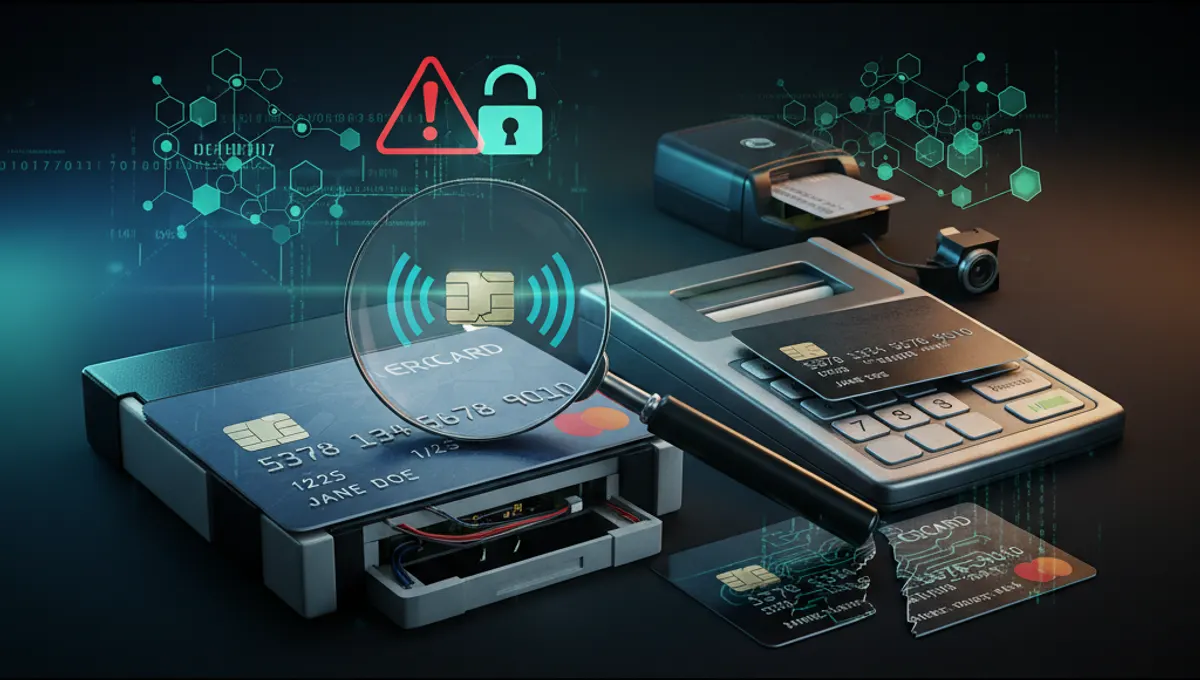
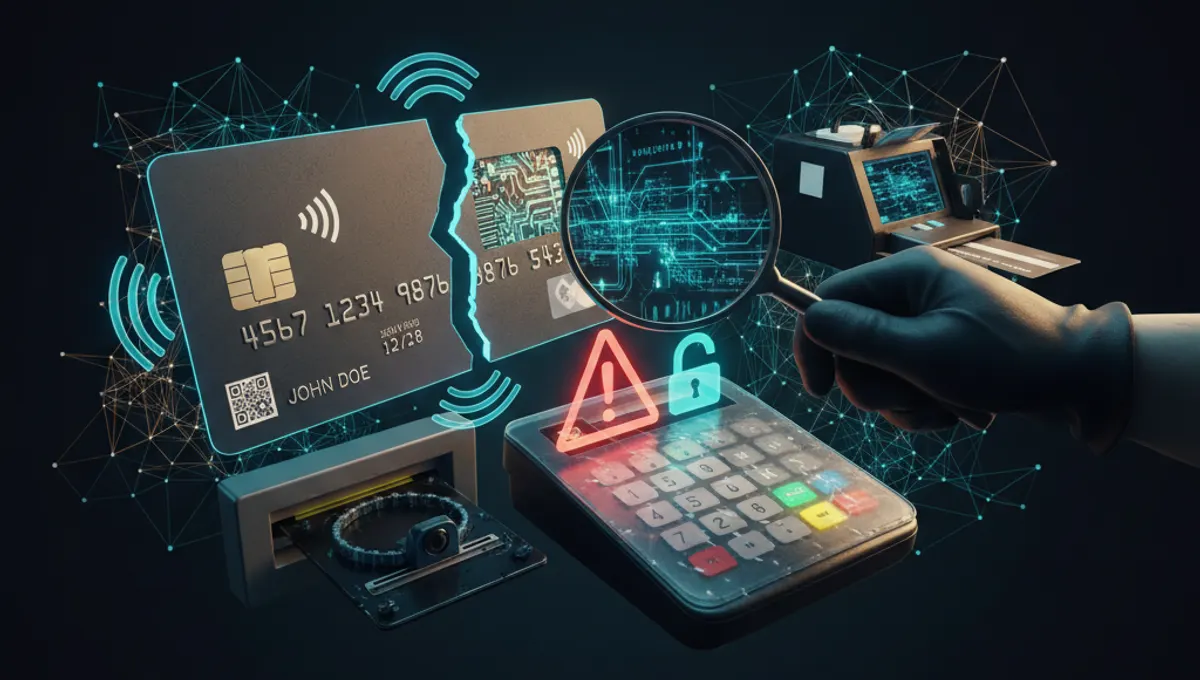
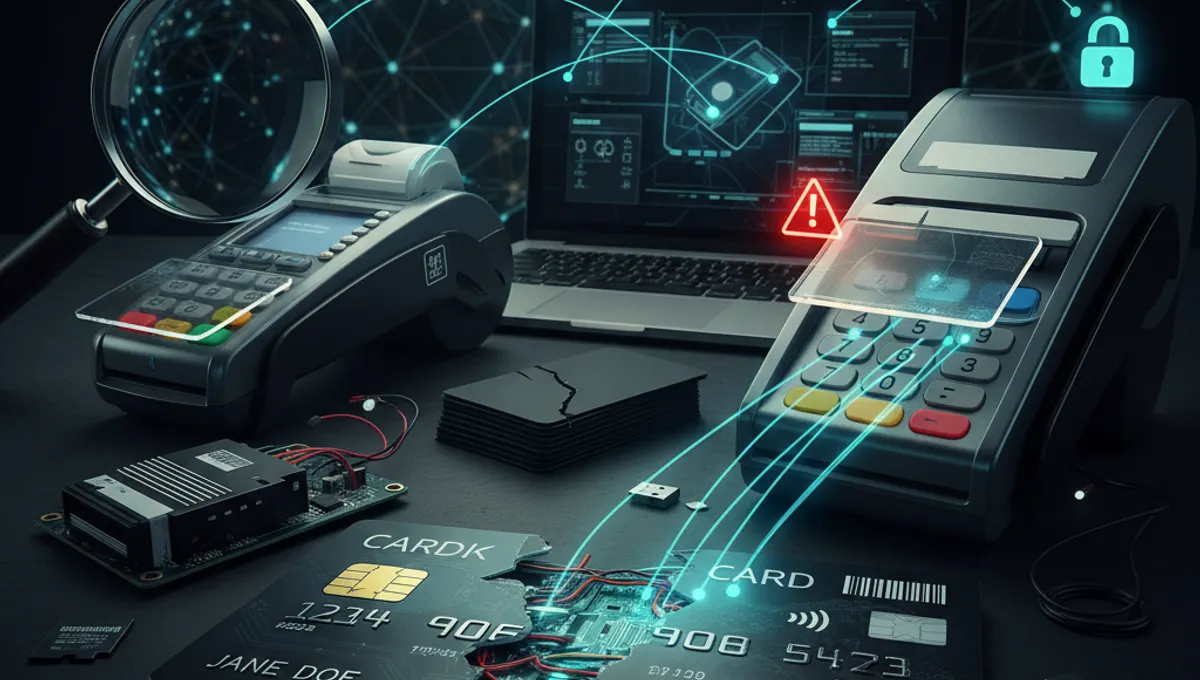
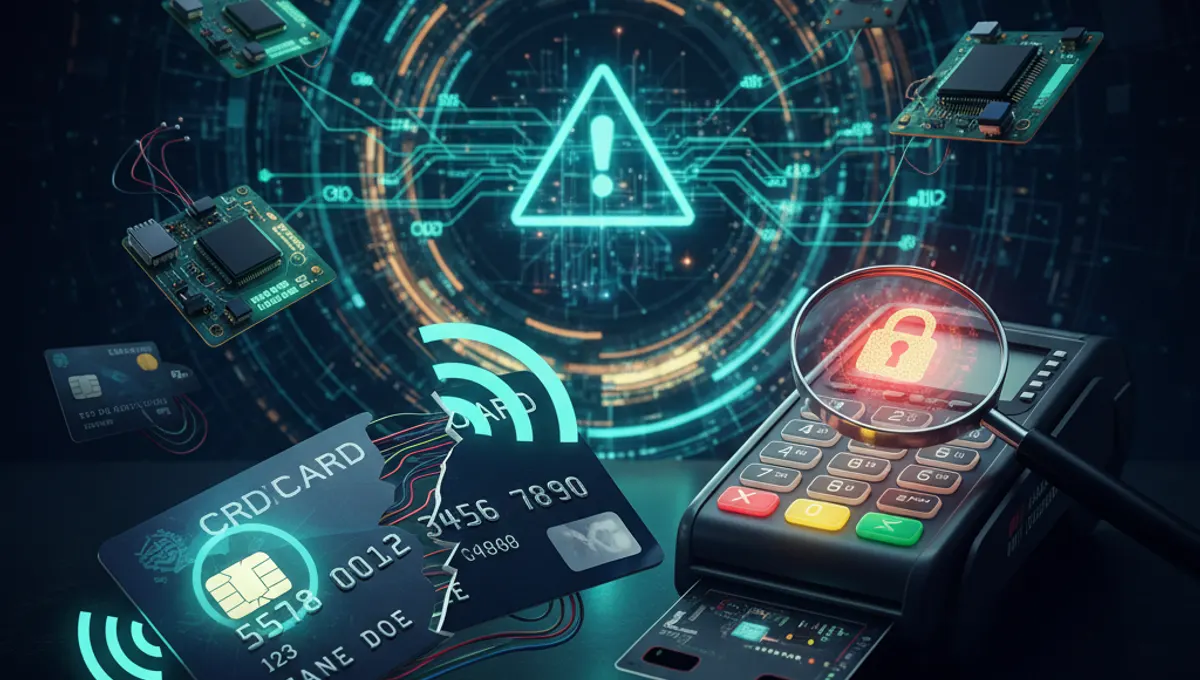
A cloned card is a duplicate of your legitimate card created from stolen data. Skimming devices capture your card's magnetic stripe or EMV chip information when you insert or swipe your card. The attacker then encodes this data onto a blank card or uses it for online fraud. Shimming is a variant where a thin device sits between your card and the reader, capturing chip data. Magnetic stripe cloning remains common because older systems store static data; EMV chips are harder to clone but still vulnerable to shimming. Data breaches also supply cloning operations with card details harvested from retailer databases or payment processors.
Physical Signs of Skimming Devices on ATM Machines
Inspect the card slot area for loose, cracked, or protruding components. A skimming overlay may sit on top of the genuine slot and feel slightly raised or misaligned when you touch it. Look for gaps between the card reader and the surrounding bezel. Check if the PIN pad feels different or has a separate layer glued on top. Examine the front panel for scratches, discoloration, or adhesive residue. Wiggle the card slot gently; legitimate parts should not move. Compare the ATM's appearance to others at the same bank branch. Skimmers are often installed quickly and may not match the machine's finish perfectly. If anything feels wrong, use a different ATM or contact the bank.
How to Detect Wireless and Hidden Skimming Devices
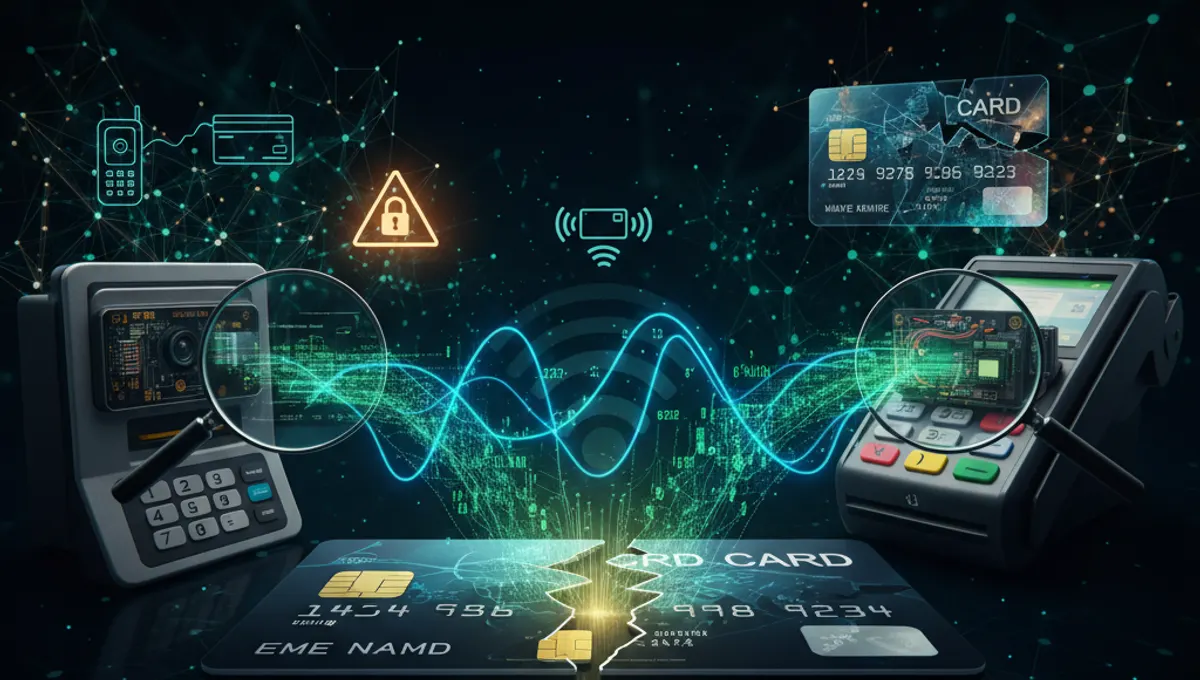
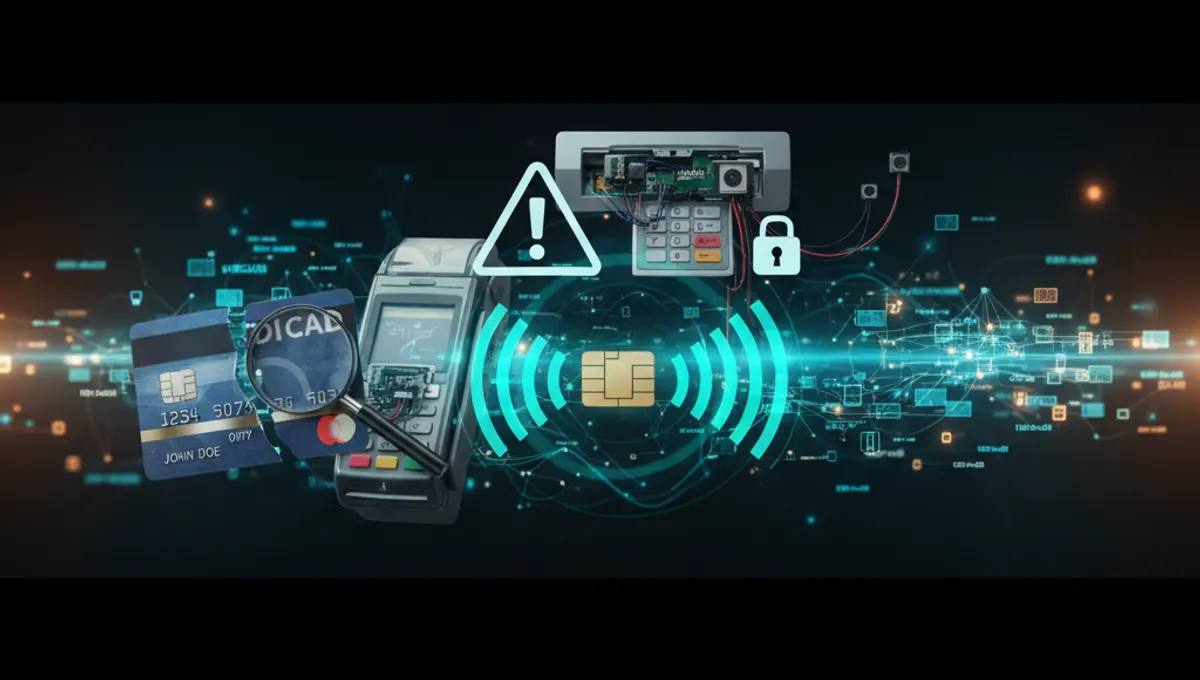
Wireless skimmers use Bluetooth or cellular signals to transmit stolen data to a nearby attacker. These devices are harder to spot because they leave no visible overlay. Some are hidden inside the ATM's housing or attached to the back. Attackers may position themselves nearby with a receiver to collect data in real time. You cannot easily detect wireless skimmers through visual inspection alone. However, if an ATM feels unusually warm, has a strange smell, or shows signs of recent opening, avoid it. Bank staff should regularly inspect machines for internal tampering. Chip skimmers that capture EMV data are often shimmed into the card slot and may be thinner than a human hair, making them nearly invisible to casual inspection.
Cash Machine Skimming Devices: Common Placement and Types
Skimmers are most often placed on ATMs in low-traffic locations or those with infrequent maintenance. Gas station pumps, hotel lobbies, and convenience stores are common targets. Deep-insert skimmers sit inside the card slot and are difficult to remove without damaging the machine. Overlay skimmers sit on top of the genuine slot and are easier to install and remove. PIN pad overlays capture your keystrokes when you enter your code. Some devices combine multiple capture methods. Attackers choose locations where they can install and retrieve the device without immediate detection. High-security bank branches are less frequently targeted than standalone ATMs. Regularly used machines in busy areas are also lower-risk targets because the skimmer is more likely to be discovered.
Protecting Your Card: Detection and Prevention Strategies
Before using any card reader, inspect it visually and physically test for loose parts. Cover the PIN pad with your hand while entering your code to prevent shoulder surfing or camera capture. Use ATMs inside bank branches rather than standalone machines. Enable transaction alerts on your bank account so you receive notifications of any charges. Consider using contactless or tokenized payments, which transmit a one-time code instead of your card data. Virtual card numbers generated for online shopping reduce exposure of your primary card. Request chip-enabled cards from your bank; EMV chips are more secure than magnetic stripes. Regularly monitor your bank statements and credit reports for unauthorized activity. Disable contactless payment if you do not use it, as some skimmers target wireless protocols.
What to Do If Your Card Data Has Been Compromised
Contact your bank immediately if you notice unauthorized charges or suspect your card was skimmed. Most banks offer fraud protection and will reverse unauthorized transactions. File a dispute with your card issuer within the timeframe specified in your cardholder agreement, typically 60 days from the statement date. Request a new card with a different number. Place a fraud alert on your credit file with the major credit bureaus. Consider a credit freeze to prevent new accounts opened in your name. Keep documentation of all communications with your bank and credit bureaus. Refund timelines vary by bank but typically range from a few days to two billing cycles. If the compromise involved multiple accounts or personal information, monitor your credit reports for identity theft indicators and consider credit monitoring services.
The Dark Web Cloned Card Marketplace and Legal Consequences
Cloned cards are bought and sold on dark web marketplaces where vendors offer cards with stolen data, often including PIN codes or CVV numbers. Buyers use cryptocurrency to purchase cards in bulk. The ecosystem operates through forums and specialized sites where reputation systems and escrow services create false legitimacy. Possession of a cloned card is illegal in most jurisdictions and constitutes fraud or identity theft. Using a cloned card carries felony charges including wire fraud, access device fraud, and conspiracy. Penalties depend on jurisdiction and the amount involved but can include prison time and substantial fines. Selling cloned cards is treated as organized fraud and carries enhanced penalties. Law enforcement agencies worldwide actively investigate dark web carding operations. Purchasing cards on the dark web does not provide anonymity or legal protection; transactions can be traced through blockchain analysis and undercover operations.
Frequently asked questions
Can you feel a skimming device on an ATM card slot?
Yes, many overlay skimmers can be felt by gently wiggling the card slot or running your finger around the edges. A raised or loose component indicates a possible skimmer. However, deep-insert skimmers and wireless devices may not be detectable by touch alone. Always inspect visually first and compare the machine to others at your bank.
What is the difference between shimming and skimming?
Skimming captures data from the magnetic stripe when you swipe your card. Shimming places a thin device between your chip card and the reader to intercept EMV data. Shimming is harder to detect because the device is extremely thin and sits inside the card slot. Both methods result in cloned card data.
How long does it take for fraudulent charges to appear after skimming?
Fraudulent charges can appear within hours or days of skimming. Attackers may test the cloned card with small purchases before making larger ones. Some charges may not appear until weeks later if the data is sold on the dark web. Monitor your account regularly and enable transaction alerts to catch fraud quickly.
Are chip cards completely safe from skimming?
Chip cards are more secure than magnetic stripe cards but not completely immune. EMV chips are difficult to clone, but shimming can still capture chip data. Contactless and tokenized payments offer additional security by transmitting one-time codes instead of static card data. No payment method is entirely risk-free; detection and monitoring remain essential.
What should I do if I find a skimming device on an ATM?
Do not attempt to remove the device yourself. Contact your bank or the ATM operator immediately and report the location and description. Notify local law enforcement if the device appears to be an active skimming operation. Warn other customers if safe to do so. Do not use that ATM until it has been inspected and cleared by bank staff.