What Are ATM Skimming Devices and How Do They Work
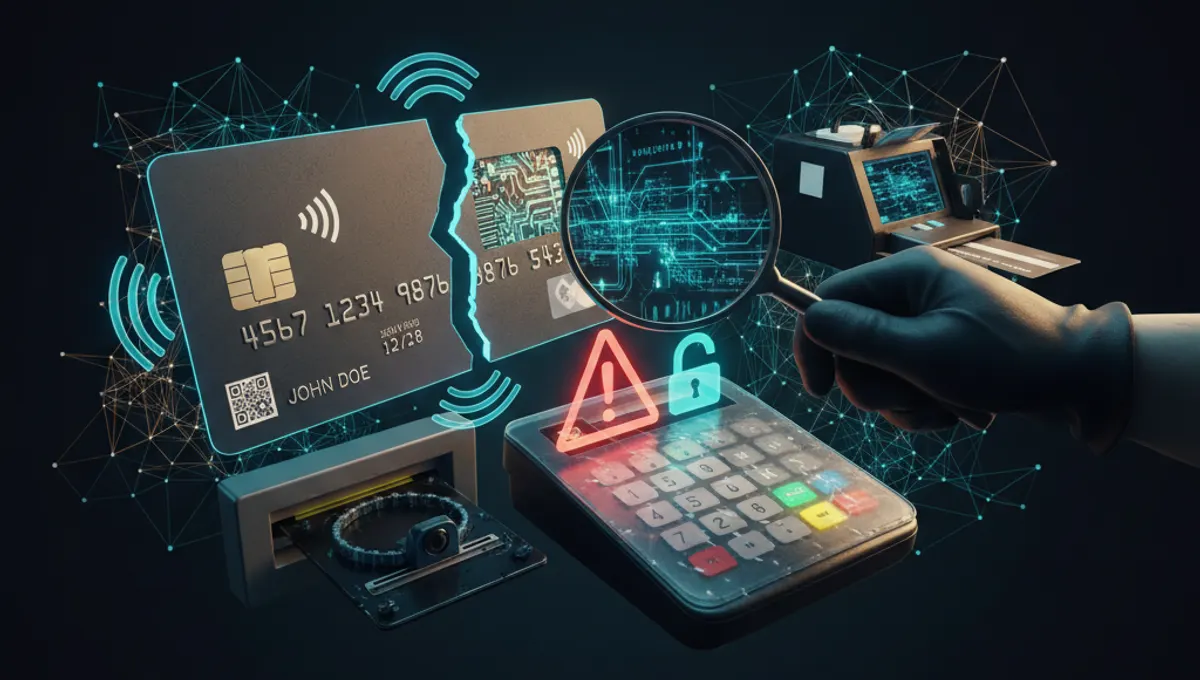
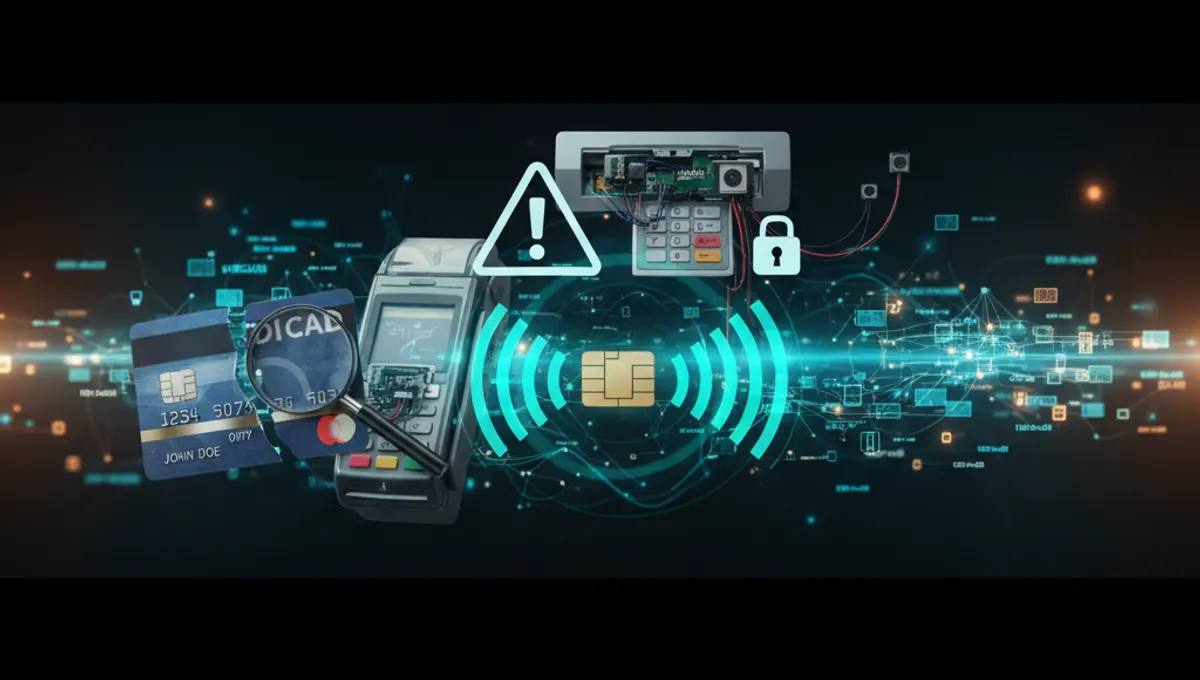
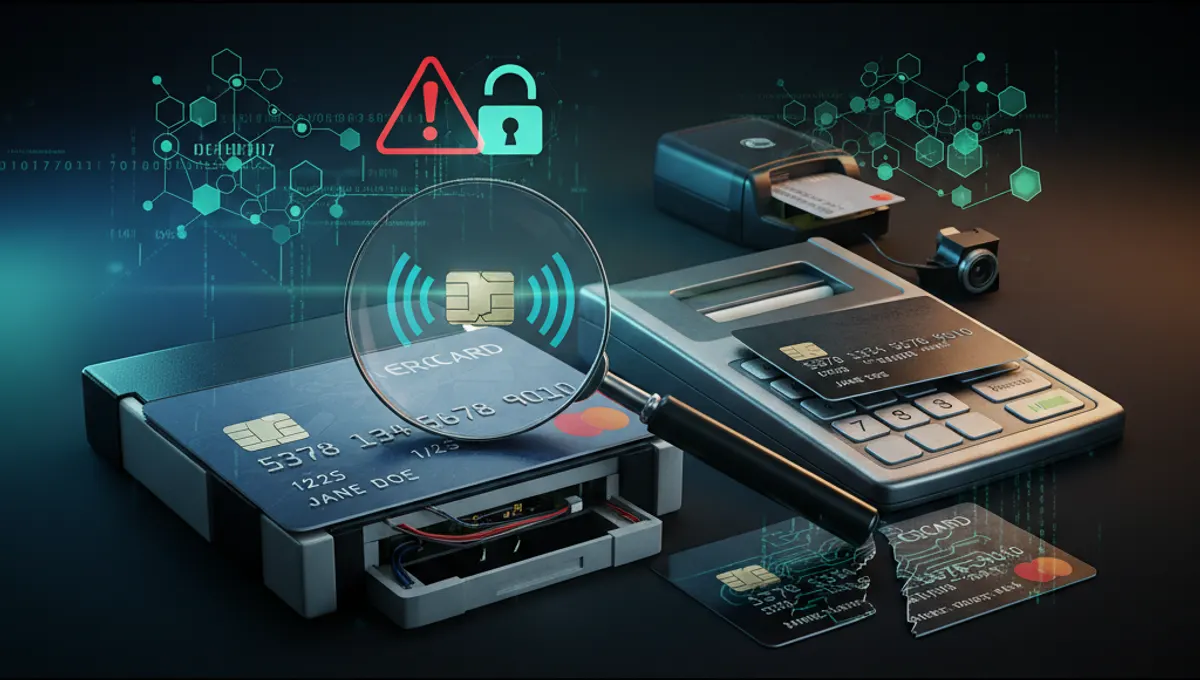
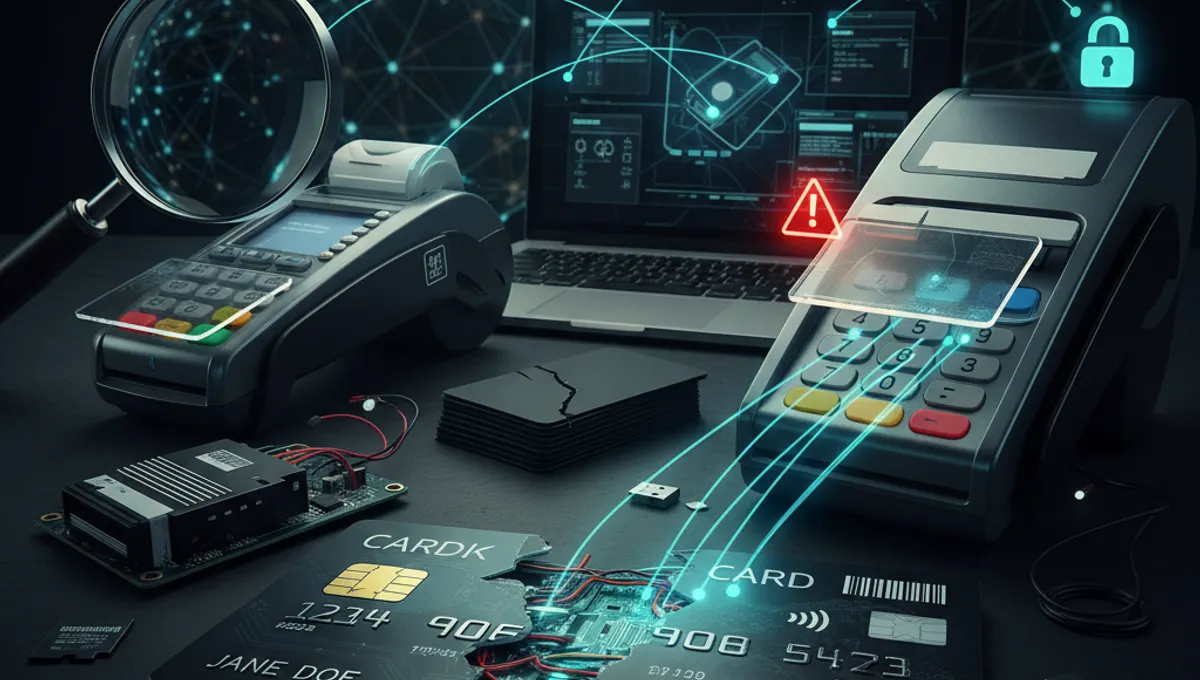
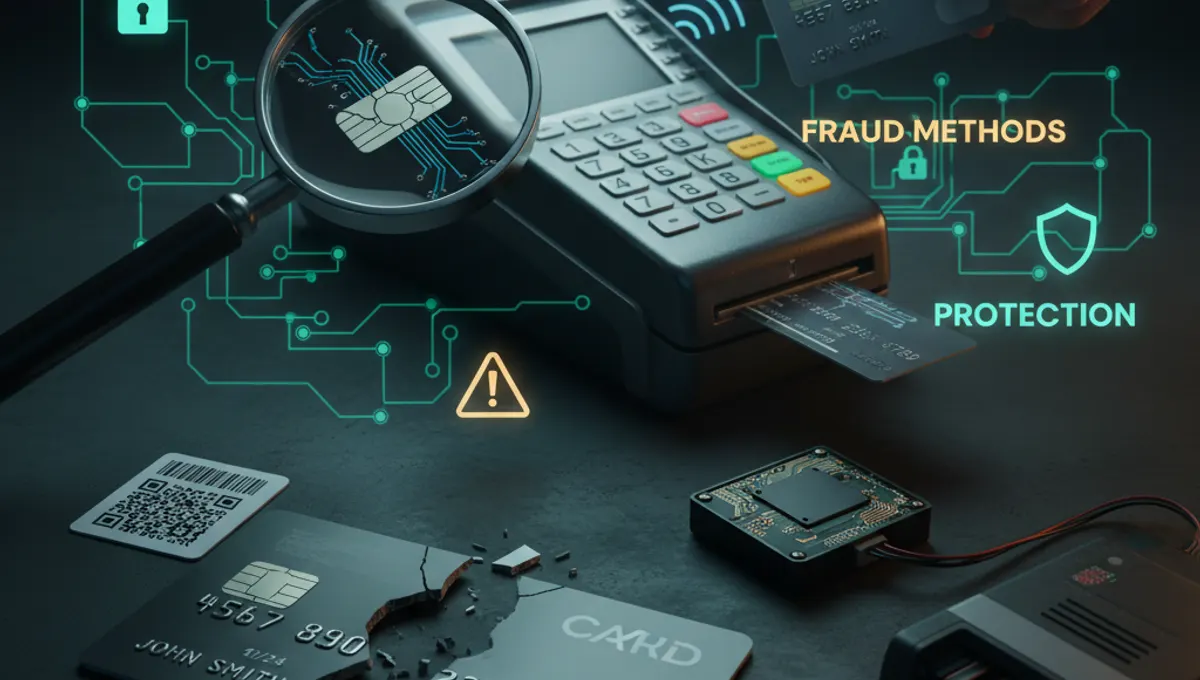
ATM skimming devices are hardware or software tools designed to intercept card data during a transaction. Physical skimmers are overlay devices placed over the card slot or PIN pad; they capture the magnetic stripe data as your card passes through. Shimming is a related technique where thin devices are inserted inside the card slot itself, reading EMV chip data without being visible from outside. Some skimmers also include hidden cameras or thermal imaging to record PIN entry. The captured data—magnetic stripe number, expiration date, and cardholder name—is stored on the device or transmitted wirelessly to the attacker. This information is then used to create cloned cards or sold on dark web marketplaces. Unlike chip-based transactions which generate one-time codes, magnetic stripe data remains static and can be reused multiple times, making older ATMs and machines that still support magnetic stripe reading prime targets.
Cloned Cards: What They Are and How They're Created
A cloned card is a duplicate payment card created using data stolen from a legitimate card, typically through skimming or data breaches. Criminals extract the magnetic stripe information—card number, expiration date, and cardholder name—and encode this data onto a blank card using specialized equipment. The cloned card functions identically to the original for magnetic stripe transactions, allowing fraudsters to make purchases or withdraw cash. Cloning differs from shimming in that shimming captures EMV chip data, which is more complex but still vulnerable to certain attacks. The distinction between magnetic stripe and EMV technology is critical: magnetic stripe data is static and easily replicated, while EMV chips generate unique transaction codes for each use, making them harder to clone. However, criminals can still use stolen EMV data for online purchases or card-not-present fraud. Data can also come from large-scale breaches of payment processors or retailers, not just physical skimming. Once a card is cloned, the attacker has a fully functional duplicate that can be used immediately or sold to other criminals.
How to Detect ATM Skimming Devices
Before inserting your card, inspect the ATM's card slot, PIN pad, and surrounding bezel for signs of tampering. Look for loose, protruding, or misaligned parts; skimmers are often bulky and may not fit flush with the machine's frame. Run your finger around the edges of the card slot and PIN pad—legitimate components should feel smooth and secure, while skimmers may feel glued on or have visible gaps. Check for extra cameras or small devices pointed at the PIN pad; legitimate ATMs have no external cameras. Wiggle the card slot cover gently; it should not move or come loose. Inspect the PIN pad for raised buttons or unusual thickness compared to other ATMs you've used. Be wary of ATMs in isolated locations or those that appear poorly maintained. If anything feels off, use a different machine. Additionally, cover the PIN pad with your hand while entering your code to prevent shoulder surfing or hidden camera capture. Monitor your bank statements regularly for unauthorized transactions, and enable transaction alerts through your bank's app or SMS service.
The Dark Web Cloned Card Marketplace Ecosystem
Cloned cards are bought and sold on dark web marketplaces where anonymity is prioritized through Tor browsers and cryptocurrency payments. Sellers list cards with details such as card type, issuing bank, balance information, and sometimes a 'spin code' or test transaction result to verify the card's validity. Buyers typically purchase cards in bulk or individually, often at prices ranging from a few dollars to several hundred depending on the card's balance and issuing institution. The marketplace operates similarly to legitimate e-commerce platforms, with seller ratings, dispute resolution, and escrow services—though these protections are unreliable and fraud is common. Sellers acquire cards through skimming operations, data breaches, insider theft, or by purchasing from other criminals. The ecosystem is highly fragmented; cards change hands multiple times before being used, making attribution difficult. Law enforcement agencies worldwide monitor these marketplaces, but the decentralized nature and constant migration of sites make enforcement challenging. Buyers often use VPNs or Tor to access these markets, and transactions are conducted in cryptocurrency like Bitcoin to obscure the money trail. The entire supply chain—from skimming to sale to use—typically occurs within days or weeks, creating a rapid cycle of fraud.
Legal Consequences of Card Cloning and Fraud
Possession, use, or sale of cloned cards carries serious criminal penalties that vary by jurisdiction. In many countries, charges fall into multiple categories: fraud (unauthorized use of payment instruments), identity theft (using another person's financial information), and device-based fraud (manufacturing or possessing skimming equipment). Penalties typically include imprisonment, fines, restitution to victims, and a permanent criminal record. In the United States, federal charges under the Computer Fraud and Abuse Act or wire fraud statutes can result in sentences ranging from several years to decades, depending on the amount defrauded and number of victims. Using a cloned card even once constitutes fraud; intent to defraud is the key element, not the amount stolen. Selling cloned cards on dark web marketplaces adds charges related to conspiracy and money laundering. Specific penalty ranges depend on the jurisdiction, the value of cards involved, and prior criminal history. Some jurisdictions treat possession of skimming devices as a separate felony regardless of whether they were used. International prosecution is possible if the fraud crosses borders or involves U.S. financial institutions. Restitution orders often require offenders to repay victims and cover investigation costs, adding significant financial liability beyond imprisonment.
How to Protect Your Card and Detect Skimming
Use ATMs located in well-lit, high-traffic areas such as bank lobbies rather than isolated street locations or convenience stores. Enable real-time transaction alerts through your bank's mobile app or SMS service so you're notified immediately of any charges. Consider using contactless or tokenized payments (Apple Pay, Google Pay) which generate unique transaction codes for each purchase, making them immune to skimming. Virtual card numbers issued by some banks create single-use or limited-use card numbers for online shopping, reducing exposure if the number is compromised. Regularly monitor your bank and credit card statements for unauthorized transactions. Use chip readers whenever available instead of magnetic stripe; chip transactions generate one-time codes that cannot be reused. Cover the PIN pad with your hand while entering your code to prevent visual capture. Request fraud alerts or credit freezes from credit bureaus if you suspect your information has been compromised. Avoid using debit cards at ATMs or point-of-sale terminals if possible; credit cards offer stronger fraud protections. Keep your card in sight during transactions and never hand it to an attendant unless absolutely necessary.
What to Do If Your Card Information Is Compromised
Contact your bank or card issuer immediately if you notice unauthorized transactions or suspect your card data has been stolen. Most issuers have fraud departments available 24/7. Request that your card be cancelled and a replacement issued; new cards typically arrive within 5-10 business days. File a dispute for each fraudulent transaction; banks are required to investigate and must provide a provisional credit within a specific timeframe (typically 10 business days in the U.S.). Document all unauthorized charges with dates, amounts, and merchant names. Request a copy of the fraud investigation report for your records. Monitor your credit report through the three major bureaus (Equifax, Experian, TransUnion) for signs of identity theft or new accounts opened in your name. Place a fraud alert on your credit file, which requires creditors to verify your identity before opening new accounts. Consider a credit freeze if the breach is severe; this prevents new accounts from being opened without your explicit consent. Check your bank statements for at least 60 days after the incident to catch any delayed fraudulent charges. If your PIN was compromised, change it at your bank. Report the skimming incident to local law enforcement and the ATM operator; this helps prevent future victims.
Frequently asked questions
Can I tell if an ATM has a skimmer just by looking at it
You can identify some skimmers by visual inspection. Look for loose, protruding, or misaligned parts on the card slot or PIN pad. Run your finger around edges to feel for glued-on devices. Check for extra cameras or small devices near the PIN pad. However, sophisticated skimmers may be difficult to detect visually, so always use ATMs in well-lit, secure locations and monitor your statements regularly.
What is the difference between skimming and shimming
Skimming captures magnetic stripe data from the outside of your card as it passes through a compromised slot. Shimming involves inserting a thin device inside the card slot to read EMV chip data. Both methods steal card information, but shimming targets newer chip technology while skimming exploits older magnetic stripe readers. Shimming is harder to detect because the device is hidden inside the machine.
How quickly can a cloned card be used after skimming
Cloned cards can be used within minutes to hours of the data being captured. Criminals test the card's validity immediately and begin making purchases or withdrawals quickly to avoid detection. This is why monitoring your statements in real-time through bank alerts is critical. The faster you report fraud, the better your chances of limiting unauthorized charges.
Are chip cards completely safe from skimming
Chip cards are much more resistant to skimming than magnetic stripe cards because they generate unique transaction codes for each use. However, they are not completely immune. Shimming can capture chip data, and older ATMs may still support magnetic stripe fallback. Additionally, chip technology does not protect against online fraud or card-not-present transactions. Using contactless or tokenized payments provides additional security.
What should I do if I find a skimming device on an ATM
Do not attempt to remove or tamper with the device. Immediately notify the bank or ATM operator and local law enforcement. Provide details about the location, ATM model, and description of the device. Warn other customers if safe to do so. Report the incident to your bank's fraud department. Do not use that ATM until it has been inspected and cleared by the operator.