What Is a Skimming Device and How Does It Work
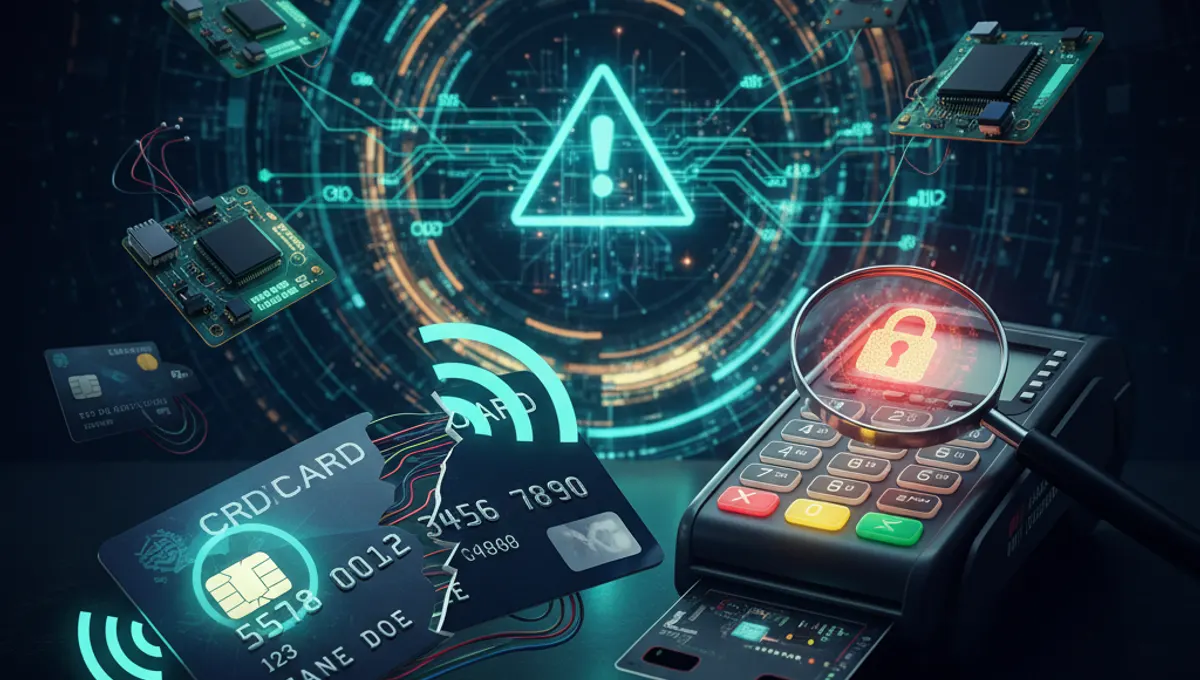
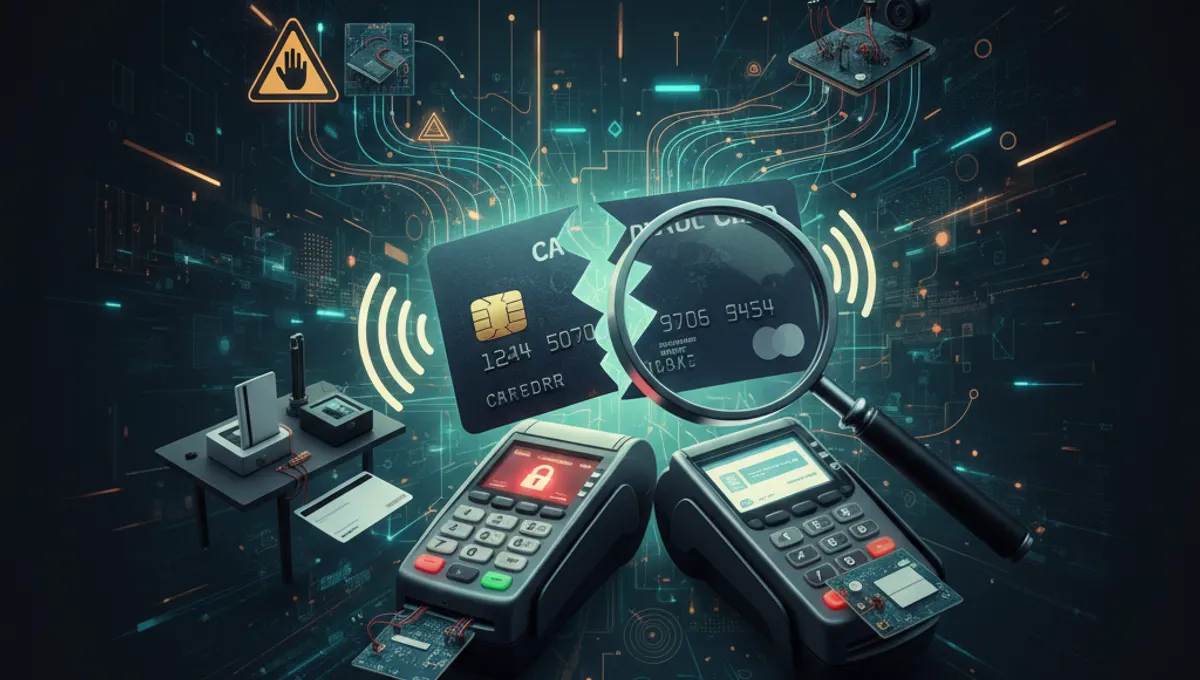
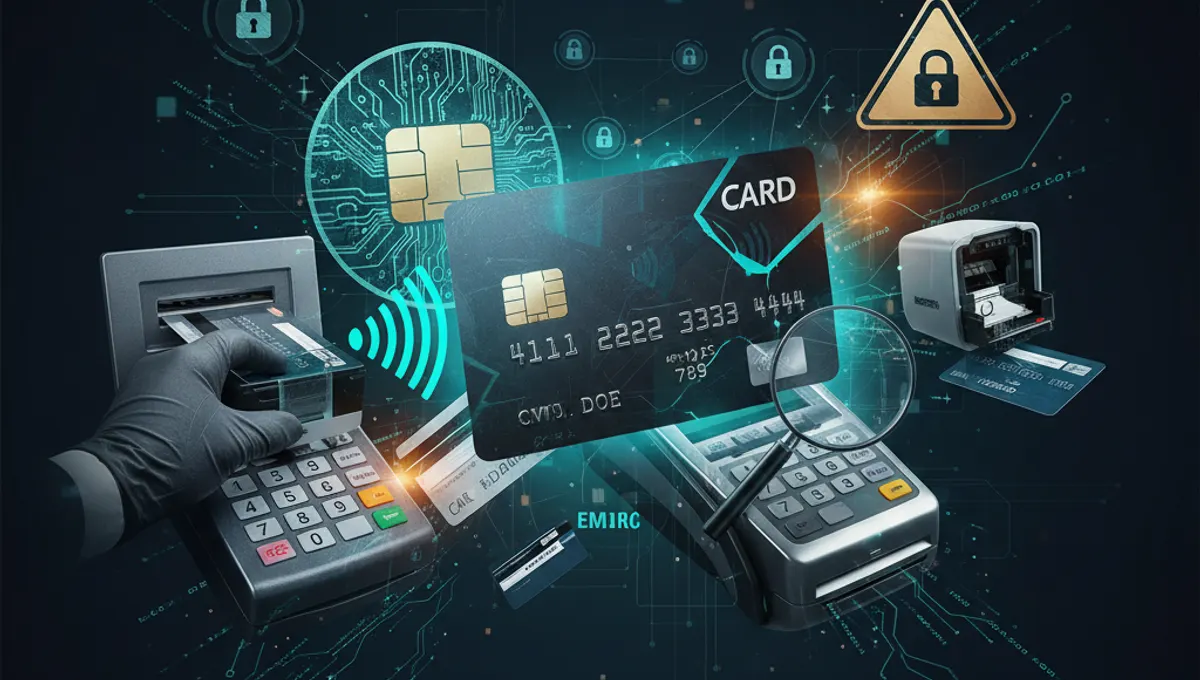
A skimming device is a hidden reader that captures card data when you insert or swipe your card. Skimmers come in two main forms: overlay devices that fit over the legitimate card slot, and deep-insert skimmers that sit inside the terminal itself. When your card passes through, the skimmer records the magnetic stripe data or, in newer variants, reads contactless signals from chip-enabled cards. The stolen data is later used to create cloned cards or make fraudulent purchases. Shimming targets EMV chip cards by inserting a thin device into the chip reader slot. Understanding these mechanisms helps you spot physical inconsistencies that signal a compromised terminal.
Physical Inspection: What to Look For at ATMs and Gas Pumps
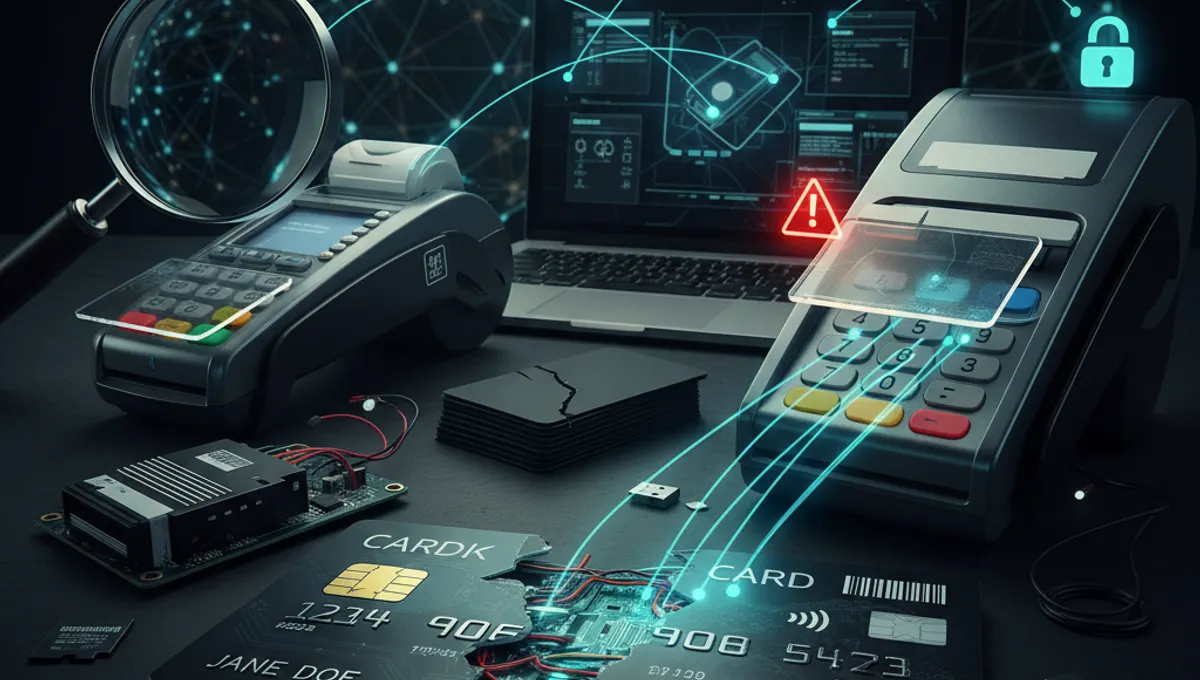
Before inserting your card, inspect the terminal for loose, cracked, or misaligned components. Check if the card slot feels different from other terminals at the same location or if the bezel around the slot is raised or protruding. Look for evidence of glue, tape, or scratches around seams. The card reader should be flush with the terminal housing. At gas pumps, examine the entire front panel for signs of tampering or recent installation. Wiggle the card slot gently; legitimate terminals do not move. Compare the terminal's appearance to others nearby. If anything feels off or looks hastily assembled, use a different terminal or payment method. This tactile inspection catches most overlay skimmers.
How Cloned Cards Are Created from Skimmed Data
Once a skimmer captures your card's magnetic stripe data, criminals encode that information onto blank cards or existing cards using specialized equipment. The cloned card contains your account number, expiration date, and CVV, allowing fraudsters to make purchases or withdraw cash. Magnetic stripe cloning is straightforward because the stripe stores static data. EMV chip cards are harder to clone, but skimmers that capture contactless signals or PIN data can still enable fraud. Cloned cards are then sold on dark web marketplaces, where buyers use them for purchases before the cards are reported stolen. Understanding this pipeline—from skimming to cloning to sale—emphasizes why early detection and account monitoring are critical defenses.
Contactless and Chip Skimming Detection
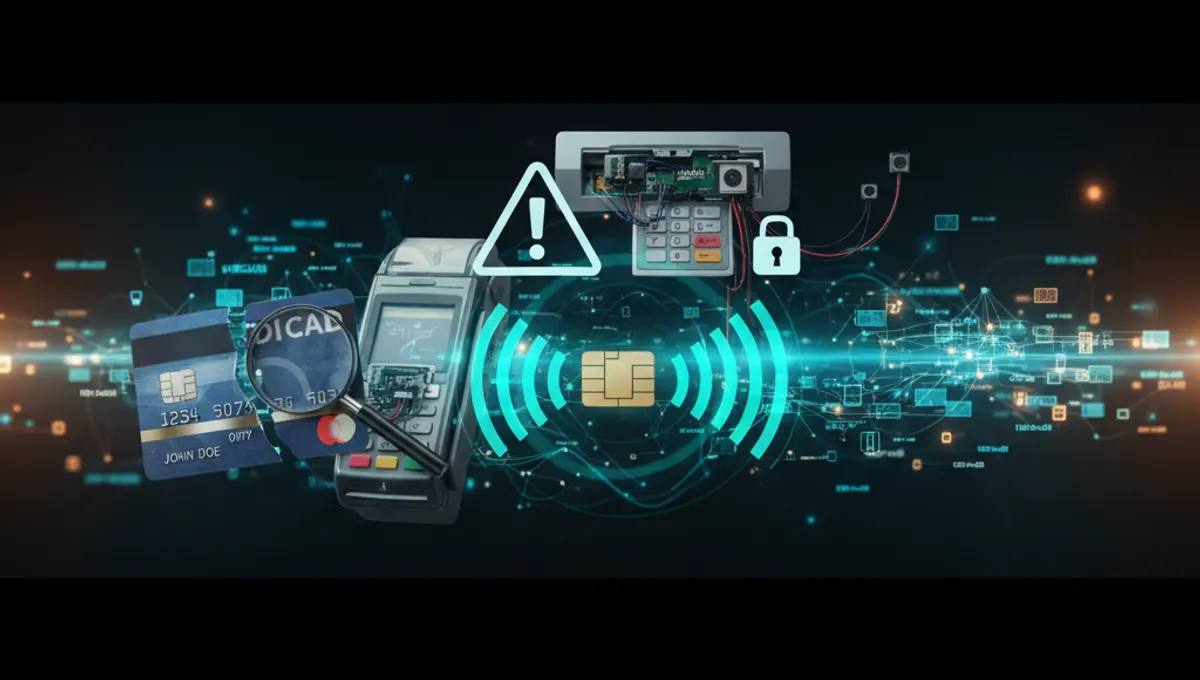
Contactless skimmers use wireless technology to read data from chip and contactless-enabled cards without physical contact. These devices are harder to detect visually because they operate at a distance and require no visible tampering. However, contactless skimmers typically have a limited range, usually a few inches. If you notice unusual wireless activity near a payment terminal or your card is read without your consent, that signals potential contactless skimming. Chip skimming, or shimming, involves inserting a thin device into the chip reader slot. The shim captures data as your chip is read. To detect shimming, check if the chip slot feels tight or if a card reader seems to jam or hesitate during insertion. Some terminals display warning messages if a foreign object is detected inside the reader.
Monitoring Your Account for Signs of Skimming
The most reliable way to catch skimming early is to monitor your account regularly. Check your bank and credit card statements weekly for unauthorized charges, no matter how small. Fraudsters often test cloned cards with small purchases before making larger ones. Set up transaction alerts through your bank's mobile app so you receive notifications for every purchase. If you spot a charge you did not make, contact your card issuer immediately. Review your credit report annually through official channels to detect unauthorized accounts opened in your name. Enable two-factor authentication on your online banking portal. If you notice a pattern of small fraudulent charges, your card data was likely compromised at a specific location; report that terminal to the merchant and your bank.
Protective Payment Methods to Avoid Skimming
Virtual card numbers, tokenized payments, and contactless transactions with encryption reduce skimming risk. Many banks offer virtual card numbers that generate unique account numbers for online purchases, limiting exposure if that number is compromised. Mobile payment systems like digital wallets encrypt your card data and do not transmit your actual account number to merchants. Chip readers are more secure than magnetic stripe readers because they generate a unique transaction code for each purchase, making the data useless if intercepted. Contactless payments with encryption are safer than unencrypted wireless reads. When possible, use chip readers instead of swiping, and opt for mobile payments at terminals that support them. Avoid using debit cards at ATMs or gas pumps; use credit cards instead, as they offer stronger fraud protection.
What to Do If Your Card Information Is Compromised
If you detect unauthorized charges or suspect your card data was skimmed, contact your card issuer immediately. Most banks allow you to dispute fraudulent charges within a specific window, typically 60 days from the statement date. Report the fraudulent transactions in writing and provide details of the charges you did not authorize. Your bank will initiate an investigation and may issue a temporary credit while they verify the dispute. Request a new card with a different account number. For debit cards, report fraud quickly to minimize liability; federal law limits your liability to $50 if reported within two days, but waiting longer can increase your exposure. File a report with the Federal Trade Commission through IdentityTheft.gov if your identity was compromised. If you suspect skimming at a specific location, report it to the merchant and local law enforcement.
Frequently asked questions
Can you detect a skimmer just by looking at an ATM or gas pump?
Yes, you can spot many overlay skimmers by inspecting the card slot for loose, cracked, or misaligned components. Check for glue, tape, or scratches around seams, and gently wiggle the card slot to ensure it does not move. However, deep-insert skimmers and wireless skimmers are harder to detect visually, so account monitoring is equally important.
What is the difference between a skimmer and a shim?
A skimmer is a device placed over or inside a card reader to capture data. A shim is a thin skimmer inserted specifically into a chip reader slot to intercept chip data during the read process. Shims are harder to detect because they fit inside the terminal and leave minimal external evidence of tampering.
How quickly can fraudsters use a cloned card after skimming your data?
Fraudsters can use cloned cards within hours or days of obtaining your data. Many test cloned cards with small purchases first to confirm they work before making larger transactions. This is why monitoring your account for even small unauthorized charges is critical for early detection.
Are contactless cards more vulnerable to skimming than chip cards?
Contactless cards can be skimmed wirelessly without physical contact, but the range is limited to a few inches. Chip cards are more secure than magnetic stripe cards because they generate unique transaction codes, but shimming can still compromise them. Using encrypted mobile payments offers the strongest protection against both contact and contactless skimming.
What should I do if I find a skimmer on a terminal?
Do not attempt to remove the device. Report it immediately to the merchant, the bank that operates the terminal, and local law enforcement. Provide details about the terminal's location and appearance. Alert other customers if safe to do so. Contact your bank to monitor your account for fraudulent activity if you used that terminal.