What Is a Skimming Device and How Does It Work
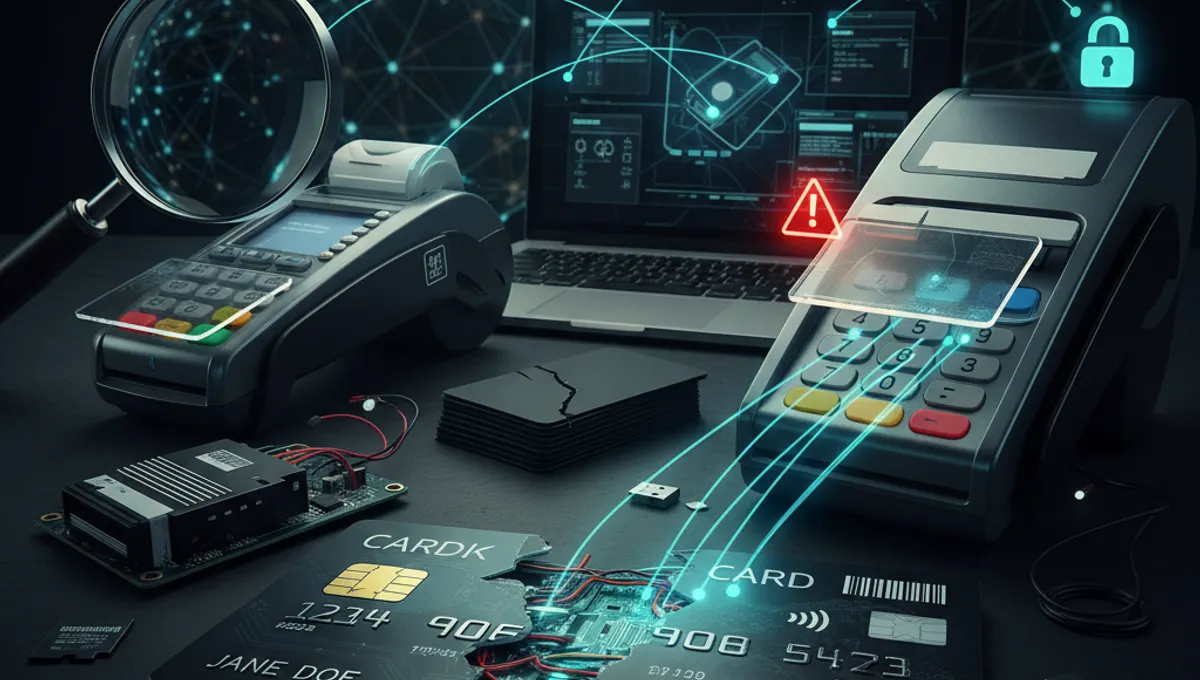
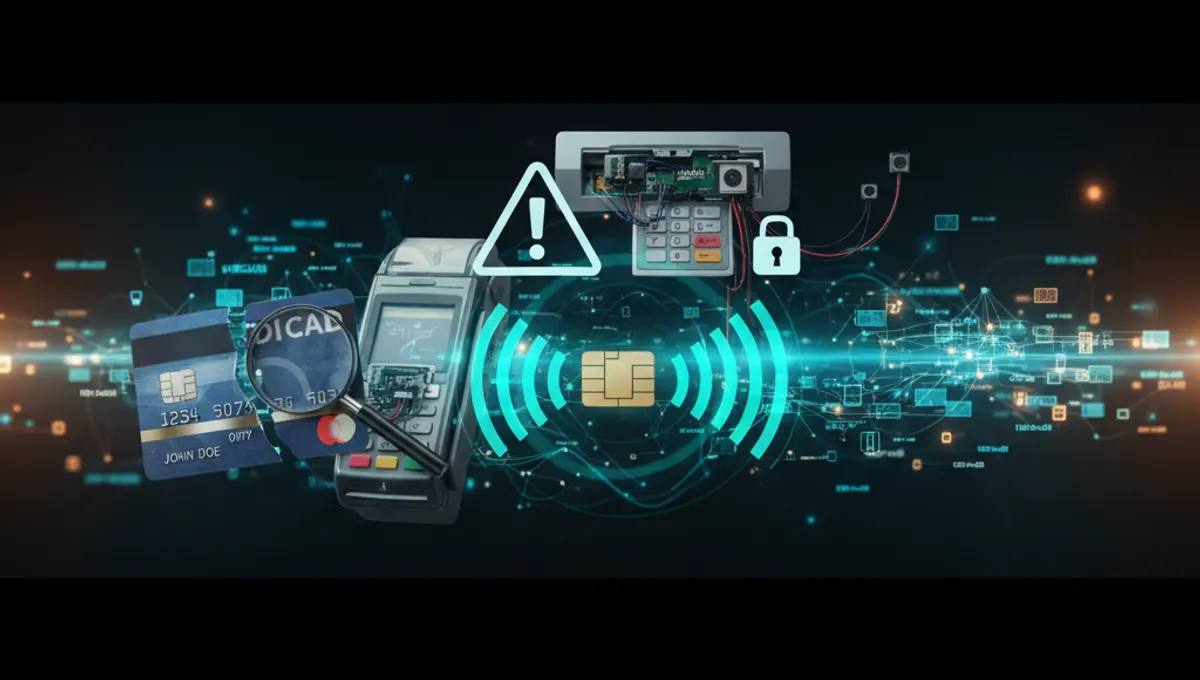
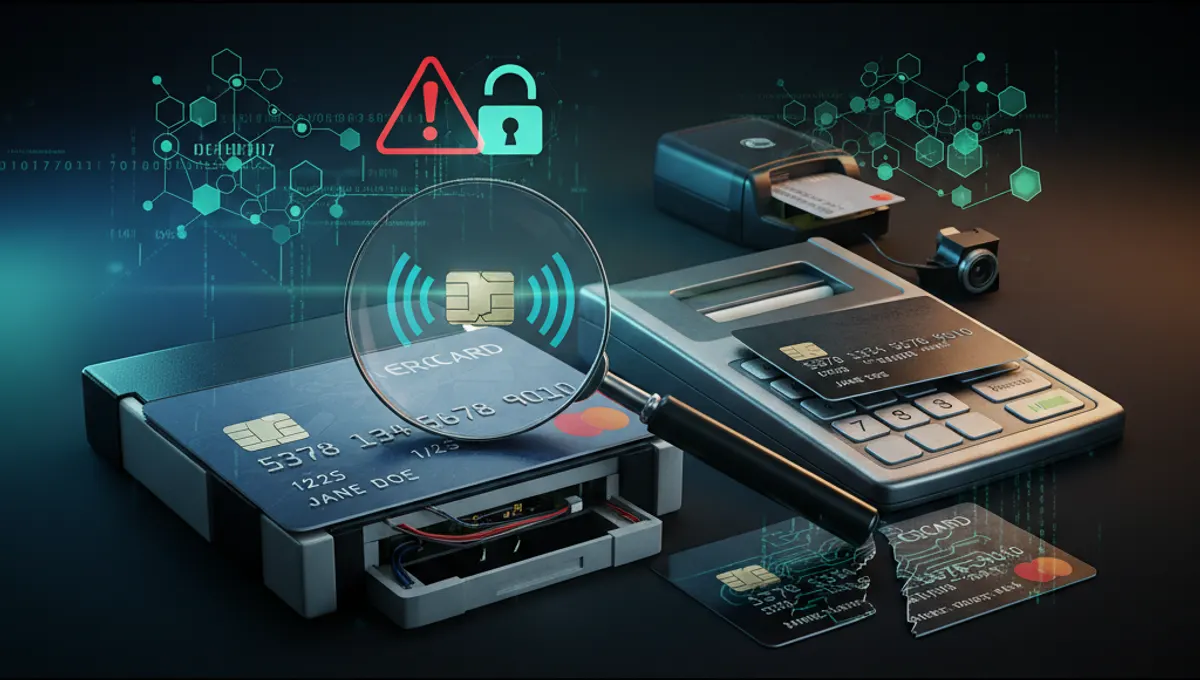
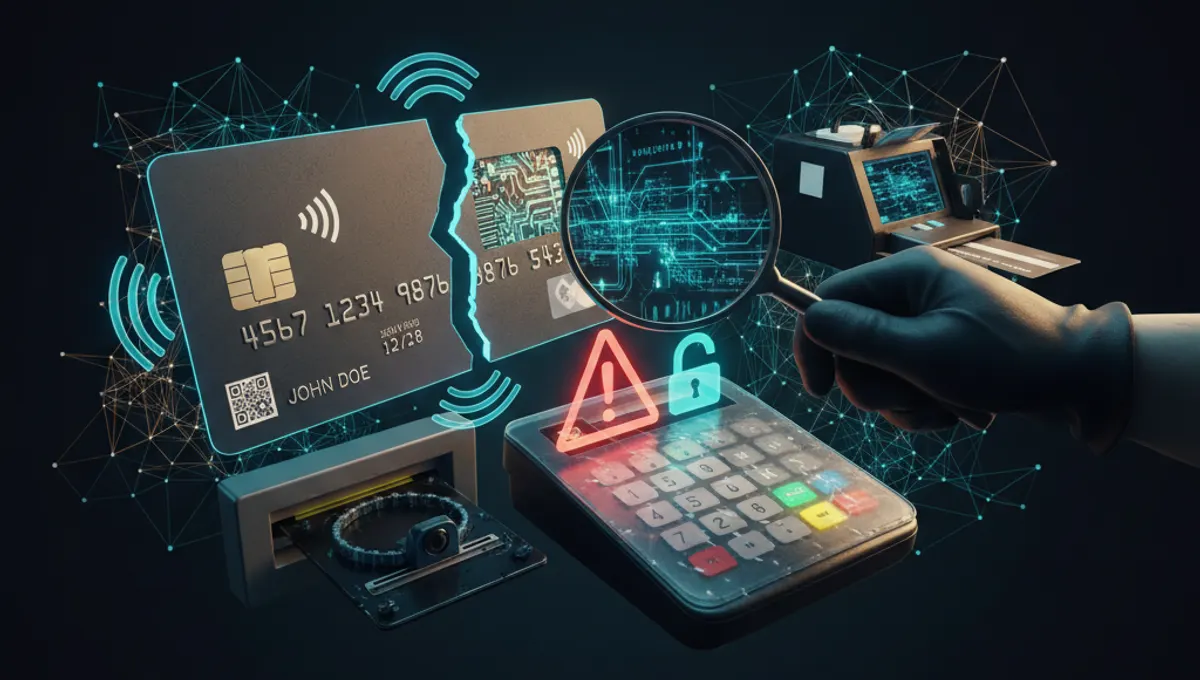
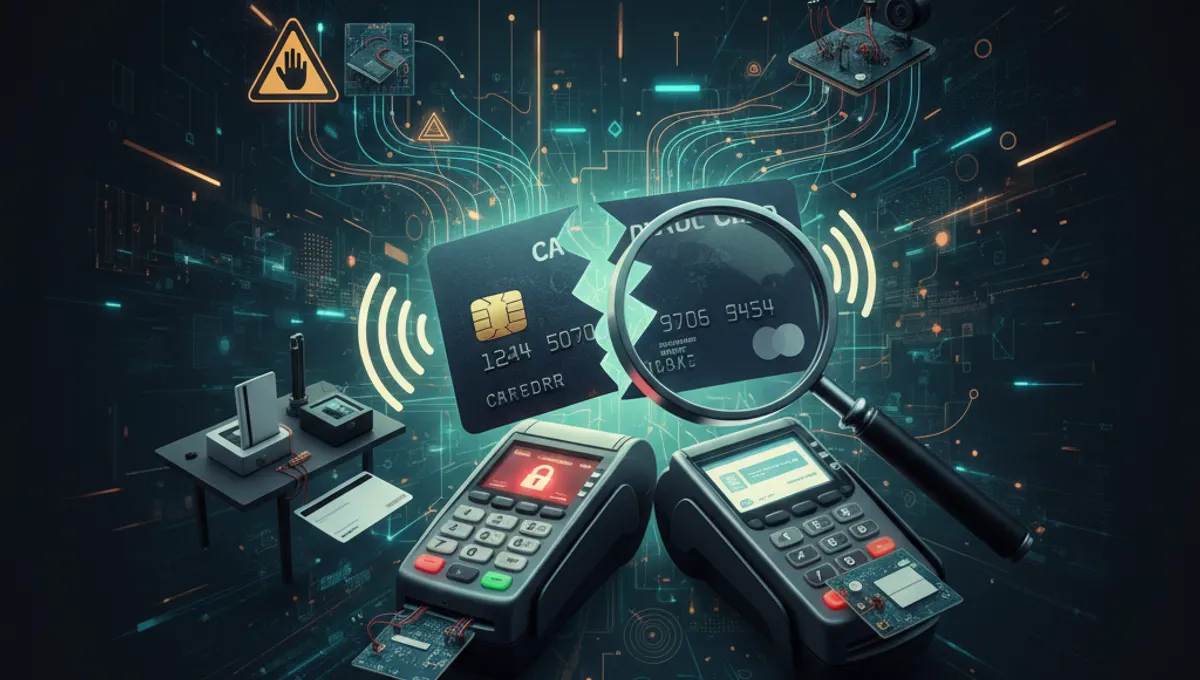
A skimming device is hardware installed on a legitimate card reader—such as an ATM, gas pump, or point-of-sale terminal—to intercept your card data as it passes through. Skimmers typically capture information from the magnetic stripe on the back of your card, though some are designed to read EMV chip data or wirelessly intercept contactless payments. The stolen data is then extracted by the attacker and either used directly to create a cloned card or sold on the dark web to other fraudsters. Shimming devices work similarly but are inserted inside the card slot rather than overlaid on top. Understanding the mechanics helps you spot the telltale signs of tampering.
How to Spot Skimming Devices Through Visual Inspection
Begin by examining the card slot and surrounding area for physical irregularities. Look for a card reader that appears loose, bulky, or sits at an odd angle compared to the rest of the machine. Check whether the card slot has any visible seams, gaps, or overlays that seem newer or misaligned with the rest of the device. Run your fingers gently around the edges of the card reader—a skimmer overlay will often feel slightly raised or have a different texture. Inspect the keypad for loose buttons or a raised surface that might conceal a hidden keypad overlay. Pay attention to any discoloration, scratches, or signs of recent tampering. If something feels off or looks out of place, do not use that machine and report it to the operator or your bank.
How to Detect ATM Skimming Devices Specifically
ATM skimmers come in several forms: overlay skimmers that sit on top of the card slot, deep-insert skimmers placed inside the slot, and keypad overlays that capture your PIN. To detect an overlay skimmer, gently try to wiggle or pull on the card slot—it should not move. Check the keypad by pressing each button firmly; if it feels spongy or unusually thick, a keypad overlay may be present. Look for a small camera or pinhole lens positioned to view the keypad from above or to the side. Examine the top of the ATM for any protruding objects or unusual attachments. Many ATMs have a protective shroud around the keypad; verify that it is intact and properly aligned. If the machine has been recently serviced, ask the bank when maintenance was last performed and whether they inspected for tampering.
How to Detect Skimmers at Gas Pumps and Card Readers
Gas pump skimmers are often installed inside the pump's card reader slot or as an external overlay. Before inserting your card, inspect the card slot for any loose or protruding parts. Try gently tugging on the card reader bezel—it should be firmly attached. Look for fresh caulk, tape, or adhesive around the edges, which may indicate recent installation of a skimmer. Check for a small wireless transmitter or antenna near the card slot; these devices are sometimes used to send stolen data to a nearby receiver. Examine the pump's exterior for any visible damage or signs of forced entry. If the pump looks tampered with or feels unstable, use a different pump or pay inside the station instead. Many gas stations now use contactless payment readers; these are generally safer than traditional magnetic stripe readers.
What Cloned Cards Are and Why They Are Sold on the Dark Web
A cloned card is a duplicate of a legitimate payment card created using stolen card data. Skimmers capture the magnetic stripe information, EMV chip data, or contactless payment credentials, which are then used to manufacture a physical card or conduct fraudulent transactions. The dark web marketplace for cloned cards exists because it offers anonymity to both sellers and buyers. Stolen card data is packaged with spin codes (CVV numbers) and sold in bulk to fraudsters who use them for purchases, cash withdrawals, or resale. The ecosystem operates through encrypted forums and marketplaces where vendors advertise cards by bank, country, and balance. Prices vary based on card type and available data. Law enforcement agencies worldwide actively investigate these marketplaces, but the decentralized nature of the dark web makes enforcement difficult.
How to Protect Your Card: Detection and Prevention Methods
Protect yourself by using ATMs and card readers in secure, well-monitored locations such as bank branches or busy retail stores. Enable transaction alerts through your bank so you receive notifications of every purchase or withdrawal. Consider using virtual card numbers or single-use payment tokens offered by many banks and payment processors; these limit the damage if the number is compromised. Prefer contactless or chip-based payments over magnetic stripe when available, as these are harder to clone. Monitor your bank and credit card statements regularly for unauthorized charges. Use a RFID-blocking wallet to prevent wireless skimming of contactless cards. When entering your PIN, shield the keypad with your hand or body to prevent hidden cameras from recording it. If you suspect a card reader is compromised, do not use it and report it immediately to the business owner or your bank.
What to Do If Your Card Has Been Compromised or Skimmed
If you notice unauthorized charges on your statement, contact your bank or card issuer immediately. Most banks allow you to dispute fraudulent transactions within a specific window, typically 60 days from the statement date. Provide the bank with details of the unauthorized charges and the date you discovered them. Your bank will initiate a dispute investigation and may issue a temporary credit while they investigate. Request a new card with a different number. Check your credit report for signs of identity theft or unauthorized accounts opened in your name. File a report with the Federal Trade Commission if your personal information was compromised. Keep detailed records of all communications with your bank and the dates of fraudulent transactions. Refund timelines vary by bank but typically range from a few days to several weeks, depending on the complexity of the dispute.
Frequently asked questions
What does a skimming device look like?
Skimming devices vary in appearance. Overlay skimmers look like a slightly raised or bulky card slot that may be a different color or material than the rest of the reader. Deep-insert skimmers are hidden inside the slot and are not visible from the outside. Keypad overlays appear as a thick or spongy layer on top of the buttons. Some skimmers include a small camera or antenna. If the card reader looks loose, misaligned, or has visible seams or gaps, it may be a skimmer.
Can you detect a skimmer by touch?
Yes. Run your fingers around the edges of the card slot and keypad. A skimmer overlay will often feel raised, have a different texture, or be slightly loose. The keypad may feel thicker or spongier than normal if a keypad overlay is present. Gently try to wiggle the card reader bezel; it should be firmly attached. If anything feels unusual or out of place, do not use that machine.
How do I know if my card information has been skimmed?
Monitor your bank and credit card statements for unauthorized charges. Enable transaction alerts so your bank notifies you of every purchase or withdrawal. Check your credit report regularly for signs of identity theft. If you see charges you did not make, contact your bank immediately to report fraud and dispute the transactions. Your bank can investigate and issue a refund if the charges are confirmed as unauthorized.
What should I do if I find a skimming device?
Do not attempt to remove or tamper with the device. Immediately stop using that card reader and report it to the business owner, manager, or the bank that operates the machine. Provide a description of what you observed and the location. Contact your bank to alert them of the potential compromise. If you used your card at that location recently, request a new card and monitor your statements for fraudulent activity.
Are contactless payments safer from skimming?
Contactless payments are generally more resistant to traditional skimming because they use tokenization and encryption. However, wireless skimmers can still intercept contactless card data if the attacker has specialized equipment. Using a RFID-blocking wallet or card sleeve adds an extra layer of protection. Contactless payments are safer than magnetic stripe readers but should be combined with other security measures like transaction alerts and regular statement monitoring.