What Are Payment Card Skimmers and How Do They Work
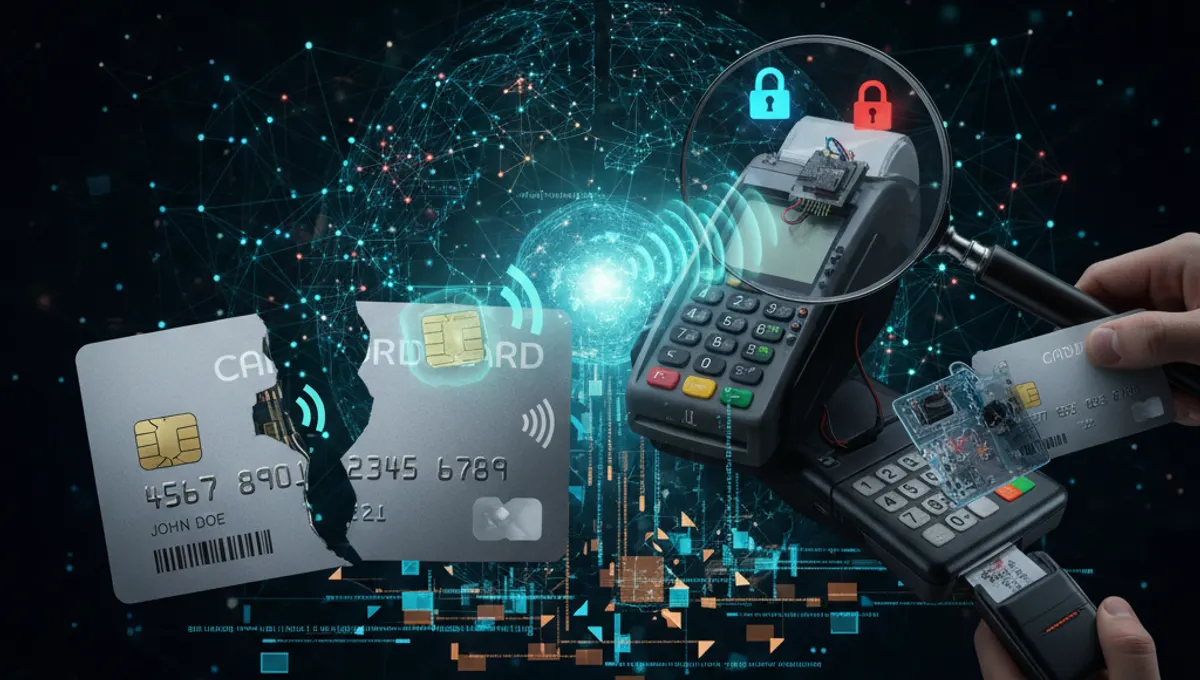
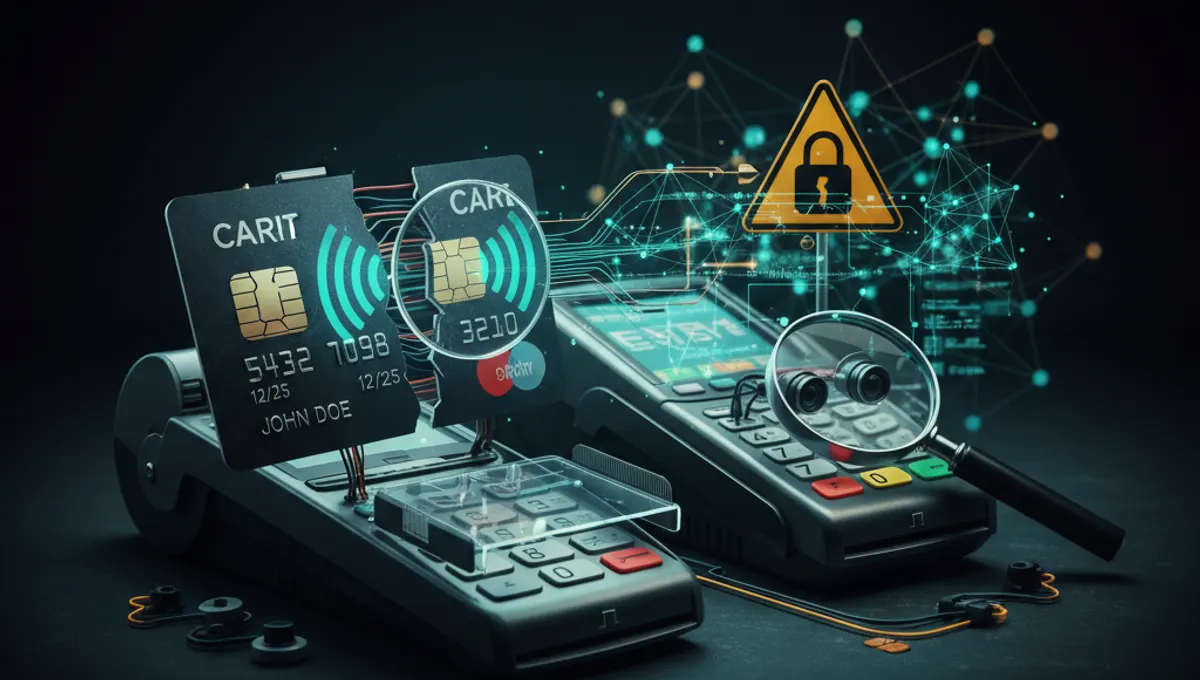
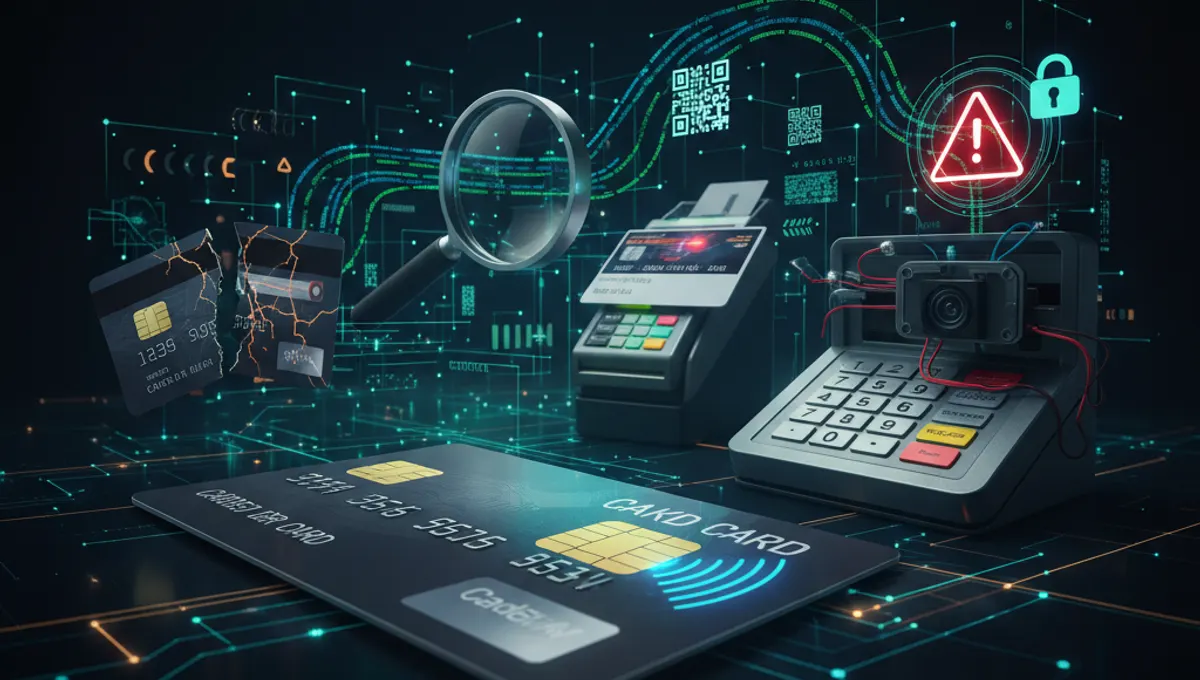
Payment card skimmers are tools designed to steal card data during legitimate transactions. They operate through several methods: overlay skimmers fit over card slots on ATMs or gas pumps and read the magnetic stripe as you insert your card; deep-insert skimmers sit inside the card slot itself; wireless skimmers transmit stolen data via Bluetooth or GSM to a nearby receiver; and shimming devices target EMV chip readers by intercepting data before encryption occurs. Magnetic stripe skimmers capture the full track data—cardholder name, card number, expiration date, and CVV—which is then used to create cloned cards. Contactless skimmers exploit NFC technology to read payment information from cards or mobile wallets without physical contact. The stolen data typically flows to criminal networks where it is aggregated, verified, and sold on dark web marketplaces.
How to Detect Card Skimmers at ATMs and Gas Pumps
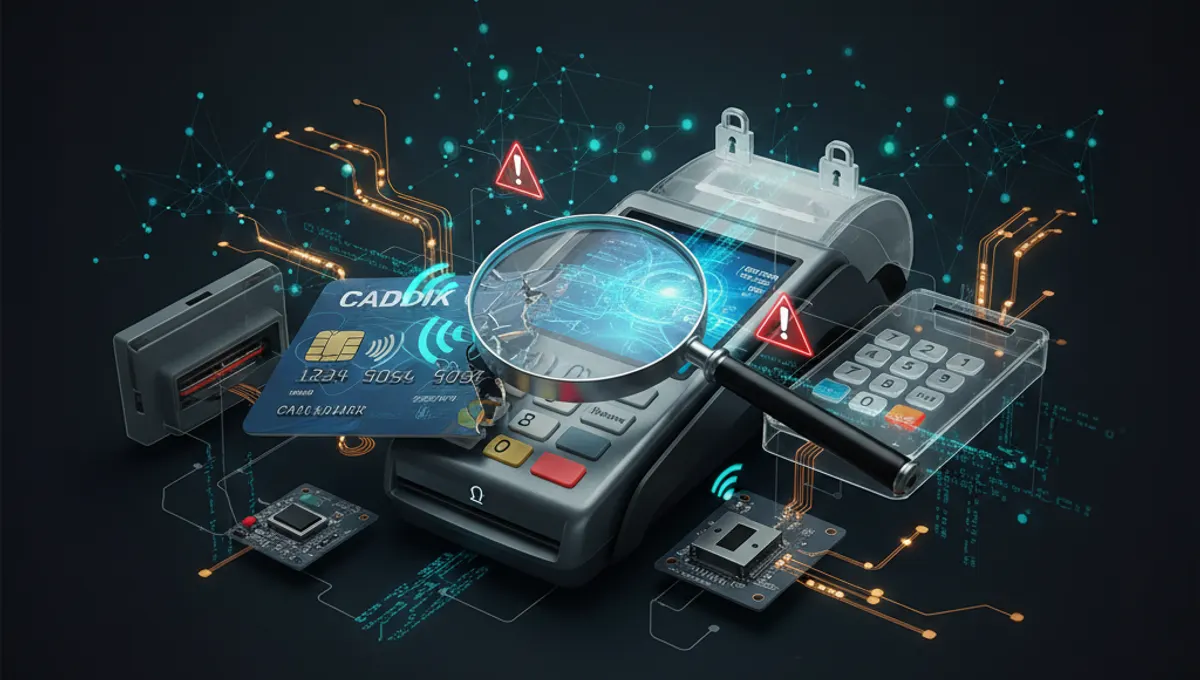
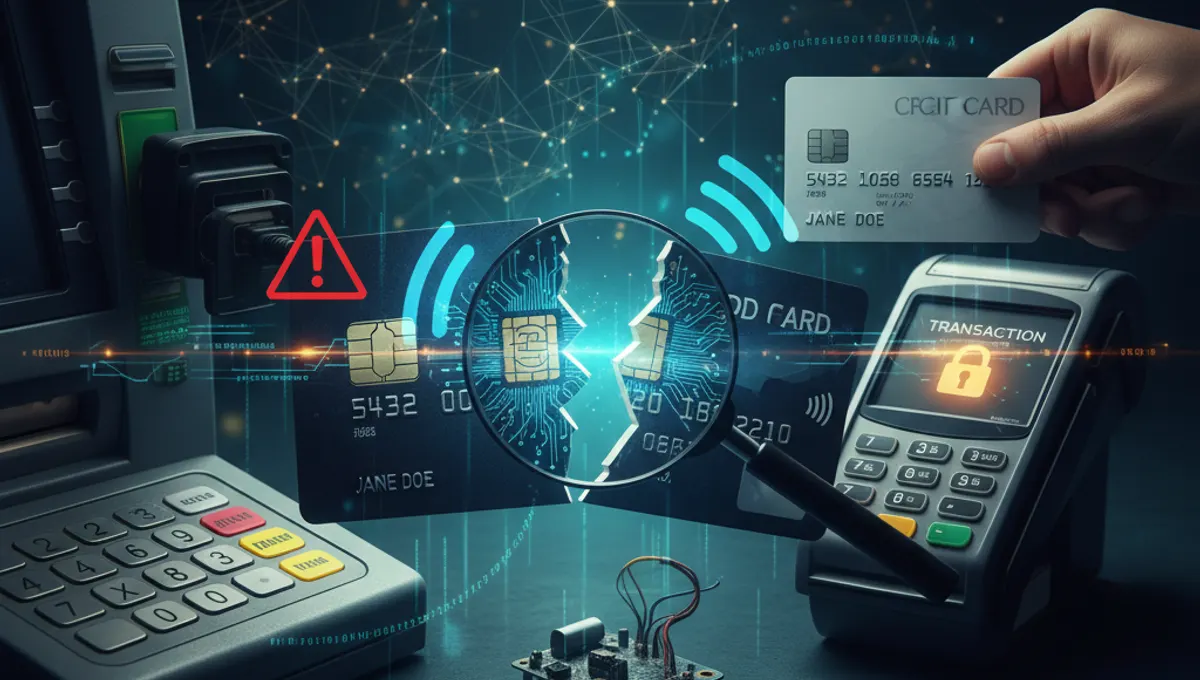
Detecting card skimmers requires visual inspection and awareness of physical anomalies. Examine the card slot for loose, protruding, or misaligned components; legitimate card slots fit flush with the machine's frame. Check for extra keypads or overlays covering the PIN pad—these are common on ATMs and gas pumps. Look for small holes or cameras positioned to capture PIN entry. Gas pump skimmers often appear as aftermarket attachments that don't match the pump's design or color. Wiggle the card slot gently; a skimmer may shift or feel loose. At gas stations, use pumps closest to the building entrance, as they are serviced more frequently and monitored more closely. Before inserting your card, inspect the entire front panel for signs of tampering, adhesive residue, or fresh paint. If something feels off, use a different machine or visit another location. Many financial institutions recommend checking your account statements regularly and enabling transaction alerts to catch fraudulent activity early.
Types of Card Skimmers: Magnetic Stripe vs. EMV Chip Readers
Magnetic stripe skimmers target the older magnetic stripe technology found on the back of most cards. These devices read the full track data in a single swipe, capturing all information needed to create a clone card. EMV chip readers, also called shimming devices, are more sophisticated and target the chip-based authentication system. Shimmers intercept data between the chip and the terminal before encryption is applied, though EMV technology makes full cloning more difficult. Contactless skimmers exploit NFC and RFID signals emitted by modern cards and mobile wallets, reading data from several inches away without physical contact. Wireless skimmers—whether Bluetooth or GSM-based—transmit captured data in real-time to a receiver held by the criminal, eliminating the need to retrieve the device later. Some skimmers combine multiple technologies, capturing both magnetic stripe and chip data simultaneously. Understanding which type of skimmer you might encounter helps inform your protection strategy, though the most effective defense remains vigilance during transactions and monitoring your accounts.
The Dark Web Cloned Card Sales Ecosystem
Cloned cards are sold on dark web marketplaces as part of a structured criminal ecosystem. After skimmers or data breaches capture card information, the data is aggregated and verified through test transactions to confirm validity and remaining balance. Verified card data is then packaged and sold in bulk or individually on dark web forums and marketplaces, often organized by card type, issuing bank, country, and available balance. Sellers typically offer guarantees or refunds if cards are declined, establishing a quasi-legitimate marketplace structure. Buyers range from individual fraudsters to organized crime groups. The cards are used for fraudulent purchases, cash withdrawals, or resold again at a markup. Prices vary based on card freshness, balance, and verification status. This ecosystem relies on anonymity tools like Tor and cryptocurrency for transactions, creating a distributed network difficult for law enforcement to disrupt. The supply chain is continuous—as long as skimmers remain installed and data breaches occur, the marketplace maintains inventory. Understanding this ecosystem illustrates why detecting and removing skimmers is a priority for financial institutions and law enforcement.
Legal Consequences of Card Cloning and Fraud
Legal consequences for card cloning, possession of cloned cards, and fraud vary significantly by jurisdiction. In the United States, federal charges typically include wire fraud, identity theft, and access device fraud. Wire fraud carries penalties up to 20 years imprisonment and fines up to $250,000. Identity theft charges under the Identity Theft and Assumption Deterrence Act carry sentences up to 15 years and fines up to $250,000. Possession of cloning devices or blank cards with intent to defraud is prosecuted under access device fraud statutes, carrying up to 15 years imprisonment. State-level charges for credit card fraud, forgery, and theft add additional penalties. European jurisdictions impose similar or harsher sentences, with some countries imposing 5-10 year sentences for organized card fraud. Penalties increase substantially for organized schemes, repeat offenses, and large-value fraud. Restitution to victims is often mandated. Even possession of a single cloned card without use can result in felony charges in many jurisdictions. The specific charges and sentences depend on the amount defrauded, number of victims, and whether the offense is prosecuted federally or at state level. Consulting a criminal defense attorney is essential if you face such charges.
How to Protect Your Card from Skimmers and Fraud
Multiple layers of protection reduce skimming and fraud risk. Use contactless or tokenized payments when available—these technologies encrypt transaction data and limit exposure of your full card number. Enable real-time transaction alerts through your bank's mobile app or SMS notifications, allowing you to spot unauthorized charges immediately. Consider using virtual card numbers for online purchases; many banks and payment services generate single-use card numbers that expire after one transaction. At ATMs and gas pumps, cover the keypad with your hand while entering your PIN to prevent camera capture. Inspect machines before use and avoid those showing signs of tampering. Use ATMs in well-lit, monitored locations. Request a chip reader rather than swiping your magnetic stripe when possible, as chip transactions are more secure. Monitor your credit reports regularly through official channels and consider placing a fraud alert or credit freeze with the three major credit bureaus. Use RFID-blocking wallets if concerned about contactless skimming, though this is less common than physical skimming. Check your statements weekly rather than monthly to catch fraud early. Notify your bank immediately of any suspicious activity.
What to Do If Your Card Information Is Compromised
If you discover unauthorized charges or suspect your card data has been compromised, act immediately. Contact your card issuer's fraud department by phone using the number on the back of your card or your bank's official website—do not use numbers from emails or texts, as these may be fraudulent. Report the specific unauthorized transactions and request a dispute. Most card issuers provide temporary credit within 24-48 hours while investigating. The formal dispute process typically takes 10 business days, though issuers often resolve cases faster. Request a replacement card with a new number and expiration date. File a report with the Federal Trade Commission at IdentityTheft.gov, which creates an official record and may help with disputes. If your Social Security number or personal information was also compromised, place a fraud alert or credit freeze with Equifax, Experian, and TransUnion. Monitor your credit reports for new accounts opened in your name. Keep documentation of all communications with your bank and the FTC. Do not assume the fraud will resolve on its own—proactive reporting is essential. Most card issuers have zero-liability policies for unauthorized charges, meaning you typically won't be held responsible for fraudulent transactions reported promptly.
Frequently asked questions
What is the difference between a card skimmer and a shimmer?
A skimmer reads magnetic stripe data from the back of your card, capturing the full track information needed to clone it. A shimmer (or EMV shimmer) targets chip-based readers by intercepting data between the chip and terminal before encryption occurs. Skimmers are more common and easier to deploy, while shimmers require more technical knowledge but can bypass some EMV protections. Both are installed on ATMs, gas pumps, or point-of-sale terminals.
Can you detect a card skimmer with your phone?
Some mobile apps claim to detect skimmers using NFC or Bluetooth scanning, but their effectiveness is limited. These apps may identify wireless skimmers transmitting data, but they cannot detect physical overlay or deep-insert skimmers. Visual inspection remains the most reliable detection method. Your phone's camera can help you photograph suspicious devices for later review or to report to authorities, but it cannot definitively identify hidden skimmers inside card slots.
How long does it take for a cloned card to be used after skimming?
Cloned cards can be used within hours of data capture, though timing varies. Criminals typically test stolen card data immediately to verify validity and available balance. Once verified, the data is packaged and sold on dark web marketplaces, where buyers may use it within days or weeks. Some cards are used for small test purchases first to avoid triggering fraud alerts, then larger transactions follow. This is why monitoring your account weekly or enabling real-time alerts is critical for catching fraud early.
Are chip cards immune to skimming?
Chip cards are more resistant to skimming than magnetic stripe cards, but not immune. Chip technology encrypts transaction data, making it difficult to clone through standard skimming. However, shimmers can intercept chip data before encryption, and criminals can still use skimmed magnetic stripe data from chip cards that have both technologies. Contactless payments on chip cards can also be skimmed via NFC readers. No card technology is completely skimming-proof; layered protection including monitoring and alerts remains essential.
What should I do if I find a skimmer on a machine?
Do not attempt to remove or tamper with the device. Immediately notify the business owner, bank, or ATM operator by phone using contact information from their official website or signage. Report the location and description of the suspicious device. Contact your local police non-emergency line to file a report. If you used the machine before discovering the skimmer, contact your card issuer's fraud department and monitor your account closely. Document the device with photos if safe to do so, and provide these to authorities.