What Is a Credit Card Skimmer and How Does It Capture Data
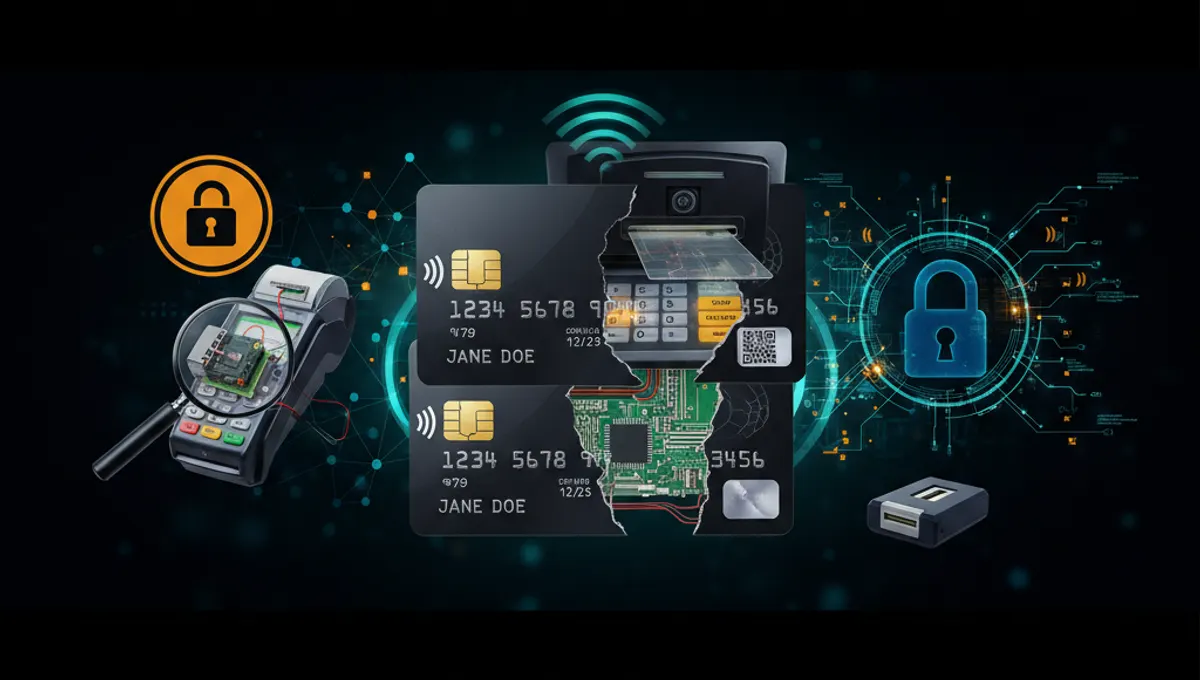
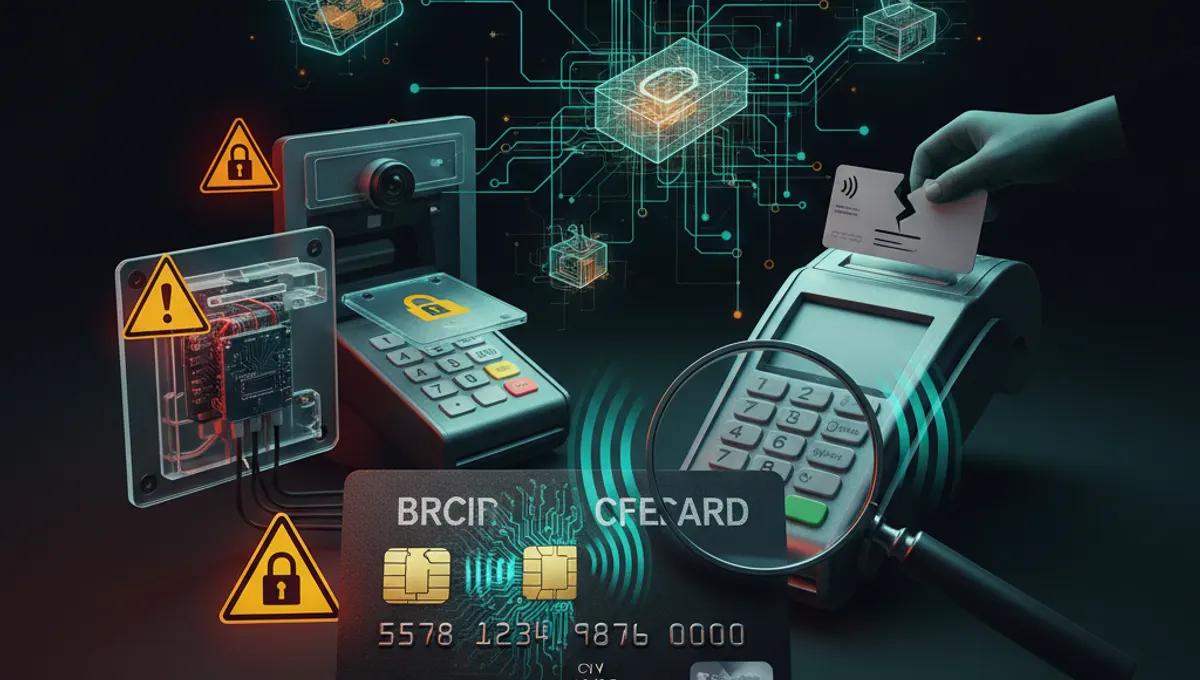
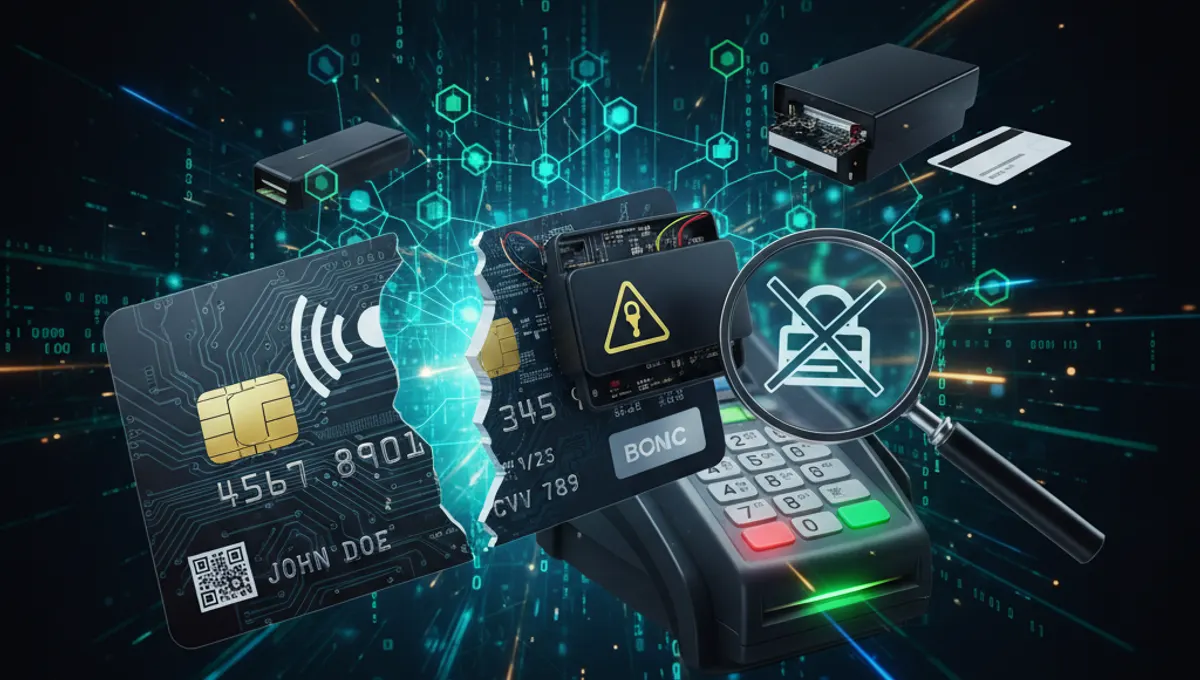
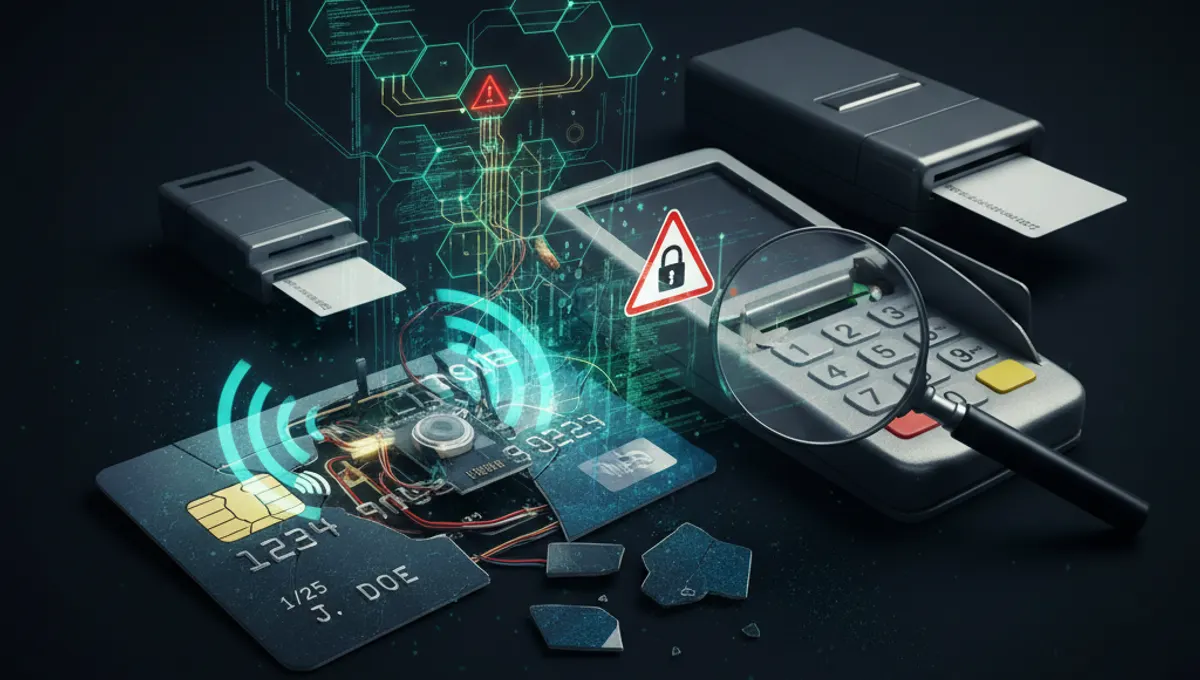
A credit card skimmer is a device placed on or inside an ATM, gas pump, or point-of-sale terminal that reads card information without your knowledge. Skimmers work by capturing data from the magnetic stripe on the back of your card or, in some cases, from the EMV chip. The device records the card number, expiration date, and cardholder name. Some advanced skimmers also include a hidden camera or overlay keypad to capture your PIN. Criminals may use a shimmer, which is inserted directly into the card slot and reads EMV chip data as the card passes through. The captured information is either stored on the device itself or transmitted wirelessly to the attacker. Card data can also be obtained through large-scale database breaches, where retailers or financial institutions are compromised and millions of records are leaked online.
How Cloned Cards Are Created and Sold on the Dark Web
Once skimmers or data breaches collect card information, criminals use that data to create cloned cards by encoding the stolen information onto blank cards with magnetic stripe writers or programmable chip writers. These cloned cards function like legitimate cards at point-of-sale terminals, especially at older merchants that do not verify the CVV or use chip readers. The dark web hosts marketplaces where vendors sell cloned cards in bulk or individually, often bundled with additional details like the cardholder's name, address, and PIN. Buyers on these platforms use cryptocurrency to purchase cards, which are then shipped or sold for cash. The ecosystem operates through encrypted forums and vendor-managed shops where reputation systems encourage repeat transactions. Sellers often provide guarantees or refunds if cards are declined, mimicking legitimate e-commerce practices. The profitability of this trade depends on the card's available balance, the merchant's fraud detection systems, and the speed at which the card is used before the legitimate cardholder or bank detects the fraud.
Legal Consequences of Possessing, Using, or Selling Cloned Cards
Possession of a cloned card or skimming device is illegal in most jurisdictions and typically falls under multiple criminal statutes. Charges may include fraud, identity theft, unauthorized access to financial accounts, and device-based fraud. Using a cloned card to make purchases constitutes wire fraud and theft, with penalties varying by jurisdiction and the amount of money involved. Selling cloned cards or skimming devices can result in charges related to conspiracy, money laundering, and trafficking in stolen financial information. Specific penalty ranges depend on local laws; some jurisdictions impose mandatory minimum sentences for financial crimes, while others allow judges discretion. Federal charges in the United States, for example, carry sentences that can extend to multiple years in prison plus substantial fines. International enforcement has increased, with law enforcement agencies cooperating to prosecute dark web vendors. Conviction records for financial crimes can result in permanent employment restrictions, especially in banking and security sectors. Restitution to victims is often ordered as part of sentencing.
How Card Cloning and Fraud Transactions Occur on Dark Web Marketplaces
Dark web marketplaces operate as hidden services accessible through Tor or similar anonymity networks. Vendors list cloned cards with details such as card type, issuing bank, available balance, and country of origin. Buyers browse listings, read vendor reviews, and negotiate prices in cryptocurrency, typically Bitcoin or Monero. Payment is held in escrow by the marketplace until the buyer confirms receipt and card functionality. Once purchased, cloned cards are either shipped via mail or provided as digital data that the buyer can encode onto blank cards themselves. Some vendors offer additional services, including tutorials on card usage, advice on merchant selection, and information about which retailers have weaker fraud detection. Transactions are conducted through encrypted messaging and pseudonymous accounts. The marketplace infrastructure includes dispute resolution mechanisms and vendor verification processes designed to build trust among criminals. Law enforcement agencies monitor these platforms and have successfully identified and prosecuted major vendors through blockchain analysis, metadata correlation, and undercover operations.
How to Detect ATM Skimmers and Protect Your Card Information
Detecting a skimmer requires visual inspection of the ATM or card reader before use. Look for loose, misaligned, or unusually thick card slots, as skimmers are often attached over the legitimate reader. Check for hidden cameras positioned above the keypad or to the side. Wiggle the card slot gently; a skimmer may shift or feel unstable. Use ATMs in well-lit, monitored locations such as bank lobbies rather than isolated machines. Cover the keypad with your hand when entering your PIN to prevent shoulder surfing or camera capture. Enable transaction alerts on your bank account so you receive notifications for any card activity. Use contactless or tokenized payments when available, as these methods do not transmit your full card number. Consider using virtual card numbers generated by your bank or payment app for online purchases. Request chip readers instead of magnetic stripe readers when possible, as EMV chips are harder to clone than magnetic stripes. Regularly monitor your bank statements and credit reports for unauthorized transactions. Opt for paperless statements to reduce the risk of mail theft containing sensitive information.
What to Do If Your Card Information Is Compromised or Fraudulent Charges Appear
If you notice unauthorized charges on your card, contact your bank or card issuer immediately. Most financial institutions have fraud departments available 24/7. Report the specific transactions you did not authorize and request a dispute. The bank will typically issue a temporary credit while investigating, though the timeline varies by institution and the amount involved. Document all communications with the bank, including the date, time, and name of the representative you spoke with. Request a new card with a different number to prevent further unauthorized use. File a report with the Federal Trade Commission through IdentityTheft.gov if your personal information was compromised, as this creates an official record. Check your credit reports from all three bureaus for signs of identity theft, such as accounts opened in your name. Place a fraud alert or credit freeze on your accounts to prevent criminals from opening new lines of credit. Refund timelines typically range from 10 to 45 days depending on the bank's investigation and your account history. Keep records of all fraudulent transactions for tax purposes if applicable, and for future reference in case of repeated fraud.
Why Cloned Card Sales Persist Despite Legal Risks
Cloned card sales continue because the barriers to entry are low, profits are high, and enforcement is difficult across borders. Criminals operate from jurisdictions with weak cybercrime laws or limited cooperation with international law enforcement. The anonymity provided by Tor and cryptocurrency makes tracing transactions challenging, though not impossible. Demand remains steady because merchants worldwide still accept magnetic stripe cards and do not consistently verify CVV codes. The speed of transactions means criminals can extract value from a cloned card before detection occurs. Replacement of stolen cards is relatively simple for victims, reducing personal risk perception. The dark web marketplace infrastructure provides vendor reputation systems and escrow services that reduce buyer risk, encouraging repeat purchases. Law enforcement agencies prioritize cases involving large-scale breaches or organized crime rings over individual skimmer operations. The profitability of the trade attracts new entrants continuously, even as some vendors are arrested. International cooperation on cybercrime prosecution remains inconsistent, leaving gaps in enforcement.
Frequently asked questions
How can I tell if an ATM has a skimmer attached
Inspect the card slot for loose, misaligned, or protruding components. Gently wiggle the slot to check for movement or instability. Look for hidden cameras above or beside the keypad. Check for tape, glue residue, or color mismatches indicating an overlay device. Use ATMs in secure locations like bank lobbies. If something feels wrong, use a different machine and report your concerns to the bank.
What is the difference between a shimmer and a skimmer
A skimmer is placed over the card slot and reads the magnetic stripe as the card passes through. A shimmer is inserted inside the card slot itself and reads EMV chip data. Shimmers are harder to detect because they are hidden inside the machine. Both devices capture card information without the cardholder's knowledge. Shimmers became more common as banks upgraded to chip technology.
Can cloned cards be used at chip readers
Cloned cards with only magnetic stripe data cannot be used at chip readers because the chip is missing or blank. However, if criminals clone both the magnetic stripe and EMV chip data, the card may work at chip readers. Most cloned cards are used at older merchants or online retailers that do not require chip verification. Contactless payments and tokenized transactions provide additional protection against cloned card fraud.
How long does it take to get a refund for fraudulent charges
Most banks issue a temporary credit within 1 to 5 business days while investigating the dispute. The full investigation typically takes 10 to 45 days depending on the bank and the complexity of the case. Once the bank confirms the charge was unauthorized, the credit becomes permanent. Some banks offer faster resolution for high-value transactions. Keep documentation of all communications with your bank during the dispute process.
What criminal charges apply to buying or selling cloned cards
Buying cloned cards can result in charges for fraud, identity theft, and unauthorized access to financial accounts. Selling cloned cards or skimming devices may lead to charges for conspiracy, money laundering, and trafficking in stolen financial information. Specific penalties depend on jurisdiction, the number of cards involved, and the total amount of fraud. Federal charges can result in multiple years of imprisonment plus substantial fines and restitution orders.