What Is a Black Box Credit Card Skimmer
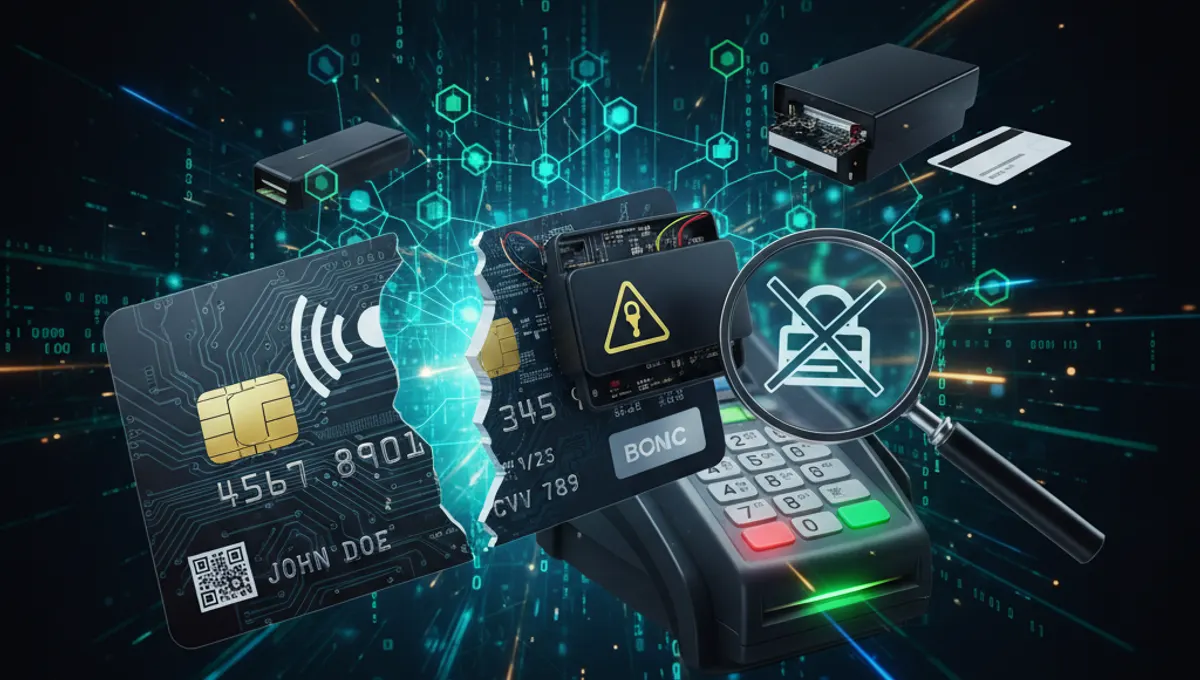
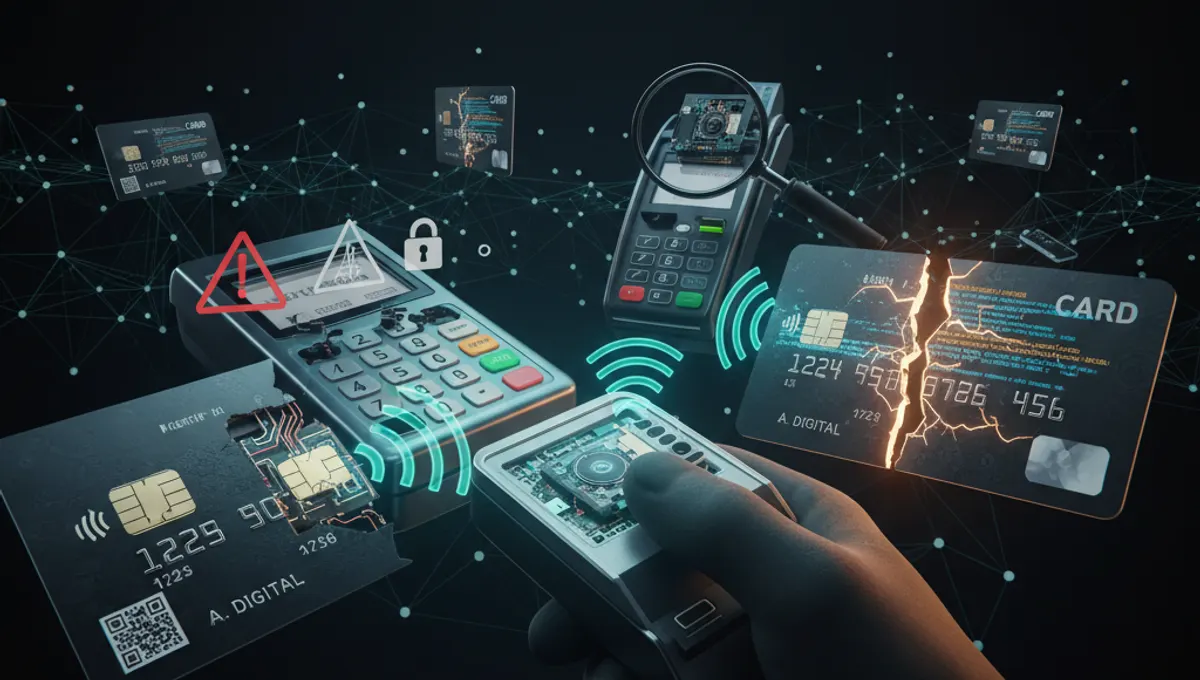
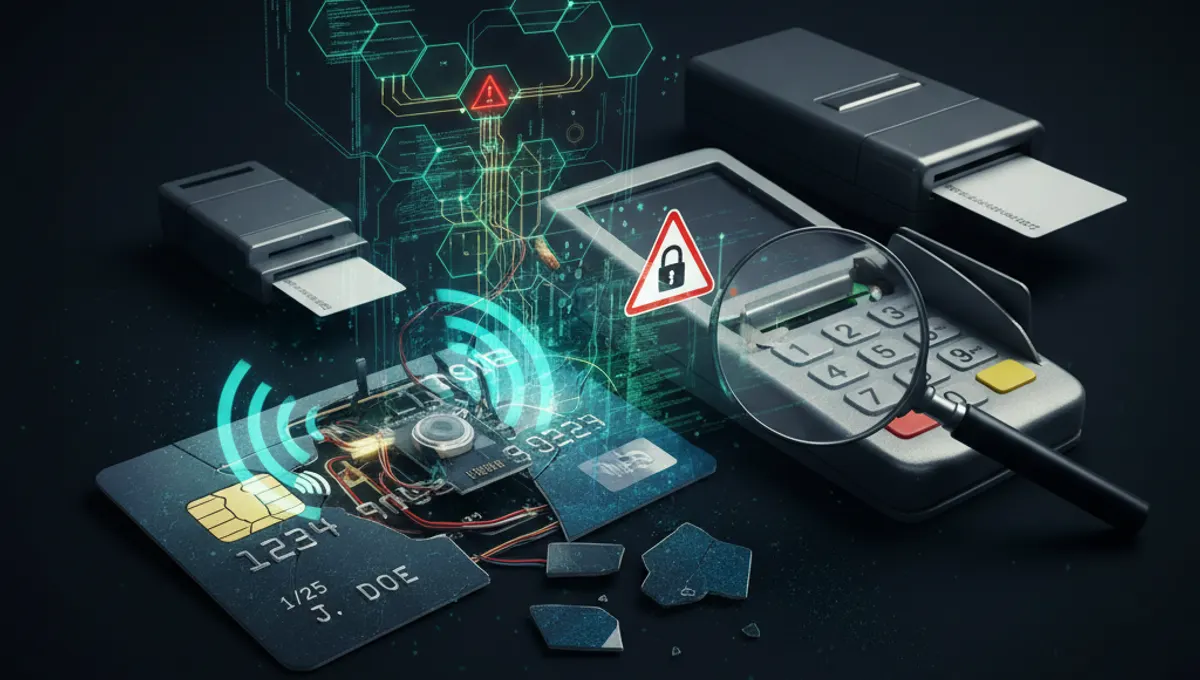
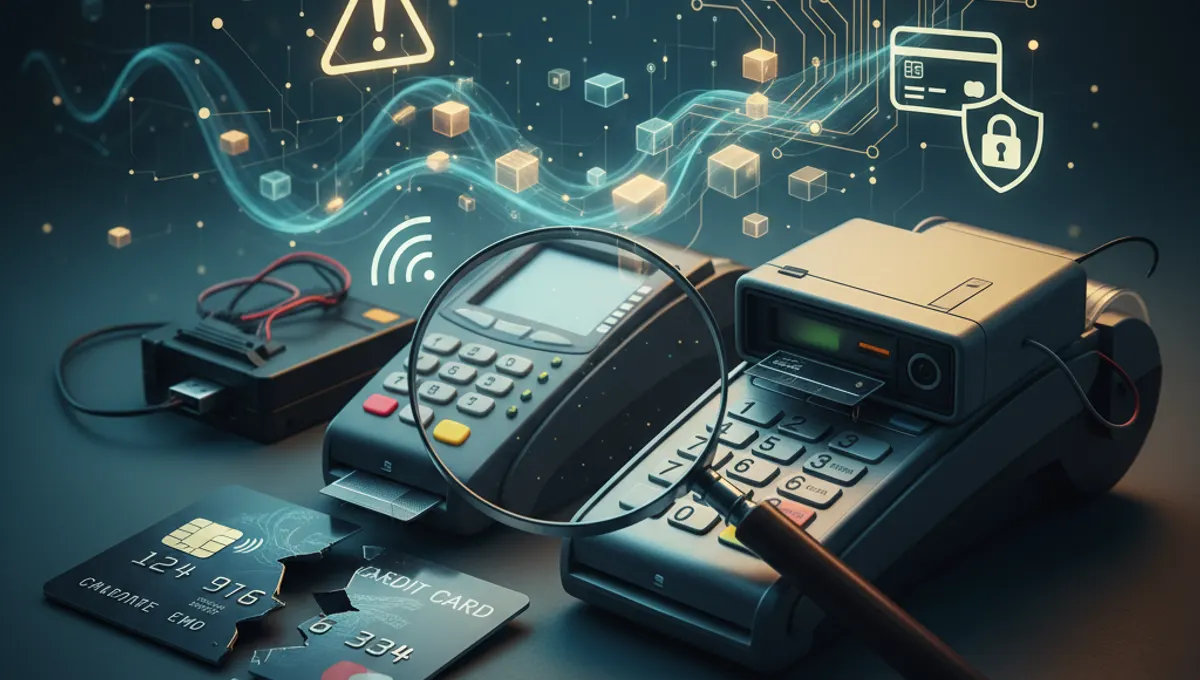
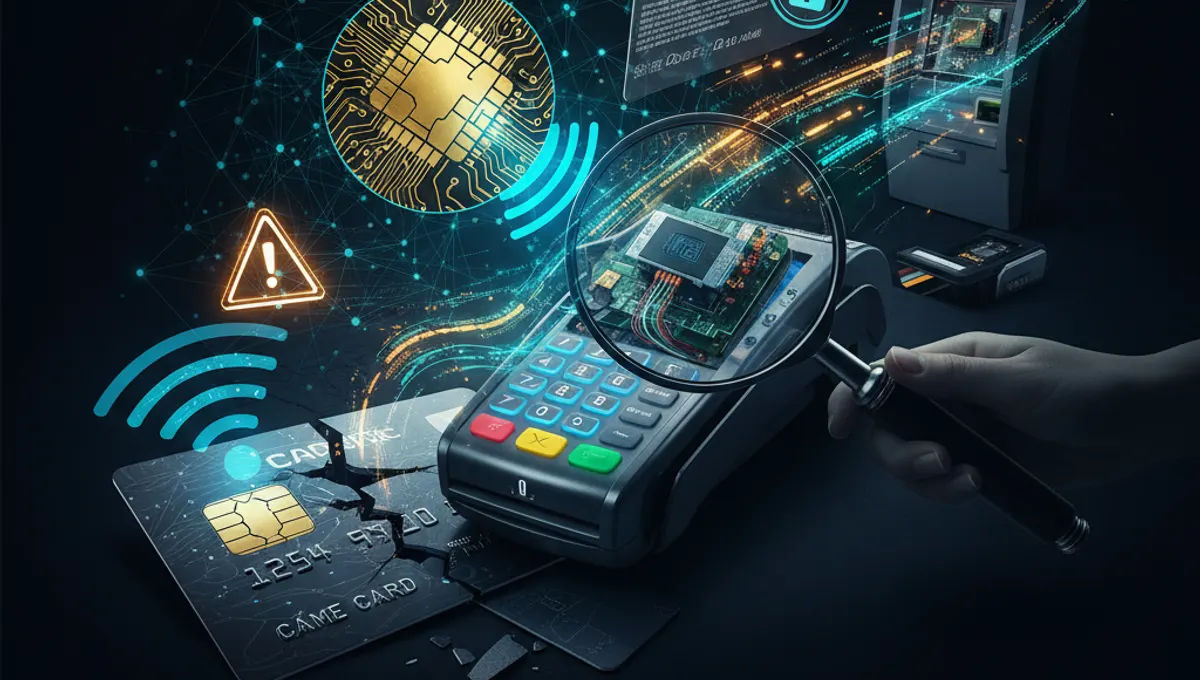
A black box skimmer is a small electronic device that intercepts card information during a legitimate transaction. Unlike overlay skimmers that sit on top of card readers, black box units are installed internally within ATM or fuel pump mechanisms. They capture data from the magnetic stripe, EMV chip, or both, depending on the device design. Some models include wireless transmission capabilities using Bluetooth or cellular signals to send stolen information to nearby criminals. The term 'black box' refers to both the physical appearance and the hidden nature of the device. These skimmers are often paired with hidden cameras or PIN pad overlays to capture additional authentication data. The stolen information typically includes the cardholder's name, card number, expiration date, and sometimes the CVV, which is sufficient for fraudsters to create cloned cards or conduct unauthorized transactions.
How Cloned Cards Are Created From Skimmed Data
When a black box skimmer captures card data, that information is sold or used to create cloned cards through a process called carding. Criminals use specialized equipment to encode the stolen magnetic stripe data onto blank cards or existing cards with modified data. EMV chip cloning is more complex but possible through various techniques that bypass certain security layers. The cloned card functions identically to the original, allowing fraudsters to make purchases at retail locations, withdraw cash from ATMs, or conduct online transactions. Cloned cards are frequently sold on dark web marketplaces where buyers pay per card or in bulk lots. These marketplaces operate similarly to legitimate e-commerce platforms but use cryptocurrency for transactions and Tor browsers for anonymity. The supply chain includes skimmer operators, data brokers, card cloners, and end-user fraudsters. Cards with higher credit limits or those linked to business accounts command premium prices. The entire process from skimming to sale typically occurs within days or weeks.
Where Black Box Skimmers Are Typically Found
Black box skimmers are most commonly installed in ATMs, particularly at standalone machines in convenience stores, gas stations, and remote locations with less frequent maintenance. Gas pump terminals are another primary target because customers insert cards unattended and transactions are routine. Some skimmers have been discovered at 7-11 locations and other convenience retailers where card readers are accessible. ATM card readers are vulnerable because the internal mechanisms are often standardized across manufacturers, making installation straightforward for criminals with technical knowledge. Chip card skimmers target EMV readers specifically, though these are more technically challenging to install than magnetic stripe devices. Contactless payment terminals are increasingly targeted as tap-to-pay adoption grows. The best credit card skimmers are designed to be nearly invisible during normal operation, fitting seamlessly into existing hardware without triggering alarms or causing transaction failures. Installation typically requires temporary access to the machine, often during maintenance windows or through social engineering of service personnel.
Detecting a Black Box Skimmer Before Use
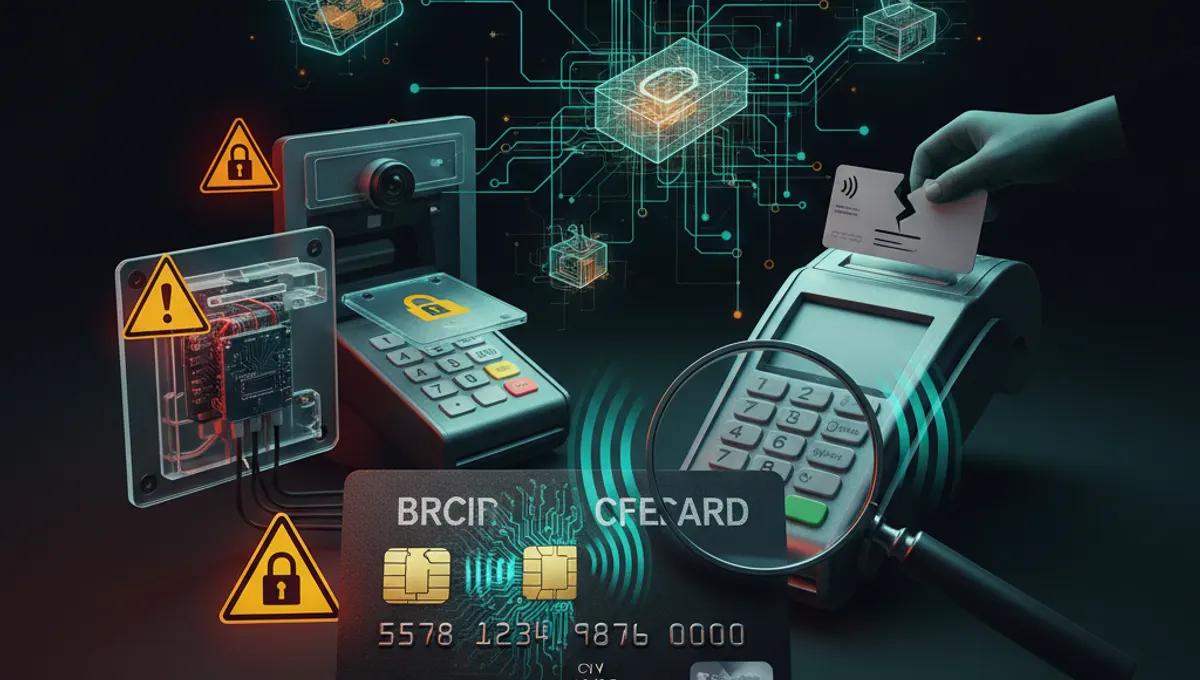
Visual inspection is the first line of defense against black box skimmers. Examine the card reader slot for loose components, misaligned parts, or anything that appears recently installed or different from surrounding machines. Check for hidden cameras positioned to capture PIN entry, typically mounted above or to the side of the keypad. Wiggle the card reader faceplate gently; legitimate components should not move or feel loose. Look for extra wires, small boxes, or devices attached to the machine's exterior or visible through gaps. Test the keypad by pressing buttons before entering your PIN; a functioning overlay will feel raised or spongy compared to the original. Be suspicious of ATMs in low-traffic areas or machines that appear poorly maintained. Use ATMs inside bank branches rather than standalone units when possible, as these receive more frequent monitoring. For gas pumps, check that the pump door closes securely and that the card reader appears factory-sealed. If anything seems unusual, use a different machine and report your concerns to the operator or bank immediately.
Protecting Your Card From Skimming Attacks
Use contactless payment methods whenever available, as these employ tokenization and encryption that prevent direct card data capture. Virtual card numbers generated by your bank or payment app provide a unique number for each transaction, limiting exposure if data is compromised. Enable transaction alerts on your bank account to receive notifications of purchases in real time, allowing you to dispute fraudulent charges immediately. Monitor your credit reports regularly through official channels to detect unauthorized accounts opened in your name. Consider using a RFID-blocking wallet for cards with contactless capabilities, though this is a secondary measure. Avoid using ATMs in isolated locations or those that appear tampered with; bank branch ATMs are generally safer. For online purchases, use credit cards rather than debit cards, as credit card fraud liability is typically limited by law. Set up account notifications for any changes to contact information or linked devices. Request chip-enabled cards from your bank rather than magnetic stripe-only cards, as EMV technology provides better fraud protection. Regularly review your statements for unfamiliar charges and report discrepancies within the timeframe specified by your bank.
Legal Consequences of Possessing or Using Cloned Cards
Possession of a cloned card with intent to use it constitutes fraud in most jurisdictions and can result in criminal charges. Using a cloned card for transactions is typically prosecuted as identity theft, wire fraud, or access device fraud depending on the method and amount involved. Penalties vary significantly by jurisdiction but commonly include felony charges, imprisonment, fines, and restitution to victims. Federal charges apply when fraud crosses state lines or involves interstate commerce, carrying enhanced penalties. Possession of skimming devices or equipment used to create cloned cards is separately criminal in many jurisdictions, often prosecuted as conspiracy or possession of fraud implements. First-time offenders may face probation, community service, or short-term incarceration, while repeat offenders typically receive longer sentences. Restitution requirements often exceed the amount fraudulently obtained, as courts may order payment for investigation costs and victim notification expenses. Civil liability can result in additional damages beyond criminal penalties. Immigration consequences apply to non-citizens convicted of fraud-related offenses. The specific charges and sentencing depend on the amount defrauded, number of victims, and prior criminal history.
What To Do If Your Card Information Is Compromised
Contact your bank or card issuer immediately upon discovering unauthorized charges or suspecting your card data has been stolen. Most issuers have fraud departments available 24/7 and can freeze your account within minutes. Request a new card with a different number; replacement cards typically arrive within 5-10 business days, though expedited delivery is often available. File a dispute for each fraudulent transaction; your bank will investigate and typically issue a provisional credit within 10 business days while the investigation proceeds. Obtain a case number and written confirmation of the dispute from your bank for your records. Monitor your account closely for 30-60 days following the incident, as criminals may attempt additional transactions. Place a fraud alert with the three major credit bureaus (Equifax, Experian, TransUnion) to prevent unauthorized credit applications. Consider placing a credit freeze if you believe your personal information was compromised beyond just card data. Request your credit reports from each bureau and review them for unauthorized accounts or inquiries. If the compromise involved a data breach at a retailer or service provider, check their notification for details on what information was exposed and what protections they're offering. Document all communications with your bank and keep records of the incident for potential tax deduction purposes if you incurred losses.
Frequently asked questions
How does a black box skimmer transmit stolen card data
Most black box skimmers use wireless transmission methods including Bluetooth, cellular signals, or WiFi to send captured card data to a receiver held by the criminal nearby or remotely. Some devices store data internally and are physically retrieved by the operator later. Wireless models allow criminals to collect data without returning to the machine, reducing detection risk. The transmission typically occurs in real time or in batches depending on the device design.
Can EMV chip cards be skimmed by a black box device
EMV chip cards are more resistant to skimming than magnetic stripe cards, but black box skimmers can still capture chip data through specialized techniques. Some devices bypass certain EMV security layers, though this requires more sophisticated equipment. Criminals often target the magnetic stripe data on chip cards as a fallback, since many retailers still accept magnetic stripe transactions. Contactless EMV transactions are more secure against skimming than inserted chip transactions.
What is the difference between a black box skimmer and a shimmer
A black box skimmer is installed internally within ATM or terminal mechanisms, while a shimmer is a thin device inserted into the chip card reader slot that captures EMV chip data. Shimmers are typically easier to install and remove but are more likely to be noticed during inspection. Black box devices are more permanent installations requiring technical access to the machine's interior. Both serve the same purpose of capturing card data for cloning.
How quickly can stolen card data be used to create cloned cards
Cloned cards can be created within hours of data capture, and fraudulent transactions may begin within 24 hours. Dark web marketplaces list stolen card data for sale almost immediately after acquisition. The speed depends on the criminal's access to card encoding equipment and blank cards. Some fraudsters prioritize high-value cards and use them quickly before the legitimate cardholder notices and reports the fraud.
Are bank ATMs safer than standalone ATMs regarding skimmers
Bank branch ATMs are generally safer because they receive more frequent maintenance and monitoring by bank security personnel. Standalone ATMs in convenience stores and gas stations are more commonly targeted because they have less frequent inspections. However, no ATM is completely immune to skimming. Using ATMs during business hours when staff are present and choosing well-lit, high-traffic locations reduces risk regardless of the machine type.