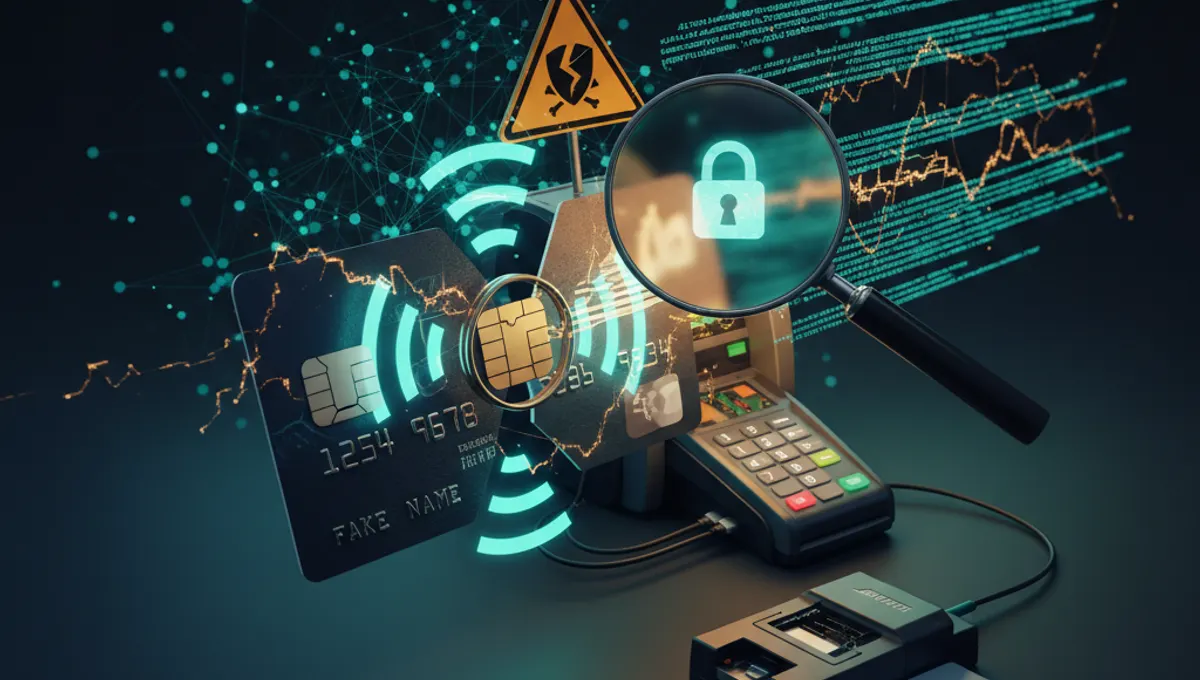
What Is a POS Credit Card Skimmer and How Does It Work
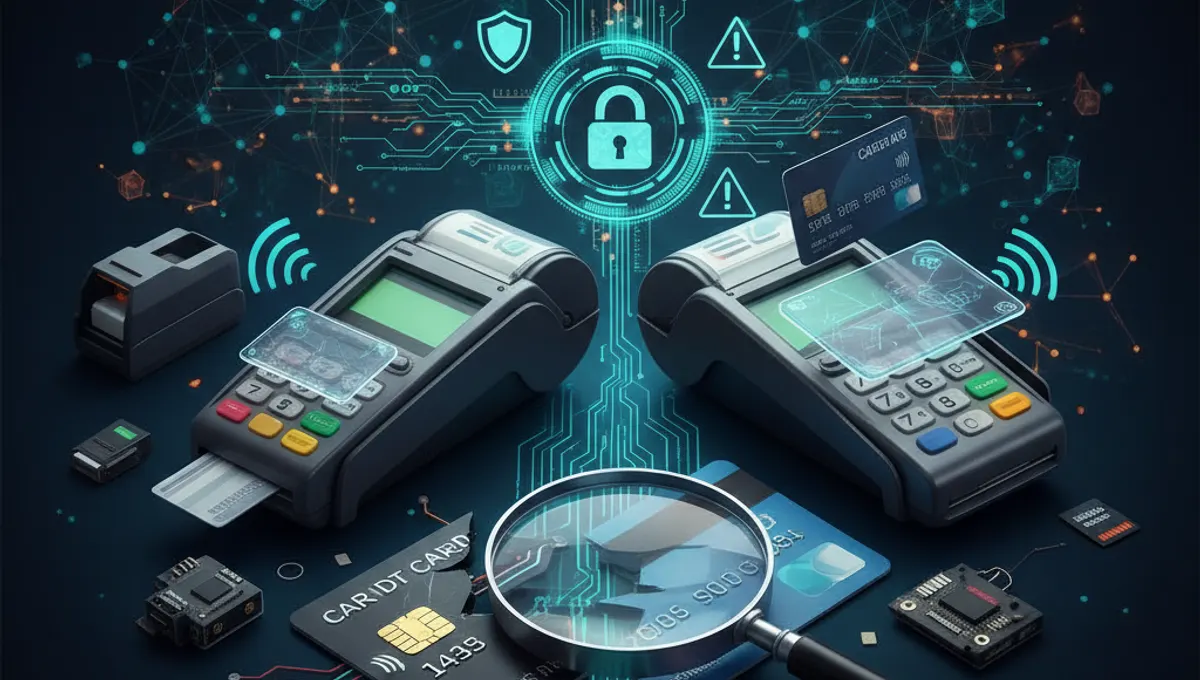
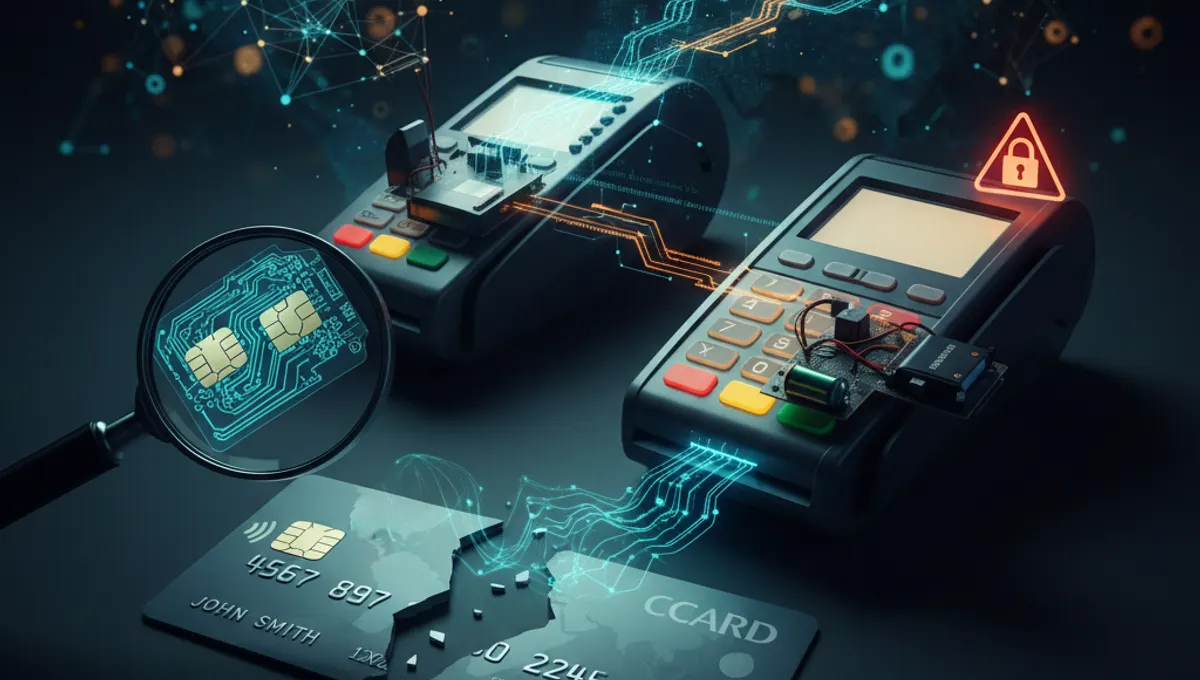
A POS credit card skimmer is hardware placed on a payment terminal to intercept card information without the cardholder's knowledge. Unlike gas pump or ATM skimmers, POS devices target retail checkout counters, convenience stores, and restaurants. The skimmer reads the magnetic stripe as your card passes through the terminal, capturing the card number, expiration date, and sometimes the CVV. Some advanced POS skimmers also target EMV chip readers by using shimming technology, which sits between the chip and the terminal's reader. The captured data is either stored in the device's memory or transmitted wirelessly to a nearby receiver. Criminals retrieve the device later or access the data remotely, then sell the information on dark web marketplaces or use it to manufacture cloned cards.
Difference Between Magnetic Stripe and EMV Chip Skimming
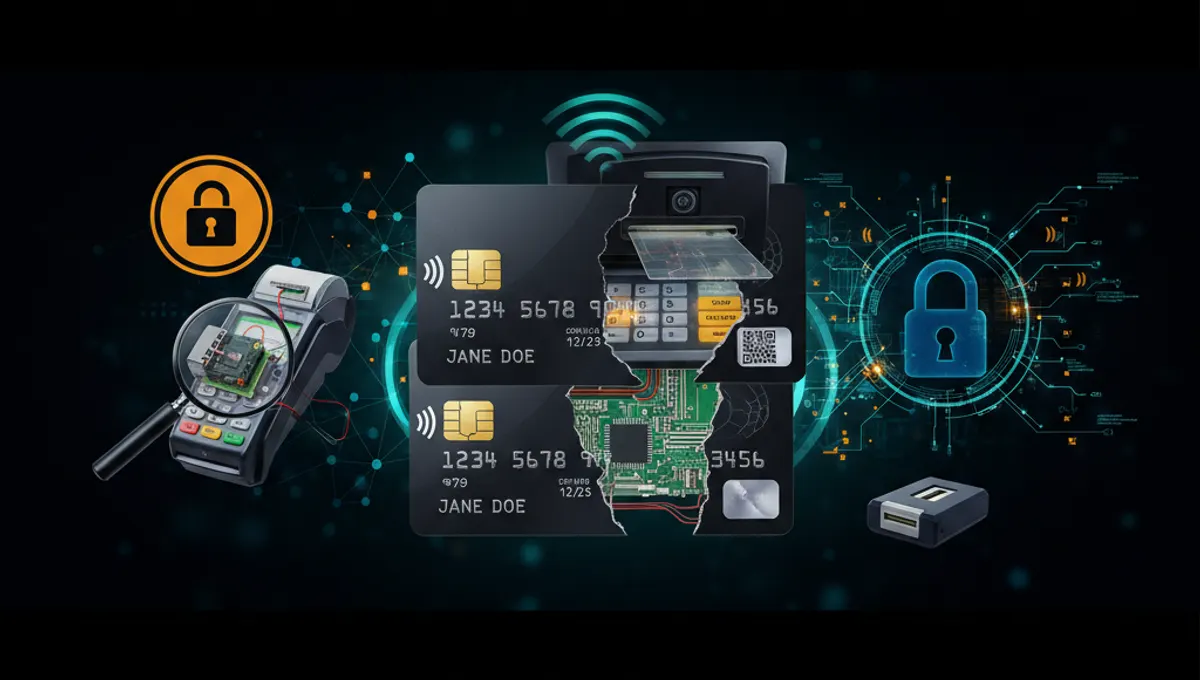
Magnetic stripe skimming is the traditional method where a POS skimmer reads the encoded data on the back of your card. This data includes your full card number and expiration date, making it relatively easy to clone. EMV chip technology was designed to prevent this by generating a unique transaction code for each purchase, making the chip data useless for creating cloned cards. However, criminals have developed shimming devices that fit inside chip readers and capture the chip data during the transaction. Some POS skimmers use a hybrid approach, attempting to read both the magnetic stripe and the chip. The key difference is that magnetic stripe data alone is sufficient to create a working cloned card, while EMV chip data alone typically cannot be used for fraud without additional information like the PIN or CVV.
Common Locations for POS Card Skimmers
POS credit card skimmers are most commonly found at convenience stores, gas station attendant counters, restaurants, and retail shops where terminals are less frequently monitored. A 711 credit card skimmer or similar device at convenience stores is particularly common because these locations often have older, less secure terminals and high transaction volumes. Restaurants present another prime target because servers often take cards away from customers' sight to process payments. Retail stores with self-checkout systems or handheld payment terminals are also vulnerable. Skimmers are less common at major chain stores with newer, more secure terminals and regular security audits. The best credit card skimmer from a criminal's perspective is one that goes undetected for weeks or months, capturing hundreds of card numbers. Locations with infrequent staff changes or minimal security oversight are preferred by criminals installing these devices.
How Cloned Cards from POS Skimmers Are Sold on the Dark Web
Once criminals extract data from a POS card skimmer, they sell the card information on dark web marketplaces. These marketplaces operate as directories where vendors list batches of stolen card data, often organized by card type, issuing bank, or country. Buyers can purchase individual card numbers or bulk batches at varying prices depending on the card's validity and available data. The dark web carding ecosystem includes marketplaces, forums, and specialized vendors who handle different stages of the fraud chain. Some vendors offer card data with spin codes or additional verification information, increasing the card's value. Transactions on these marketplaces typically use cryptocurrency to maintain anonymity. Sellers often provide guarantees or refunds if the card data proves invalid within a certain timeframe. The entire process from skimming to sale can take days or weeks, during which cardholders may not realize their information has been compromised. Law enforcement agencies monitor these marketplaces, but the decentralized nature of the dark web makes enforcement challenging.
How to Detect a POS Credit Card Skimmer
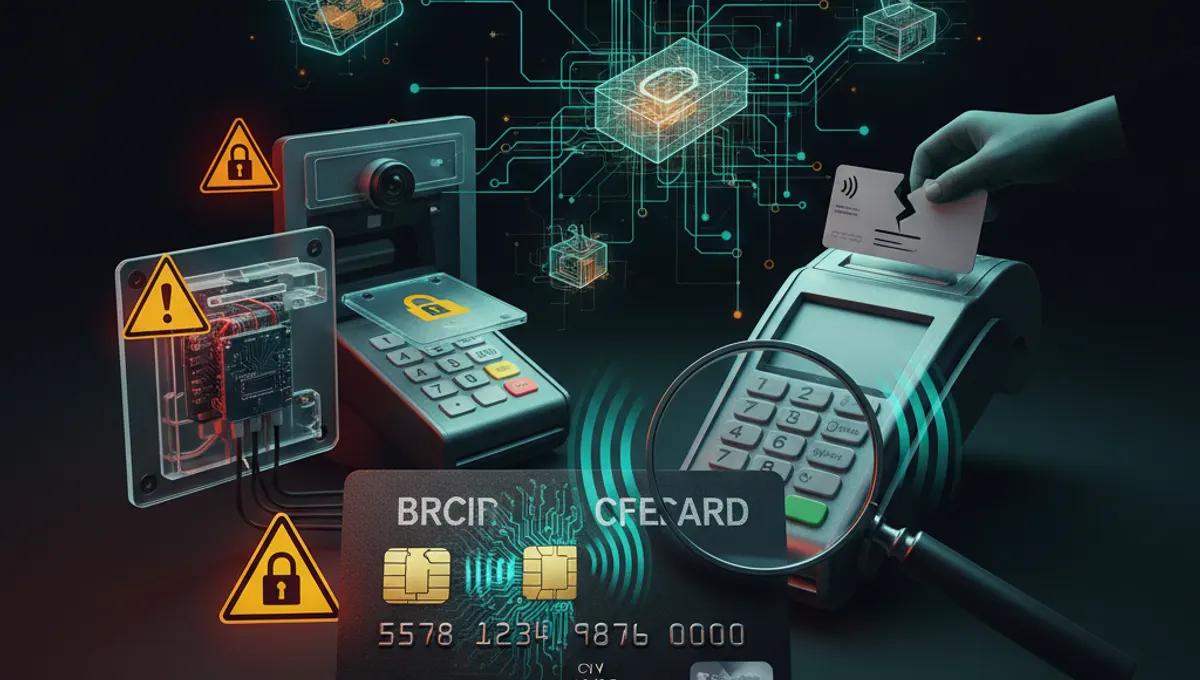
Detecting a POS credit card skimmer requires visual inspection and awareness of common installation signs. Before inserting or swiping your card, examine the card reader on the terminal. Look for loose, misaligned, or protruding components that don't match the terminal's design. A skimmer may sit on top of the legitimate reader or be inserted into the slot, creating a slightly raised or uneven appearance. Run your finger along the edges of the card slot to feel for gaps or loose parts. Check if the terminal's bezel or faceplate appears damaged, glued, or recently replaced. Some POS skimmers are nearly invisible, so trust your instincts if something feels off. If you notice anything suspicious, inform staff and use a different payment method or terminal. Contactless or chip payments are safer than swiping, as they're harder to skim. Regularly monitor your bank statements and set up transaction alerts to catch unauthorized charges quickly.
Legal Consequences of POS Skimming and Card Fraud
Possession of a POS credit card skimmer device is illegal in most jurisdictions and typically falls under device fraud or identity theft statutes. Using a skimmer to capture card data constitutes fraud and identity theft, with penalties varying by jurisdiction. Creating or selling cloned cards derived from skimmed data is prosecuted as fraud, forgery, and conspiracy. Charges may include wire fraud, access device fraud, and aggravated identity theft, depending on the scope and method. Penalties depend on the jurisdiction and specific charges but can range from misdemeanor convictions with fines to felony convictions with imprisonment. Some jurisdictions impose enhanced penalties if the scheme targets multiple victims or involves organized crime. Selling card data on the dark web can result in additional charges related to money laundering and conspiracy. Individuals caught purchasing cloned cards or using skimmed data face similar fraud and identity theft charges. The specific penalty structure and sentencing guidelines vary significantly by country and state, so consult local legal resources for precise information.
What to Do If Your Card Information Is Compromised
If you suspect your card information has been skimmed or used fraudulently, contact your card issuer immediately. Report any unauthorized transactions and request that the card be cancelled and replaced. Most card issuers offer fraud protection that limits your liability for unauthorized charges, though timelines and procedures vary. File a dispute for each fraudulent transaction through your card issuer's dispute process. Document all communications and keep records of the dispute timeline. Your issuer will typically investigate within 30 to 60 days and issue a provisional credit while the investigation proceeds. Monitor your credit reports for signs of identity theft beyond card fraud. Place a fraud alert or credit freeze with the major credit bureaus if you believe your personal information has been compromised. Consider using virtual card numbers or tokenized payments for future transactions to reduce exposure. Check your bank and credit card statements regularly, and set up transaction alerts to catch fraud early. If the skimmer was at a specific location, report it to the store manager and local law enforcement so they can investigate and remove the device.
Best Practices to Protect Your Card from POS Skimmers
Use chip readers instead of swiping whenever possible, as chip technology is more resistant to skimming. Contactless payments and mobile wallets like Apple Pay or Google Pay use tokenization, which replaces your actual card number with a unique token for each transaction, making skimming ineffective. Request virtual card numbers from your issuer for online purchases, which limits exposure if the number is compromised. Monitor your statements regularly and set up real-time transaction alerts through your bank's app or website. Cover the keypad when entering your PIN to prevent shoulder surfing or hidden cameras. Avoid using card readers that appear damaged, loose, or misaligned. When possible, use ATMs or payment terminals in well-lit, monitored locations. Carry only the cards you need and leave others at home. Consider using a RFID-blocking wallet if you use contactless cards, though this is less critical than other precautions. Freeze your credit with the major bureaus if you've been a victim of identity theft, which prevents criminals from opening new accounts in your name.
Frequently asked questions
Can a POS skimmer read EMV chip cards?
Standard POS skimmers cannot effectively read EMV chip cards because the chip generates a unique transaction code for each purchase. However, criminals have developed shimming devices that fit inside chip readers and attempt to capture chip data. Even if shimming succeeds, the captured chip data alone is typically insufficient to create a working cloned card without additional information like the PIN or CVV. Chip technology remains significantly more secure than magnetic stripe technology.
How long can a POS skimmer remain undetected?
A POS credit card skimmer can remain undetected for weeks or months, depending on how frequently staff inspect the terminal and how visible the device is. Some skimmers are designed to be nearly invisible, blending with the terminal's appearance. Criminals prefer locations with minimal security oversight and infrequent staff changes. The longer a skimmer operates, the more card data it captures and the more valuable it becomes to buyers on the dark web.
What should I do if I find a skimmer on a payment terminal?
If you discover a suspicious device on a payment terminal, do not attempt to remove it yourself. Inform the store manager or staff immediately and describe what you observed. Report the suspected skimmer to local law enforcement so they can investigate and collect evidence. Avoid using that terminal and consider using a different payment method. If you've already used your card at that terminal, contact your card issuer to monitor for fraudulent activity.
Are contactless payments safer than chip or magnetic stripe?
Contactless payments are generally safer than both chip and magnetic stripe methods because they use tokenization, which replaces your actual card number with a unique token for each transaction. Even if a criminal intercepts the token, it cannot be reused for other purchases. Contactless payments also reduce the need to insert your card into potentially compromised readers, lowering the risk of skimming.
How quickly can my card issuer refund fraudulent charges?
Most card issuers provide provisional credit within 1 to 3 business days of reporting fraud, though the official investigation typically takes 30 to 60 days. The timeline varies by issuer and the complexity of the dispute. During the investigation period, you may have temporary access to the disputed amount while the issuer verifies the unauthorized charges. Keep documentation of all communications and dispute filings for your records.