What Is a Credit Card Skimmer and How Does It Capture Data
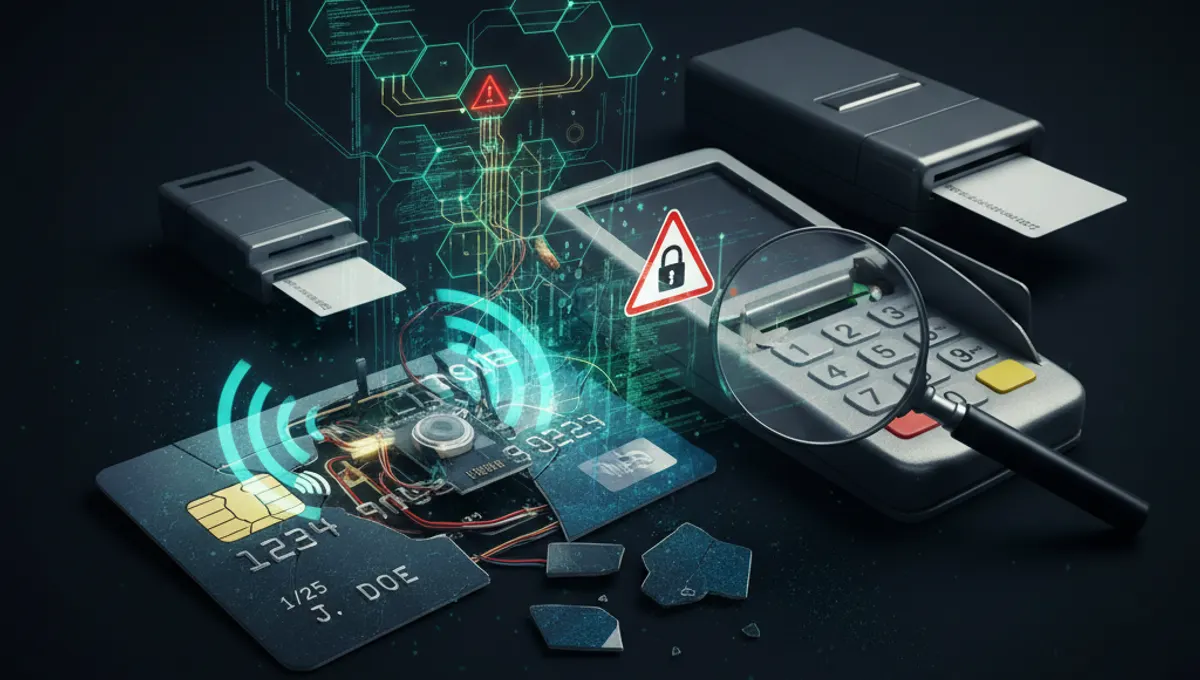
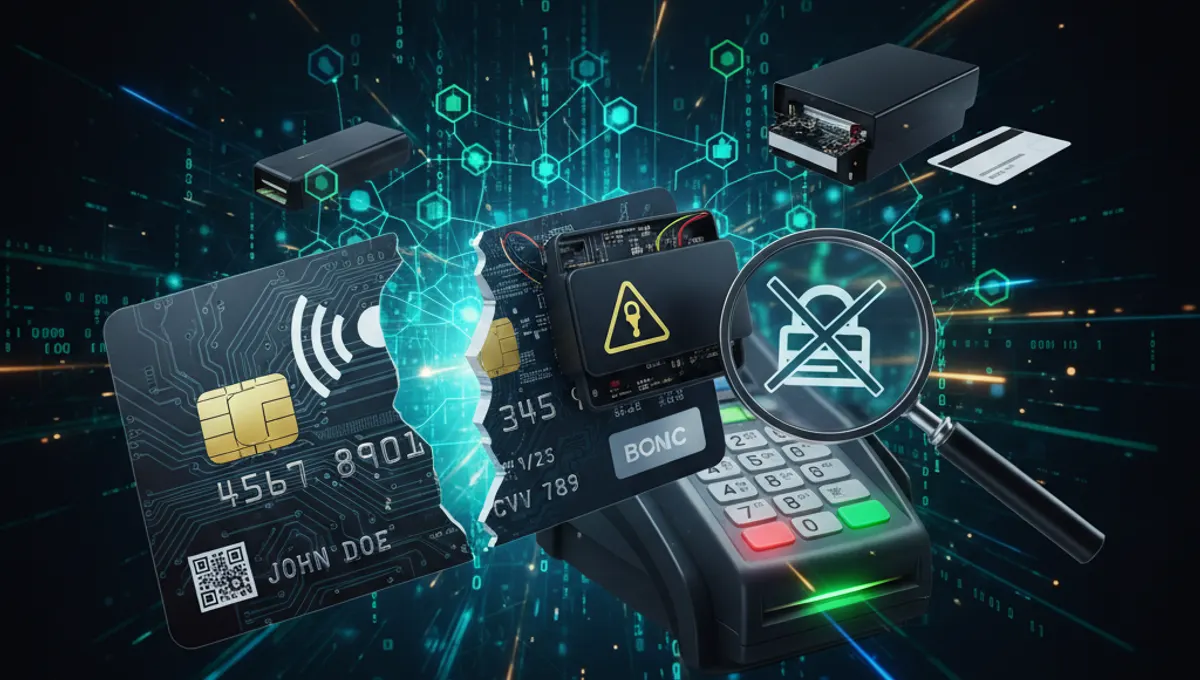
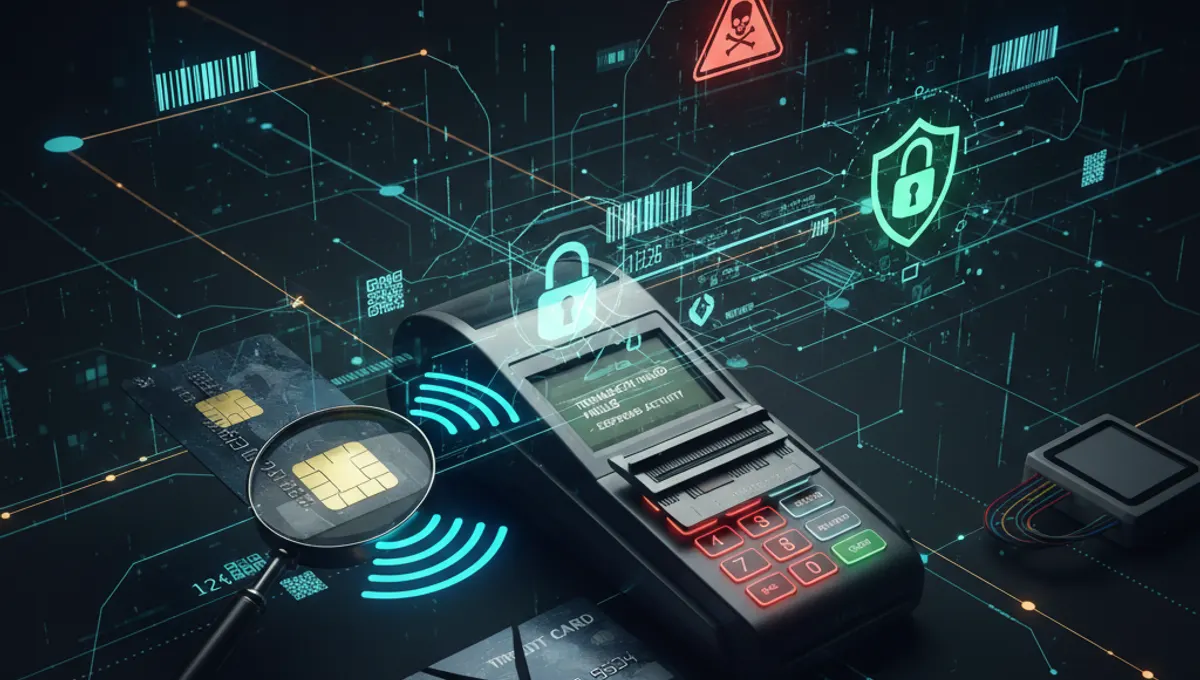
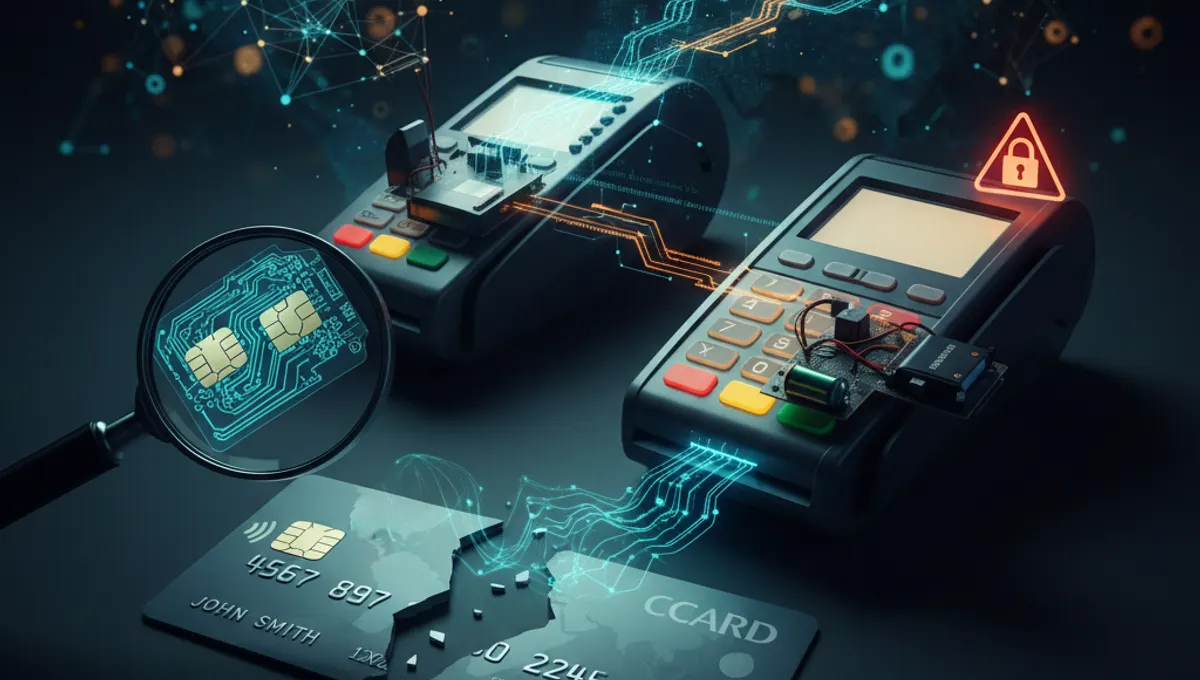
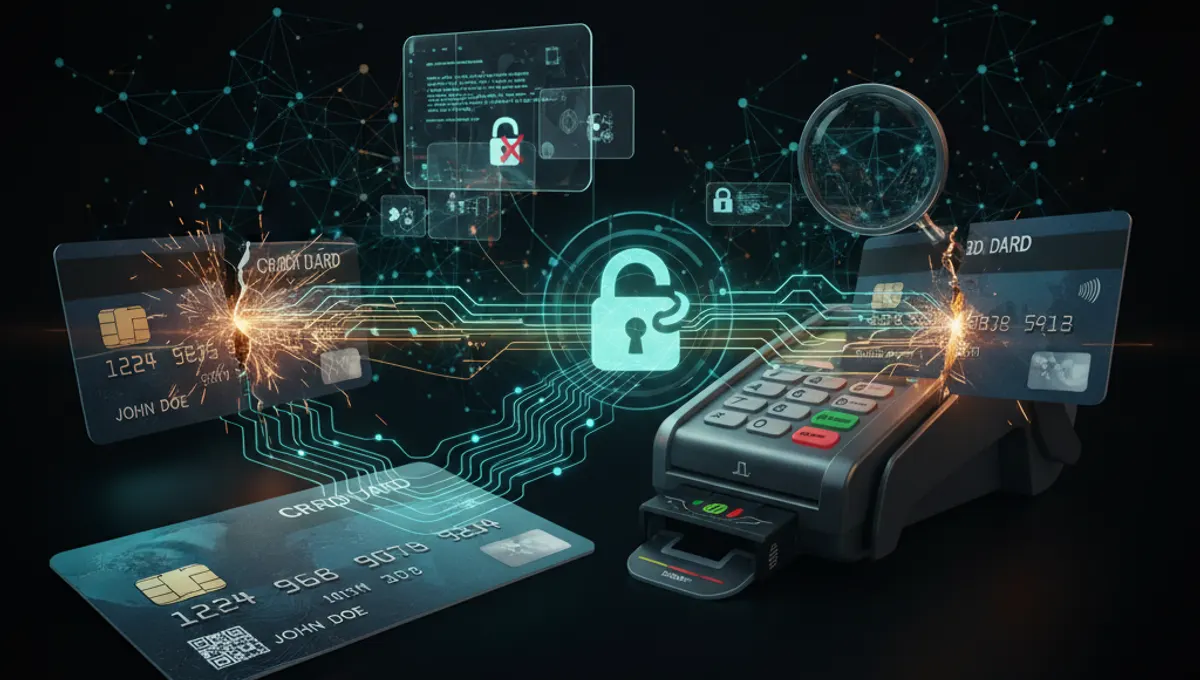
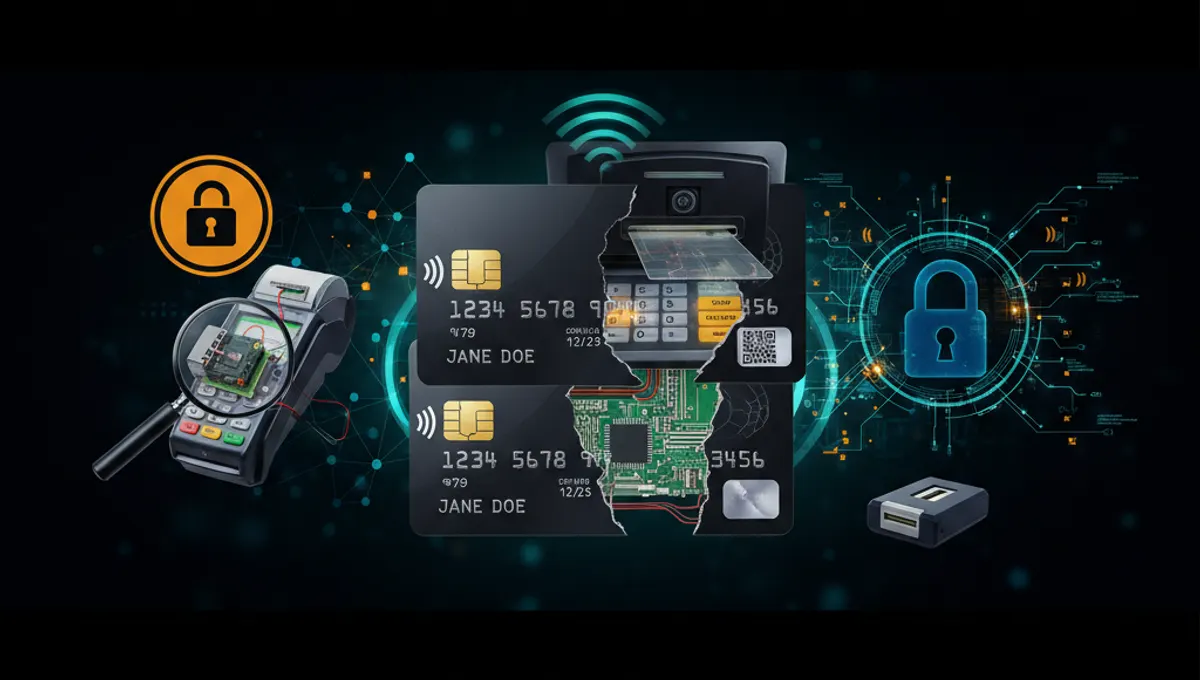
A credit card skimmer is a device that reads and stores card information when a legitimate transaction occurs. DIY versions typically target the magnetic stripe, which contains unencrypted cardholder data including the card number, expiration date, and sometimes the CVV. Shimming devices work similarly but target EMV chip readers by intercepting data before encryption happens. Skimmers are often placed over legitimate card readers at ATMs, gas pumps, or point-of-sale terminals. The device records data passively as customers swipe or insert their cards. More sophisticated DIY skimmers use wireless transmission to send captured data to a nearby receiver, eliminating the need for physical retrieval. Some variants include a hidden camera or keypad overlay to capture PIN numbers, creating a complete profile for card cloning.
Magnetic Stripe vs. EMV Chip: Why Skimmers Target Older Technology
Magnetic stripe technology stores data in a static format that does not change between transactions, making it ideal for skimming and cloning. Once a skimmer captures the stripe data, that information can be written to a blank card or used for online fraud indefinitely. EMV chips, by contrast, generate a unique transaction code for each purchase, rendering a single captured code useless for future transactions. However, EMV skimmers and shimmers still exist because many merchants worldwide still accept magnetic stripe fallback, and some ATMs have not fully upgraded. DIY skimmers often focus on magnetic stripe because the technology is simpler to replicate and the captured data has immediate resale value. A 711 credit card skimmer or ATM credit card skimmer typically exploits this older standard, as convenience stores and some financial institutions maintain legacy systems alongside newer infrastructure.
The Dark Web Cloned Card Sales Ecosystem
Once a DIY skimmer captures card data, that information enters a supply chain that culminates in dark web marketplaces. Skimmed data is aggregated by theft rings, validated for active accounts, and packaged into batches for sale. Buyers on these platforms purchase cloned card information in bulk, often with guarantees about card validity and available balance. The best credit card skimmer operators maintain databases and resell the same data multiple times to different buyers. Marketplaces operate as forums or storefronts where vendors post inventory, accept cryptocurrency payments, and provide customer support. The ecosystem includes data brokers who aggregate leaks from retail breaches with skimmed magnetic stripe data, creating comprehensive profiles. Prices vary based on card type, available balance, and geographic origin. Sellers often offer refunds if a card is declined, creating a quasi-legitimate transaction structure. This market operates continuously across multiple platforms, with vendors rotating between marketplaces to avoid law enforcement takedowns.
Legal Consequences of Possessing, Using, or Selling Cloned Cards
Possession of a cloned card or skimming device is prosecuted under fraud, identity theft, and device-based fraud statutes, with penalties varying significantly by jurisdiction. In the United States, federal charges can include wire fraud, access device fraud, and identity theft, each carrying potential prison sentences and fines. State-level charges often mirror federal offenses but may carry different penalty ranges. Using a cloned card constitutes fraud and potentially identity theft, with consequences escalating based on transaction amounts and number of victims. Selling cloned cards or skimming devices is treated as conspiracy or trafficking in stolen financial information, typically resulting in harsher sentences than single-use fraud. International prosecution depends on where the offense occurred, where the perpetrator resides, and bilateral extradition agreements. Penalties depend on the jurisdiction, the specific statutes applied, and the defendant's criminal history. Conviction records affect employment, housing, and financial opportunities long after sentence completion.
How to Detect Skimmers and Protect Your Card Information
Detecting a best credit card skimmer requires visual inspection and behavioral awareness. Before using an ATM or gas pump, examine the card reader for loose, misaligned, or protruding components. Wiggle the card slot gently; legitimate readers are firmly attached. Look for hidden cameras above the keypad or in unusual positions. Cover the keypad with your hand while entering your PIN to prevent shoulder surfing or camera capture. Use ATMs in well-lit, monitored locations, preferably inside banks rather than standalone kiosks. Enable transaction alerts on your bank account to receive notifications for every purchase. Consider using contactless or tokenized payments, which transmit a unique transaction code rather than your actual card number. Virtual card numbers, generated by your bank for online purchases, limit exposure if compromised. Avoid using debit cards for online transactions; credit cards offer stronger fraud protection. Monitor your statements weekly and report unauthorized charges immediately.
What to Do If Your Card Information Has Been Compromised
If you discover unauthorized charges or suspect your card data has been stolen, contact your card issuer immediately. Most banks allow you to report fraud by phone, mobile app, or online portal. Your issuer will typically cancel the card and issue a replacement within 5-10 business days. File a dispute for each fraudulent transaction; banks must investigate and provide a decision within 30-60 days, depending on the transaction type and jurisdiction. Fraudulent charges on credit cards are usually reversed at no cost to you. Debit card fraud may require more documentation and can take longer to resolve. Request a copy of the fraud report for your records. Consider placing a fraud alert or credit freeze with the three major credit bureaus to prevent new accounts opened in your name. Monitor your credit report for suspicious activity. If your card was compromised at a specific merchant, report the incident to that business and request confirmation that they have investigated their systems.
Verified Resources for Additional Information
For comprehensive guidance on card fraud prevention and reporting, consult official resources from your financial institution, the Federal Trade Commission, or your country's equivalent consumer protection agency. These organizations provide updated information on emerging skimming techniques, fraud trends, and protective measures. Your bank's website typically includes detailed fraud prevention guides and real-time alerts about compromised merchants or ATM networks. Law enforcement agencies publish advisories about detected skimming devices in specific regions. Credit bureaus offer educational materials on monitoring and protecting your credit profile. Cybersecurity organizations document technical details about skimming device construction and detection methods. Staying informed through official channels ensures you receive accurate, jurisdiction-specific guidance rather than relying on unverified sources.
Frequently asked questions
Can a DIY credit card skimmer be detected visually at an ATM or gas pump?
Yes, many DIY skimmers can be detected through visual inspection. Look for loose, misaligned, or protruding card readers, unusual bulges around the slot, or components that appear newer than the surrounding machine. Wiggle the card reader gently to check for secure attachment. However, sophisticated skimmers may be difficult to spot, so behavioral precautions like covering the keypad and using monitored ATMs remain important.
How quickly can a cloned card be used after data is skimmed?
Cloned cards can be used within hours of data capture. Skimmers often validate card information immediately by testing small transactions. Once validated, the data is packaged and sold on dark web marketplaces, where buyers can begin using cloned cards or card numbers for fraudulent purchases. This rapid timeline makes early detection and fraud alerts critical.
What is the difference between skimming and shimming?
Skimming targets magnetic stripe readers and captures data as it passes through the device. Shimming targets EMV chip readers by inserting a thin device into the chip slot that intercepts data before encryption occurs. Both methods capture card information, but shimming is more technically complex and less common because EMV chips generate unique transaction codes that limit the usefulness of captured data.
Will my bank refund fraudulent charges made with a cloned card?
Yes, most banks refund fraudulent charges on credit cards at no cost to you. Debit card fraud refunds may take longer and require more documentation. Report unauthorized charges immediately to your issuer. The bank will investigate and typically reverse the charge within 30-60 days. Federal law limits your liability for unauthorized credit card use to 50 dollars if reported promptly.
Are contactless payments safer than swiping or inserting a card?
Contactless payments are generally safer because they use tokenization, transmitting a unique transaction code rather than your actual card number. This prevents skimmers from capturing your full card data. However, contactless readers can still be targeted by wireless skimmers in rare cases. Combining contactless payments with transaction alerts and regular statement monitoring provides the strongest protection.