What Is Card Skimming and How Does It Differ from Cloning
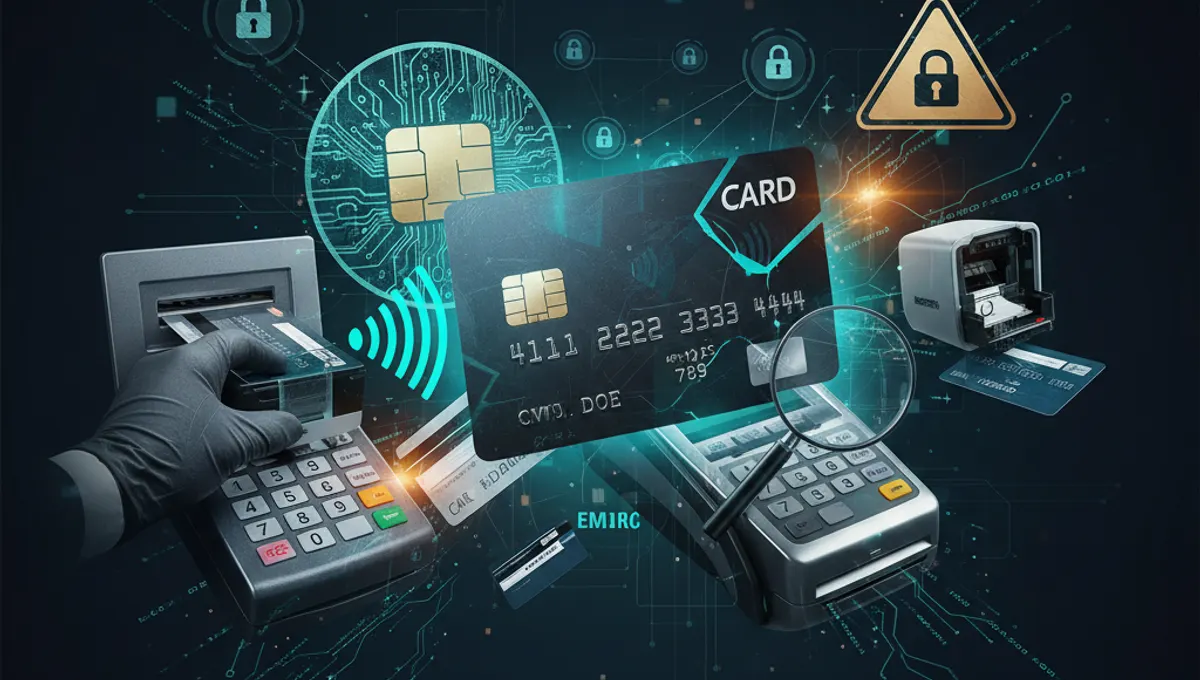
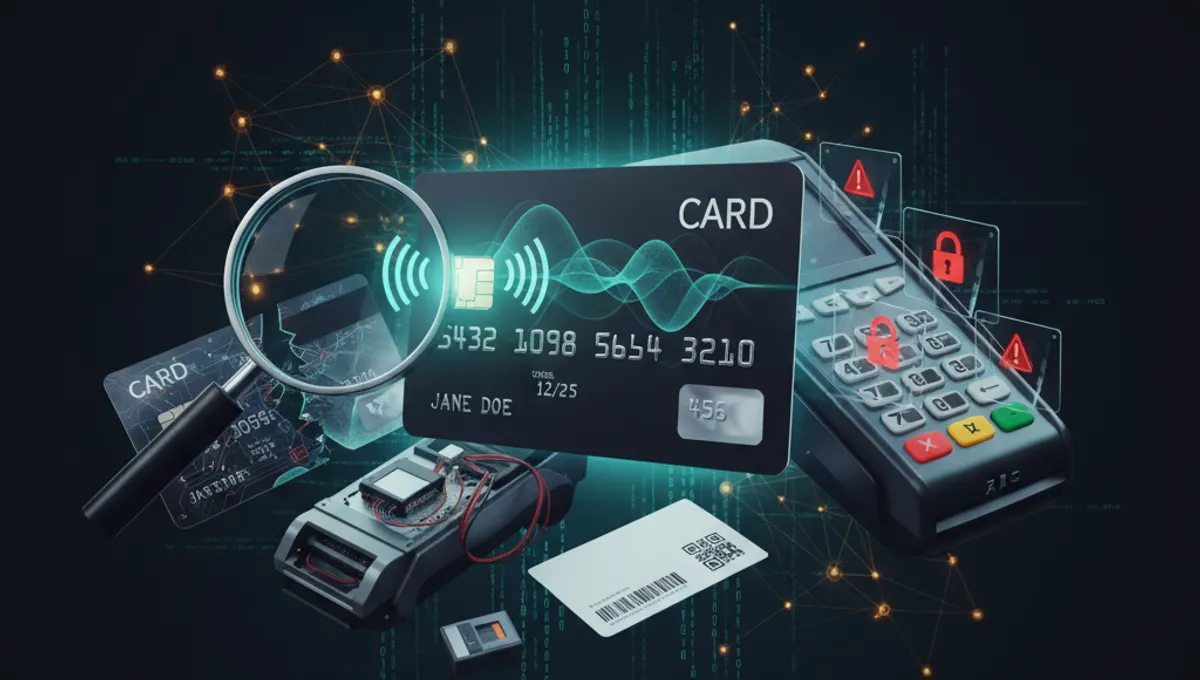
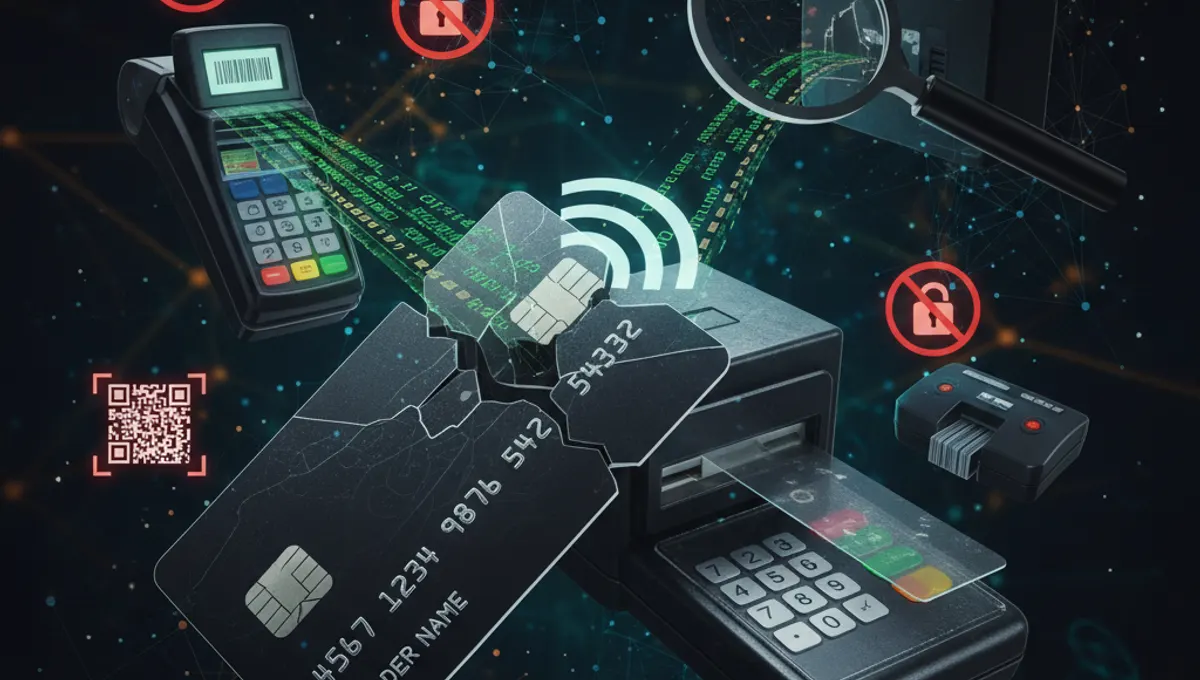
Skimming is the act of capturing card data using a hidden device or wireless reader. Cloning is the subsequent creation of a duplicate card using that stolen data. Skimming targets the magnetic stripe or chip on your card; cloning produces a physical or digital replica that mimics the original. Skimming and cloning often work together: a skimmer collects data, and that data is later used to clone a card for fraudulent transactions. Magnetic stripe skimming is simpler because the stripe contains static data; chip skimming requires more sophisticated equipment to bypass EMV protections, though it remains possible. Contactless skimming uses wireless readers to capture data from cards with NFC or RFID capabilities without physical contact.
Physical Skimming Devices: Where They Are Placed
Physical skimmers are installed on card-reading surfaces to intercept data as you insert or swipe your card. Gas pump skimmers fit over the legitimate card slot, making them difficult to spot without close inspection. ATM skimmers come in two main types: overlay skimmers that cover the card slot, and deep-insert skimmers that sit inside the machine's card reader. PIN pad skimmers are placed over the keypad to capture your PIN as you enter it. Point-of-sale skimmers are sometimes installed by employees or criminals who gain temporary access to terminals. These devices range from simple magnetic stripe readers to sophisticated equipment that stores data internally for later retrieval. Detection requires visual inspection for loose or misaligned components, unusual protrusions, or color mismatches on the card slot.
Contactless and Wireless Skimming Technologies
Contactless skimming uses RFID or NFC readers to capture data from cards without physical contact. These wireless devices can read card information from a distance, typically a few inches to a few feet depending on the reader's power and frequency. Chip skimming targets EMV chip cards by using specialized readers that communicate with the chip during a transaction. Some wireless skimmers operate via Bluetooth, allowing criminals to collect data remotely from a nearby location. Contactless payment systems are vulnerable because they transmit card data wirelessly; however, modern implementations include tokenization and encryption to reduce risk. Detecting wireless skimming is harder than spotting physical devices because there is no visible equipment on the card slot. Protection against contactless skimming includes using RFID-blocking wallets, disabling contactless payment if your card supports it, or opting for chip-and-PIN transactions instead.
How Skimmed Data Becomes Cloned Cards on the Dark Web
Once skimmed, card data is sold on dark web marketplaces where buyers purchase cloned card information or pre-loaded cloned cards. The ecosystem operates through specialized forums and marketplaces that accept cryptocurrency for transactions. Sellers list card details including the cardholder's name, card number, expiration date, CVV, and sometimes additional data from data breaches. Buyers use this information to create physical clones, conduct online fraud, or resell the data to other criminals. Cloned cards are tested for validity before sale to ensure they still have available credit or funds. The dark web provides anonymity for both sellers and buyers, though law enforcement agencies actively monitor these marketplaces. Prices vary based on card type, available balance, and the seller's reputation. The entire transaction chain—from skimming to cloning to fraud—typically occurs within weeks, making rapid detection and card cancellation critical.
How to Detect Skimming Devices and Protect Your Card
Visual inspection is the first line of defense against physical skimmers. Before using an ATM or gas pump, examine the card slot for loose parts, color mismatches, or components that protrude unnaturally. Gently tug on the card reader to check if it moves or feels insecure. At gas pumps, compare the card slot to other pumps at the same station; skimmers often look slightly different. For contactless skimming, use an RFID-blocking wallet or card sleeve that prevents wireless readers from accessing your card's data. Enable transaction alerts on your bank account to receive notifications of any charges. Consider using virtual card numbers or digital wallets that generate one-time payment tokens instead of exposing your actual card data. Chip-and-PIN transactions are more secure than magnetic stripe or contactless payments because they require authentication. Avoid using ATMs in isolated locations or those that appear tampered with. Monitor your credit reports regularly for unauthorized accounts opened in your name.
Legal Consequences of Card Skimming, Cloning, and Fraud
Possession of skimming devices or cloned cards is illegal in most jurisdictions and typically classified as fraud, identity theft, or device-based fraud. Charges vary by location but often include federal wire fraud, access device fraud, and conspiracy. Using a cloned card constitutes fraud and can result in felony charges with prison sentences ranging from several months to years, depending on the amount stolen and prior criminal history. Manufacturing or distributing skimming devices carries additional penalties. Selling cloned card data on the dark web exposes individuals to charges of conspiracy, money laundering, and trafficking in stolen financial information. Specific penalty ranges depend on the jurisdiction and the particular statute violated; some regions impose mandatory minimum sentences for organized fraud schemes. Restitution to victims is typically required as part of sentencing. International cooperation between law enforcement agencies has increased prosecutions of dark web carding operations, resulting in significant prison terms for major players in the ecosystem.
What to Do If Your Card Has Been Compromised
Contact your bank or card issuer immediately if you notice unauthorized charges or suspect your card data has been stolen. Most financial institutions offer fraud protection that limits your liability to zero or a small amount if you report the fraud promptly. Request a chargeback for any fraudulent transactions; the issuer will investigate and typically reverse the charge within 30 to 90 days. Ask for a replacement card with a new number and expiration date. Place a fraud alert on your credit file with the three major credit bureaus to prevent criminals from opening new accounts in your name. Consider a credit freeze if you believe your personal information has been compromised. File a report with the Federal Trade Commission and your local law enforcement agency to create an official record. Monitor your credit reports and bank statements closely for several months after the incident. If your card was skimmed at a specific location, report it to the business and warn other customers if possible.
Frequently asked questions
Can skimmers read chip cards or only magnetic stripe cards
Skimmers can read both magnetic stripe and chip cards, though chip skimming is more complex. Magnetic stripe skimming is simpler because the stripe contains static data. Chip skimming requires specialized equipment to communicate with the EMV chip, but it remains possible. Contactless chip cards are vulnerable to wireless skimming. Chip-and-PIN transactions provide better protection than magnetic stripe or contactless alone because they require authentication.
How can I tell if an ATM or gas pump has a skimmer installed
Inspect the card slot for loose, protruding, or misaligned components. Gently tug on the card reader to check if it moves or feels insecure. Look for color mismatches or visible seams where a skimmer overlay might be attached. At gas pumps, compare the card slot to other pumps at the same station. Check for signs of tampering or recent installation. If something feels wrong, use a different machine and report your concerns to the business or bank.
What is the difference between a skimmer and a shimmer
A skimmer is a device placed over or inside a card slot to read card data as you insert or swipe your card. A shimmer is a thin, card-sized device inserted inside the card reader that captures chip data as your card passes through. Both are used to steal card information, but shimmers target chip cards specifically and are harder to detect because they fit inside the machine. Both methods can lead to card cloning.
Does using a contactless payment or digital wallet prevent skimming
Digital wallets and contactless payments offer some protection because they use tokenization, which generates a unique transaction code instead of exposing your actual card number. However, contactless cards themselves can still be skimmed wirelessly if they lack proper encryption. RFID-blocking wallets provide additional protection by preventing wireless readers from accessing your card's data. Chip-and-PIN transactions remain one of the most secure payment methods available.
What should I do immediately after discovering fraudulent charges on my card
Contact your bank or card issuer right away to report the fraud. Request a chargeback for unauthorized transactions; most issuers reverse fraudulent charges within 30 to 90 days. Ask for a replacement card with a new number. Place a fraud alert with the three major credit bureaus and consider a credit freeze. File a report with the Federal Trade Commission and local law enforcement. Monitor your credit reports and statements closely for several months.