What Is Skimming Bancomat and How Does It Work
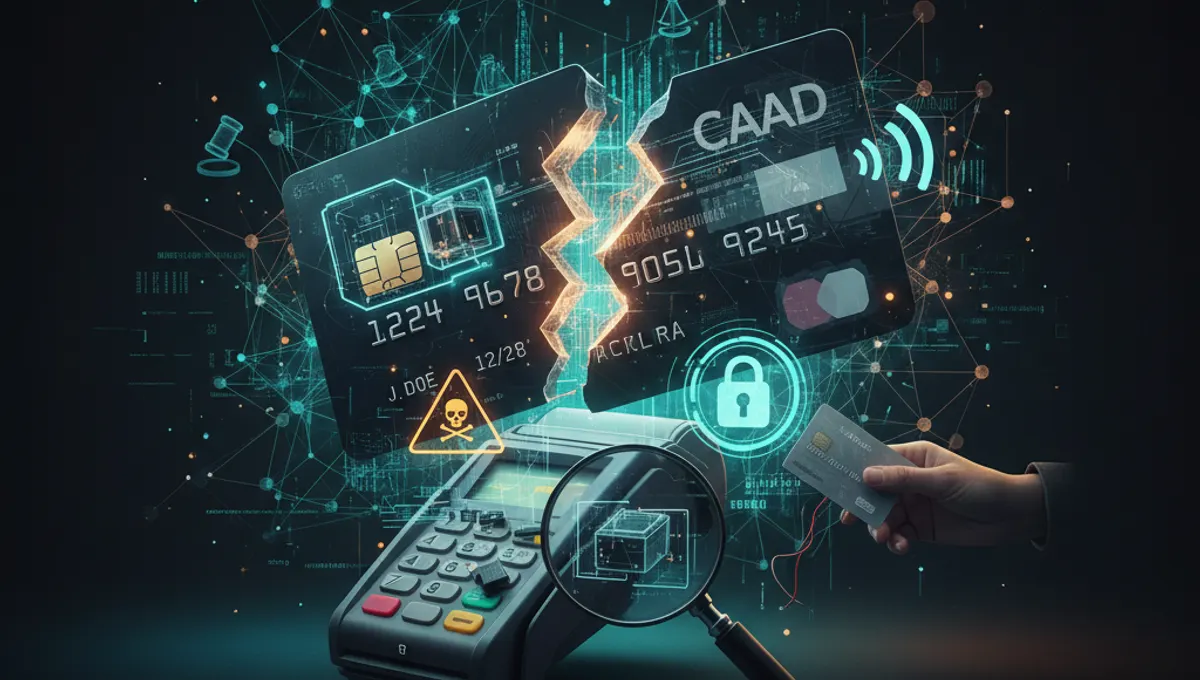
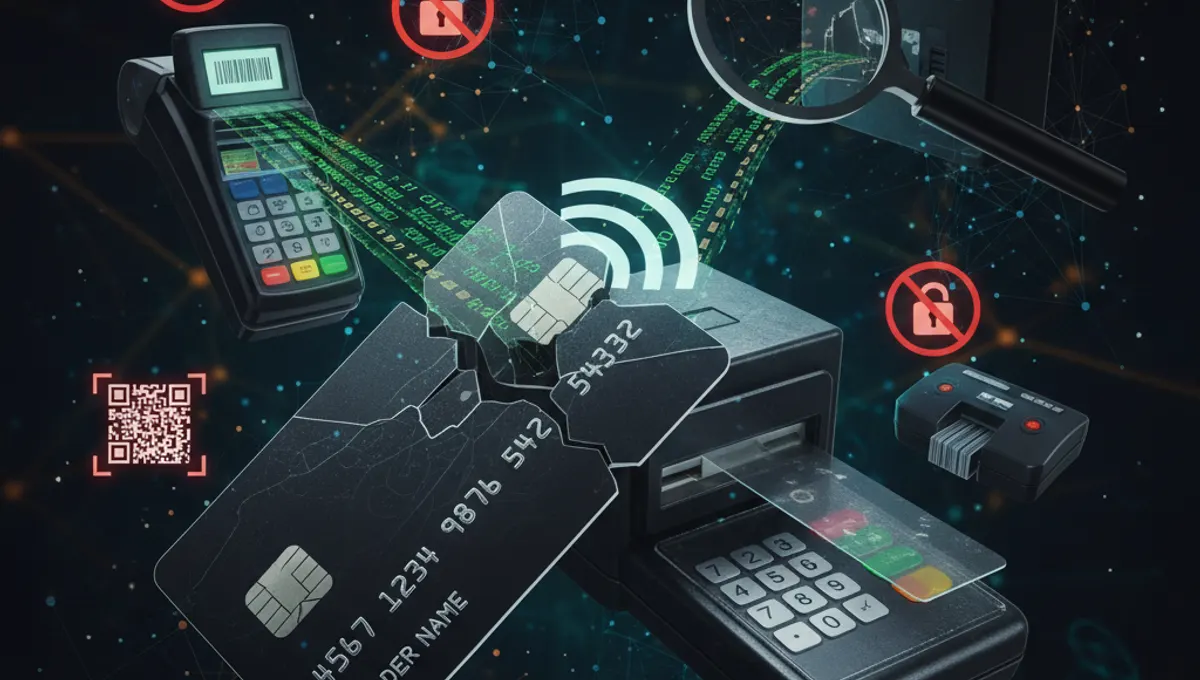
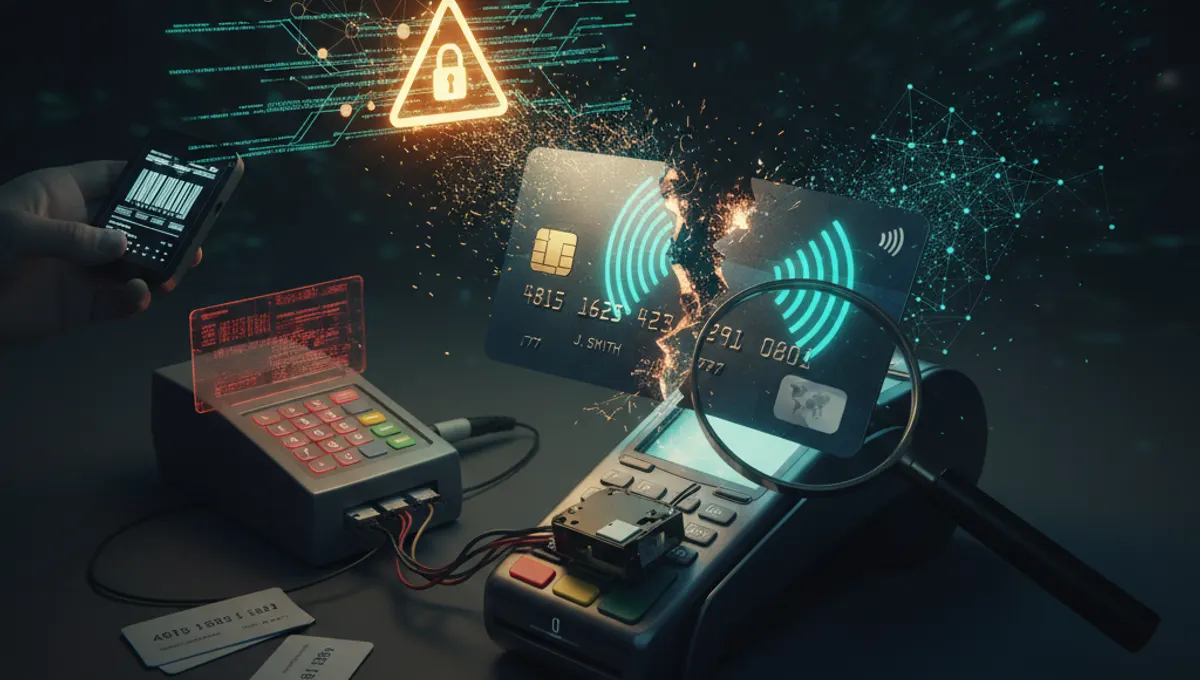
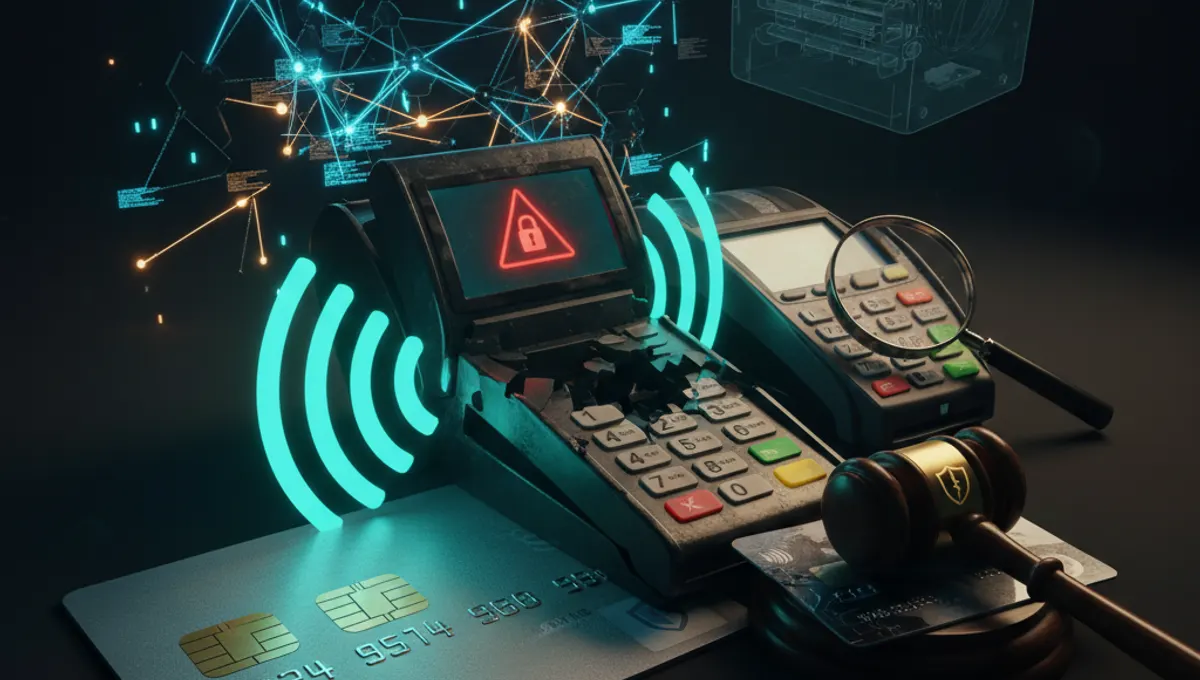
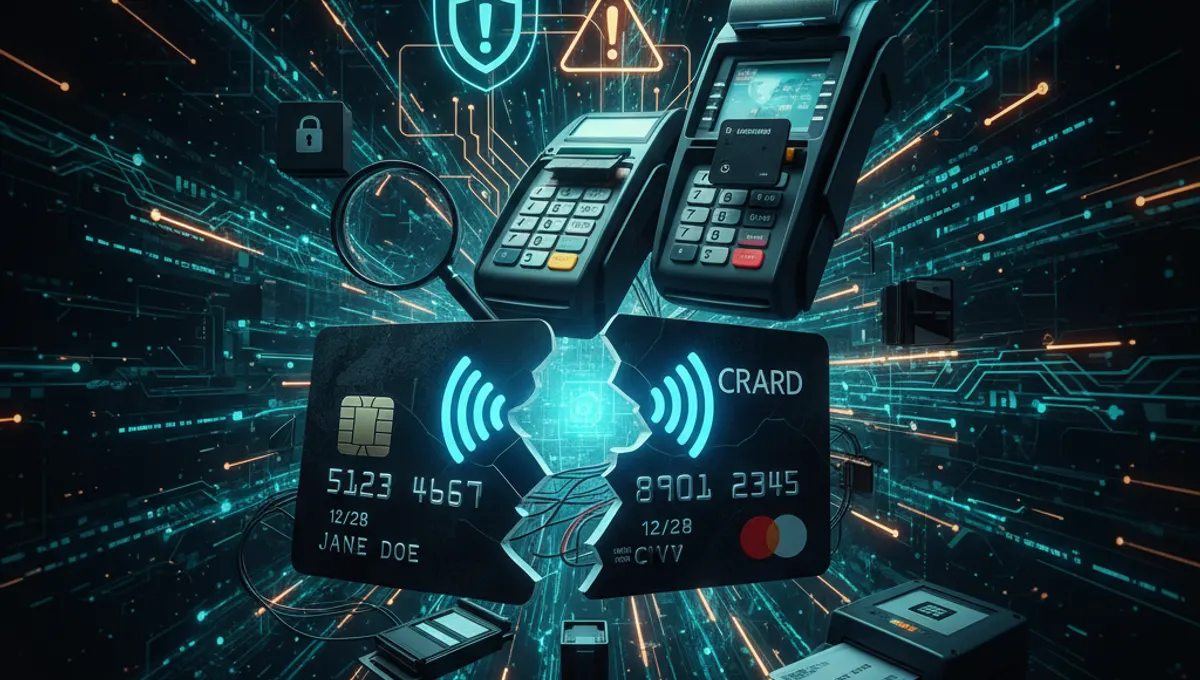
ATM skimming involves placing a thin device inside the card slot of a bancomat to read and record card data as you insert it. The skimmer captures information from the magnetic stripe or, in some cases, attempts to read EMV chip data. Simultaneously, criminals may install a hidden camera or fake keypad overlay to capture your PIN. Once the data is collected, it is removed from the device and used to create cloned cards. Skimming differs from shimming, which targets chip-based cards by inserting a thin device between the chip and the card reader. Both methods exploit the fact that older magnetic stripe technology and some EMV implementations transmit card details that can be intercepted and replicated without authorization.
Chip Skimming vs. Contactless Skimming: Key Differences
Chip skimming targets EMV-enabled cards by attempting to read data from the embedded microchip, though modern chip technology includes encryption that makes full cloning more difficult than with magnetic stripe cards. Contactless skimming, also called NFC or RFID skimming, uses wireless readers to capture data from cards or mobile wallets that support tap-to-pay functionality without physical contact. Contactless skimming can occur at a distance, making it harder to detect because no device needs to be physically installed on an ATM. Magnetic stripe skimming remains common because older cards and some international cards still rely on unencrypted stripe data. Understanding which type of skimming targets your card helps you choose appropriate protective measures, such as RFID-blocking wallets for contactless cards or chip-preferred payment methods for traditional ATMs.
How to Detect Skimming at a Bancomat
Before using any ATM, inspect the card slot, keypad, and surrounding bezel for loose, misaligned, or unusually thick components. Gently tug on the card slot cover and keypad to see if they move or feel insecure; legitimate parts are firmly attached. Look for signs of tampering such as adhesive residue, scratches, or color mismatches. Check whether the ATM is in a well-lit, monitored location; criminals often target isolated machines. Cover the keypad with your hand while entering your PIN to prevent hidden cameras from recording it. After using the ATM, monitor your account statements and set up transaction alerts with your bank. If you notice unfamiliar charges or see that your card has been cloned, contact your bank immediately. Many banks offer free fraud monitoring services and can issue replacement cards within days.
Cloned Card Sales and the Dark Web Ecosystem
Once card data is harvested through skimming, it enters an underground marketplace where criminals buy and sell cloned cards or card details. On dark web forums and marketplaces, vendors advertise stolen card information organized by card type, bank, country, and available balance. Buyers purchase this data to create physical cloned cards using card printers and encoding devices, or they use the information for online fraud. The ecosystem operates through cryptocurrency transactions to maintain anonymity. Vendors often provide guarantees or refunds if a card is reported as invalid, creating a quasi-commercial structure. Card details are typically sold in batches, with prices varying based on card validity, balance, and card type. This market thrives because stolen data is commoditized and distributed globally, making it difficult for law enforcement to track individual transactions. Understanding this supply chain highlights why preventing the initial skimming is far more effective than addressing fraud after it occurs.
Legal Consequences of Card Cloning and Possession
Possession of cloned cards or equipment used to create them is illegal in most jurisdictions and typically falls under fraud, identity theft, or device-based fraud statutes. Using a cloned card to make unauthorized purchases constitutes wire fraud, access device fraud, or identity theft depending on the specific circumstances and applicable law. Penalties vary significantly by jurisdiction but generally include criminal fines, restitution to victims, and imprisonment. In some regions, possession of skimming devices or card cloning equipment carries mandatory minimum sentences. International variations are substantial; some countries impose harsher penalties for organized card fraud rings than for individual possession. Attempting to purchase cloned cards on the dark web, even if you do not use them, can result in charges related to conspiracy or receiving stolen property. Conviction records for fraud or identity theft create lasting consequences including employment restrictions, housing discrimination, and financial institution blacklisting. Consulting with a criminal defense attorney in your jurisdiction is essential if you face charges related to card fraud.
Practical Steps to Protect Your Card from Skimming
Use ATMs located inside banks or monitored, well-lit public areas rather than isolated machines. Enable transaction alerts and fraud monitoring through your bank's mobile app or website so you receive notifications of any card activity. Consider using virtual card numbers or single-use card tokens offered by many banks for online purchases, which limit exposure if the number is compromised. Opt for chip-based or contactless payments whenever possible, as these methods are more secure than magnetic stripe transactions. Use an RFID-blocking wallet or card sleeve to prevent wireless skimming of contactless cards. Cover the keypad with your hand while entering your PIN. Check your bank statements weekly or set up automatic alerts for transactions above a certain amount. If your bank offers it, use a debit card with a low daily withdrawal limit to reduce potential losses. Never use ATMs in unfamiliar countries without first confirming they are legitimate through your bank.
What to Do If Your Card Has Been Compromised
Contact your bank immediately if you discover unauthorized charges or suspect your card data has been stolen. Most banks have 24/7 fraud hotlines and can freeze your account within minutes. Request a replacement card; most banks issue new cards within 5 to 10 business days and can provide emergency cash or a temporary card number. File a dispute for each fraudulent transaction; your bank will investigate and typically issue a provisional credit within 10 days while the investigation proceeds. Obtain a fraud affidavit or police report if significant amounts were stolen, as this strengthens your dispute claim. Monitor your credit report through official channels for signs of identity theft, such as new accounts opened in your name. Place a fraud alert or credit freeze with credit bureaus to prevent criminals from opening new accounts using your information. Keep detailed records of all communications with your bank, including dates, times, and names of representatives. Request written confirmation of the dispute resolution and the final outcome.
Skimming BRI and Other Bank-Specific Risks
Skimming targeting specific banks like BRI (Bank Rakyat Indonesia) occurs because these institutions serve large customer bases and their ATM networks may have varying security standards across different locations. Regional banks sometimes face higher skimming rates due to older ATM hardware or less frequent security audits compared to larger international institutions. Criminals often focus on ATMs in high-traffic areas, tourist zones, or locations with less surveillance. Customers of regional banks should be especially vigilant about inspecting ATMs before use and monitoring statements closely. Many regional banks now offer enhanced fraud protection services, including SMS alerts for all transactions and the ability to set daily withdrawal limits. Reporting suspected skimming to your specific bank helps them identify compromised machines and remove them from service. Sharing information about suspicious ATMs with other customers through community forums or local channels can prevent additional victims.
Frequently asked questions
Can skimmers read EMV chip cards the same way they read magnetic stripes?
EMV chips use encryption that makes full cloning significantly harder than with magnetic stripes. However, skimmers can still capture some data from chips, and criminals may use shimming devices to intercept chip communication. Chip technology is more secure, but not completely immune to skimming. Contactless payments and virtual card numbers provide additional layers of protection.
How long does it take for a bank to refund money stolen through a cloned card?
Banks typically issue a provisional credit within 10 business days of filing a dispute, though the investigation can take up to 45 days. If the bank determines the transaction was unauthorized, you receive a permanent refund. Some banks process refunds faster if fraud is obvious. Contact your bank immediately to start the dispute process and ask about their specific timeline.
What is the difference between skimming and shimming?
Skimming captures data from magnetic stripes or contactless cards using external or internal devices. Shimming targets chip cards by inserting a thin device between the chip and the card reader to intercept chip data during the transaction. Both are forms of card fraud, but shimming is specifically designed for chip-based security systems. Detection methods differ slightly for each technique.
Are RFID-blocking wallets effective against all types of skimming?
RFID-blocking wallets protect against wireless contactless skimming by blocking radio frequency signals. They do not prevent physical skimming at ATMs or traditional magnetic stripe skimming. For comprehensive protection, combine RFID-blocking wallets with ATM inspection habits, PIN protection, and transaction monitoring. No single method eliminates all skimming risks.
What should I do if I find a skimmer device on an ATM?
Do not attempt to remove the device yourself. Photograph it if safe to do so, then immediately notify the bank that owns the ATM and local law enforcement. Report the location and description to your bank's fraud department. Warn other customers if possible. Banks use this information to identify compromised machines and prevent additional victims. Do not use the ATM until the bank confirms it is secure.