What Is Skimming Equipment and How Does It Capture Card Data
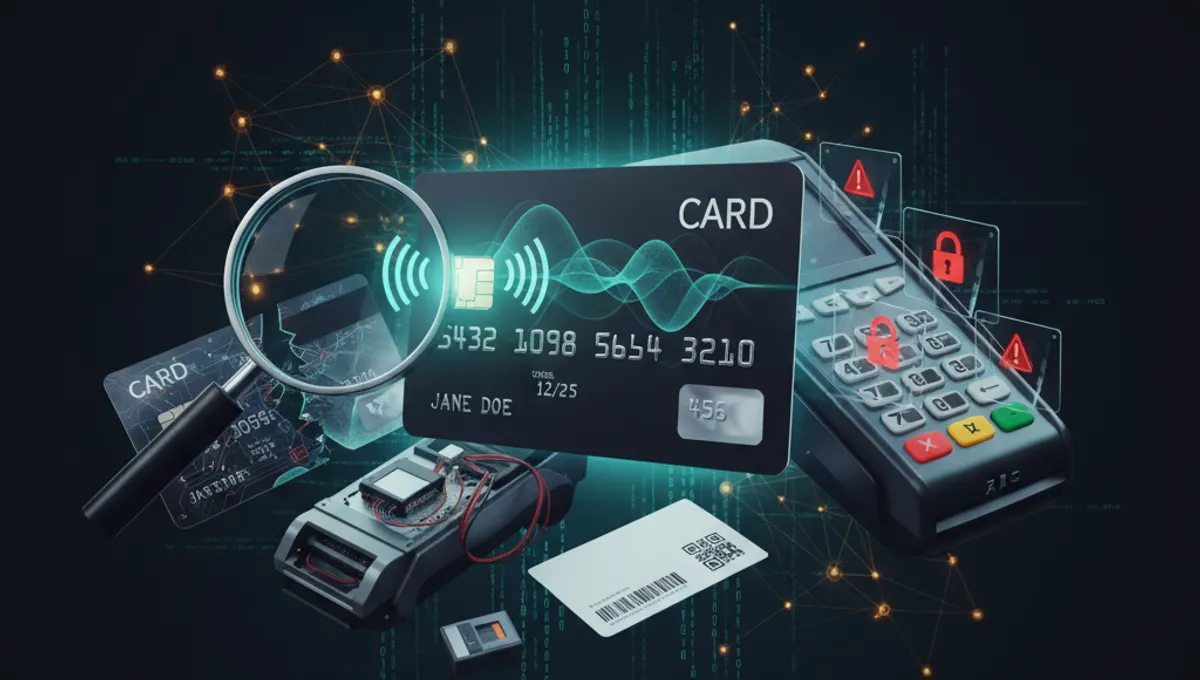
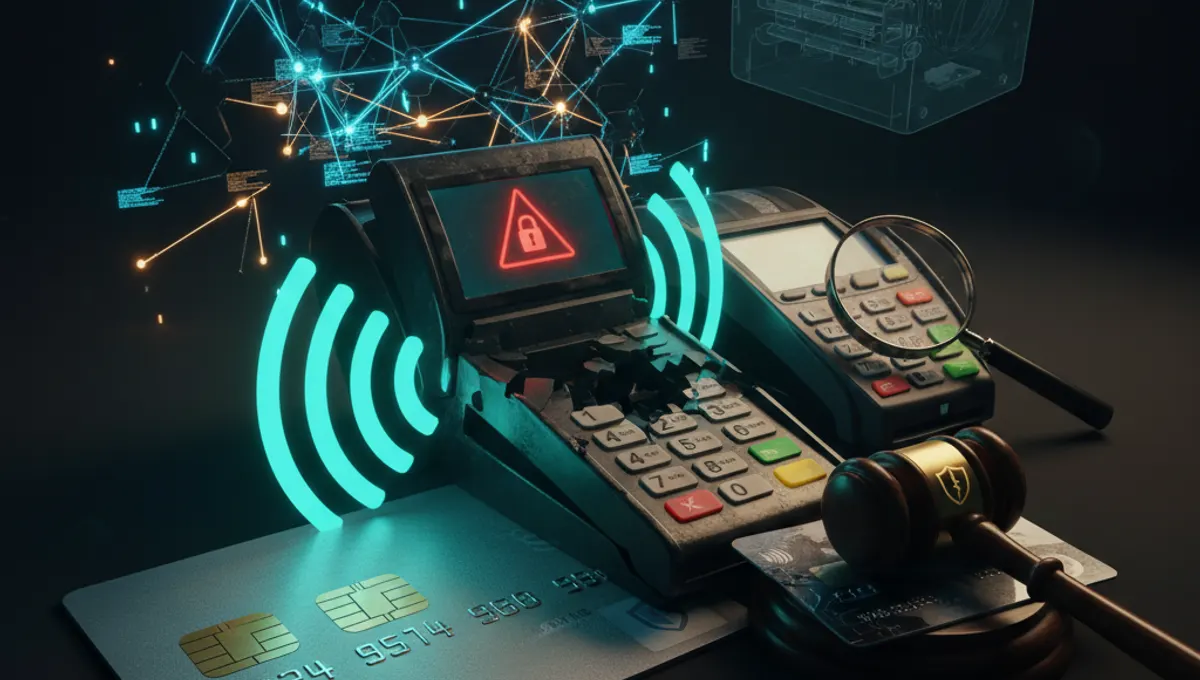
Skimming equipment encompasses devices that intercept card information during legitimate transactions. The most common type targets the magnetic stripe on the back of cards, which contains unencrypted data including the card number, expiration date, and cardholder name. Skimmers are typically installed over legitimate card readers at ATMs, gas pumps, or point-of-sale terminals. When you insert your card, the skimmer reads the stripe before the legitimate reader processes your transaction. Some skimming equipment also includes a hidden camera or keypad overlay to capture your PIN. Chip skimming targets EMV-enabled cards by attempting to read the chip data, though modern chip technology includes encryption that makes this more difficult. Contactless skimming uses wireless readers to capture data from cards or mobile wallets without physical contact, exploiting the radio frequency identification (RFID) signals emitted by contactless payment methods.
Types of Skimming Equipment Used in Card Cloning
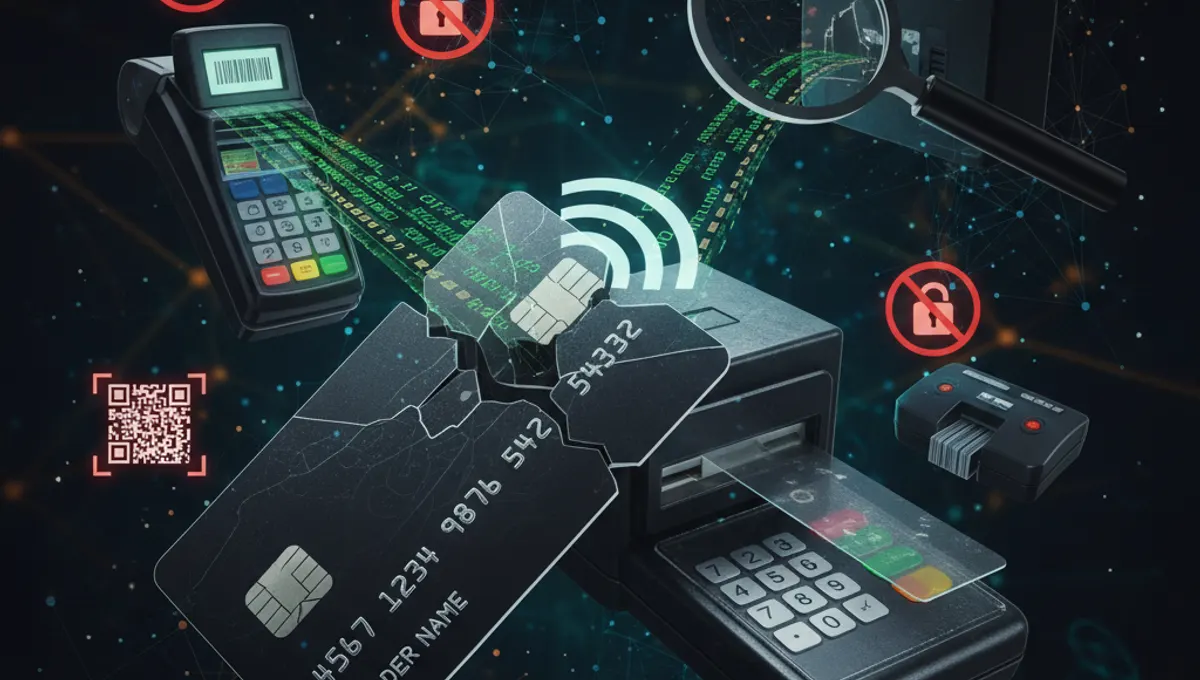
Skimming equipment varies by installation method and target. ATM skimmers are typically inserted into the card slot or attached as an overlay, with some deep-insert models fitting entirely inside the machine. Gas pump skimmers are placed inside the pump's card reader housing, often requiring opening the pump's external panel. Handheld skimmers are portable devices used by criminals in retail environments to read cards during transactions. PIN pad skimmers overlay the legitimate keypad to capture PIN entries. Wireless skimmers use Bluetooth or GSM technology to transmit captured data to nearby receivers, eliminating the need for physical retrieval. Contactless skimmers read RFID and NFC signals from cards or mobile devices held within a few inches of the reader. POS skimmers target point-of-sale terminals at restaurants, retail stores, and other merchants. Each type serves the same purpose: extracting card data for cloning or direct fraud.
What Is a Cloned Card and How Does Skimming Lead to Card Cloning
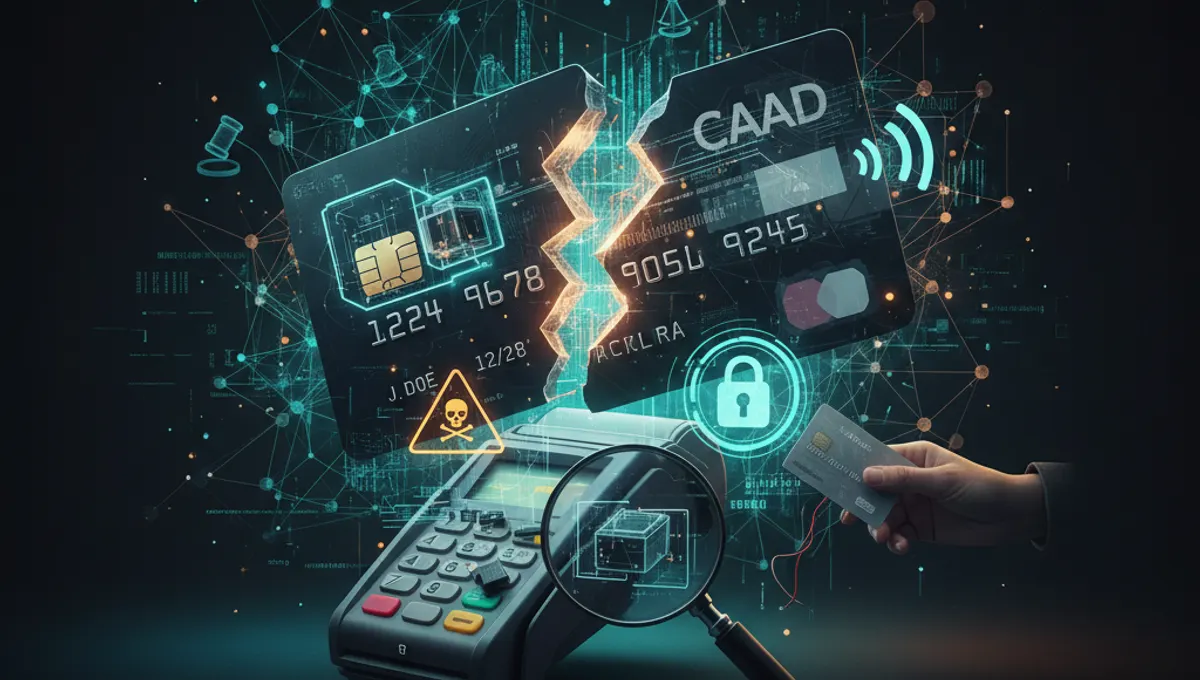
A cloned card is a counterfeit payment card created using data stolen from a legitimate card, typically through skimming equipment. Once a skimmer captures magnetic stripe data, that information is encoded onto a blank card or used to create a duplicate. The cloned card contains the same card number, expiration date, and cardholder name as the original, allowing the fraudster to make purchases or withdraw cash. Skimming and cloning work together in a two-stage process: first, the skimmer collects the data; second, specialized equipment encodes that data onto a new card. EMV chip cards are more difficult to clone because the chip generates unique transaction codes, but older magnetic stripe data can still be cloned and used for fraud. Contactless skimming can lead to cloning if the attacker captures sufficient data to replicate the card's wireless signals. The stolen card data may also be sold on dark web marketplaces, where buyers use it to create their own clones or commit card-not-present fraud online.
How Cloned Card Sales Work on Dark Web Marketplaces
Cloned cards and stolen card data are bought and sold on dark web marketplaces through specialized forums and vendor shops. Sellers list cards by type (Visa, Mastercard, American Express), card tier (standard, premium, corporate), and claimed validity. Pricing typically reflects the card's perceived value and available balance. Buyers purchase cards using cryptocurrency to maintain anonymity. The transaction process usually involves the buyer sending payment, after which the seller provides the card details, magnetic stripe data, or physical cloned cards via mail. Some marketplaces offer escrow services to reduce fraud between buyer and seller. Vendors often claim high validity rates, meaning the cards will work for a certain period before being flagged or canceled. The ecosystem includes not only card sellers but also equipment vendors offering skimmers, cloning machines, and blank cards. Marketplace operators take a commission on each transaction. Law enforcement agencies monitor these marketplaces, but the decentralized nature and use of cryptocurrency make enforcement difficult. Buyers face significant legal risk, as purchasing stolen card data or cloned cards constitutes fraud and identity theft regardless of whether they use the cards.
How to Detect Skimming Equipment at ATMs and Gas Pumps
Detecting skimming equipment requires visual inspection and awareness of common installation methods. At ATMs, examine the card slot for loose, protruding, or misaligned components. Run your finger around the edges of the card reader to feel for overlays or inserts. Check if the keypad feels different from previous visits or if keys are loose or raised. Look for small cameras or holes near the keypad that might capture PIN entries. At gas pumps, inspect the card reader panel for signs of tampering, such as scratches, misaligned seams, or components that appear newer than the pump itself. Try gently pulling on the card reader to see if it moves or feels loose. Avoid pumps that look damaged or poorly maintained. For contactless skimming, be aware that attackers may position themselves near you with a handheld reader. Use chip readers instead of magnetic stripe when available, as chip transactions are more secure. Monitor your bank statements regularly for unauthorized charges. Enable transaction alerts on your account so you're notified of purchases immediately. Consider using virtual card numbers or digital wallets that don't expose your actual card data to merchants.
Protecting Your Card from Skimming and Cloning
Multiple strategies reduce your risk of card skimming and cloning. Use ATMs in secure locations such as bank branches rather than standalone machines in public areas. Cover the keypad with your hand while entering your PIN to prevent camera capture. Prefer chip readers over magnetic stripe when given the option, as chip transactions generate unique codes that are difficult to clone. Enable contactless payment limits or disable contactless functionality if your bank offers this option. Use digital wallets like Apple Pay or Google Pay, which tokenize your card data and don't expose your actual card number to merchants. Request virtual card numbers from your bank for online purchases; these single-use numbers are linked to your account but don't reveal your primary card details. Set up transaction alerts so you're notified immediately of any charges. Review your statements monthly for unauthorized activity. Consider using a credit card instead of a debit card, as credit card fraud liability is typically limited to $50, while debit card fraud may result in larger losses. Block your card immediately if you suspect compromise, and request a replacement with a new number.
What to Do If Your Card Information Has Been Compromised
If you discover unauthorized charges or suspect your card data has been stolen, contact your bank or card issuer immediately. Most issuers have fraud departments available 24/7. Report the specific fraudulent transactions and request a chargeback dispute. Under payment card regulations, your liability for unauthorized charges is typically limited to $50 if you report the fraud promptly, though many issuers waive this fee entirely. The bank will investigate the disputed transactions, which usually takes 10 to 30 days. During this period, the funds may be temporarily credited back to your account while the investigation proceeds. Request a replacement card with a new number; the issuer will usually send it within 5 to 10 business days. Ask whether the compromise affected other accounts or services linked to the same card. If your card data was part of a larger breach, the issuer may offer free credit monitoring or identity theft protection services. File a report with the Federal Trade Commission at IdentityTheft.gov if you believe your identity has been compromised beyond just card fraud. Consider placing a fraud alert or credit freeze with the three major credit bureaus to prevent unauthorized account openings in your name.
Frequently asked questions
What is the difference between skimming and shimming
Skimming captures card data by reading the magnetic stripe or wireless signals without removing the card from the reader. Shimming is a variation that inserts a thin device directly into the card slot, typically targeting EMV chip readers. Both methods aim to steal card data, but shimming is more invasive and requires physical access to the card slot mechanism. Shimming is less common than skimming because modern chip technology includes encryption that makes shimmed data difficult to use for cloning.
Can contactless cards be skimmed
Yes, contactless cards and mobile wallets can be skimmed using wireless RFID or NFC readers. An attacker with a handheld contactless reader can capture data from your card or phone from a distance of a few inches without physical contact. However, contactless transactions include additional security measures such as transaction limits and tokenization that reduce the risk compared to magnetic stripe skimming. Using a contactless-blocking wallet or disabling contactless functionality on your card can prevent this type of skimming.
How long does it take for a cloned card to be detected
Detection time varies depending on how the cloned card is used. If the fraudster makes immediate purchases, unauthorized charges may appear on your statement within one to three business days. Some transactions take longer to post. If the cloned card is used for cash withdrawals at ATMs, the theft may go unnoticed until you review your statement or check your account balance. Monitoring your account daily and enabling transaction alerts can help you detect fraud within hours rather than days.
What legal consequences apply to possessing or using a cloned card
Possessing or using a cloned card constitutes fraud and identity theft, which are serious felonies in most jurisdictions. Specific charges and penalties depend on local laws, the amount of money involved, and whether the offense is prosecuted at state or federal level. Typical charges include wire fraud, access device fraud, and identity theft. Penalties can include imprisonment, fines, restitution to victims, and a permanent criminal record. Even attempting to use a cloned card, regardless of whether the transaction succeeds, can result in criminal charges.
How can I tell if an ATM has a skimmer installed
Inspect the card slot for loose components, overlays, or misalignment. Feel around the edges of the reader for protruding devices or gaps. Check the keypad for raised or loose keys, and look for small holes or cameras near the pad. Try gently pulling on the card reader to see if it moves. Avoid ATMs that appear damaged, poorly maintained, or in isolated locations. Use ATMs at bank branches during business hours when staff are present. If something feels wrong, use a different ATM and report your concerns to the bank.