What Is a Credit Card Gas Pump Skimmer
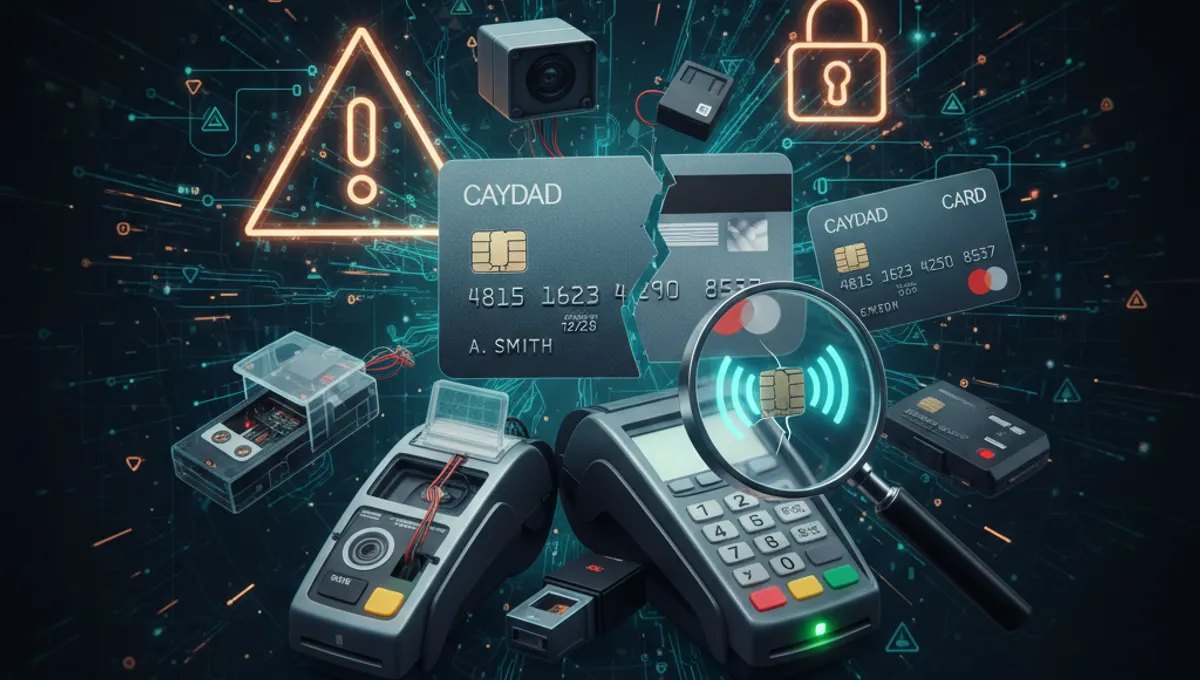
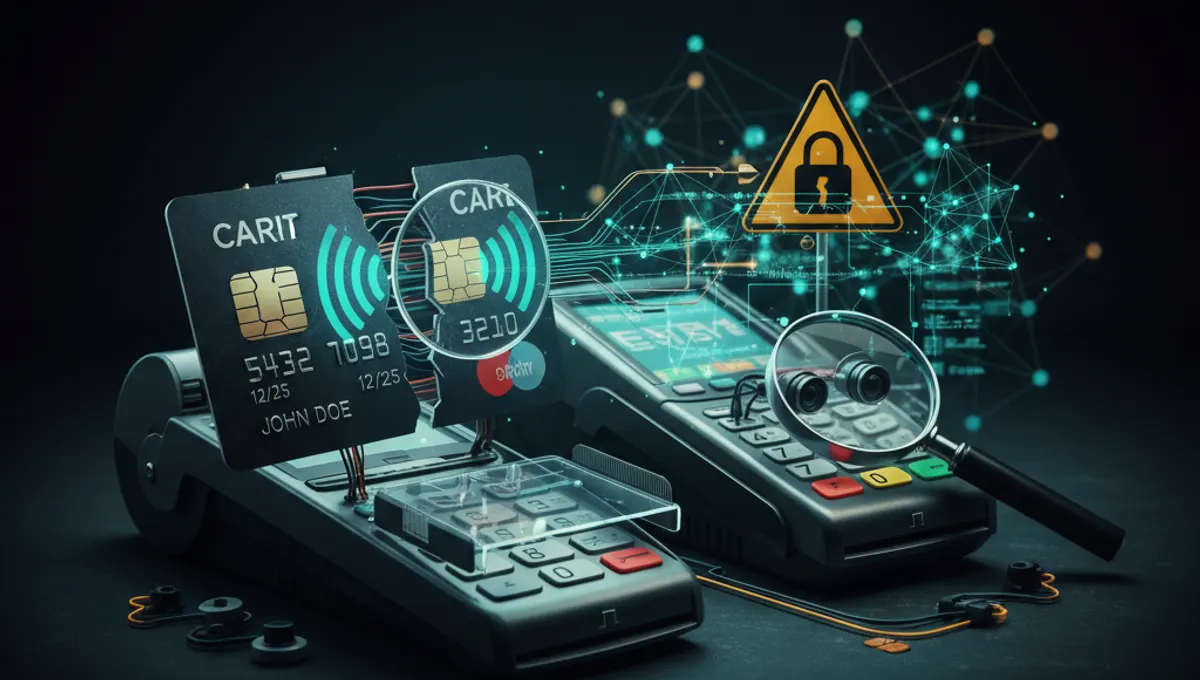
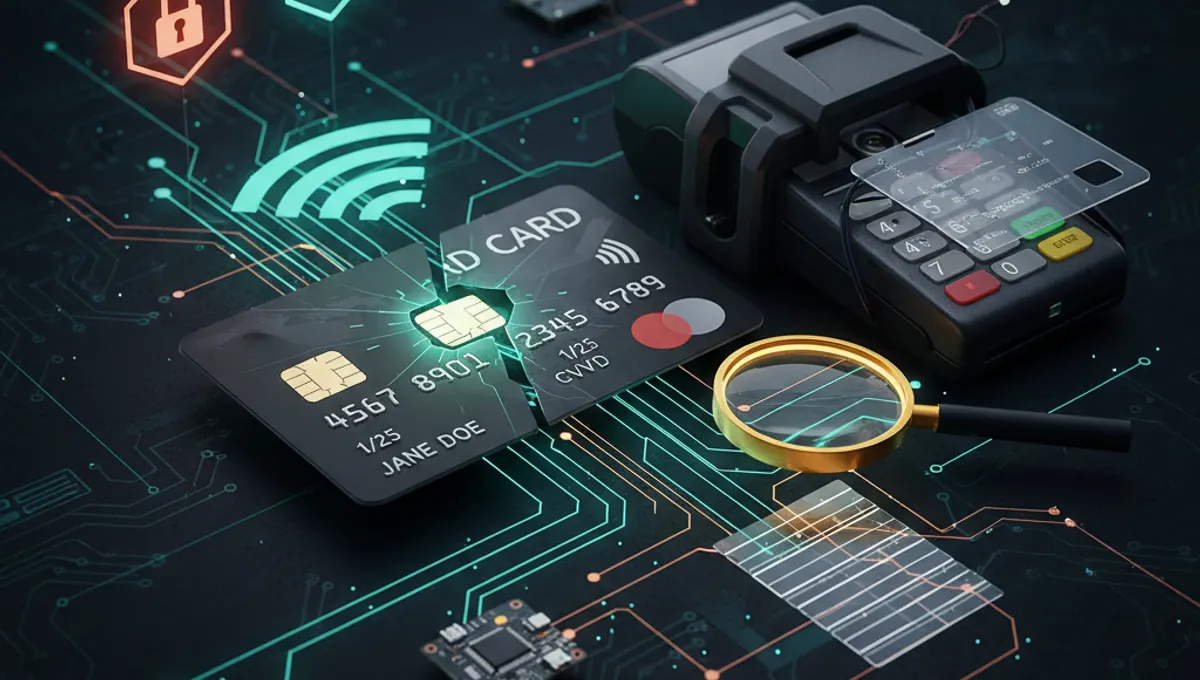
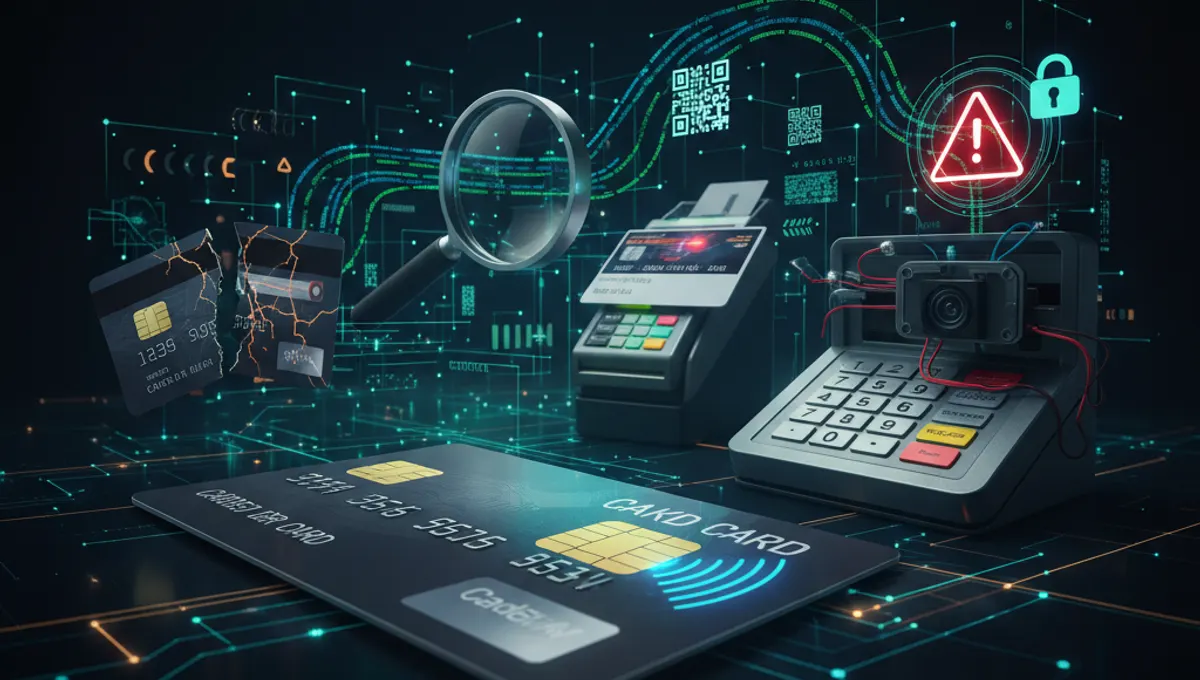
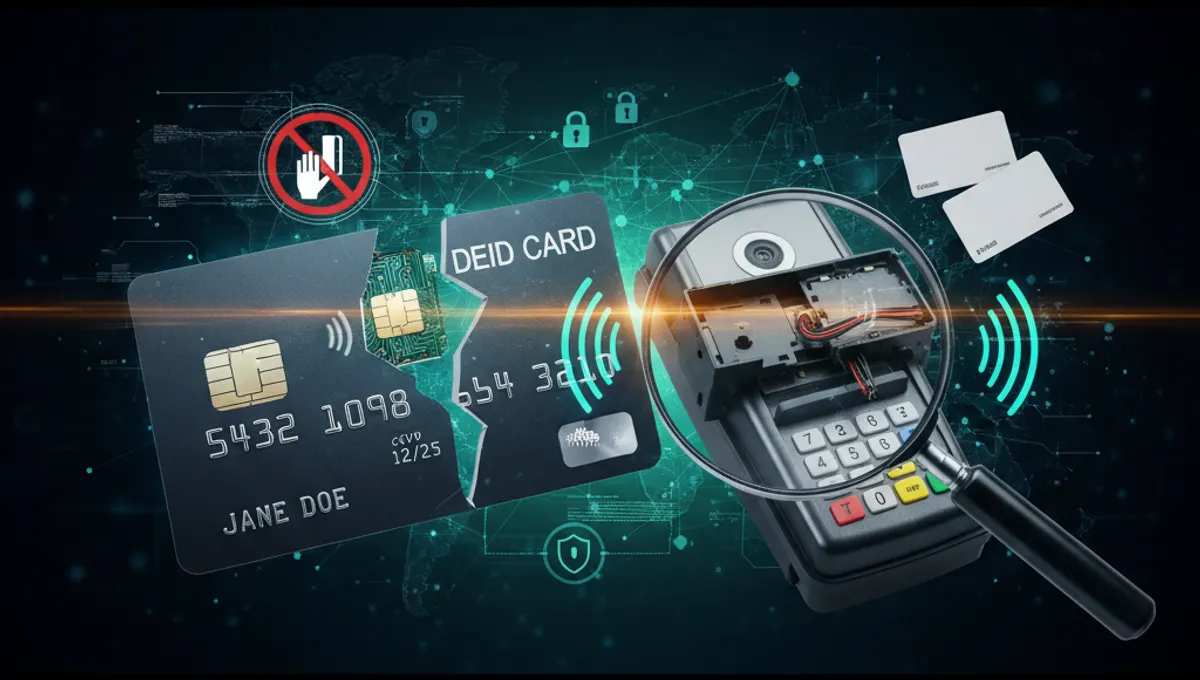
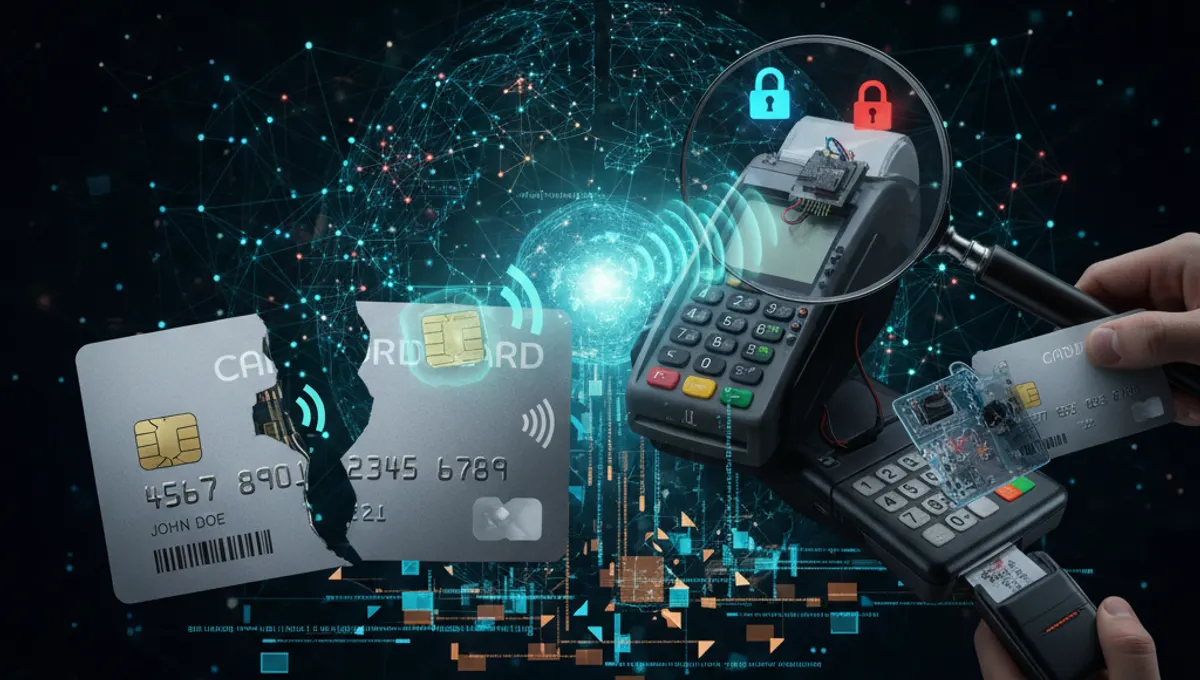
A gas pump skimmer is a thin electronic device placed over or inside a fuel pump's card reader slot. When you insert your card, the skimmer captures the magnetic stripe data or, in some cases, intercepts EMV chip communication. Unlike shimming—which uses a thin insert deep inside the slot—external skimmers are often visible if you look closely at the card reader. The stolen data contains your card number, expiration date, and sometimes the cardholder name. This information is then used to create cloned cards or sold to buyers on dark web marketplaces. Skimmers at gas stations are particularly effective because attendants rarely inspect the equipment regularly, and the high volume of transactions makes detection slower.
How to Identify Credit Card Skimmers at Gas Pumps
Before inserting your card, inspect the card reader slot for signs of tampering. Look for loose, misaligned, or protruding plastic panels around the reader. Run your fingers along the edges to feel for gaps or overlays that don't match the pump's design. Check if the card reader feels unusually thick or if the slot appears to have been forced open. Legitimate readers sit flush with the pump surface. If the pump looks damaged, weathered unevenly, or has visible glue residue, avoid it and use a different pump. Pay attention to the pump's overall condition: skimmers are sometimes installed on neglected or older machines. When possible, use pumps closer to the station entrance where staff can see them more frequently.
How Card Skimming and Cloning Works
Card skimming captures your card's data through a physical reader or wireless interception. Once the data is stolen, criminals use it to create cloned cards—blank cards encoded with your stolen information. The cloned card can then be used for in-person purchases until the fraud is detected. Alternatively, the raw card data is sold on dark web marketplaces where buyers purchase batches of stolen card numbers for carding—using them for online fraud or resale. The magnetic stripe data is easier to clone than EMV chip data, which is why older pumps remain targets. Shimming, a related technique, involves inserting a thin skimming device inside the card slot itself, making it nearly invisible. Both methods exploit the fact that many gas pumps still rely on magnetic stripe reading as a fallback when chip readers malfunction.
The Dark Web Cloned Card Sales Ecosystem
Stolen card data is bought and sold on dark web marketplaces through specialized forums and vendor shops. Sellers list batches of cloned card information organized by card type, bank, and country. Prices vary based on the card's validity, balance history, and whether it includes additional data like CVV or PIN. Buyers purchase this data to conduct fraud, resell it to other criminals, or test the cards before larger operations. The marketplace operates using cryptocurrency to obscure transactions. Vendors often provide guarantees—promising refunds if cards are invalid within a certain timeframe—to build reputation and repeat business. Law enforcement agencies worldwide monitor these markets, but the decentralized nature and use of encryption make enforcement difficult. The ecosystem thrives because stolen data remains profitable and the barrier to entry for buyers is low.
Legal Consequences of Card Fraud and Possession
Possessing, using, or selling cloned cards or stolen card data constitutes fraud and identity theft in most jurisdictions. Charges typically fall into categories including wire fraud, access device fraud, and identity theft. Penalties vary significantly by location and the specific circumstances of the offense. In the United States, federal charges can result in prison sentences ranging from several years to decades, depending on the amount involved and whether the crime is prosecuted at state or federal level. Possession of cloning equipment or skimming devices is also illegal in many places. International laws similarly criminalize these activities, though enforcement and sentencing differ. Even first-time offenders face substantial prison time and fines. The consequences extend beyond criminal penalties: civil liability, restitution to victims, and a permanent criminal record affect employment and housing prospects indefinitely. Jurisdiction-specific laws determine exact penalties, so consulting legal counsel in your area is necessary for accurate information.
How to Protect Your Card at Gas Pumps
Use contactless payment methods when available—tap-to-pay and mobile wallets like digital payment apps reduce exposure to skimmers because they don't require card insertion. If you must insert your card, use pumps inside the station or those monitored by staff. Enable transaction alerts on your bank account so you receive notifications of any charges, allowing you to spot fraud quickly. Consider using a virtual card number or a dedicated low-limit card for fuel purchases. Check your statements regularly for unauthorized charges. Some banks offer card locking features that prevent transactions until you unlock the card through their app. Avoid using debit cards at gas pumps if possible—credit cards offer stronger fraud protection. When entering your PIN, shield the keypad from view. If you notice a skimmer or suspicious pump, report it to the station attendant and your bank immediately.
What to Do If Your Card Information Is Compromised
Contact your bank or card issuer immediately upon discovering unauthorized charges or suspected fraud. Most issuers have fraud departments available 24/7. Report the specific transactions and provide details about where you last used the card. Your bank will typically cancel the compromised card and issue a replacement within 7-10 business days. File a dispute for each fraudulent charge; banks generally investigate within 10 business days and issue provisional credits while the investigation proceeds. Keep documentation of all communications with your bank. If your card data was stolen but not yet used, monitor your account closely for 30-60 days. Consider placing a fraud alert or credit freeze with the credit bureaus to prevent identity theft. Request a copy of your credit report to check for unauthorized accounts. If the fraud is extensive, file a report with the Federal Trade Commission and your local police department for your records.
Frequently asked questions
Can I get my money back if my card was skimmed at a gas pump
Yes. Contact your bank immediately and report the fraudulent charges. Most card issuers provide fraud protection and will issue a provisional credit while they investigate, typically within 10 business days. Full refunds are usually processed once the dispute is resolved. Debit card fraud may take longer to resolve than credit card fraud, so credit cards offer better protection at gas pumps.
How can I tell if a gas pump has a skimmer installed
Inspect the card reader slot for loose, protruding, or misaligned panels. Feel along the edges for gaps or overlays that don't match the pump's design. Look for glue residue, damage, or weathering around the reader. Legitimate readers sit flush with the pump surface. If something feels off or the pump appears neglected, use a different pump and report it to the station attendant.
What is the difference between a skimmer and a shimmer
A skimmer is a device placed over or outside the card reader slot, often visible upon inspection. A shimmer is a thin insert placed deep inside the card slot, making it nearly invisible. Both capture card data, but shimmers are harder to detect because they're hidden within the legitimate reader. Shimmers typically target chip readers, while skimmers work on magnetic stripe readers.
Are contactless payments safer than inserting my card at a gas pump
Yes. Contactless payments and mobile wallets don't require your physical card to enter a reader, eliminating exposure to skimmers. Tap-to-pay and digital payment apps transmit tokenized data instead of your actual card number, providing stronger security. If your gas pump supports contactless payment, use it instead of inserting your card.
What happens if someone uses my cloned card information
If your cloned card is used fraudulently, you're protected by your card issuer's fraud liability policy. Report unauthorized charges to your bank immediately. The issuer will investigate, dispute the charges, and typically issue a refund within 10 business days. Your bank will cancel the compromised card and send a replacement. Monitor your account for 30-60 days for additional fraudulent activity.