What Is a Credit Card Skimmer and How Does It Work
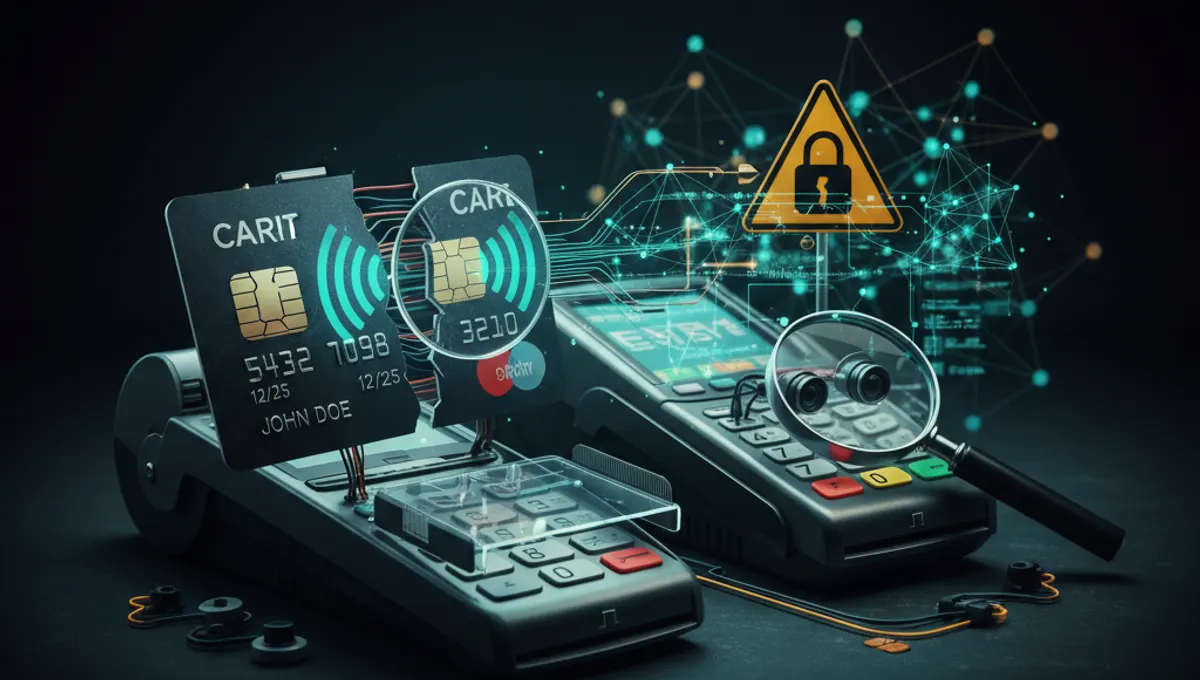
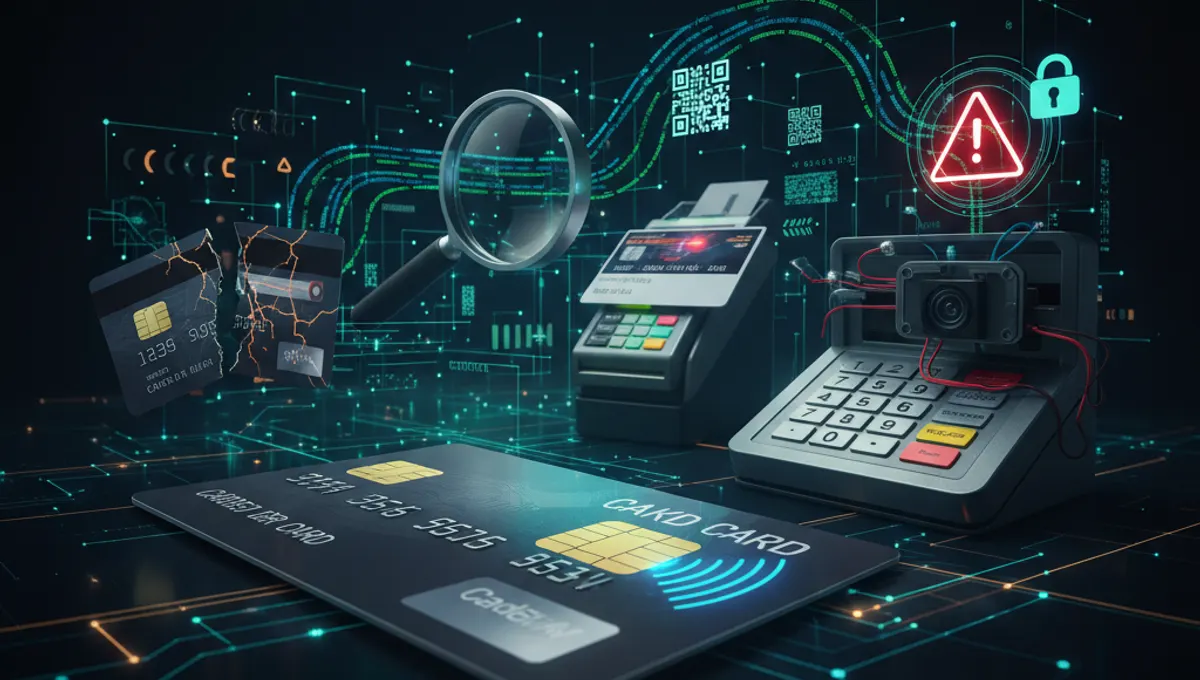
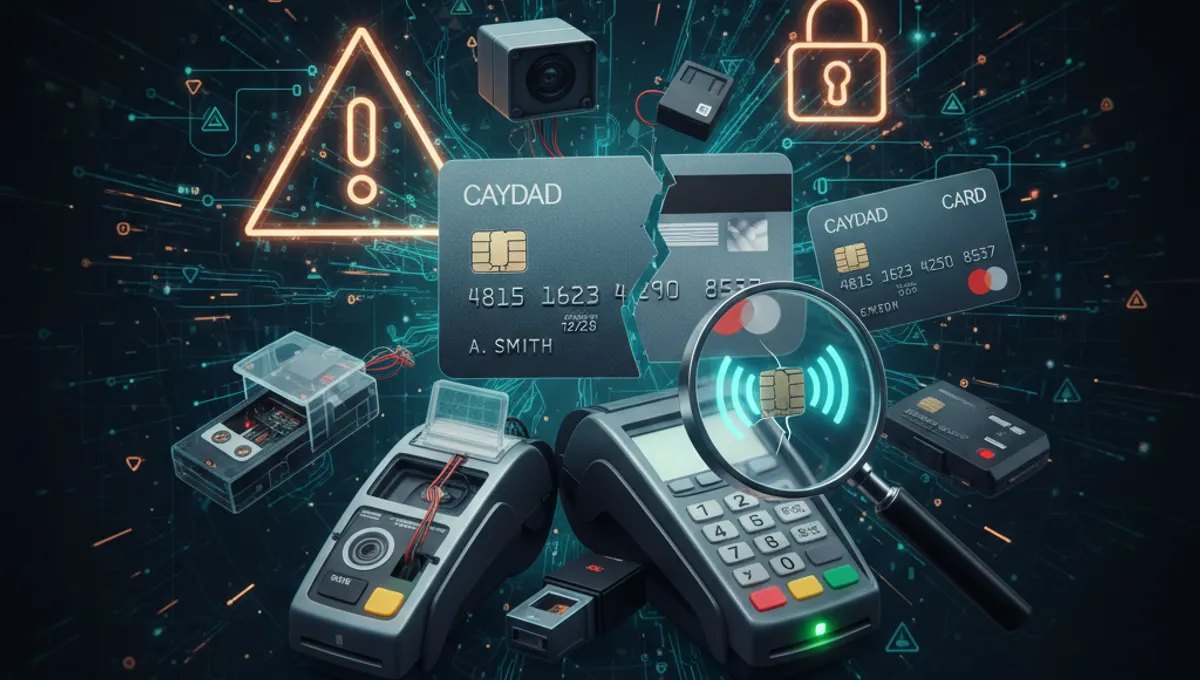
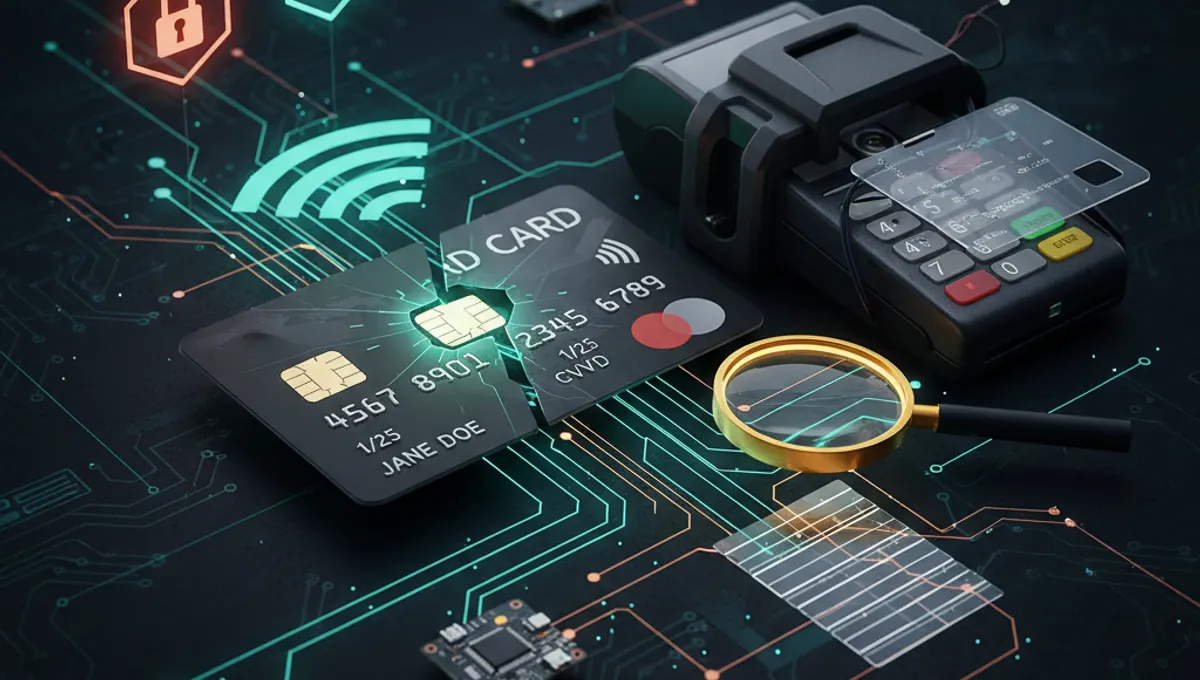
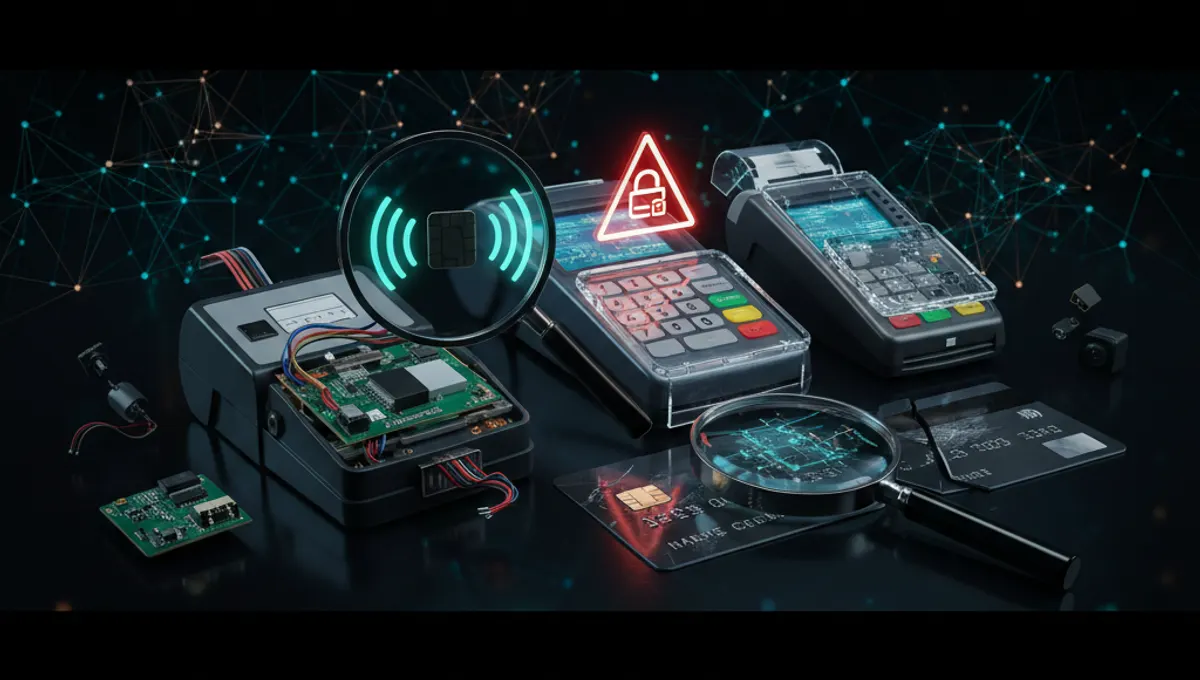
A credit card skimmer is a device placed over or inside a legitimate payment terminal to read card information as you swipe or insert it. Skimmers capture data from the magnetic stripe or EMV chip, recording account numbers, expiration dates, and sometimes PIN codes. Gas pump skimmers and ATM skimmers are the most common types because these machines are often unattended and located in public areas. The stolen data is then extracted from the device by the attacker, either immediately or days later. This information can be used to create cloned cards or sold on underground marketplaces. Unlike data breaches from online retailers or bank leaks, skimming is a direct interception attack that happens at the point of sale.
Physical Signs of a Gas Pump Skimmer
Gas pump skimmers are often installed on the card reader slot or the entire front panel. Check if the card reader slot feels loose, wiggles, or appears raised compared to the rest of the pump. Look for misaligned or protruding components, discolored plastic, or fresh adhesive around seams. Some skimmers are shimmed—thin devices inserted into the card slot that sit flush and are harder to detect visually. Inspect the pump's overall condition: if it looks newer than surrounding pumps or has obvious damage, avoid it. Run your hand over the reader area to feel for unexpected protrusions. If the pump feels warm or has a battery pack visible, that is a red flag. Always use pumps closest to the station entrance where attendants can monitor them more easily.
How to Recognize Credit Card Skimmers at ATMs
ATM skimmers are typically placed over the card insertion slot or attached to the front bezel. Gently try to wiggle the card reader, keypad, or any external component; legitimate parts should not move. Look for a second card slot layered over the original one, which is a common shimming technique. Check if the ATM's plastic casing has gaps, loose screws, or signs of recent opening. The keypad may feel different or have a slightly raised overlay. Inspect the surrounding area for hidden cameras positioned to capture your PIN. Avoid ATMs in isolated locations or those that appear to have been recently serviced without official markings. Use ATMs inside banks or well-lit, monitored areas whenever possible.
What Happens When Your Card Data Is Stolen by a Skimmer
Once a skimmer captures your card data, the attacker retrieves the device and extracts the information. The stolen data—including card number, expiration date, and sometimes CVV or PIN—can be used to create cloned cards. A cloned card is a physical card encoded with your account information that functions like your original card at point-of-sale terminals. Attackers may also sell this data on dark web marketplaces where buyers purchase batches of card information for fraud. The data can remain on a skimmer for weeks, meaning multiple victims' information is compromised from a single device. Financial institutions and law enforcement track skimmer activity, but detection often lags behind the initial theft. Your card issuer may not detect unauthorized activity until fraudulent charges appear on your statement or you report them.
Steps to Protect Your Card From Skimmers
Use contactless or tap payments whenever available, as these do not require insertion and bypass skimmers entirely. Tokenized payments through mobile wallets encrypt your card data and prevent the actual card number from being transmitted. Enable transaction alerts through your bank's app so you receive notifications of any charges in real time. Consider using virtual card numbers generated by your bank for online purchases, which isolate your primary account. At gas pumps and ATMs, inspect the terminal before use and choose locations with visible monitoring. Pay inside the station instead of at the pump when possible. Regularly review your bank and credit card statements for unfamiliar charges. If your card is compromised, contact your issuer immediately to freeze or cancel it. Many banks offer fraud protection that limits your liability for unauthorized charges.
What to Do If Your Card Information Has Been Compromised
Contact your card issuer immediately if you suspect your information was captured by a skimmer or if you notice fraudulent charges. Most banks allow you to dispute charges through their mobile app or customer service line. File a dispute report with your card issuer, providing details of the unauthorized transaction, the date, and the merchant. Your issuer will typically initiate a chargeback process and issue a replacement card within 7 to 10 business days. Request a new card number and ask if your issuer offers a fraud monitoring service. File a report with the Federal Trade Commission at IdentityTheft.gov if your identity was used fraudulently. Monitor your credit reports from the three major bureaus for signs of identity theft. If you used the compromised card at an ATM, change your PIN immediately and monitor your bank account for unauthorized transfers.
Legal Consequences of Card Skimming and Cloned Card Use
Possessing, using, or distributing cloned cards or skimming devices is illegal in most jurisdictions. Charges typically fall under fraud, identity theft, and device-based fraud statutes. Specific penalties depend on local laws, the number of cards involved, and the amount of money stolen. Federal charges in some countries carry sentences ranging from months to years in prison, along with fines and restitution orders. Selling stolen card data on dark web marketplaces compounds legal exposure, as it involves conspiracy and money laundering charges. Individuals caught with skimming equipment face charges for manufacturing or possessing fraud devices. Victims of card skimming have legal protections under consumer protection laws that limit their liability for fraudulent charges. Law enforcement agencies and financial crime units actively investigate skimming operations and dark web card sales.
Frequently asked questions
Can you feel a credit card skimmer when you touch it?
Yes, many skimmers can be detected by touch. Shimmed card readers may feel slightly raised or loose. Overlay skimmers on ATMs often feel like a second layer of plastic. Gently wiggle the card slot or keypad; legitimate components should not move. However, some professional skimmers are designed to feel natural, so visual inspection and awareness of your surroundings are equally important.
How long does a skimmer stay on a pump or ATM?
Skimmers are typically left in place for several days to weeks, depending on how quickly the attacker can retrieve the device without drawing attention. Some attackers use wireless skimmers that transmit data remotely, allowing longer deployment periods. Gas station and ATM operators conduct regular maintenance checks, but not all machines are inspected daily. The longer a skimmer remains undetected, the more card data it captures.
What is the difference between a skimmer and a shimmer?
A skimmer is an external device placed over a card reader slot. A shimmer is a thin, flat device inserted inside the card slot that sits flush with the terminal. Shimmers are harder to detect visually because they do not protrude. Both capture card data, but shimmers require more precision installation and are often found on ATMs rather than gas pumps.
Will my bank refund fraudulent charges from a skimmed card?
Most banks and card issuers offer fraud protection that limits your liability for unauthorized charges to zero or a small amount, depending on your account terms and local consumer protection laws. Refunds are typically processed within 7 to 10 business days after you file a dispute. You must report the fraud promptly; delays in reporting may affect your eligibility for a full refund. Contact your issuer immediately if you notice suspicious activity.
Are contactless payments safe from skimmers?
Contactless payments are safer from traditional skimmers because the card does not enter a slot where a skimmer can be installed. However, contactless transactions can still be intercepted by NFC (near-field communication) readers if they are not encrypted. Most modern contactless systems use tokenization and encryption to protect your data. Using a mobile wallet with contactless payment provides an additional layer of security compared to inserting a physical card.