What Is a Card Skimmer and How Does It Capture Data
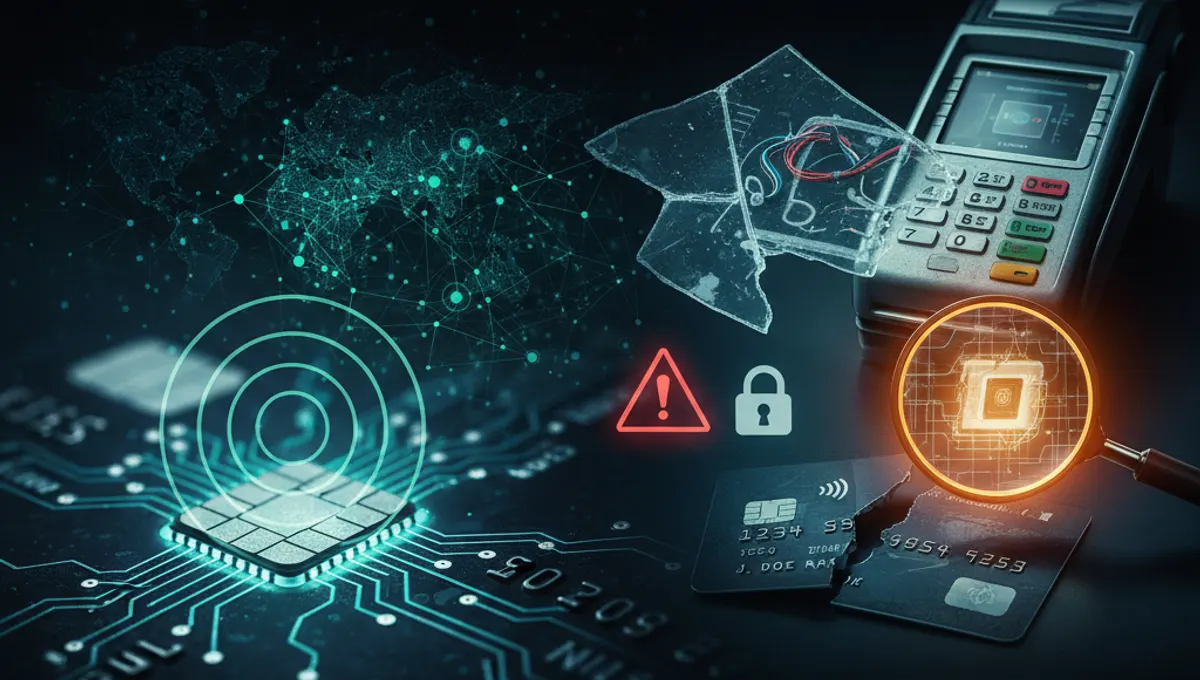
A card skimmer is a physical device or software overlay placed on legitimate payment terminals to intercept card information. Skimmers work by reading the magnetic stripe on the back of your card as it passes through a compromised reader. Older magnetic stripe technology stores unencrypted data, making it vulnerable to capture. Shimming is a related technique where a thin device is inserted into a card slot to read EMV chip data before it reaches the legitimate processor. Gas pumps and ATMs are frequent targets because they operate in public spaces with minimal supervision. Criminals extract the captured data—card number, expiration date, and sometimes the CVV—and later use it to create cloned cards or sell the information on dark web marketplaces where buyers can manufacture counterfeit payment cards.
How Cloned Cards Are Created and Sold on the Dark Web
Once skimmers or data breaches capture card information, criminals encode the stolen data onto blank cards using specialized encoding equipment. These cloned cards replicate the magnetic stripe or chip of the original, allowing fraudsters to make purchases or withdraw cash. The dark web hosts marketplaces where sellers list cloned cards with details like card type, issuing bank, and available balance or credit limit. Buyers typically purchase cards in bulk, paying per card or per batch. Sellers often provide guarantees or replacement policies if a card is declined, creating a transactional ecosystem similar to legitimate e-commerce. The anonymity of dark web markets, combined with cryptocurrency payments, makes enforcement difficult. Cards are shipped physically or details are provided digitally depending on the seller's model. This underground economy sustains skimming operations because demand for cloned cards incentivizes criminals to deploy more skimmers.
Legal Consequences of Card Fraud and Cloned Card Possession
Possession of cloned cards or card skimming devices is illegal in most jurisdictions and typically falls under fraud, identity theft, and device-based fraud statutes. Using a cloned card constitutes wire fraud and potentially aggravated identity theft. Specific penalties depend on the jurisdiction, the number of cards involved, and the total amount defrauded. In the United States, federal fraud charges can result in imprisonment and substantial fines; state laws vary widely. Possession of skimming equipment itself may trigger charges related to conspiracy or preparation for fraud. International jurisdictions have similar frameworks but apply different sentencing guidelines. Even purchasing cloned cards on the dark web exposes buyers to prosecution for fraud, money laundering, and conspiracy. Law enforcement agencies worldwide coordinate to investigate and prosecute carding operations, and dark web marketplaces are regularly shut down by authorities.
How Skimmer Scanners and Detection Tools Work
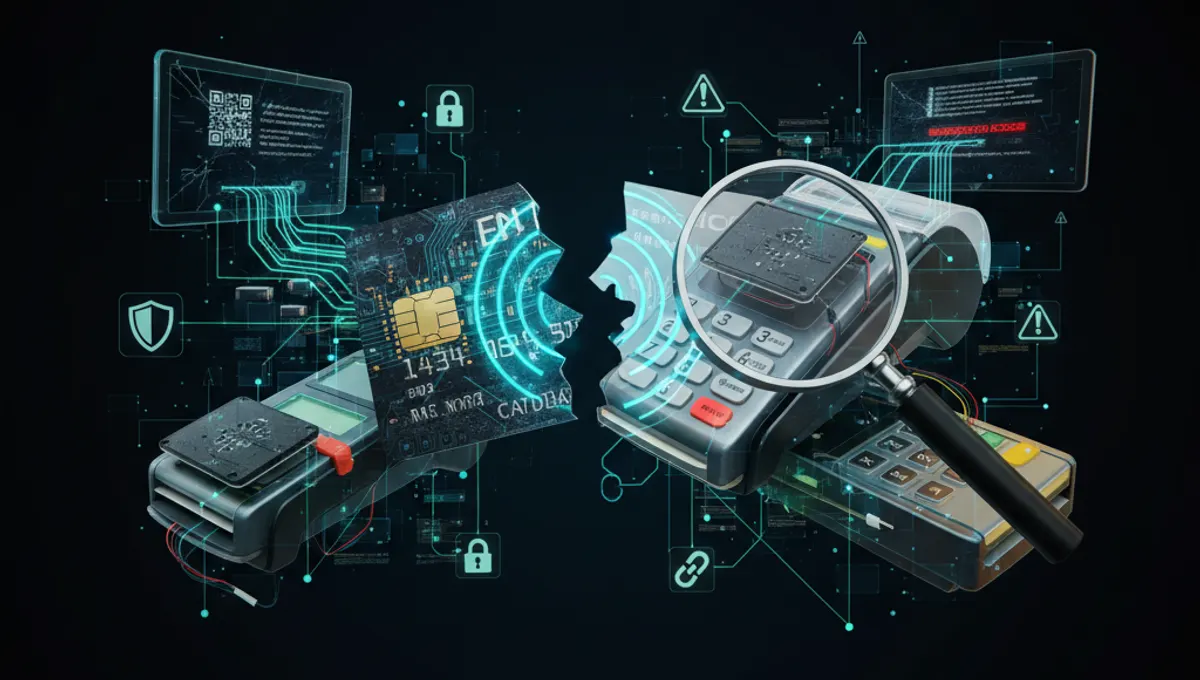
A skimmer scanner uses radio frequency or visual inspection methods to detect unauthorized devices attached to payment terminals. RF-based scanners emit signals to identify hidden skimming hardware by detecting anomalies in the electromagnetic field around a card reader. Visual inspection involves physically examining the terminal for loose, misaligned, or unfamiliar components that may indicate a shimmer or overlay. Some scanners use software to detect suspicious card reader behavior or unauthorized data transmission. ATM manufacturers and banks increasingly deploy anti-skimming technology, including tamper-evident seals and integrated fraud detection. Mobile apps marketed as skimmer detectors typically scan for NFC or Bluetooth signals from nearby card readers, though their effectiveness varies. The most reliable detection method remains physical inspection: checking for loose bezels, testing the card slot for resistance, and verifying that the terminal matches the bank's official design. Regular maintenance and replacement of card readers also reduce skimming risk.
Protecting Your Card: Detection and Prevention Strategies
Protecting yourself from skimmers involves both behavioral awareness and technological safeguards. Inspect ATMs and gas pumps before use; wiggle the card reader slot and look for loose or protruding components. Use ATMs located inside bank branches rather than standalone machines in public spaces. Enable transaction alerts on your bank account so you receive notifications of any charges in real time. Consider using virtual card numbers or tokenized payments, which generate one-time-use card data that cannot be reused if intercepted. Contactless and chip-based payments are more secure than magnetic stripe transactions because they use encryption and one-time codes. Monitor your credit reports regularly for unauthorized accounts opened in your name. Use a credit freeze or fraud alert with the major credit bureaus if you suspect compromise. Avoid using debit cards for large purchases; credit cards offer stronger fraud protections and dispute processes.
What to Do If Your Card Has Been Compromised
If you detect unauthorized charges or suspect your card information has been stolen, contact your bank or card issuer immediately. Most issuers have fraud departments available 24/7. Report the specific fraudulent transactions and request a chargeback or dispute. Your bank will typically cancel the compromised card and issue a replacement within 5 to 10 business days. Fraudulent charges are usually reversed within 30 to 90 days, depending on the issuer's investigation and your jurisdiction's consumer protection laws. File a report with your local law enforcement agency and the Federal Trade Commission (FTC) if you are in the United States. Request a free credit report from the three major bureaus and review it for accounts you did not open. Place a fraud alert on your credit file to prevent criminals from opening new accounts in your name. Document all communications with your bank and keep records of the dispute process. Monitor your accounts closely for several months after the incident to catch any delayed fraudulent activity.
Understanding Card Skimming vs. Other Fraud Methods
Card skimming differs from other fraud methods in that it targets physical card data at the point of transaction rather than online credentials or personal information. Shimming targets EMV chips specifically, while skimming focuses on magnetic stripes. Data breaches at retailers or payment processors expose millions of cards at once, whereas skimmers typically harvest smaller batches over time. Phishing and social engineering target login credentials and personal details, not card data directly. Account takeover fraud involves compromising online banking credentials, while carding focuses on unauthorized purchases using stolen card numbers. Skimming remains attractive to criminals because it requires minimal technical skill and generates reliable revenue through cloned card sales. Understanding these distinctions helps you recognize which protection strategies apply to each threat. Skimmers are physical threats requiring visual inspection and terminal awareness, while data breaches require credit monitoring and account alerts.
Frequently asked questions
Can a skimmer scanner app on my phone actually detect skimmers
Mobile apps that claim to detect skimmers by scanning for NFC or Bluetooth signals have limited reliability. They may identify nearby card readers but cannot definitively confirm whether a reader is compromised. Physical inspection—checking for loose components, misaligned bezels, and testing card slot resistance—remains the most dependable detection method. Use apps as a supplementary tool only, not a primary defense.
How long does it take for a cloned card to be used after skimming
Cloned cards can be used within hours or days of skimming, depending on how quickly the data is encoded and sold. Some criminals test cloned cards immediately with small purchases to verify they work before selling them on dark web marketplaces. Others batch multiple cards and sell them in bulk, which may delay use. Monitoring your account with real-time alerts is critical because fraudulent charges can occur at any time after your card is compromised.
What is the difference between a shimmer and a skimmer
A skimmer reads the magnetic stripe on the back of your card and is typically attached to the outside of a card reader. A shimmer is a thin device inserted into the card slot itself to read EMV chip data. Skimmers target older magnetic stripe technology, while shimmers target chip-based cards. Both capture card information for cloning. Shimmers are harder to detect visually because they fit inside the slot, but they may cause the card to stick slightly or feel unusual when inserted.
Are contactless payments safer than swiping or inserting a card
Contactless payments are generally safer because they use tokenization and encryption, generating a one-time code for each transaction rather than transmitting your actual card number. This means even if a skimmer is present, it cannot capture usable card data from a contactless transaction. Chip-based inserted payments are also more secure than magnetic stripe swipes. However, contactless payments still require you to verify the terminal and merchant before completing the transaction.
If I buy a cloned card on the dark web, what legal charges could I face
Purchasing cloned cards exposes you to federal and state fraud charges, identity theft statutes, and conspiracy charges. Specific penalties depend on your jurisdiction, the number of cards purchased, and the total amount involved in fraudulent transactions. Possession alone can result in criminal charges; actual use compounds the offense. Law enforcement agencies coordinate internationally to investigate dark web carding operations, and marketplace shutdowns regularly lead to arrests and prosecutions.