What Is a Skimmer and How Does It Work
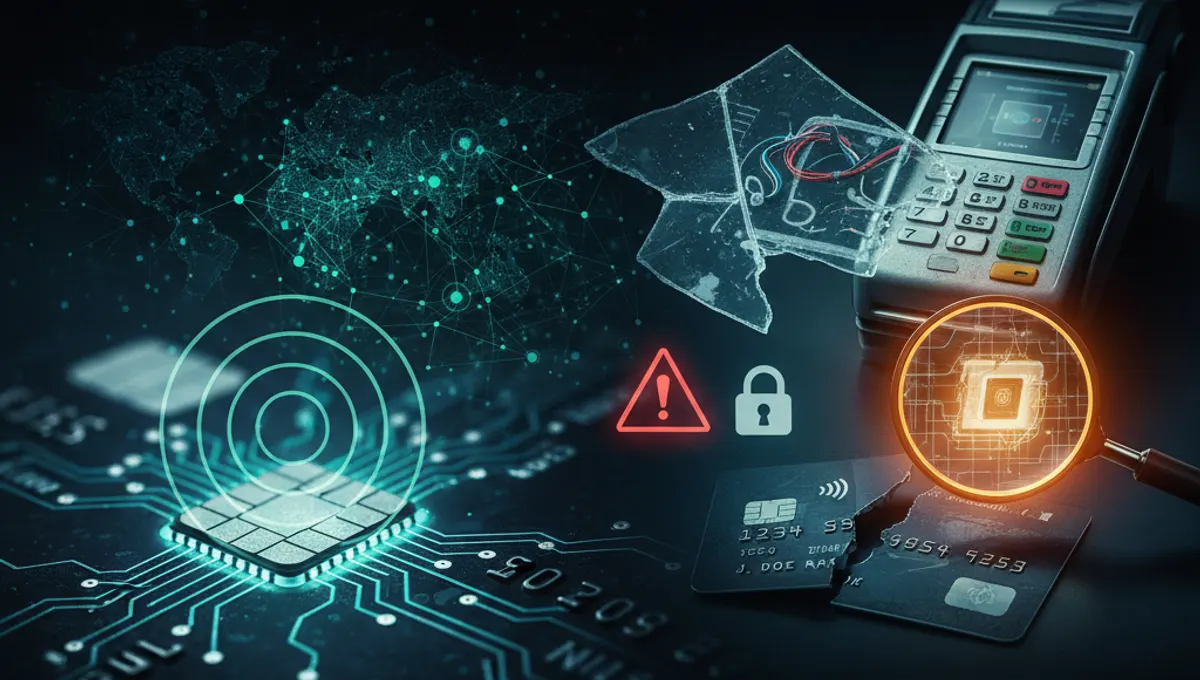
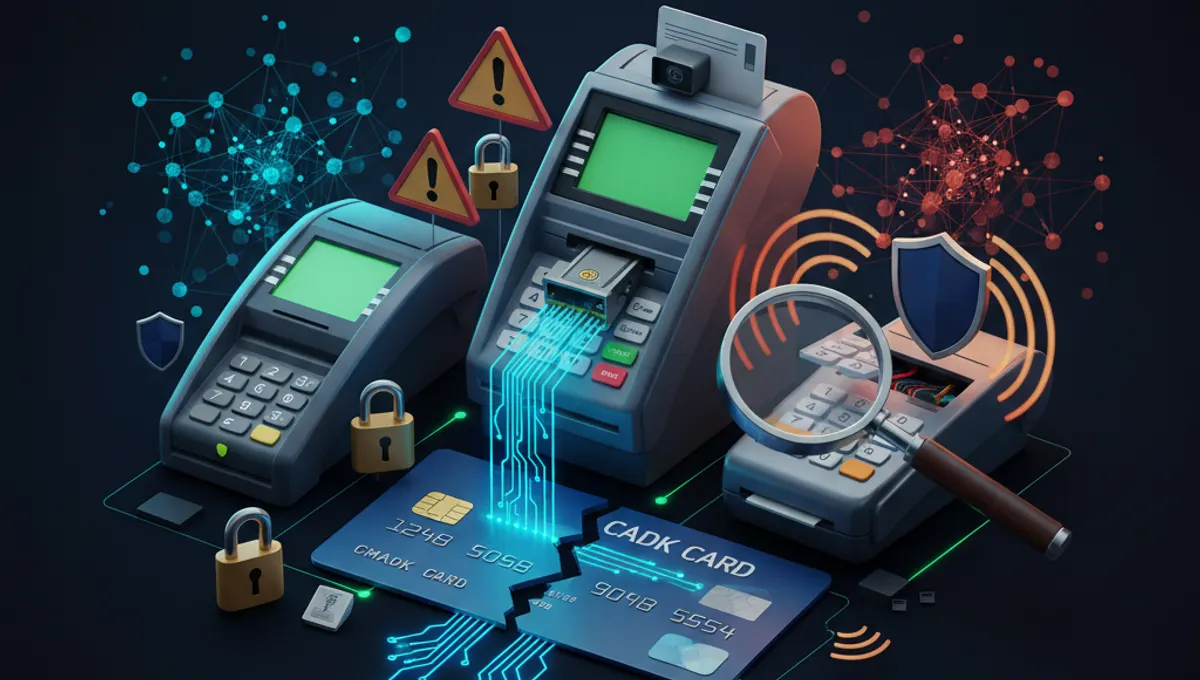
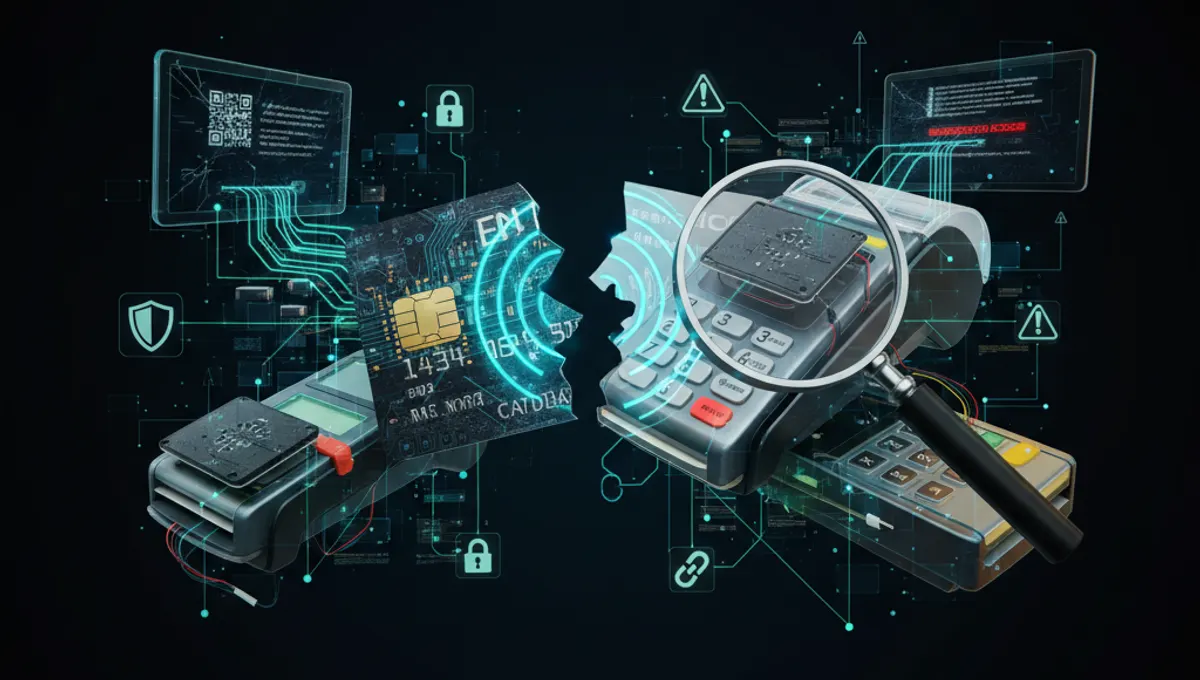
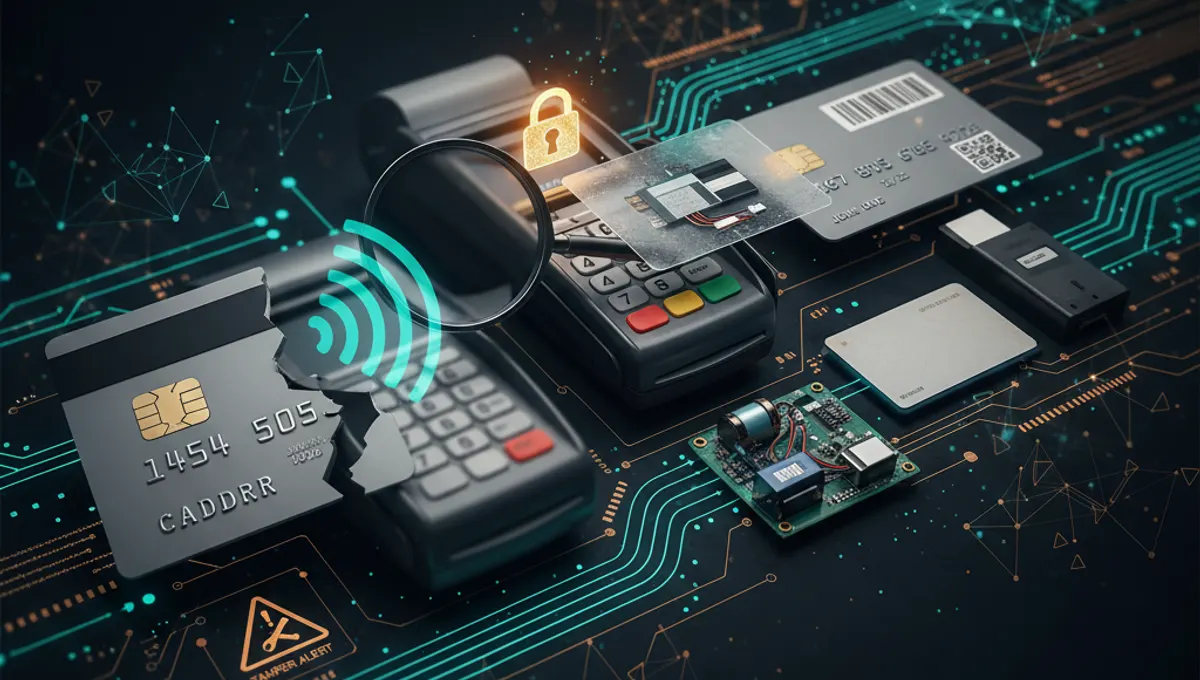
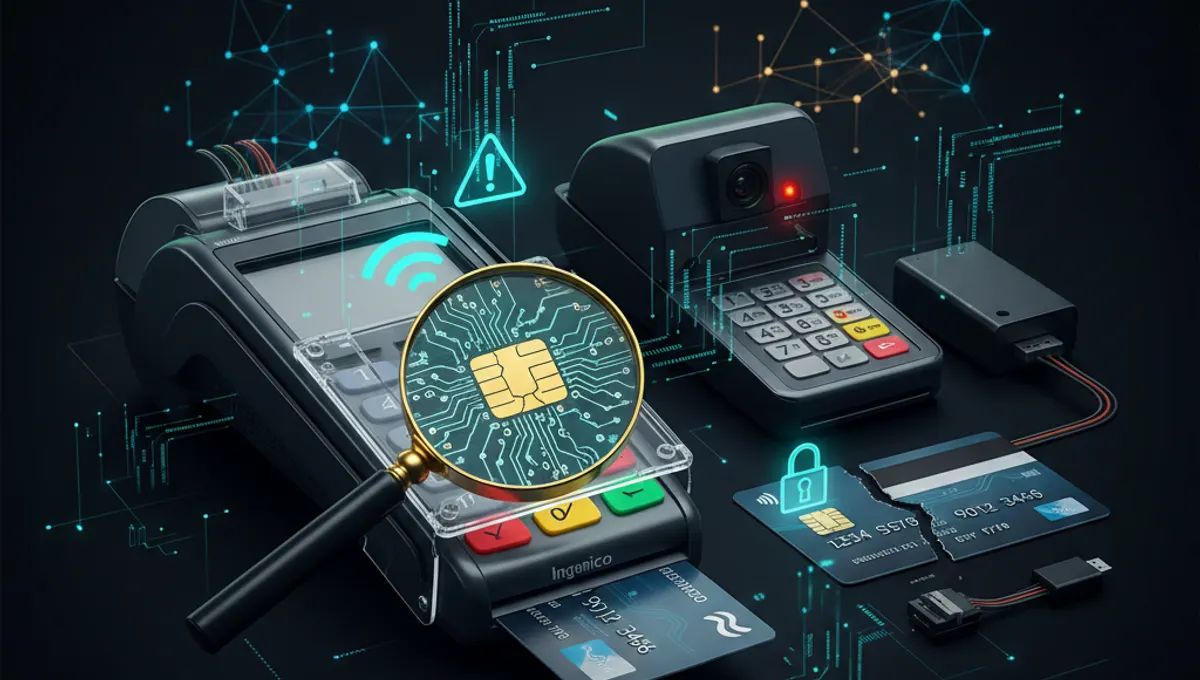
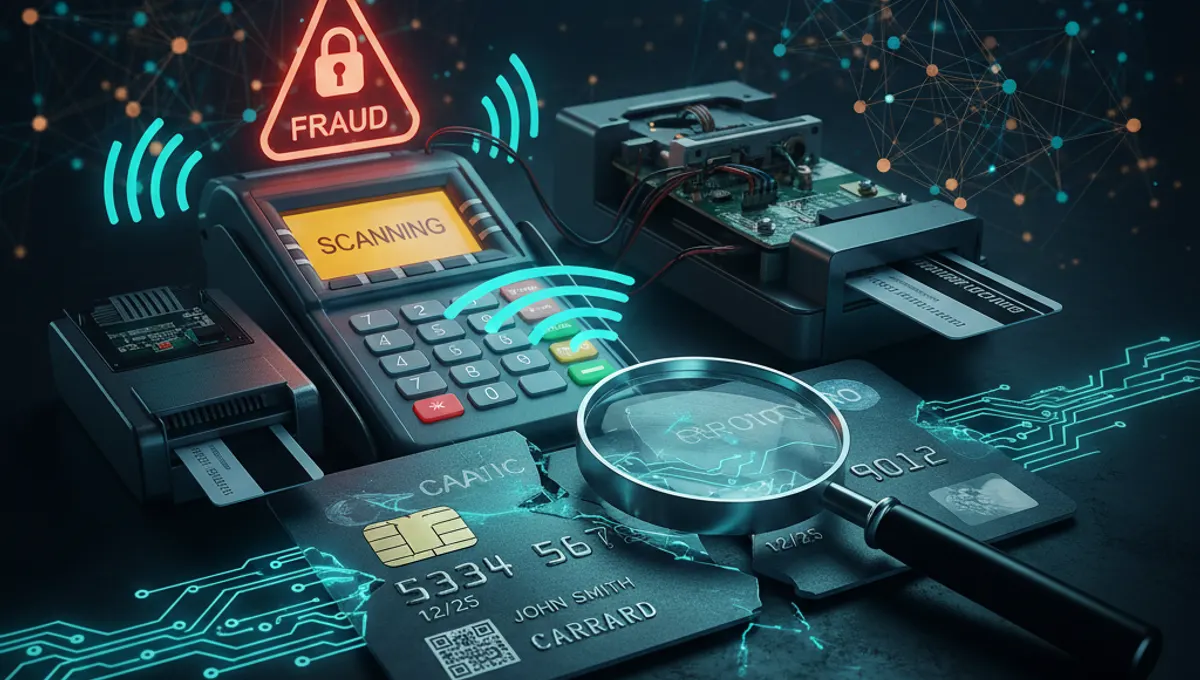
A skimmer is hardware or software designed to steal card information during a legitimate transaction. Physical skimmers are overlay devices placed over card slots or inside payment terminals. They capture the magnetic stripe data or EMV chip information as your card passes through. Some skimmers also include hidden cameras or keypad overlays to record PIN numbers. Shimming refers to thin skimmer devices inserted into card slots, while overlay skimmers sit visibly on top of terminals. Understanding these methods helps you recognize what to look for when inspecting payment equipment.
Visual Inspection: What to Look for on Gas Pumps
Inspect the card slot and surrounding area for loose, misaligned, or protruding components. A skimmer on a gas pump often appears as an extra layer or bezel around the card reader. Check if the card slot feels different from other pumps at the same station. Look for signs of glue residue, scratches, or color mismatches indicating recent installation. The card reader should sit flush with the pump panel. Test the card slot gently with your finger to see if any part moves or feels unstable. Compare the pump's appearance to others nearby to spot inconsistencies. Take a photo if something seems off and report it to station management immediately.
Physical Testing Methods for Card Skimmers
Gently wiggle the card slot or reader to detect loose components. A properly installed reader should not move. Try to insert your card slowly and feel for unusual resistance or grinding sensations. Listen for clicking sounds that might indicate mechanical skimming devices. Some security experts recommend using a test card or dummy card first if available. Check the PIN pad for overlays by attempting to lift the corners gently. Feel the edges of the keypad for raised sections that could hide a camera. These tactile tests can reveal shimming devices or overlay skimmers that visual inspection alone might miss.
How to Detect a Skimmer on ATMs
ATM skimmers often target machines in less-monitored locations like convenience stores or parking garages. Inspect the card slot, surround bezel, and PIN pad for signs of tampering. Look for a secondary card slot or reader that appears glued on top of the original. Check if the ATM's fascia panel is loose or has been recently reattached. Wiggle the card reader gently to test for stability. Examine the PIN pad for raised sections, discoloration, or overlay materials. Some deep-insert skimmers are harder to detect visually because they sit inside the card slot. If the ATM feels unusual or looks damaged, use a different machine and report it to the bank.
Protecting Yourself: Prevention Beyond Detection
Use contactless or tokenized payments when available, as these methods don't transmit your full card number. Enable transaction alerts on your bank account to catch unauthorized charges quickly. Consider using virtual card numbers or single-use card tokens for online and in-person purchases. Cover the PIN pad with your hand while entering your code to prevent hidden cameras from recording. Regularly monitor your bank and credit card statements for unfamiliar transactions. Use ATMs in well-lit, monitored locations inside banks rather than standalone machines. Opt for chip readers over magnetic stripe when given the choice, as EMV technology is harder to clone than older magnetic stripe data.
What to Do If Your Card Information Is Compromised
Contact your bank or card issuer immediately if you notice unauthorized charges or suspect your card data has been stolen. Most card issuers offer fraud protection that limits your liability for unauthorized transactions. File a dispute for each fraudulent charge through your card issuer's dispute process. Request a new card with a different number to prevent further unauthorized use. Check your credit reports for signs of identity theft or new accounts opened in your name. File a report with the Federal Trade Commission if you believe your personal information has been compromised. Keep documentation of all communications with your bank and copies of dispute forms. Refund timelines vary by issuer but typically range from a few days to several weeks for provisional credits.
Understanding the Cloned Card Ecosystem
Cloned cards are created using stolen card data obtained through skimmers, data breaches, or other theft methods. The stolen data is encoded onto blank card stock or existing cards to create functional duplicates. These cloned cards are then sold on dark web marketplaces where buyers use them for fraudulent purchases or cash withdrawals. The ecosystem operates through specialized vendors who handle the encoding, testing, and distribution of cloned cards. Buyers typically purchase cards in batches and use them quickly before detection. Law enforcement agencies monitor these marketplaces, and transactions carry significant legal risks for all parties involved. The profitability of this ecosystem depends on the speed of exploitation before cards are reported stolen and blocked.
Frequently asked questions
Can you detect a skimmer by looking at it
Visual inspection can reveal many skimmers, especially overlay devices on gas pumps or ATMs. Look for loose components, color mismatches, glue residue, or protruding parts. However, some shimming devices inserted inside card slots are harder to spot visually. Combining visual inspection with physical testing by gently wiggling the card reader increases your chances of detection.
What does a skimmer device look like
Overlay skimmers appear as extra bezels or frames around card slots, often with visible glue or mounting hardware. Shimming devices are thin and inserted into the card slot itself, making them less visible. Some skimmers include small cameras or keypad overlays. The appearance varies depending on the device type and installation method, but they typically look like they don't belong or don't match the surrounding equipment.
How can I tell if a gas pump has a skimmer
Inspect the card slot for loose or misaligned parts, color differences, or signs of recent installation. Test the card reader by gently pushing on it to check for movement. Compare the pump's appearance to nearby pumps to spot inconsistencies. Check for glue residue or scratches around the card slot. If something feels wrong or looks different, use a different pump and report it to station management.
What are the legal consequences of using a cloned card
Using a cloned card constitutes fraud and identity theft, which are serious federal and state crimes. Penalties vary by jurisdiction but typically include criminal charges, fines, and imprisonment. Possession of cloned cards or skimming devices also carries criminal liability. Sentences depend on the amount stolen, number of victims, and prior criminal history. Consult legal resources or an attorney for jurisdiction-specific penalty information.
How long does it take to get a refund for fraudulent charges
Most card issuers provide provisional credits within 1-3 business days after you file a dispute. The full investigation and final refund typically take 30-90 days, depending on the issuer's policies and the complexity of the case. During this time, you should receive regular updates on your dispute status. Keep all documentation and correspondence with your card issuer for your records.