What Is a DIY Card Skimmer and How Does It Differ from Commercial Devices
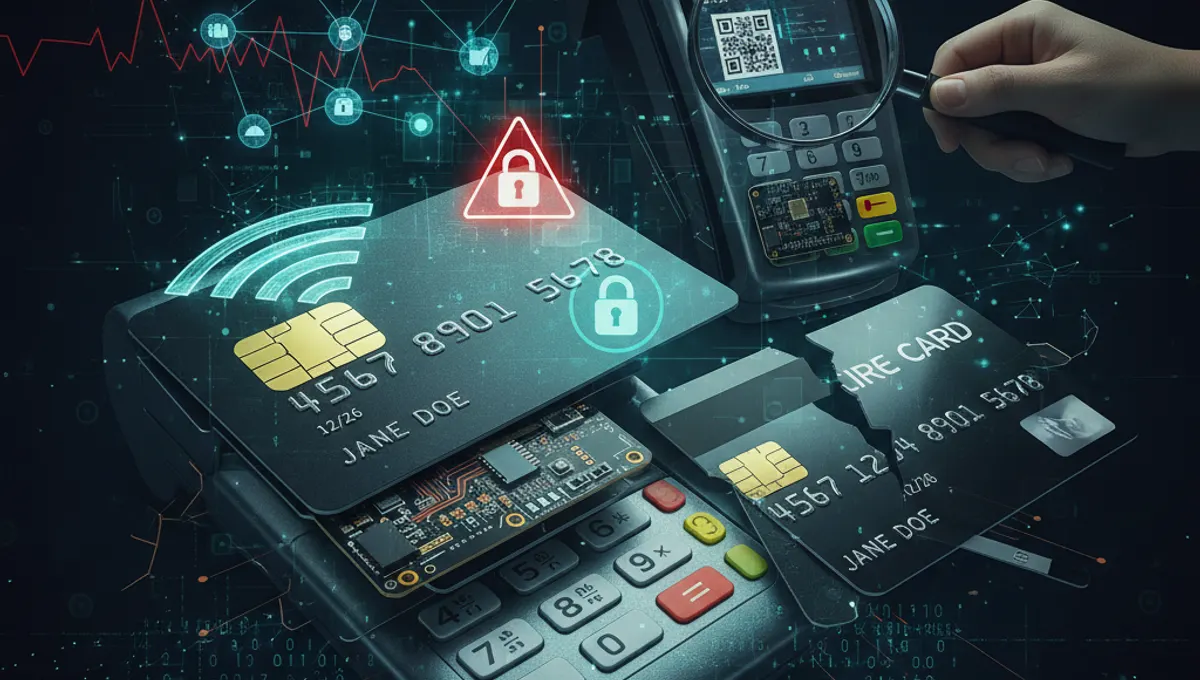
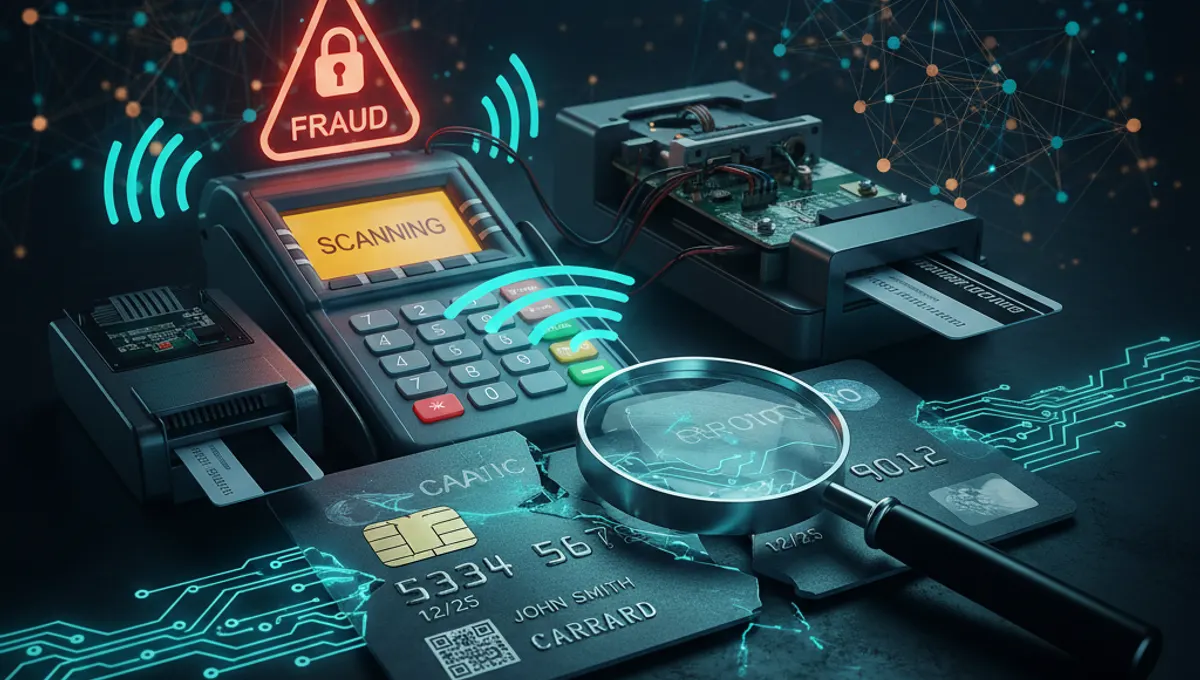
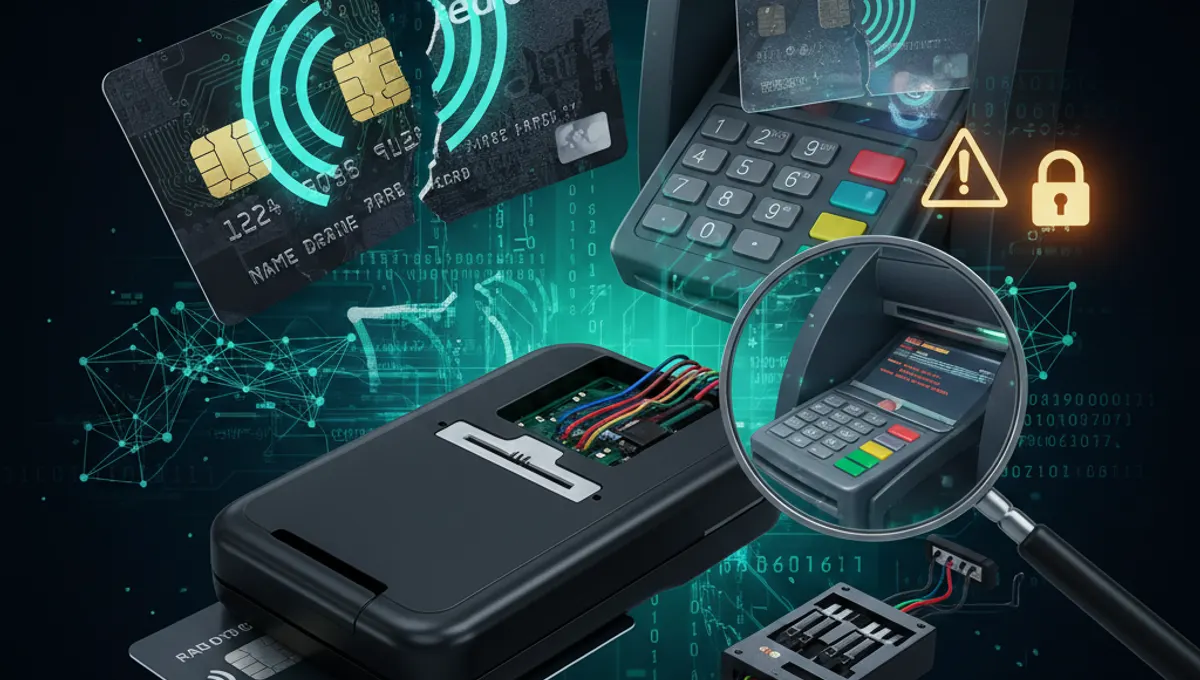
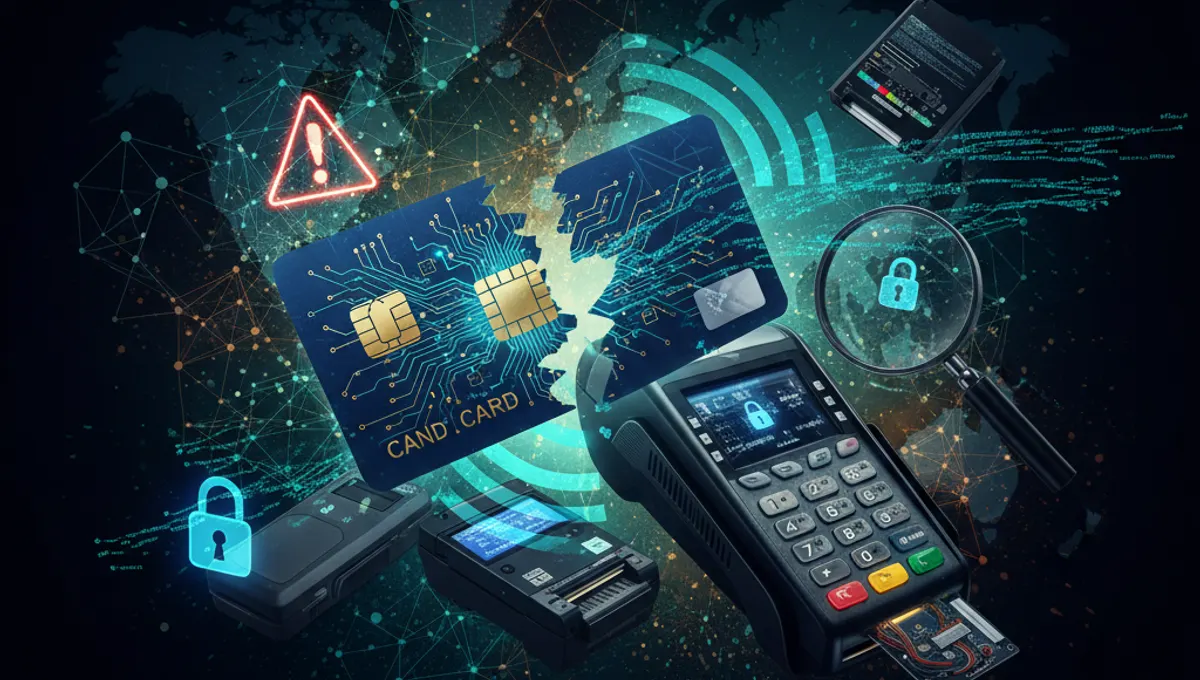
A DIY card skimmer is a manually constructed device built to intercept card data at the point of transaction. Unlike mass-produced skimmers sold on underground markets, DIY versions are assembled by individuals using off-the-shelf components such as card readers, microcontrollers, and wireless transmitters. These devices typically target magnetic stripe data, which remains the easiest to capture and clone. Commercial skimmers are engineered with higher precision and durability, often designed to fit seamlessly into ATM slots or gas pump readers. DIY versions are cruder but can be just as effective when placed in low-security environments. The main advantage of DIY construction is cost reduction and customization for specific targets. However, the technical knowledge required limits their prevalence compared to professionally manufactured alternatives. Both types serve the same purpose: harvesting card information for resale on dark web marketplaces or direct fraudulent use.
How Cloned Cards Are Created from Skimmed Data
Once a DIY card skimmer captures magnetic stripe data, that information is used to create cloned cards through a process called carding. The stolen data includes the cardholder's name, card number, expiration date, and CVV. Fraudsters encode this data onto blank cards using a card writer device, producing physical duplicates that function like the original. EMV chip cards are harder to clone because the chip generates dynamic authentication codes, but magnetic stripe fallback remains exploitable. Cloned cards are then sold on dark web marketplaces where buyers purchase them in bulk or individually. Prices vary based on card type, available balance verification, and seller reputation. The buyer uses the cloned card for fraudulent purchases, cash withdrawals, or resale. This ecosystem depends entirely on the initial data capture—whether through skimming, data breaches, or phishing. DIY skimmers represent one entry point into this supply chain, making them a critical component of organized card fraud operations.
The Dark Web Cloned Card Sales Ecosystem
Cloned cards are bought and sold on dark web marketplaces through specialized vendors and forums dedicated to carding activities. These marketplaces operate similarly to legitimate e-commerce platforms, with seller ratings, escrow services, and customer reviews. Vendors list cards by type (Visa, Mastercard, American Express), issuing bank, and country of origin. Pricing reflects card freshness, verification status, and available balance information. A credit card skimmer's output feeds directly into this supply chain. Sellers aggregate data from multiple sources including DIY skimmers, ATM card skimmer devices, and large-scale data breaches. Buyers range from individual fraudsters to organized crime groups conducting high-volume fraud. Payment for cloned cards typically occurs in cryptocurrency to maintain anonymity. The marketplace infrastructure includes dispute resolution, refund policies for non-working cards, and seller verification systems. Law enforcement agencies actively monitor these platforms, but the decentralized nature and constant migration of marketplaces make complete shutdown difficult. Understanding this ecosystem reveals why card skimming remains profitable and why DIY versions continue to proliferate.
Legal Consequences of Possessing or Using a DIY Card Skimmer
Possession of a DIY card skimmer or any card skimmer device is illegal in most jurisdictions. Criminal charges typically fall into multiple categories: device fraud, identity theft, and wire fraud. Specific penalties depend on local and national laws. In the United States, federal charges can include violations of the Computer Fraud and Abuse Act and identity theft statutes. Possession alone can result in felony charges, with sentences ranging from several years to decades depending on the number of devices and intent. Using a skimmer to capture card data elevates charges to active fraud. Selling cloned cards derived from skimmed data introduces additional charges related to trafficking in stolen financial information. International jurisdictions impose similar or harsher penalties. Conviction typically results in imprisonment, substantial fines, restitution to victims, and a permanent criminal record. Even first-time offenders face significant prison time. The combination of device possession, data theft, and fraud creates multiple overlapping charges that prosecutors can stack to maximize sentences. Jurisdictional variation means penalties differ by location, but the underlying legal principle remains consistent: card skimming infrastructure is treated as serious financial crime.
How to Detect a DIY Card Skimmer at ATMs and Gas Pumps
Detecting a DIY card skimmer requires visual inspection and physical testing of card readers. At ATMs, examine the card slot for loose, protruding, or misaligned components. Legitimate card slots fit flush with the machine's exterior. A card skimmer often appears as an overlay or insert that sits slightly proud of the surface. Run your fingers around the edges to feel for gaps or adhesive. Check for small cameras positioned above the keypad, which capture PIN entries. At gas pumps, inspect the card reader before inserting your card. Look for signs of tampering, discoloration, or components that appear newer than the surrounding pump. Gently tug on the card reader to test if it's secure. A skimmer may be loose or removable. Examine the keypad for overlay devices or unusual thickness. Look for small wireless transmitters or antennas near the reader. Trust your instincts: if something feels off, use a different machine. Legitimate financial institutions maintain their hardware in consistent condition. Any deviation warrants caution. Report suspicious devices to the bank or gas station operator immediately. Taking photos for documentation helps authorities investigate.
Protecting Your Card from Skimmers and Cloning
Multiple strategies reduce your risk of card skimming and cloning. Use contactless payment methods and tokenized digital wallets, which generate unique transaction codes that cannot be reused. These methods bypass magnetic stripe readers entirely. Enable real-time transaction alerts through your bank's mobile app or SMS notifications. Alerts notify you of unauthorized charges within minutes, allowing rapid dispute filing. Consider using virtual card numbers for online purchases. These temporary numbers are linked to your account but cannot be used for in-person fraud. Monitor your credit reports regularly through official channels to detect unauthorized accounts opened in your name. Use strong passwords and enable multi-factor authentication on banking apps. Avoid using ATMs in isolated locations or those showing signs of tampering. Cover the keypad when entering your PIN to prevent camera capture. Request chip-based cards from your issuer rather than magnetic stripe-only cards. EMV chips provide better fraud protection than magnetic stripes. Limit cash withdrawals to trusted bank branches. Consider a RFID-blocking wallet for contactless card protection, though this is less critical than other measures. Regularly review your statements for unfamiliar transactions.
What to Do If Your Card Has Been Compromised or Cloned
If you detect unauthorized charges or suspect your card has been cloned, contact your bank or card issuer immediately. Most institutions have 24/7 fraud hotlines. Provide specific details about suspicious transactions, including dates, amounts, and merchants. Your bank will freeze the account and initiate an investigation. Request a new card with a different number. Most issuers send replacement cards within 5-10 business days. Temporary card numbers or digital wallet access may be available immediately. File a formal dispute for each fraudulent transaction. Under consumer protection laws, your liability is typically limited to $50 per card, though many issuers waive this entirely. Disputes are generally resolved within 30-90 days, with provisional credits often issued within 10 days. Document everything: save emails, transaction records, and correspondence with your bank. File a report with the Federal Trade Commission if identity theft occurred. Place a fraud alert on your credit file with the three major credit bureaus. This prevents criminals from opening new accounts in your name. Monitor your credit reports for the next 12 months. If a DIY skimmer was used at a specific location, report it to local law enforcement and the business operator. Your report may help prevent other victims.
Frequently asked questions
Can a DIY card skimmer capture EMV chip data?
DIY skimmers primarily target magnetic stripe data because it is static and easily replicated. EMV chips generate dynamic authentication codes that change with each transaction, making them significantly harder to clone. However, some advanced DIY devices attempt to capture chip data through shimming, which inserts a thin device between the card and reader. Success rates are lower than magnetic stripe skimming. Most fraudsters focus on magnetic stripe fallback, which remains available at many merchants.
How much does it cost to build a DIY card skimmer?
Component costs for a basic DIY card skimmer range from $50 to $300, depending on quality and functionality. Card readers, microcontrollers, wireless transmitters, and power sources are available through electronics suppliers. The low cost makes DIY construction attractive to amateur fraudsters. However, assembly requires technical knowledge of electronics and programming. More sophisticated versions with longer range or better data encryption cost more. The profitability comes from selling cloned cards derived from captured data, not from the skimmer itself.
What is the difference between a card skimmer and a shimmer?
A card skimmer reads magnetic stripe data from the outside of a card as it passes through a reader. A shimmer is a thin device inserted between the card and the EMV chip reader to capture chip data during insertion. Shimmers are more complex and less reliable than skimmers. Skimmers work on magnetic stripe technology, while shimmers target EMV chips. Both serve the same purpose: capturing card data for cloning. Shimmers are rarer because EMV chips are harder to exploit than magnetic stripes.
Can banks refund money stolen through a cloned card?
Yes, banks typically refund fraudulent charges within 30-90 days after you file a dispute. Many issuers provide provisional credits within 10 days while investigating. Your liability is usually capped at $50 per card under consumer protection laws, though most banks waive this fee entirely. Refund timelines depend on the complexity of the investigation and the bank's policies. Reporting fraud quickly increases the likelihood of full reimbursement. Keep documentation of all communications with your bank.
Is using a VPN safe when accessing dark web card marketplaces?
A VPN masks your IP address but does not guarantee safety or anonymity when accessing illegal marketplaces. Law enforcement agencies monitor dark web activity regardless of VPN use. Purchasing cloned cards is illegal and carries serious criminal penalties including imprisonment. VPN use does not provide legal protection against prosecution. Engaging in carding activities exposes you to law enforcement investigation, financial loss to scammers, and malware infection. No technical tool eliminates the legal and personal risks.