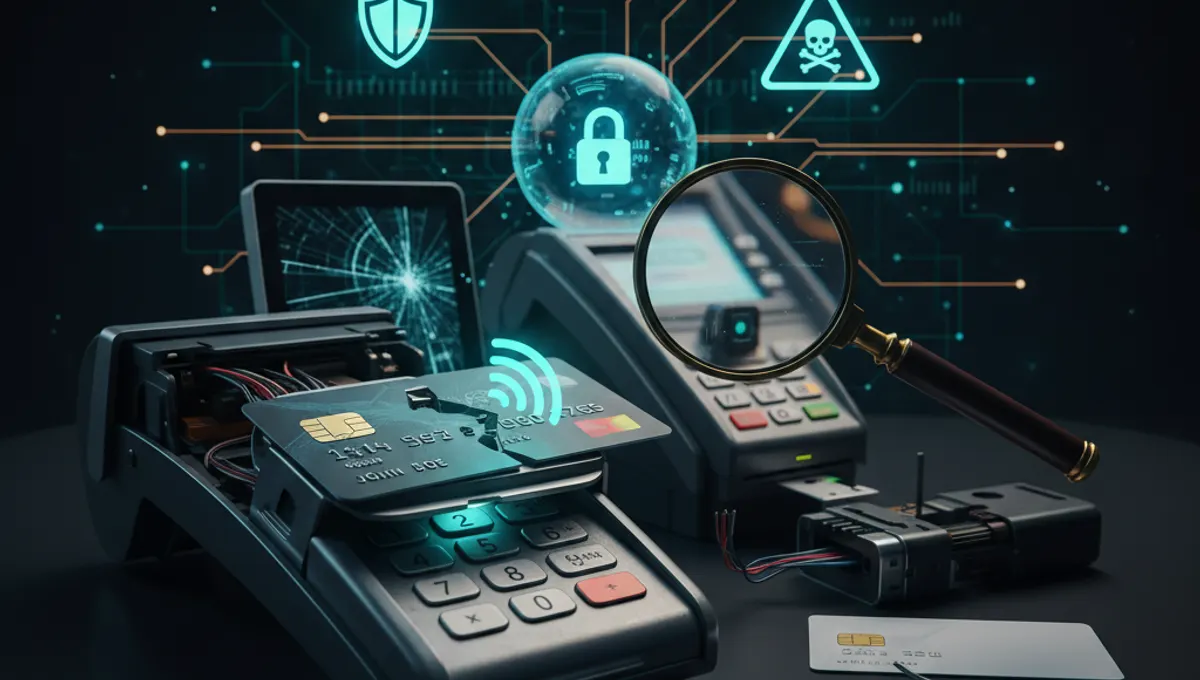
What Is a Fuel Pump Skimmer and How Does It Capture Card Data
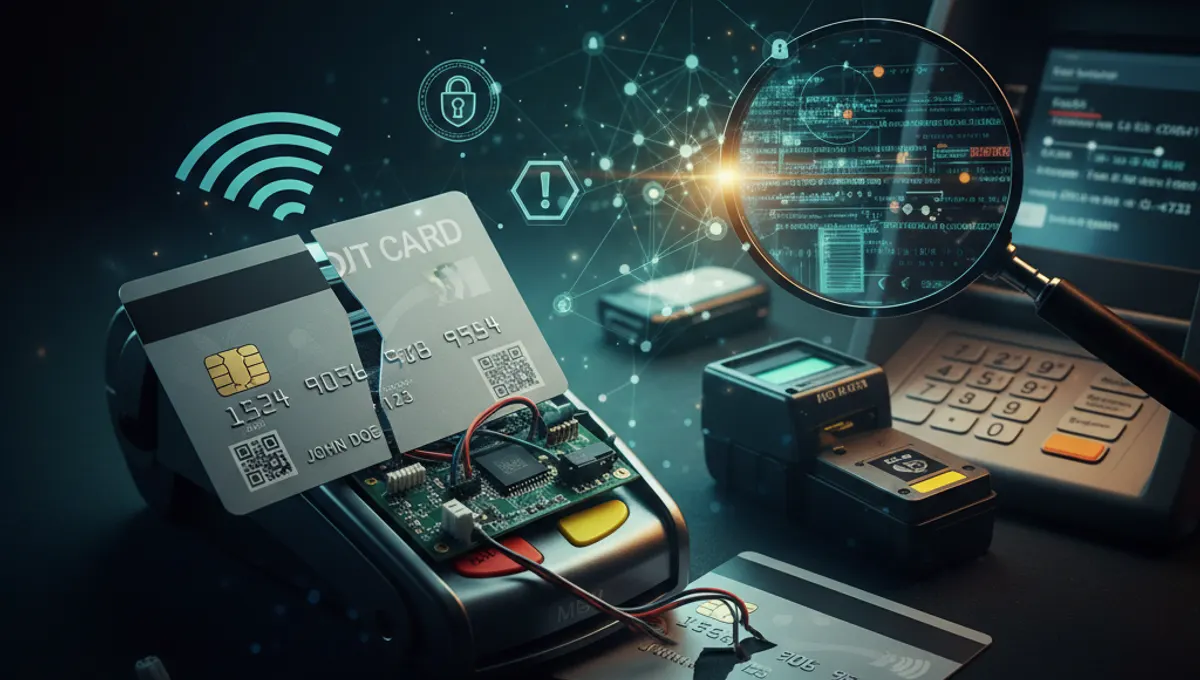
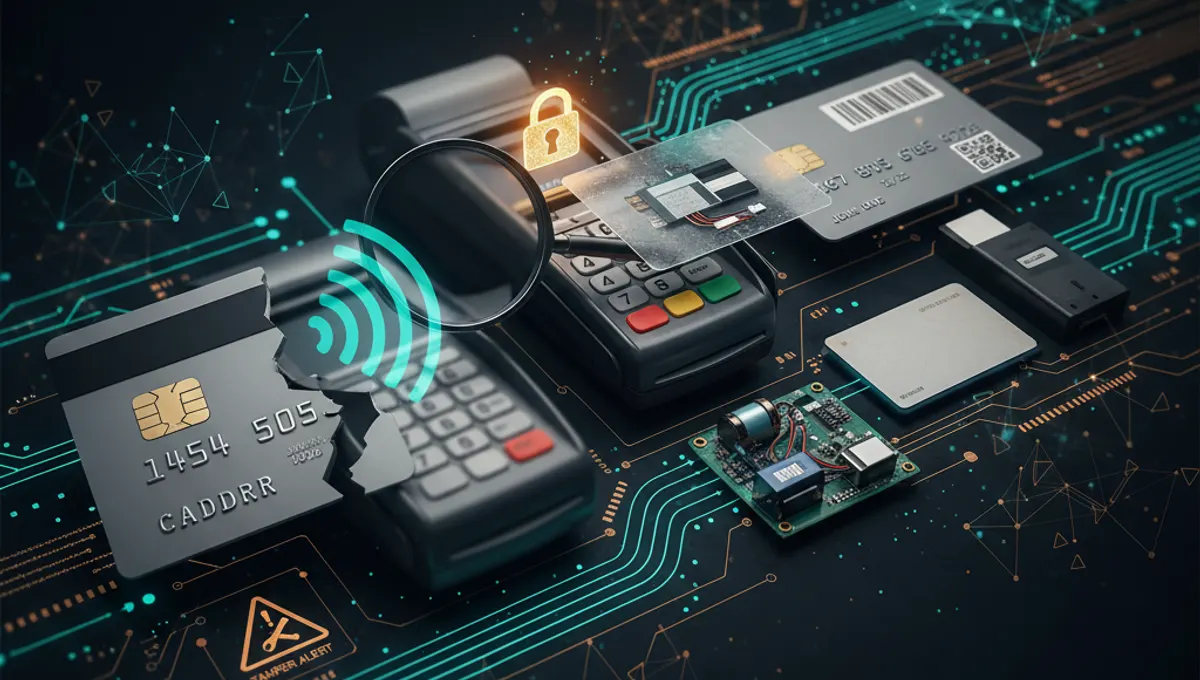
A fuel pump skimmer is a physical or electronic device designed to read and record card information without your knowledge. Skimmers typically target the magnetic stripe on older cards or the contactless interface on newer payment methods. External skimmers are overlays placed over the legitimate card slot; internal versions, sometimes called deep-insert skimmers, are installed inside the pump's payment mechanism. When you insert or tap your card, the skimmer captures the card number, expiration date, and sometimes the cardholder name. Some fuel pump card skimmers include a small camera or keypad overlay to record PIN entries. Others use Bluetooth or cellular connections to transmit stolen data in real-time to nearby criminals. The captured information is then stored locally on the device or sent to a remote server for later retrieval and processing.
Magnetic Stripe Versus EMV Chip Technology in Skimming
Magnetic stripe cards remain vulnerable to skimming because they store static data that does not change with each transaction. A gas pump skimmer can read this stripe once and clone the card indefinitely. EMV chip technology, by contrast, generates a unique transaction code for each purchase, making the chip itself difficult to clone. However, many gas pumps in the United States still rely on magnetic stripe readers as a fallback option, allowing skimmers to target older payment methods. Bluetooth skimmer gas pump devices can target both stripe and contactless NFC payments. Criminals prefer magnetic stripe data because it is easier to monetize through cloning. Even though EMV chips provide stronger protection, gas stations that have not upgraded their terminals remain prime targets for fuel pump skimmer installation.
How Cloned Cards From Skimmed Data Are Created and Sold
Once a fuel pump skimmer captures card data, criminals extract the information and use specialized equipment to write the stolen data onto blank cards or existing cards with magnetic stripes. This process is called cloning. The cloned card replicates the original card's number, expiration date, and sometimes the CVV, allowing fraudsters to make purchases or withdraw cash. Cloned cards are then sold on dark web marketplaces, often in batches with other stolen payment information. Sellers list cards by type (Visa, Mastercard, American Express), card tier (standard, premium, business), and sometimes by the issuing bank or country. Buyers purchase these cloned cards using cryptocurrency to maintain anonymity. The dark web card marketplace ecosystem operates through forums, specialized shops, and vendor accounts. Prices vary based on card validity, balance, and issuing region. Some vendors offer guarantees or refunds if a card is declined, creating a pseudo-legitimate sales structure within an illegal marketplace.
Legal Consequences of Possessing, Using, or Selling Cloned Cards
Possession of a cloned card with intent to use it constitutes fraud in most jurisdictions. Using a cloned card to make purchases or withdraw cash typically results in charges such as credit card fraud, identity theft, or wire fraud, depending on the method and amount involved. Selling cloned cards or operating a marketplace for stolen payment information carries additional charges related to trafficking in stolen property and conspiracy. Penalties vary significantly by jurisdiction but commonly include federal charges carrying sentences of several years imprisonment and substantial fines. State-level charges may result in shorter sentences but are often combined with restitution orders. Possession of skimming devices themselves is illegal in many places under laws prohibiting fraud equipment. Individuals caught purchasing cloned cards face criminal liability even if they did not create the cards themselves. Prosecution often includes asset forfeiture, meaning seized funds and property are retained by law enforcement. The specific charges and sentencing depend on the jurisdiction, the amount of fraud involved, and the defendant's criminal history.
How to Detect a Fuel Pump Skimmer Before Using Your Card
Inspect the card reader slot before inserting your card. Look for loose, cracked, or misaligned components that appear different from other pumps at the same station. Gently tug on the card reader faceplate; legitimate readers are firmly attached, while skimmers may be glued or magnetically attached and could shift. Check for small cameras or pinhole lenses above or near the keypad that might record PIN entries. Look for wireless components, unusual wires, or bulges in the pump housing. Some fuel skimmer in gas pump devices are designed to blend in, so compare the pump to others at the station. If a pump looks damaged, tampered with, or different, use another pump or pay inside the station instead. Use the pump closest to the station entrance or attendant area, as these are monitored more frequently. Avoid pumps that are isolated or poorly lit. Consider using contactless payment or a mobile wallet if available, as these methods bypass the physical card reader entirely and reduce skimming risk.
Protection Strategies: Contactless Payments, Virtual Cards, and Monitoring
Contactless payment methods and mobile wallets significantly reduce skimming risk because they do not expose your card number to the physical reader. Tap-to-pay and NFC-enabled phones generate tokenized transaction data that cannot be reused for fraud. Virtual card numbers, issued by some banks and fintech services, create temporary card numbers for each transaction, limiting exposure if the number is compromised. Enable transaction alerts on your bank account so you receive notifications for every purchase, allowing you to spot unauthorized charges immediately. Monitor your credit reports regularly through official channels to detect identity theft early. Use chip readers when available rather than magnetic stripe slots. Consider using a card with fraud protection guarantees that limit your liability for unauthorized charges. Some financial institutions offer cards with built-in RFID blocking or encryption. Pay inside the station with cash or a card you monitor closely if you are concerned about pump security. Freeze your credit with the three major bureaus if you suspect your information has been compromised.
What to Do If Your Card Information Has Been Compromised
Contact your bank or card issuer immediately if you notice unauthorized charges or suspect your card data has been stolen. Most financial institutions have fraud departments available 24/7. Provide specific details about the unauthorized transactions, including dates, amounts, and merchants. Request that your card be canceled and a replacement issued. File a dispute for each fraudulent charge; most banks initiate investigations within 10 business days. Under consumer protection laws in many jurisdictions, your liability for unauthorized charges is limited, often to zero if you report the fraud promptly. Refund timelines vary but typically range from 5 to 10 business days for provisional credits, with full resolution within 30 to 60 days. File a report with the Federal Trade Commission or your country's equivalent consumer protection agency. Place a fraud alert on your credit file to prevent criminals from opening new accounts in your name. Request a copy of your credit report to check for suspicious accounts or inquiries. Keep detailed records of all communications with your bank, including dates, times, and names of representatives. Consider placing a credit freeze if you believe your personal information has been widely compromised.
Frequently asked questions
Can a fuel pump skimmer read EMV chip cards?
EMV chip cards are significantly harder to clone because they generate unique transaction codes for each purchase. However, skimmers can still capture the magnetic stripe data if the pump has a fallback reader. Many gas pumps in the United States still support magnetic stripe as a secondary option, making older cards vulnerable even at pumps with chip readers. Contactless and mobile payments bypass the physical reader entirely and are safer against skimming.
How much does a cloned card sell for on the dark web?
Cloned card prices on dark web marketplaces vary based on card type, issuing bank, country, and reported balance. Prices typically range from a few dollars to several hundred dollars per card. Premium cards with higher balances or business accounts command higher prices. Vendors often offer bulk discounts or guarantees promising refunds if a card is declined. Prices fluctuate based on supply, demand, and the vendor's reputation within the marketplace.
What is the difference between a fuel pump skimmer and a shimmer?
A fuel pump skimmer reads card data from the magnetic stripe or contactless interface. A shimmer is a thin device inserted into the chip card slot that reads EMV chip data without the cardholder's knowledge. Shimmers are typically used at ATMs or point-of-sale terminals rather than gas pumps. Both devices capture card information, but they target different card technologies and payment methods.
Can I use my phone's mobile wallet at a gas pump to avoid skimmers?
Many gas pumps now support mobile wallet payments through NFC technology. Using your phone's mobile wallet is safer than inserting a physical card because the transaction uses tokenized data that cannot be reused for fraud. However, not all gas pumps support this feature yet. Check the pump's display or signage to confirm mobile payment acceptance before attempting to pay with your phone.
What should I do if I find a skimmer device on a gas pump?
Do not attempt to remove the device yourself. Notify the gas station attendant or manager immediately and report the suspected skimmer to local law enforcement. Provide a description and location of the device. If you have already used that pump, contact your bank to monitor your account for fraud. File a report with the Federal Trade Commission. Warn other customers if possible, but prioritize your safety and do not confront anyone.