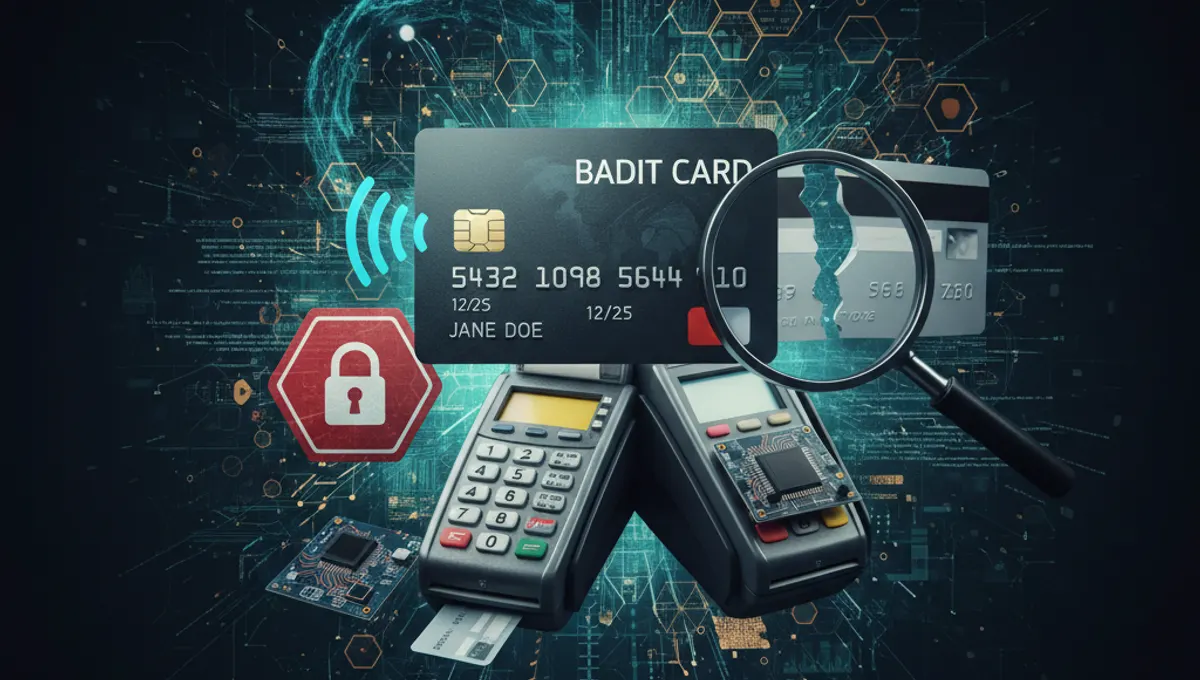
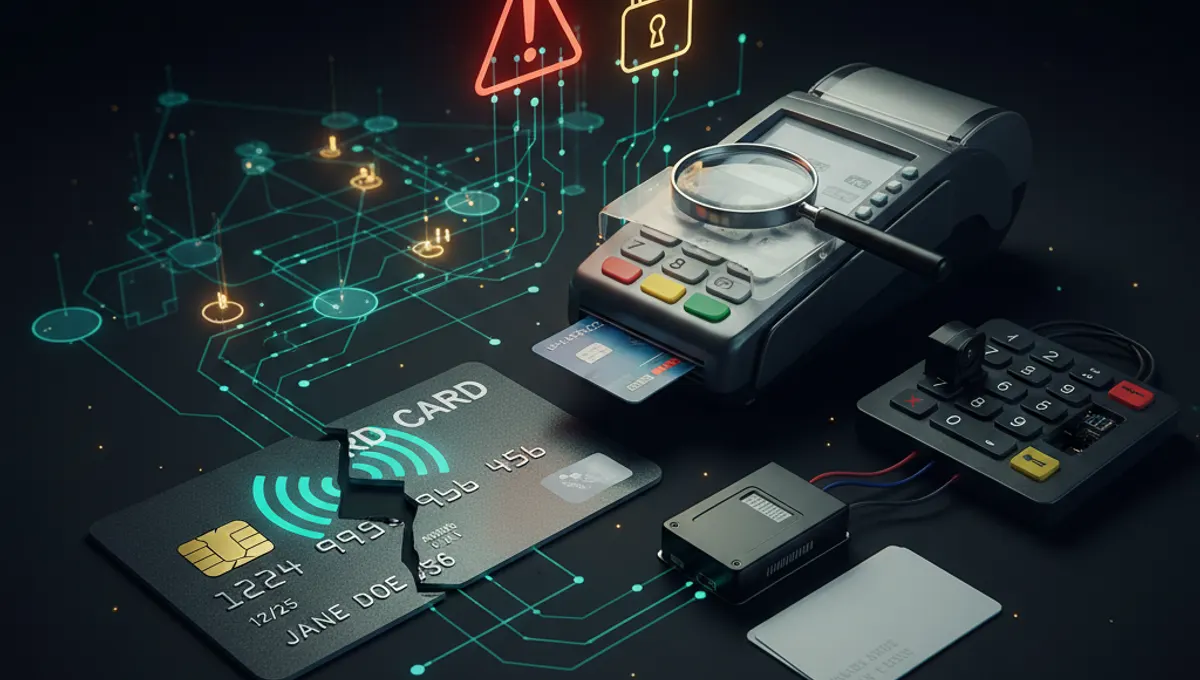
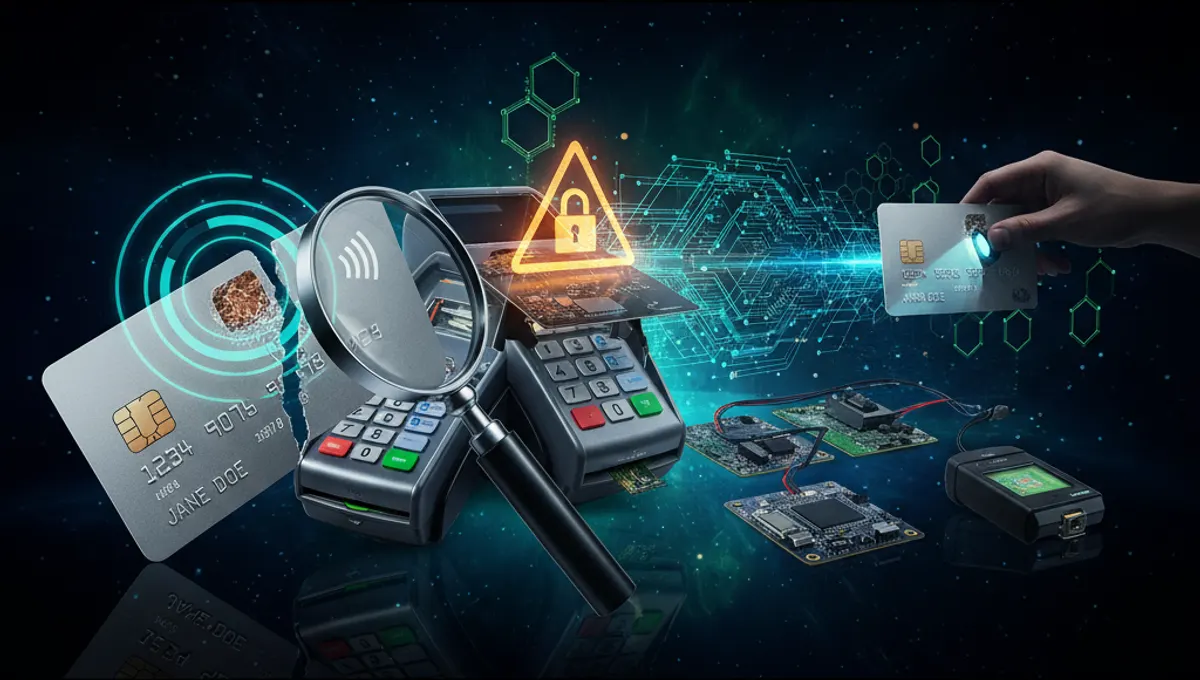
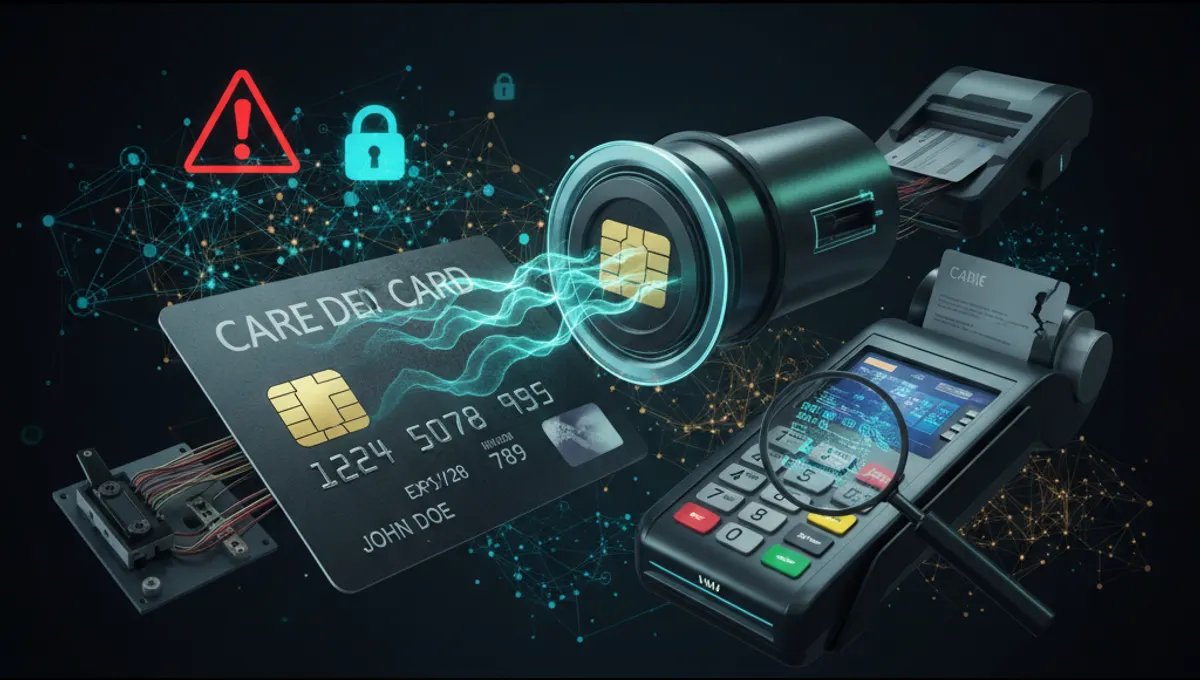
What Is a Skimmer Device and How Does It Work
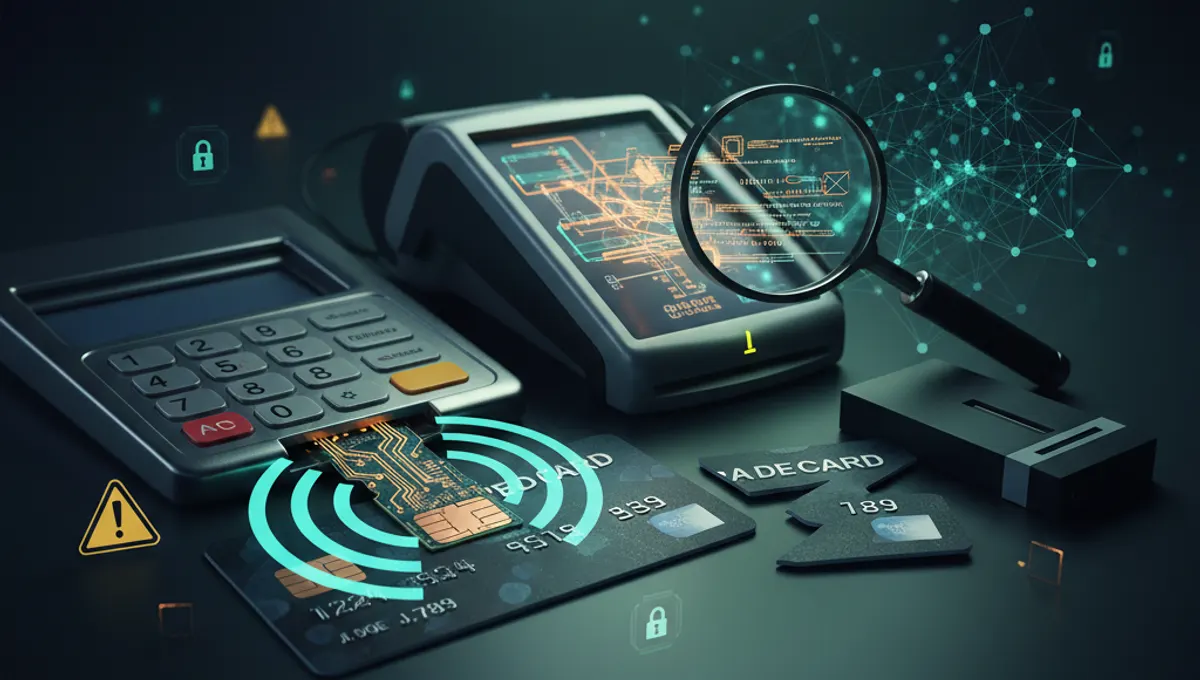
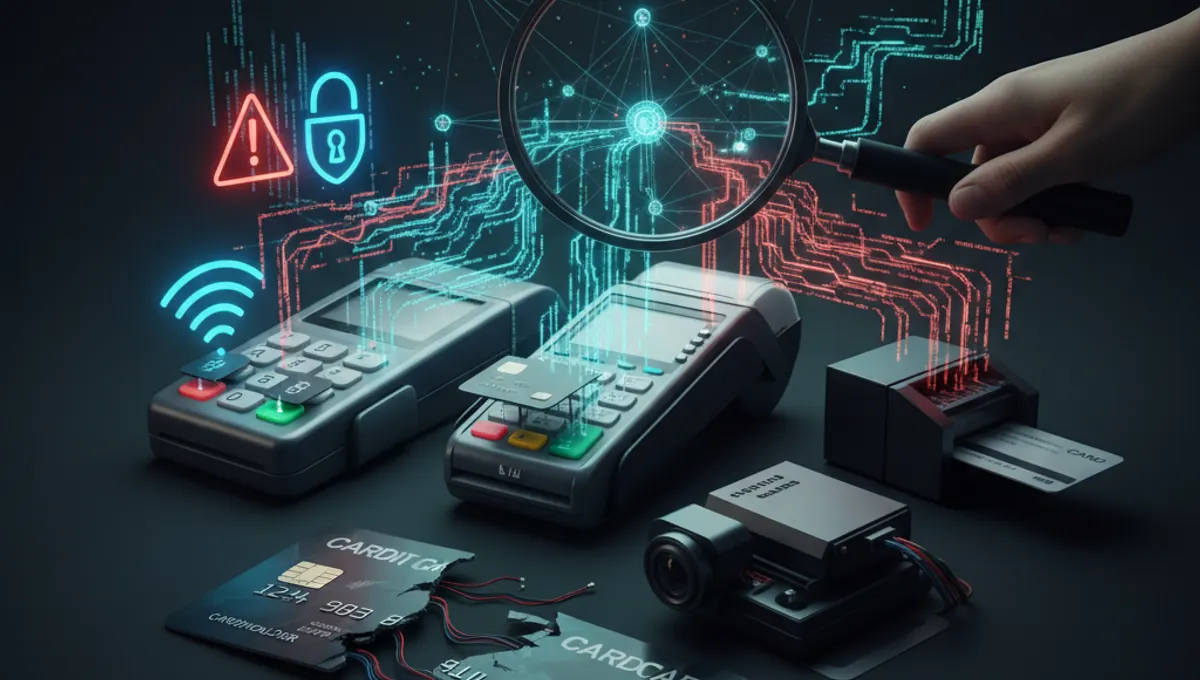
Skimmer devices are physical or wireless tools designed to intercept payment card information during legitimate transactions. They operate by reading the magnetic stripe on the back of cards, capturing EMV chip data, or intercepting contactless (NFC) signals. The stolen data typically includes the cardholder's name, card number, expiration date, and sometimes the CVV. Criminals install skimmers on ATM facades, gas pump fronts, or point-of-sale terminals where they remain undetected for weeks or months. Some skimmers store data locally on a memory chip; others transmit information wirelessly via Bluetooth or cellular connections to a remote receiver. The captured information is then used to create cloned cards or sold to other fraudsters on dark web marketplaces.
Types of Skimmer Devices: ATM, Gas Pump, and Card Reader Variants
ATM skimmer devices come in several forms: overlay skimmers that fit over the card slot, deep-insert skimmers placed inside the machine, and wireless skimmers that transmit data remotely. Gas pump skimmer devices are typically installed inside the pump's card reader slot or attached to the exterior. Card skimmer devices at retail locations may be handheld readers used by staff or overlay devices on PIN pads. EMV skimmer devices attempt to capture chip data but are less effective than magnetic stripe readers since EMV technology generates unique transaction codes. Anti-skimmer device manufacturers have responded by creating protective overlays and detection tools, though no single solution eliminates all risk. Understanding the different types helps cardholders identify suspicious hardware and choose appropriate protection methods.
How to Spot a Skimmer Device: Visual and Physical Inspection
Learning how to spot a skimmer device involves careful visual inspection before using any payment terminal. Check for loose, misaligned, or unusually thick card slots on ATMs and gas pumps. The card reader should fit flush with the machine's surface; any protruding or overlaid component may indicate a skimmer. Examine the PIN pad for signs of tampering, such as raised buttons, discoloration, or adhesive residue. Wiggle the card slot gently; legitimate hardware should not move. Look for small holes or camera lenses near the keypad that could record PIN entry. At gas pumps, compare the card reader to other pumps at the same station for consistency. Inspect the area around the terminal for wireless receivers or hidden cameras. If anything appears out of place or feels loose, use a different terminal and report your concerns to the business or bank immediately.
Cloned Cards and the Dark Web Marketplace Ecosystem
Cloned cards are created using stolen data captured by skimmer devices or obtained from data breaches and leaks. The cloned card sales ecosystem operates primarily on dark web marketplaces where vendors offer cards with full details, magnetic stripe data, or EMV chip information. Buyers purchase cloned cards using cryptocurrency to maintain anonymity, then use them for fraudulent transactions or resell them to other criminals. The marketplace operates with vendor ratings, escrow systems, and dispute resolution mechanisms similar to legitimate e-commerce platforms. Cards are typically sold in batches, with prices varying based on card type, available data, and verification status. Some vendors offer "fullz" packages that include cardholder names, addresses, and Social Security numbers. The dark web infrastructure allows these transactions to occur across borders with minimal law enforcement intervention, though major marketplaces are periodically shut down by authorities.
Legal Consequences of Skimmer Device Possession and Card Fraud
Possession of a skimmer device is illegal in most jurisdictions and typically prosecuted as fraud, identity theft, or device-based fraud. Using a cloned card constitutes credit card fraud and identity theft, with penalties varying significantly by jurisdiction. Charges may include federal wire fraud, access device fraud, and conspiracy depending on the scope and sophistication of the operation. Conviction can result in prison sentences, substantial fines, restitution to victims, and permanent criminal records. Specific penalty ranges depend on local laws, the number of victims, and the amount of money involved. Individuals caught purchasing cloned cards face similar charges as those who create them. Law enforcement agencies across multiple countries actively investigate skimming operations and dark web marketplaces. Prosecution often involves cooperation between financial institutions, payment processors, and international law enforcement agencies.
Protecting Your Card: Detection and Prevention Strategies
Effective card protection combines multiple strategies: use contactless or tokenized payments when available, as these generate unique transaction codes that cannot be reused even if intercepted. Enable real-time transaction alerts through your bank's mobile app to detect fraudulent charges immediately. Consider using virtual card numbers for online purchases, which isolate your primary account from potential breaches. Monitor your credit reports regularly for unauthorized accounts opened in your name. Use an anti-skimmer device or RFID-blocking wallet to prevent wireless data capture. When entering your PIN, cover the keypad with your hand to prevent camera recording. Avoid using ATMs in isolated locations or those showing visible signs of tampering. Regularly check your bank and credit card statements for unauthorized transactions. Request chip-enabled cards from your issuer, as EMV technology provides better fraud protection than magnetic stripe cards.
What to Do If Your Card Information Is Compromised
If you detect fraudulent charges or suspect your card data has been compromised, contact your bank or card issuer immediately. Most financial institutions offer zero-liability protection for fraudulent transactions, meaning you will not be charged for unauthorized purchases. File a dispute through your card issuer's official channels, providing documentation of the fraudulent transactions. Your bank will typically issue a replacement card within 7-10 business days. Request a fraud alert or credit freeze through the three major credit bureaus to prevent unauthorized account openings. File a report with the Federal Trade Commission if your identity has been stolen. Keep detailed records of all communications with your bank and credit bureaus. Monitor your accounts closely for 12 months following the incident. Consider placing a fraud alert on your credit file to notify creditors of potential identity theft. Request your free annual credit report to verify no unauthorized accounts have been opened in your name.
Frequently asked questions
Can a skimmer device read EMV chip cards?
EMV skimmer devices exist but are less effective than magnetic stripe readers. EMV chips generate unique transaction codes for each purchase, making cloned cards created from EMV data difficult to use. However, criminals can still capture the static data stored on the chip. Contactless EMV payments provide additional security by generating one-time codes that cannot be reused.
How long can a skimmer device remain undetected?
Skimmer devices can operate undetected for weeks or months depending on the location and how frequently the terminal is inspected. ATM skimmers may remain active until routine maintenance occurs. Gas pump skimmers are sometimes discovered only when customers report fraudulent charges. Regular visual inspections and maintenance protocols help reduce detection time.
What is the difference between a skimmer and a shimmer?
A skimmer reads card data from outside the terminal, while a shimmer is a thin device inserted inside the card slot to capture EMV chip information as the card passes through. Shimmers are more difficult to detect visually and target chip-based transactions specifically. Both devices transmit stolen data to criminals for cloning or sale.
Do RFID-blocking wallets prevent all skimming?
RFID-blocking wallets reduce the risk of contactless card skimming but do not prevent all types of skimming. They protect against wireless data capture from contactless cards but offer no protection against physical skimmers on terminals or ATMs. Combining RFID protection with other strategies provides more comprehensive security.
How can I verify if an ATM has been compromised?
Inspect the card slot for loose components, misalignment, or overlaid devices. Check the PIN pad for raised buttons or adhesive residue. Wiggle the card reader gently to test for movement. Look for small holes or cameras near the keypad. Compare the terminal's appearance to other ATMs at the same location. If anything seems suspicious, use a different ATM and report your concerns to the bank.