What Is a Card Skimmer and How Does It Work
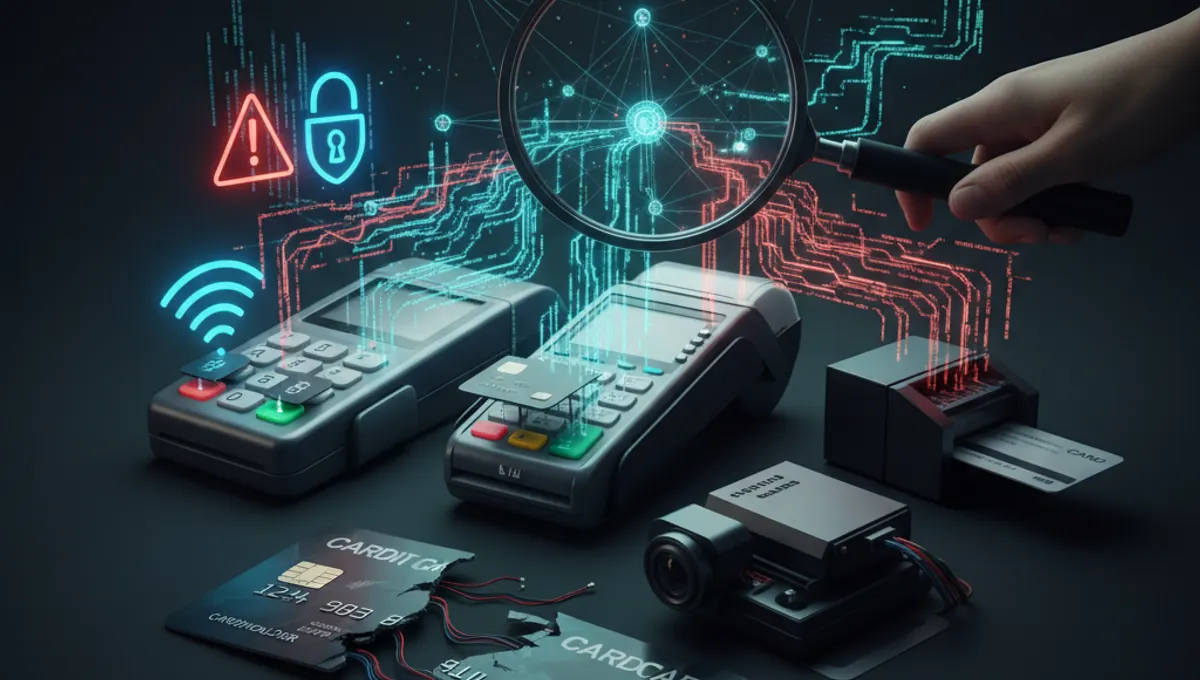
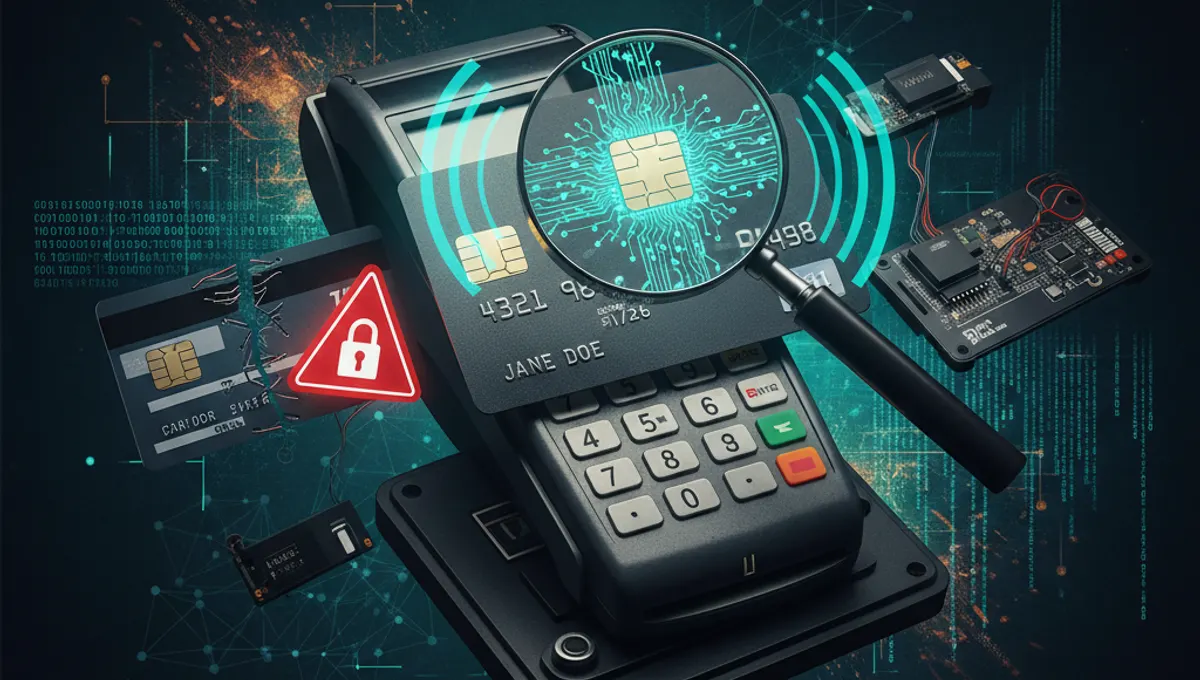
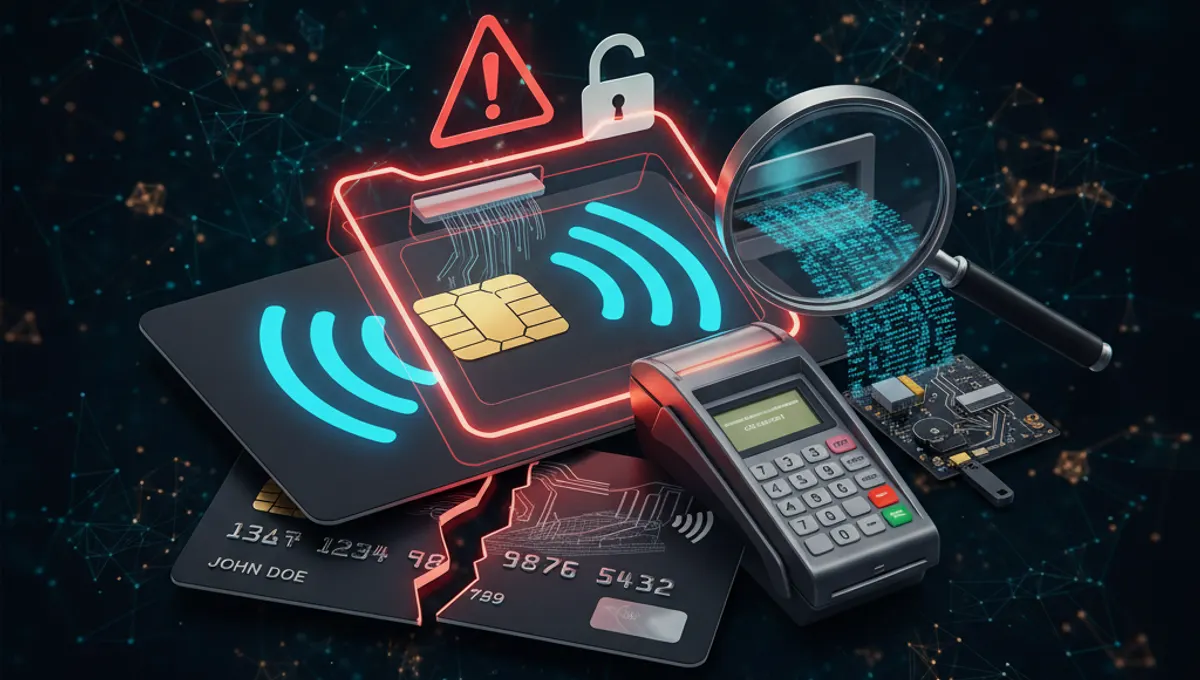
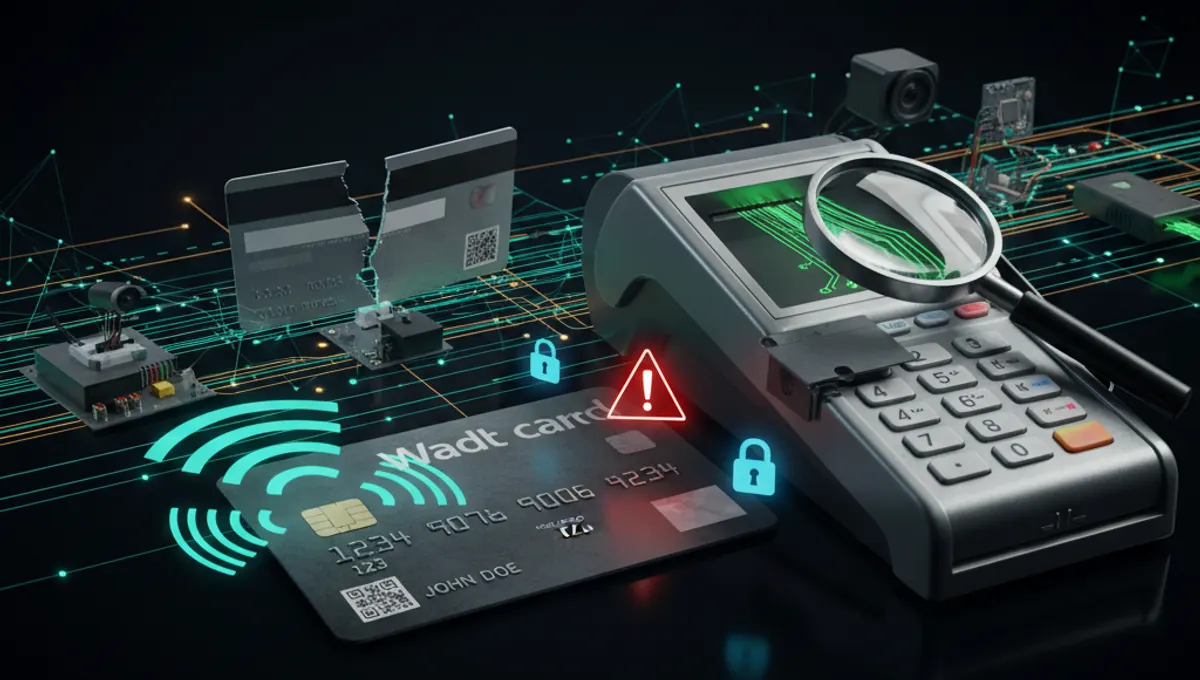
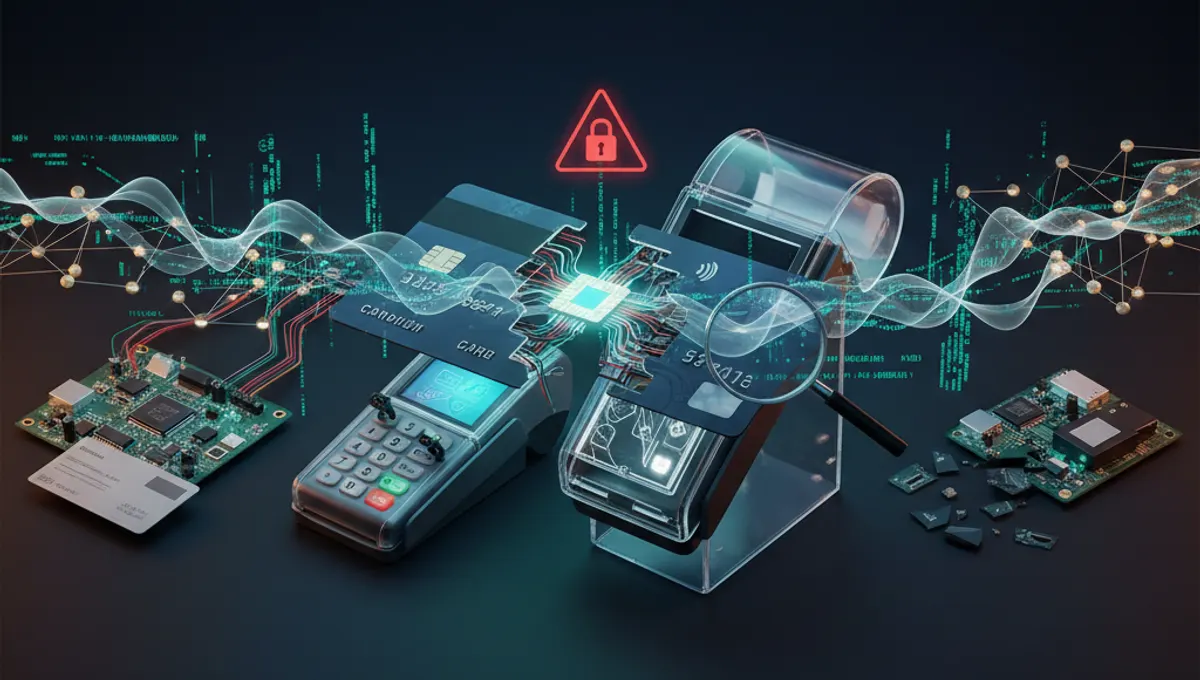
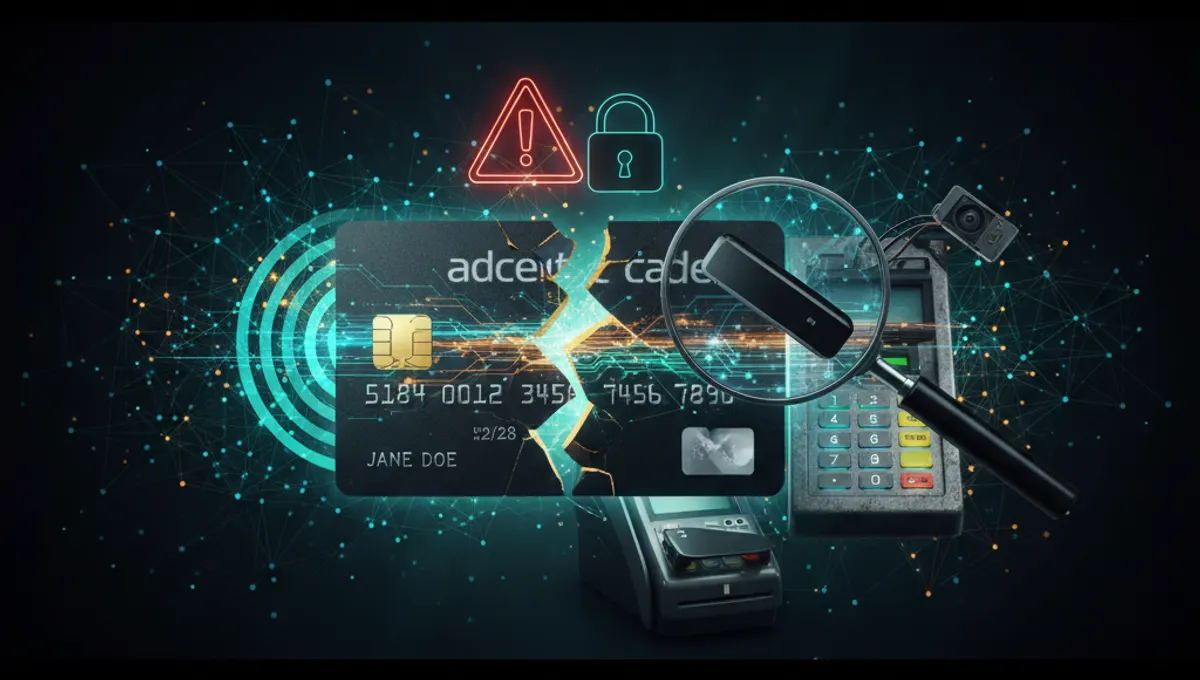
A card skimmer is a device designed to read and record data from your payment card. Skimmers capture information from the magnetic stripe on the back of your card or, in some cases, from the EMV chip. The stolen data is then used to create cloned cards or sold on underground marketplaces. Card skimmers come in different forms: overlay skimmers that fit over the card slot, deep-insert skimmers placed inside the machine, and wireless skimmers that transmit data remotely. Some skimmers also include a hidden camera or keypad overlay to capture your PIN. The device stores the stolen card numbers, expiration dates, and cardholder names until the operator retrieves the data.
Physical Signs of a Card Skimmer Device
Inspect the card slot and surrounding area before inserting your card. Look for loose, misaligned, or protruding parts that don't match the rest of the machine. A card skimmer at a gas pump or ATM may have a slightly different color, material, or finish than the original equipment. Try gently pulling on the card slot cover or bezel; legitimate parts are firmly attached, while skimmer overlays may move or feel loose. Check for small holes or cameras positioned near the keypad, which could indicate a hidden recording device. At a 711 or convenience store, examine the PIN pad for signs of tampering, such as adhesive residue or misaligned buttons. Run your fingers around the edges of the card reader to feel for gaps or added layers. Trust your instincts: if something looks or feels out of place, use a different machine or payment method.
Card Skimmer at Gas Pumps and ATMs
Gas pumps and ATMs are prime targets for skimmer installation because they are often unsupervised and accessed 24/7. A card skimmer at a gas pump is typically placed over the existing card slot or inserted deep into the machine's internal card reader. ATM skimmers may be overlay devices or deep-insert models that sit between the card slot and the internal reader. Before using any machine, check the pump or ATM for signs of recent tampering or loose components. Prefer ATMs located inside banks or well-lit, monitored areas rather than standalone machines in remote locations. At gas stations, use the pump closest to the attendant station if possible. Some newer machines have anti-skimming technology, such as motorized card slots or built-in detection systems, but older equipment remains vulnerable.
How Cloned Cards Are Created and Sold
Once a card skimmer captures your data, the stolen information is used to create cloned cards. Cloning involves encoding the magnetic stripe or EMV chip data onto a blank card using specialized equipment. The cloned card replicates your legitimate card's information, allowing fraudsters to make purchases or withdraw cash in your name. Cloned cards with spin codes (randomly generated security codes) are particularly valuable because they can bypass some fraud detection systems. These cards are sold on dark web marketplaces, where buyers purchase them in bulk or individually. The dark web card marketplace ecosystem operates through encrypted forums and vendor accounts, with transactions typically conducted using cryptocurrency. Sellers often provide guarantees or refunds if a card is declined, creating a transactional structure similar to legitimate e-commerce. The profitability of card sales drives continued investment in skimming infrastructure and data theft operations.
Legal Consequences of Card Fraud and Possession
Possession of a cloned card or card skimmer device is illegal in most jurisdictions and carries serious criminal penalties. Charges typically fall into categories including fraud, identity theft, and device-based fraud. Using a cloned card to make unauthorized purchases constitutes wire fraud and access device fraud, which carry felony-level penalties. Specific sentencing depends on the jurisdiction, the amount of money involved, and the defendant's criminal history. Some jurisdictions impose mandatory minimum sentences for organized card fraud schemes. Possession of skimming equipment or tools used to create cloned cards is prosecuted separately and may result in charges related to fraud conspiracy or money laundering. Even purchasing a cloned card on the dark web can result in federal charges for wire fraud and identity theft. Consult local legal resources or an attorney for jurisdiction-specific penalty ranges, as they vary significantly by location and case circumstances.
Protecting Your Card: Detection and Prevention Strategies
Use contactless or tokenized payment methods whenever possible, as these technologies do not transmit your full card data to the merchant. Enable transaction alerts on your bank account so you receive notifications of any charges immediately. Consider using virtual card numbers or single-use card numbers generated by your bank for online purchases. Monitor your credit reports regularly through official channels to detect unauthorized accounts opened in your name. When entering your PIN, cover the keypad with your hand to prevent hidden cameras from recording your code. Avoid using standalone ATMs in unfamiliar locations; prefer machines inside banks or well-monitored areas. Request a chip-enabled card from your bank, as EMV chip readers are more difficult to clone than magnetic stripe readers. Review your bank statements weekly for unfamiliar charges. If you detect a fraudulent charge, contact your bank immediately to report it and request a dispute.
What to Do If Your Card Information Is Compromised
Contact your bank or card issuer immediately if you suspect your card data has been stolen or used fraudulently. Most banks offer zero-liability protection for unauthorized charges, meaning you will not be held responsible for fraudulent transactions. Request a new card with a different number and ask your bank to cancel the compromised card. File a dispute for any unauthorized charges; your bank will investigate and typically issue a provisional credit within 10 business days. The full refund timeline depends on the bank's investigation, which can take up to 45 days. Place a fraud alert on your credit file with the three major credit bureaus to prevent fraudsters from opening new accounts in your name. Consider freezing your credit if you believe your personal information has been widely compromised. Document all communications with your bank and keep records of disputed transactions. Monitor your accounts closely for the next several months to catch any additional fraudulent activity early.
Frequently asked questions
Can you spot a card skimmer by looking at an ATM or gas pump?
Yes, you can often spot a card skimmer by inspecting the card slot and surrounding area for loose, misaligned, or protruding parts. Look for components that don't match the rest of the machine or feel out of place when you gently pull on them. Check for small holes near the keypad that could indicate a hidden camera. Trust your instincts; if something looks suspicious, use a different machine.
What is the difference between a card skimmer and a cloned card?
A card skimmer is a physical device that captures your card data. A cloned card is created after a skimmer steals your information; the cloned card replicates your legitimate card's data and can be used to make fraudulent purchases. Skimmers are the tool used to create cloned cards.
How long does it take to detect a fraudulent charge on my card?
Most banks send transaction alerts immediately or within hours of a charge. You can detect fraudulent activity by monitoring your account regularly. Once you report a fraudulent charge, your bank typically issues a provisional credit within 10 business days, with a full investigation taking up to 45 days depending on the bank's procedures.
Are contactless payments safer than inserting my card into a skimmer-prone machine?
Contactless payments are generally safer because they use tokenization, which means your actual card data is not transmitted to the merchant. This technology prevents skimmers from capturing your full card number. However, contactless payments are not immune to all fraud; always monitor your account for unauthorized charges.
What should I do if I find a card skimmer device on an ATM?
Do not attempt to remove the device yourself. Report it immediately to the bank or ATM operator by calling the number on the machine or contacting the bank directly. Warn other customers if possible. Do not use that ATM. Contact your bank to monitor your account for fraudulent activity if you used that machine recently.