What Is a Skimmer Device and How Does It Work
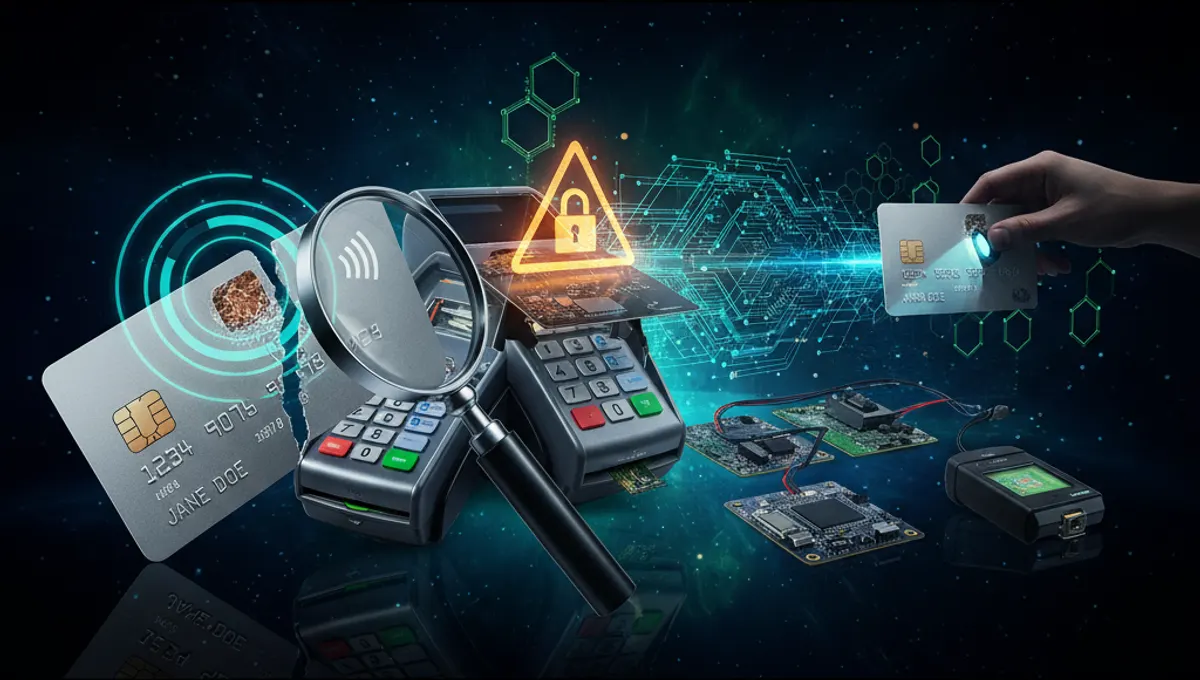
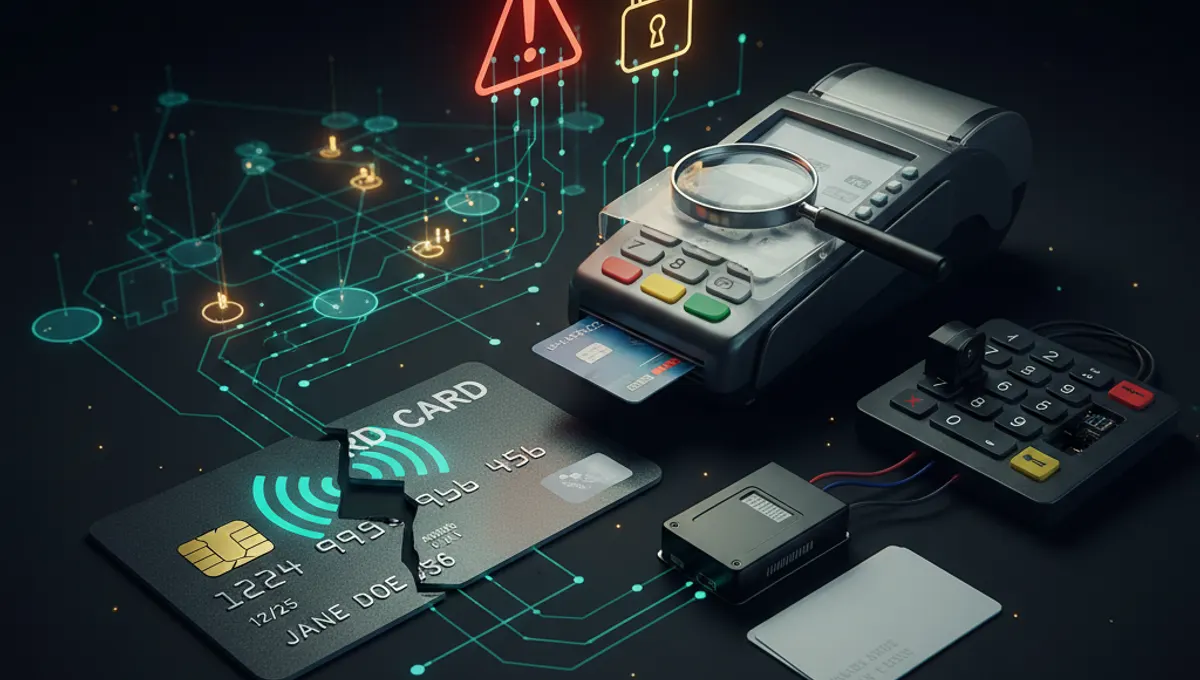
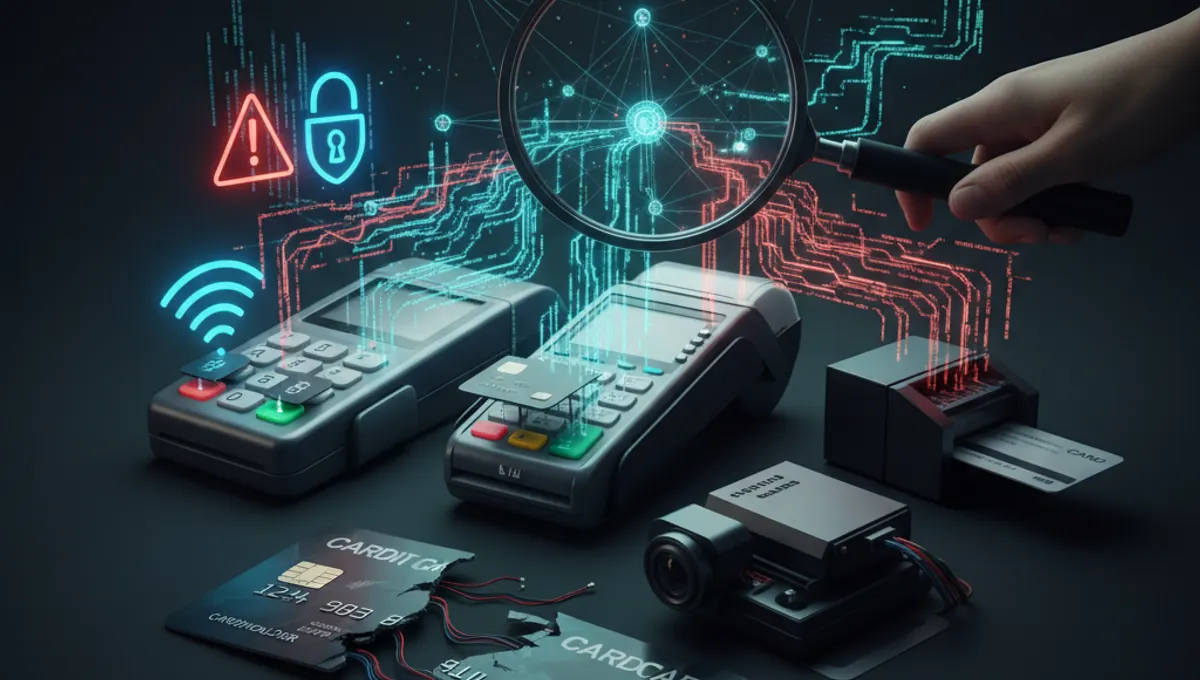
A skimmer device is hardware designed to read and record payment card information during a legitimate transaction. Most skimmers target the magnetic stripe on the back of cards, though some modern versions attempt to read EMV chip data. The device sits between the legitimate card reader and your card, capturing the magnetic stripe information as you insert your card. Skimmers are commonly installed on ATM facades, gas pump card slots, and self-checkout terminals. The stolen data is later retrieved by the criminal or transmitted wirelessly to a nearby receiver. Understanding this mechanism helps you recognize when a terminal may have been compromised.
Physical Signs of an ATM Skimmer Device
Inspect the card slot area carefully before inserting your card. Look for loose, bulky, or misaligned plastic overlays on the card reader. An atm skimmer device often protrudes slightly or feels different from the rest of the machine's surface. Check if the card slot appears to have been tampered with or if there are visible gaps between the overlay and the machine body. Examine the keypad for loose buttons or a separate overlay that could be capturing your PIN. Gently tug on the card slot area; a skimmer may shift or come loose if not properly secured. Compare the terminal's appearance to others nearby. Any unusual texture, color mismatch, or protruding components warrant suspicion and should prompt you to use a different machine.
Detecting a Card Skimmer at Gas Pumps
Gas pump skimmers are among the most common. Before swiping, inspect the pump's card reader for signs of tampering. Check if the card slot appears loose, cracked, or has visible adhesive residue. A gas pump skimmer device may have a slightly raised or bulky appearance compared to the pump's original design. Look for mismatched colors or materials around the reader. Try gently pulling on the card slot; legitimate components are firmly attached. Examine the pump's cabinet for signs of forced entry or recent opening. Some skimmers include a hidden camera above the keypad to capture PINs, so look for small holes or lens-like objects. If anything feels off, use a pump closer to the station entrance or pay inside with the attendant instead.
How Cloned Cards Result from Skimmer Data
When a skimmer captures your magnetic stripe data, criminals use that information to create cloned cards or sell the data on dark web marketplaces. A cloned card contains the same magnetic stripe data as your original card, allowing fraudsters to make purchases or withdraw cash. The cloning process involves writing the stolen data onto a blank card with a magnetic stripe writer. Unlike EMV chip cards, which are harder to clone due to encryption, magnetic stripe data can be replicated relatively easily. Once cloned cards are created, they are sold through dark web marketplaces to other criminals. This ecosystem of card theft, cloning, and resale is why skimmer detection is critical to preventing your card from entering the fraud supply chain.
What to Do If You Suspect a Skimmer
If you notice signs of a skimmer device, do not use that terminal. Report it to the business owner, bank, or ATM operator immediately. Provide a clear description of the suspicious component and its location. If you have already used the compromised terminal, contact your bank or card issuer right away to report potential fraud. Monitor your account statements for unauthorized charges over the next several weeks. Request a new card with a different number. Consider placing a fraud alert with the credit bureaus. If you notice fraudulent charges, file a dispute with your card issuer and request a chargeback. Most card issuers have zero-liability policies for unauthorized transactions, meaning you typically won't be held responsible for fraudulent charges if reported promptly.
Protecting Your Card from Skimmers
Use contactless payment or mobile wallet options when available, as these tokenize your card data and reduce exposure to skimmers. Enable transaction alerts on your bank account to receive notifications of purchases in real time. Consider using virtual card numbers or single-use card numbers for online and in-person purchases. Regularly monitor your credit reports and account statements for suspicious activity. Prefer chip readers over magnetic stripe when given the option, as EMV chips are more difficult to clone. Use ATMs in secure, well-lit locations inside banks rather than standalone machines. Cover the keypad with your hand while entering your PIN to prevent hidden cameras from capturing it. For added security, use an anti-skimmer device or RFID-blocking wallet to protect your card's data transmission.
Legal Consequences of Card Skimming and Cloning
Possessing, using, or selling cloned cards carries serious criminal penalties that vary by jurisdiction. Charges typically fall into categories including fraud, identity theft, and device-based fraud. Penalties may include fines, restitution to victims, and imprisonment. Specific sentencing depends on the number of cards involved, the amount of money stolen, and the offender's criminal history. Some jurisdictions treat skimmer device installation as a separate felony with enhanced penalties. Using a cloned card can result in both state and federal charges. If you discover you are involved in card fraud, consult a legal professional immediately. The consequences extend beyond criminal penalties to civil liability and a permanent criminal record that affects employment and housing opportunities.
Frequently asked questions
What is the difference between a skimmer and a shimmer device?
A skimmer reads the magnetic stripe on the outside of a card slot, while a shimmer is inserted inside the chip reader to capture EMV chip data. Shimmers are thinner and harder to detect visually. Both devices steal card information, but they target different card technologies. Skimmers are more common because magnetic stripe data is easier to clone.
Can a skimmer device steal my PIN?
A skimmer captures only the magnetic stripe data. However, criminals often install hidden cameras or fake keypads above the PIN pad to record your PIN separately. If a skimmer has captured both your card data and PIN, fraudsters can withdraw cash or make purchases. Always cover the keypad when entering your PIN.
How long does it take for fraudulent charges to appear after skimming?
Fraudulent charges can appear within hours or days of your card being skimmed. Some criminals test cloned cards with small purchases first before making larger transactions. Monitor your account daily for suspicious activity. Contact your bank immediately if you notice any unauthorized charges.
Will my bank refund fraudulent charges from a cloned card?
Most banks and card issuers offer zero-liability protection for unauthorized transactions. You typically will not be held responsible for fraudulent charges if you report them promptly. Refund timelines vary but usually occur within 10 business days after filing a dispute. Contact your issuer immediately to initiate the dispute process.
Are contactless payments safer than inserting a card?
Contactless payments and mobile wallets use tokenization, which replaces your actual card number with a unique token for each transaction. This makes them more resistant to skimming than magnetic stripe readers. However, no payment method is completely risk-free. Contactless payments reduce exposure to physical skimmers but do not eliminate all fraud risks.