What Is a Portable Credit Card Skimmer
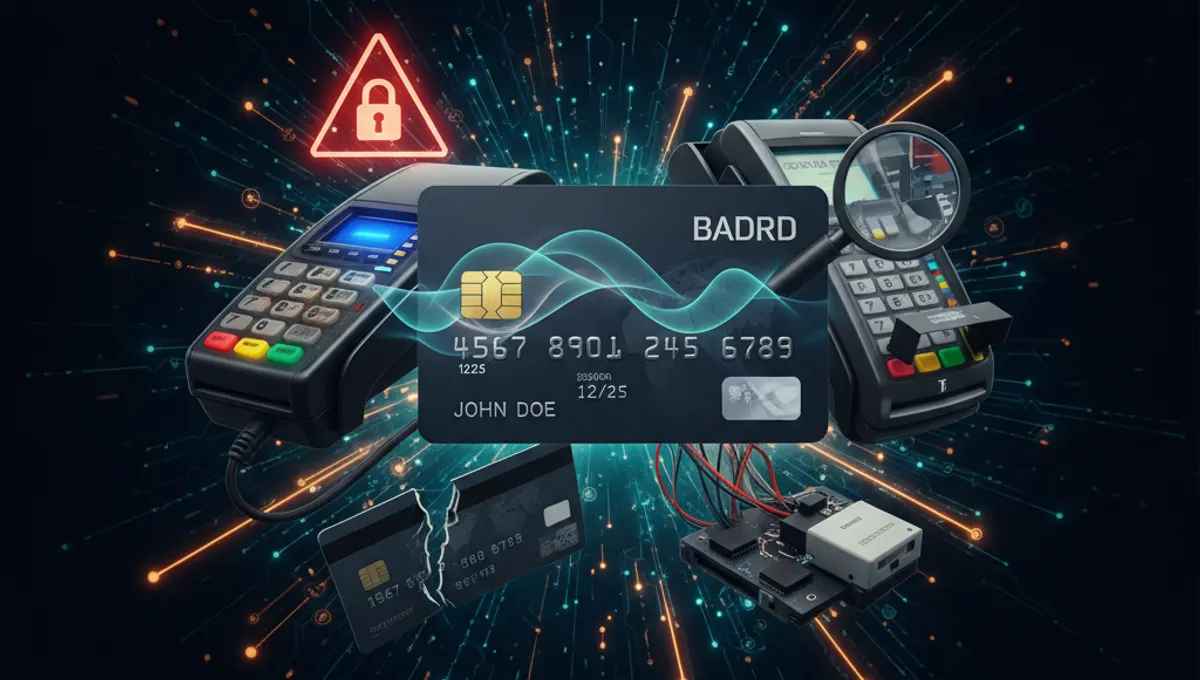
A portable credit card skimmer is a compact electronic device designed to intercept card data without the cardholder's knowledge. Unlike fixed skimmers installed inside ATM slots or gas pump readers, portable skimmers can be carried and used at multiple locations. They typically capture information from the magnetic stripe on the back of a card, though some advanced models read EMV chip data as well. The device stores the stolen data internally or transmits it wirelessly via Bluetooth or GSM to a remote receiver. Portable skimmers range from pocket-sized readers to devices disguised as payment terminals. Fraudsters often use them at 7-11 locations, convenience stores, and other high-traffic retail environments where transactions happen quickly and customers may not notice the extra step.
How Portable Skimmers Capture Card Information
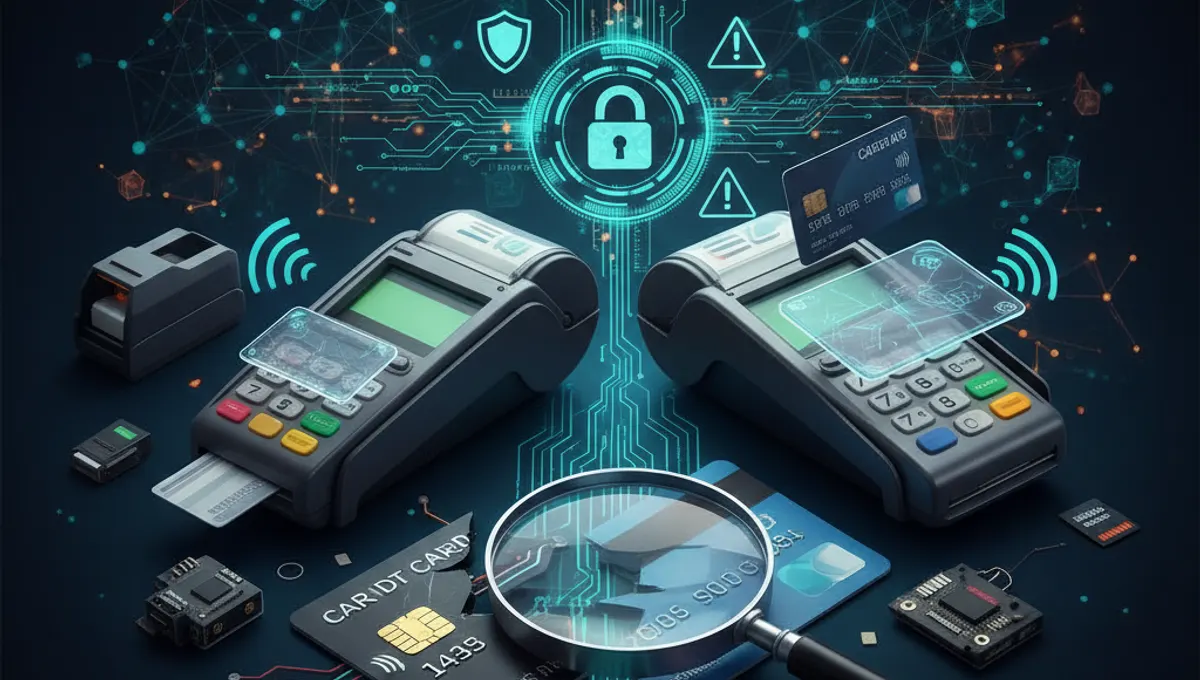
Portable skimmers work by reading the magnetic stripe data encoded on the back of a credit or debit card. When a card passes through or near the device, it extracts the cardholder's name, card number, expiration date, and sometimes the CVV. Some portable models also attempt to capture the PIN by recording keypad presses or using overlay keypads placed over legitimate payment terminals. The captured data is either stored in the device's memory or transmitted in real-time to an attacker's receiving device. A best credit card skimmer for portability is one small enough to conceal in a pocket or bag yet powerful enough to read cards from a short distance. Contactless card readers can also function as portable skimmers, capturing data from NFC-enabled cards without physical contact. Once the data is collected, it can be used to create cloned cards or sold to other fraudsters on dark web marketplaces.
Cloned Card Sales Ecosystem and Dark Web Markets
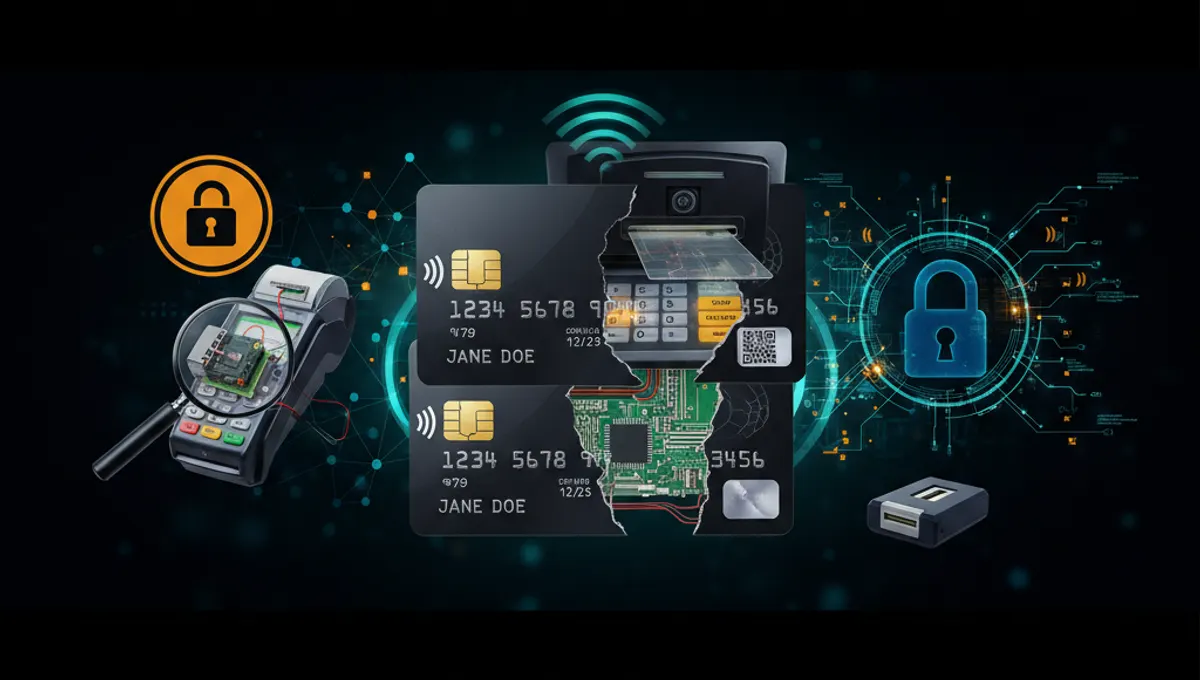
Cloned cards are created when stolen card data is encoded onto blank card stock using specialized equipment. The dark web hosts dedicated marketplaces where sellers offer cloned cards with full details, including PIN codes and CVV numbers. These marketplaces operate as forums or storefronts where vendors list inventory, accept cryptocurrency payments, and ship physical cards or sell data packages. Buyers range from individual fraudsters to organized crime rings. The pricing varies based on card type, issuing bank, available data, and the seller's reputation. A portable card skimmer feeds directly into this ecosystem: fraudsters use portable devices to harvest data at retail locations, encode the data onto blank cards, and then list the cloned cards for sale. The entire process from data theft to marketplace listing can occur within hours. Buyers use cloned cards for unauthorized purchases, cash withdrawals, or resale. The dark web's anonymity and cryptocurrency payment systems make tracking and prosecution difficult, allowing these markets to operate continuously despite law enforcement efforts.
Legal Consequences of Possession and Use
Possession of a portable credit card skimmer or cloned cards carries serious criminal charges that vary by jurisdiction. In most legal systems, charges fall into multiple categories: fraud, identity theft, and device-based fraud. Fraud charges typically apply when stolen card data is used to make unauthorized purchases or withdrawals. Identity theft charges apply when personal information is misused to open accounts or conduct transactions in someone else's name. Device-based fraud charges apply specifically to the possession or use of skimming equipment. Penalties depend on jurisdiction, the number of cards involved, and the total financial loss. Some jurisdictions impose mandatory minimum sentences for organized fraud schemes. Fines can range from thousands to hundreds of thousands of dollars. Restitution to victims is often required. A conviction typically results in a felony record, affecting employment, housing, and professional licensing. Buying cloned cards on the dark web does not provide legal protection; purchasing stolen financial instruments is illegal in virtually all jurisdictions regardless of where the transaction occurs.
How to Detect a Portable Card Skimmer
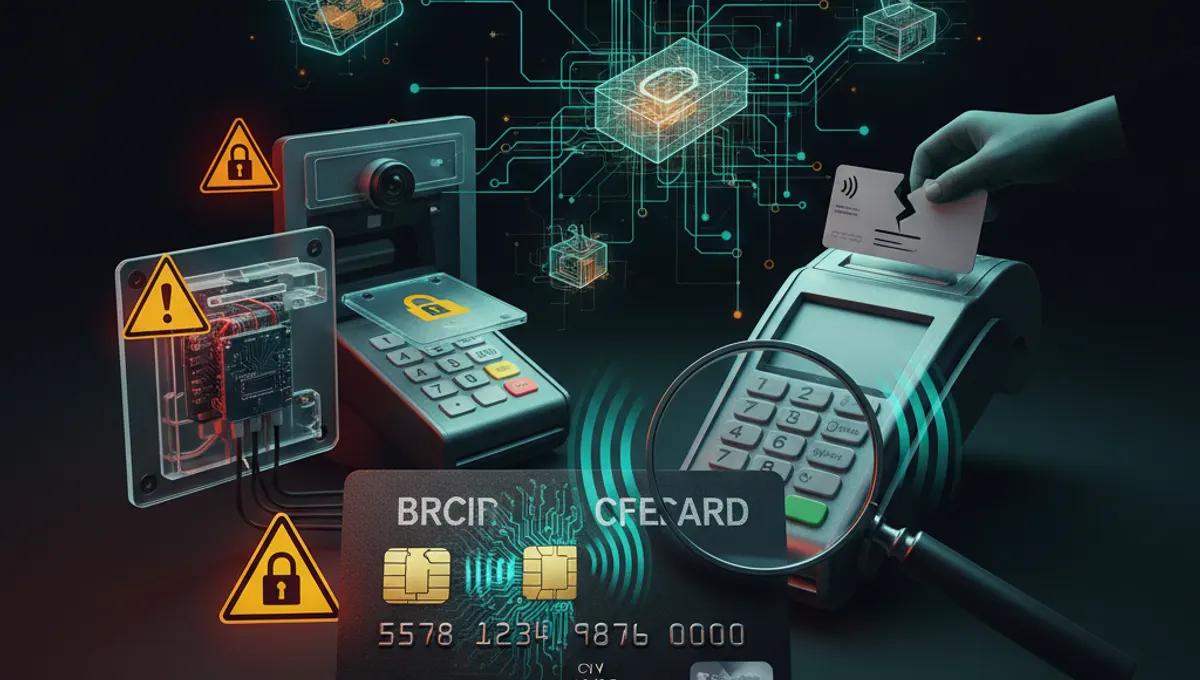
Detecting a portable credit card skimmer requires awareness of your surroundings during transactions. At ATMs, inspect the card slot, keypad, and surrounding bezel for loose, misaligned, or unusually thick components. At gas pumps, check the pump's card reader for signs of tampering, such as a reader that protrudes further than normal or appears to be a separate overlay. At 7-11 and other retail locations, watch for employees or bystanders using handheld devices near the payment terminal. Be cautious if a cashier asks you to hand over your card or swipe it in an unusual location. Legitimate payment terminals should feel secure and integrated into the machine. If a reader feels loose, sticky, or damaged, do not use it. Use contactless payment methods when available, as they do not expose your full card data to skimming devices. Monitor your bank and credit card statements regularly for unauthorized charges. Enable transaction alerts through your card issuer so you receive notifications of purchases in real-time. Consider using a card reader detection app, though these have limited effectiveness against advanced portable skimmers.
Protecting Your Card from Skimming
Multiple strategies reduce your vulnerability to portable card skimmers. Use contactless or tokenized payments whenever possible; these methods do not transmit your full card number to the merchant. Virtual card numbers generated by your bank or credit card issuer provide a unique number for each transaction, limiting exposure if the number is compromised. Enable real-time transaction alerts so you are notified immediately of any charges. Request a chip-enabled card from your issuer; EMV chip technology is more difficult to clone than magnetic stripe data, though not impossible. Consider using a RFID-blocking wallet or sleeve to prevent wireless skimmers from reading your card data. Avoid using ATMs in unfamiliar locations or those that appear damaged or tampered with. Prefer ATMs located inside banks rather than standalone kiosks. Cover the keypad with your hand when entering your PIN to prevent shoulder surfing or hidden cameras. Regularly check your credit reports and consider placing a fraud alert or credit freeze with the three major credit bureaus. Use strong, unique passwords for your online banking accounts.
What to Do If Your Card Data Is Compromised
If you discover unauthorized charges on your card or suspect your data has been compromised, contact your card issuer immediately. Most card issuers offer zero-liability protection, meaning you are not responsible for fraudulent charges if you report them promptly. The issuer will cancel your current card and issue a replacement, typically within 5-10 business days. File a dispute for each unauthorized transaction; the issuer will investigate and reverse the charges if fraud is confirmed. Request a new card number rather than a replacement card with the same number. File a report with the Federal Trade Commission at IdentityTheft.gov if your personal information was used to open new accounts or if the fraud involves identity theft. Contact the three major credit bureaus (Equifax, Experian, TransUnion) to place a fraud alert on your credit file. This alert notifies lenders to verify your identity before opening new accounts. Consider placing a credit freeze, which prevents new accounts from being opened in your name without your explicit authorization. Keep documentation of all communications with your card issuer and credit bureaus. Monitor your credit reports for the next 12 months for signs of additional fraudulent activity.
Frequently asked questions
Can a portable credit card skimmer read EMV chip cards?
Most portable skimmers are designed to read magnetic stripe data, which is easier to capture and clone. However, some advanced portable models can attempt to read EMV chip data, though chip technology includes encryption that makes cloning more difficult. Contactless payment methods and chip-and-PIN transactions provide better protection than magnetic stripe alone.
How much does a portable card skimmer cost?
Portable skimmer prices vary widely depending on functionality and sophistication. Basic magnetic stripe readers may cost less, while advanced models with wireless transmission, EMV capability, or longer read range command higher prices. Pricing information is typically found on dark web marketplaces, though we do not provide direct links to illegal goods.
What is the difference between a portable skimmer and a fixed ATM skimmer?
A portable skimmer is handheld and can be used at multiple locations, while a fixed ATM skimmer is installed inside or on top of an ATM and remains in place. Fixed skimmers are often combined with hidden cameras or overlay keypads to capture PINs. Portable skimmers are more flexible but require the fraudster to be present during each transaction.
Can I get my money back if my card is cloned?
Yes, most card issuers offer zero-liability protection for fraudulent charges. Report unauthorized transactions immediately to your card issuer. The issuer will investigate and typically reverse fraudulent charges within 10 business days. File a dispute for each unauthorized transaction to ensure proper documentation and reimbursement.
Is using a cloned card illegal even if I did not create it?
Yes, purchasing or using a cloned card is illegal in virtually all jurisdictions. Possession of cloned card data or physical cloned cards can result in charges for fraud, identity theft, and receiving stolen property. Legal consequences apply regardless of where the card was purchased or how the data was obtained.