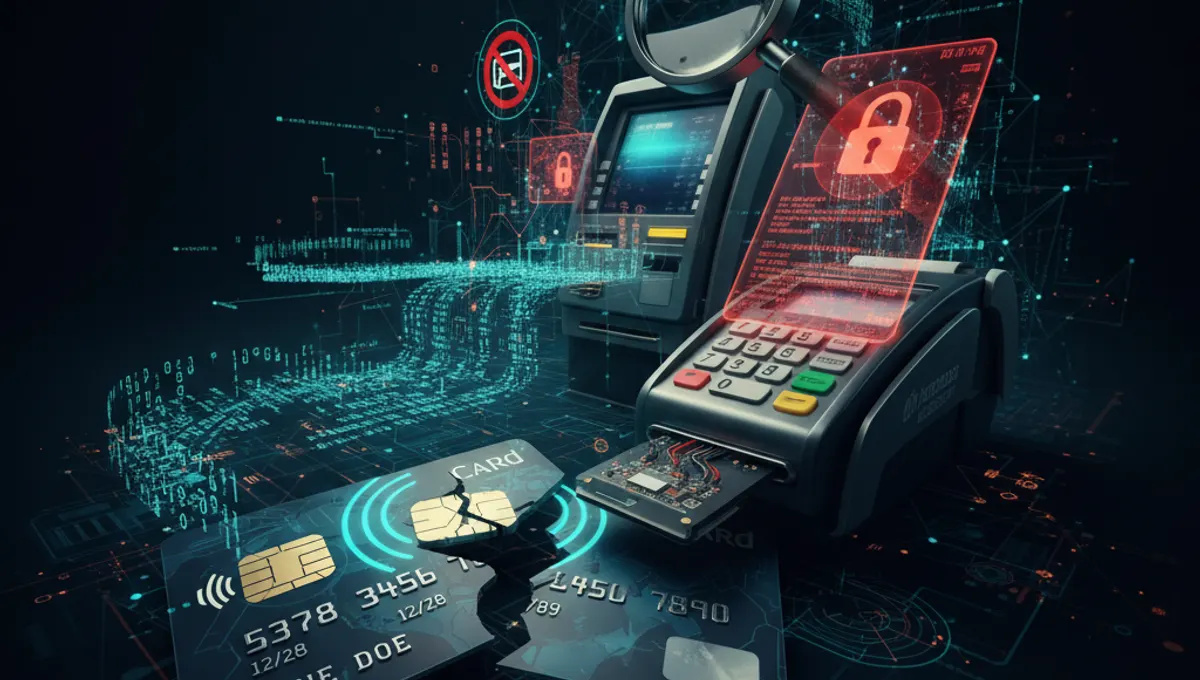
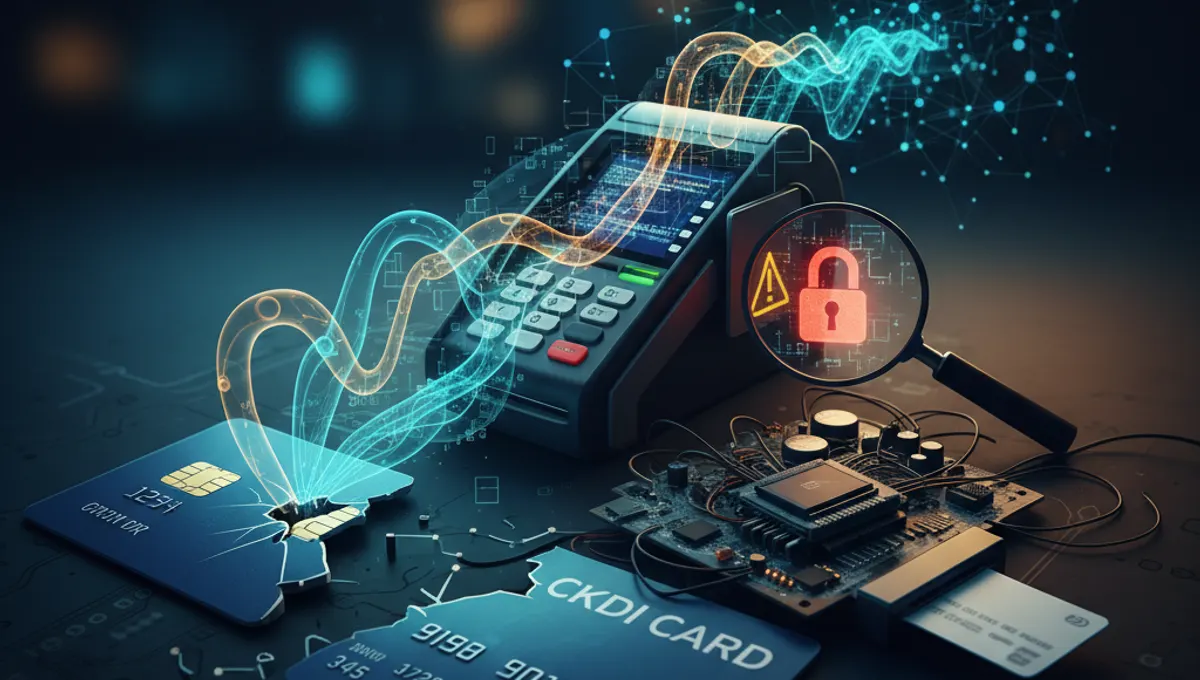
What Is a Skimmer and How Does It Work
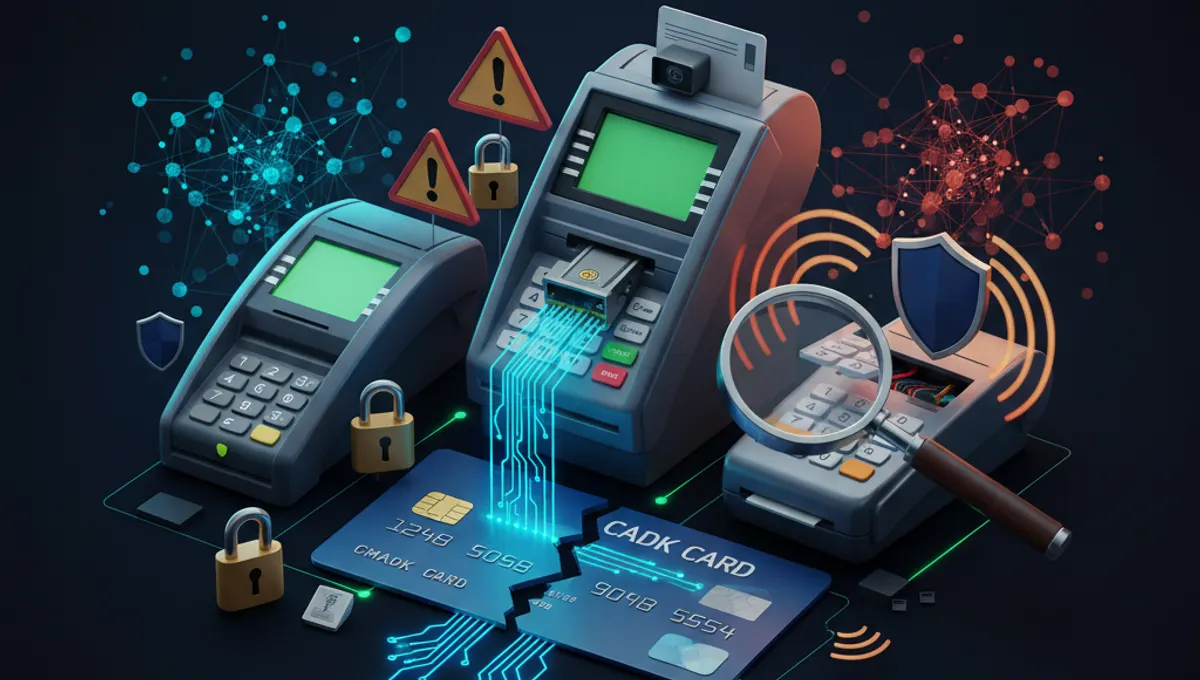
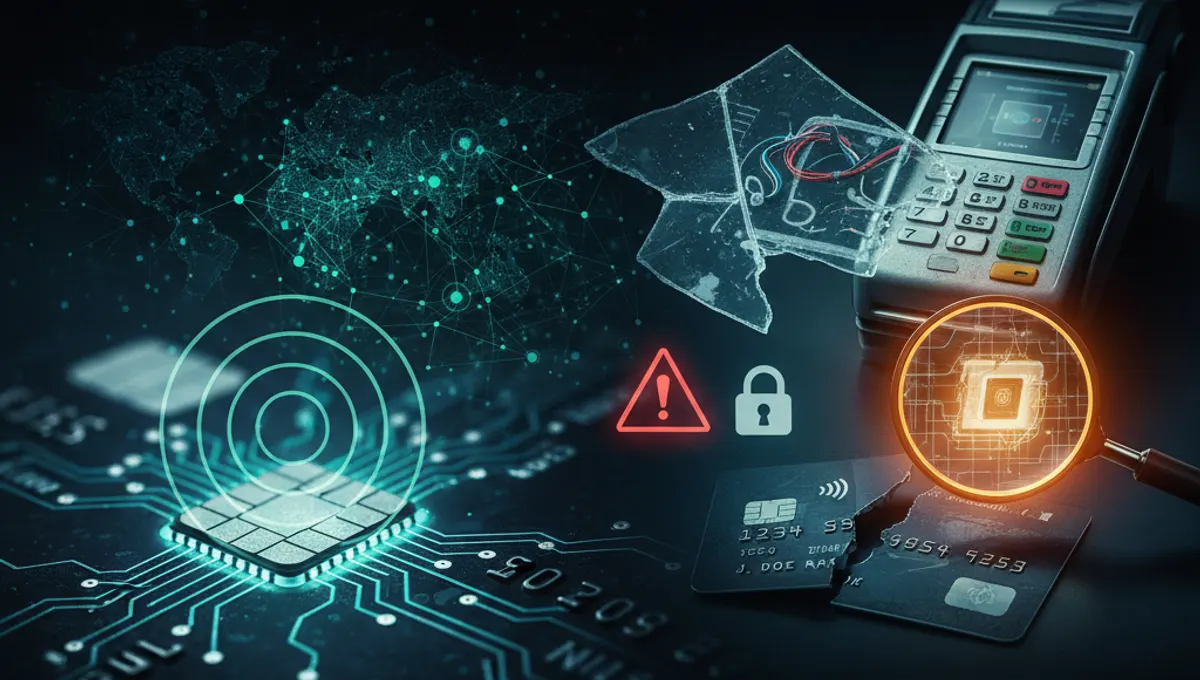
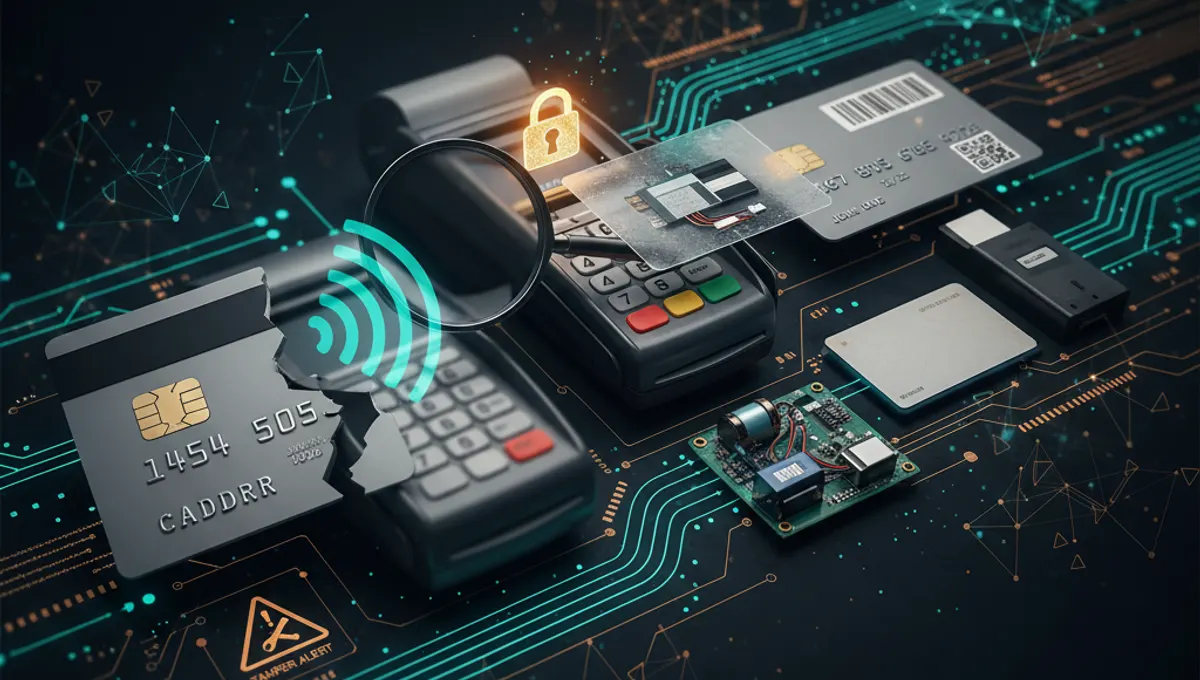
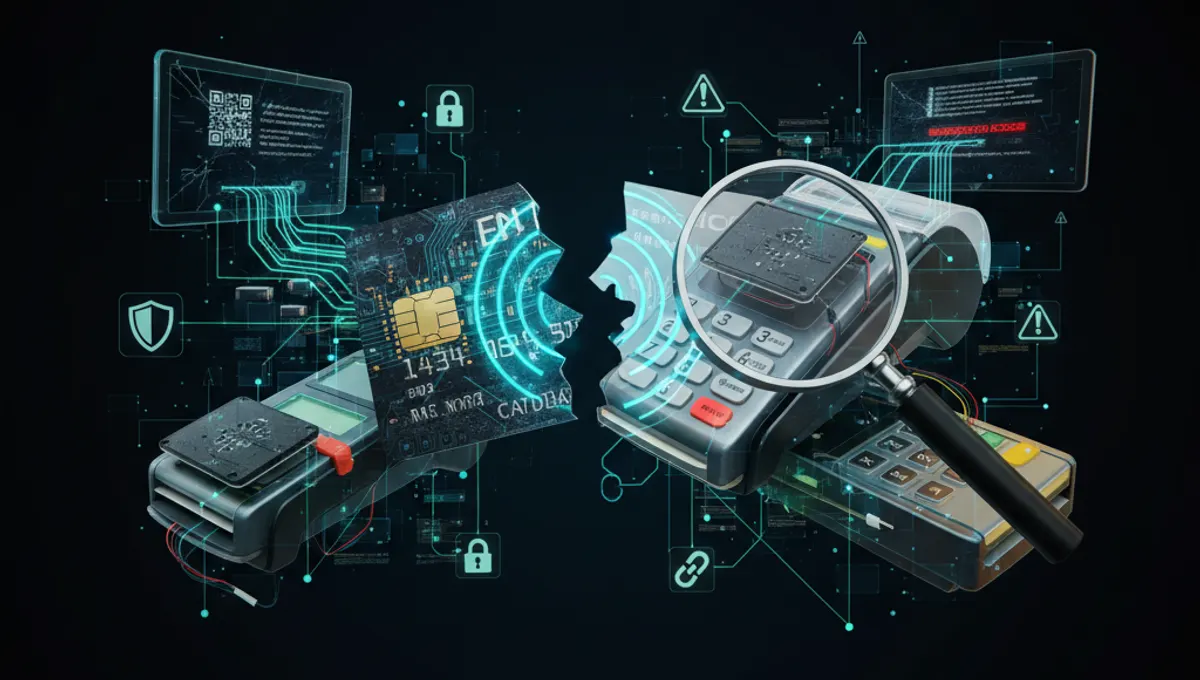
A skimmer device is hardware placed over or inside legitimate payment terminals to intercept card information. Skimmers read the magnetic stripe or EMV chip data as you swipe or insert your card. Some devices also capture your PIN using hidden cameras or overlay keypads. Shimming involves inserting a thin skimmer into the card slot of an ATM or gas pump, making it nearly invisible. The stolen data is then transmitted wirelessly or retrieved later by the attacker. Skimmers are commonly found on gas pumps, ATM machines, and self-checkout terminals because these are unattended and harder to monitor than traditional checkout counters.
How to Detect a Skimmer on a Gas Pump
Before using a gas pump, inspect the card reader slot and surrounding bezel for signs of tampering. Look for loose, cracked, or protruding components that don't match the pump's design. The card reader should sit flush with the pump face; any gap or misalignment suggests a skimmer overlay. Gently tug on the card reader and keypad to see if they move or feel unstable. Check for extra cameras or small holes near the keypad that could hide a lens. Use the pump's protective shield or cover if available. If anything feels wrong, move to a different pump or go inside to pay with the cashier instead. Gas station staff should be notified of suspicious terminals so they can inspect them.
How Can You Detect a Credit Card Skimmer at an ATM
ATM skimmers are often installed as overlays on the card slot or as deep-insert devices hidden inside the machine. Inspect the card reader for any bulging, discoloration, or components that protrude beyond the normal surface. Try to wiggle the card slot cover; it should be firmly attached. Look around the keypad and screen for loose panels, extra wires, or small cameras. Check for a secondary keypad overlay that might be placed on top of the legitimate one. Avoid ATMs in remote or poorly lit locations, as these are easier targets. Use ATMs inside banks during business hours when staff are present. If you notice anything unusual, do not insert your card and report it to the bank immediately.
Physical Signs of a Card Skimmer Device
Visible indicators of a skimmer include loose or ill-fitting components, color mismatches between the skimmer and the terminal, and extra wires or antennas protruding from the machine. Some skimmers are designed to look identical to the terminal, so subtle signs matter: uneven gaps, slightly raised edges, or components that feel different when touched. A skimmer overlay may have a seam or line where it meets the terminal. Hidden cameras can appear as small holes or dark spots near the keypad. Wireless skimmers may have a small antenna or transmitter visible on the back or side of the terminal. Shimming devices inserted into card slots are harder to spot visually but may cause the slot to feel tight or jam slightly when you insert your card.
How to Protect Your Card from Skimmers
Use contactless or tokenized payments whenever possible, as these methods do not expose your full card number to the terminal. Enable transaction alerts on your bank account so you are notified immediately of any unauthorized charges. Consider using virtual card numbers or single-use card tokens provided by your bank or payment app. Cover the keypad with your hand while entering your PIN to block any hidden cameras. Inspect terminals before use and avoid machines that look damaged or tampered with. Prefer indoor payment locations with staff supervision over unattended terminals. Use ATMs inside banks rather than standalone machines on the street. Monitor your credit report and bank statements regularly for fraudulent activity. A RFID-blocking wallet can prevent wireless skimming of contactless cards, though this is less common than physical skimmers.
What to Do If Your Card Information Is Compromised
Contact your bank or card issuer immediately if you suspect your card data has been stolen or you notice a fraudulent charge. Most banks allow you to dispute unauthorized transactions within a specific window, typically 60 days from the statement date. Request a chargeback for any fraudulent charges; the bank will investigate and usually reverse the transaction within 1 to 2 billing cycles. Ask your bank to cancel your current card and issue a replacement. Place a fraud alert on your credit file with the credit bureaus to prevent identity theft. Monitor your credit reports from all three bureaus for unauthorized accounts or inquiries. File a report with the Federal Trade Commission if identity theft occurs. Keep records of all communications with your bank, including dates, times, and names of representatives you spoke with.
How Cloned Cards Are Sold on the Dark Web
Stolen card data obtained through skimmers and other methods is compiled into databases and sold on dark web marketplaces. Sellers list card information in bulk, often organized by card type, issuing bank, or country. Buyers purchase cloned card data and use it to create counterfeit physical cards or make fraudulent online purchases. These transactions typically occur on forums and marketplace sites that operate on encrypted networks. Sellers often provide guarantees or refunds if the card data is invalid or has already been reported stolen. The ecosystem relies on anonymity and cryptocurrency payments to obscure the identities of buyers and sellers. Law enforcement agencies monitor these marketplaces and work to identify and prosecute participants in card fraud schemes.
Legal Consequences of Card Fraud and Possession
Possession of cloned card data or devices used to create counterfeit cards is illegal in most jurisdictions and can result in charges related to fraud, identity theft, and unauthorized access to financial systems. Using a cloned card to make purchases constitutes wire fraud and identity theft, which carry felony penalties. Specific charges and sentence lengths depend on the jurisdiction, the amount of money involved, and the defendant's criminal history. Federal law treats card fraud as a serious offense with potential prison time and substantial fines. State laws vary but generally impose similar penalties for card-related crimes. Conviction can result in restitution to victims, supervised release, and a permanent criminal record that affects employment and housing prospects. Consulting with a legal professional in your jurisdiction is essential if you face charges related to card fraud.
Frequently asked questions
Can you feel a skimmer when you insert your card
A well-designed skimmer overlay may feel smooth and normal, but a shimming device inserted into the card slot can cause resistance or jamming. If the slot feels tight, sticky, or unusual compared to other terminals, do not insert your card. Trust your instincts; if something feels off, use a different terminal.
What should I do if I find a skimmer on a terminal
Do not attempt to remove or tamper with the device. Notify the business owner, bank, or gas station attendant immediately. If it is an ATM, contact the bank that operates it. You can also report the suspected skimmer to local law enforcement or the FBI's Internet Crime Complaint Center if you believe it is part of a larger fraud operation.
Are contactless cards safer from skimmers
Contactless cards are safer from traditional magnetic stripe and EMV skimmers because they do not require physical contact with a reader. However, wireless skimmers can theoretically intercept contactless card data from a distance. Using contactless payments with transaction alerts and monitoring your account remains a strong defense against skimming fraud.
How long does it take to detect fraudulent charges from a skimmed card
Fraudulent charges can appear on your statement within days or weeks of the skimming incident. Bank transaction alerts can notify you within hours of an unauthorized purchase. Regularly checking your account online and enabling real-time notifications help you catch fraud quickly and file disputes before the chargeback window closes.
Can skimmers work on chip cards with PIN protection
Skimmers can still capture EMV chip data, though chip technology is more secure than magnetic stripes. A skimmer combined with a hidden camera or overlay keypad can capture your PIN, allowing fraudsters to use the cloned card. This is why covering the keypad and inspecting the terminal before use remains important even with chip cards.