What Is a Cloned Card and How Does Skimming Create One
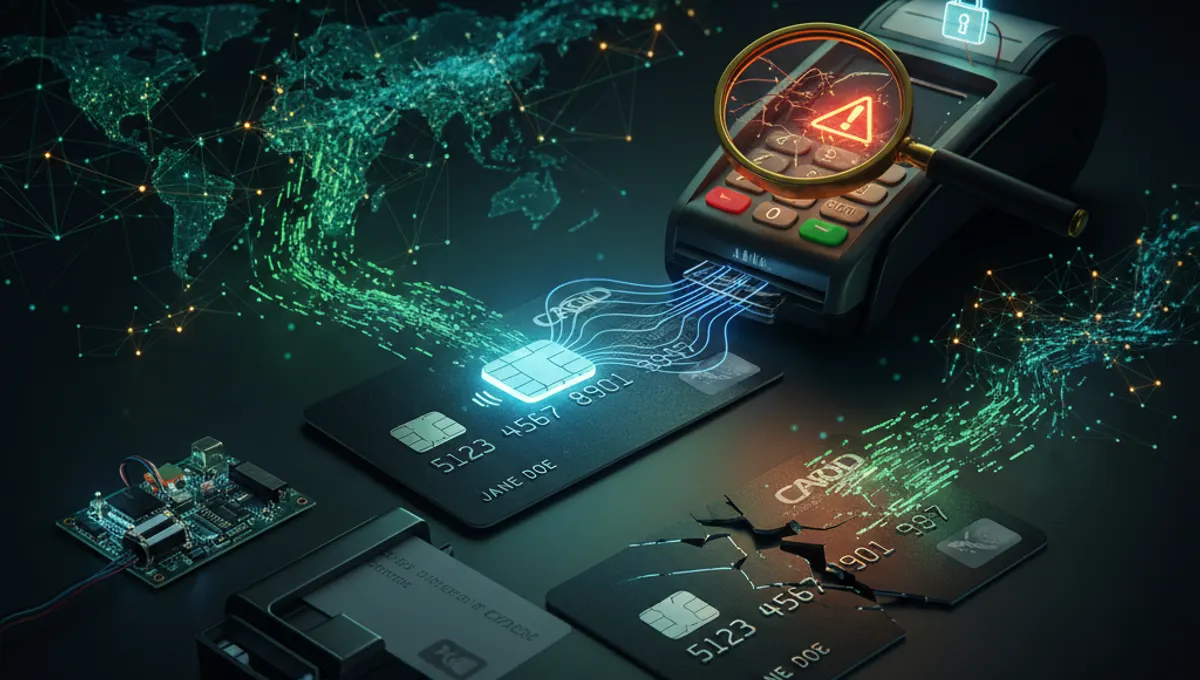
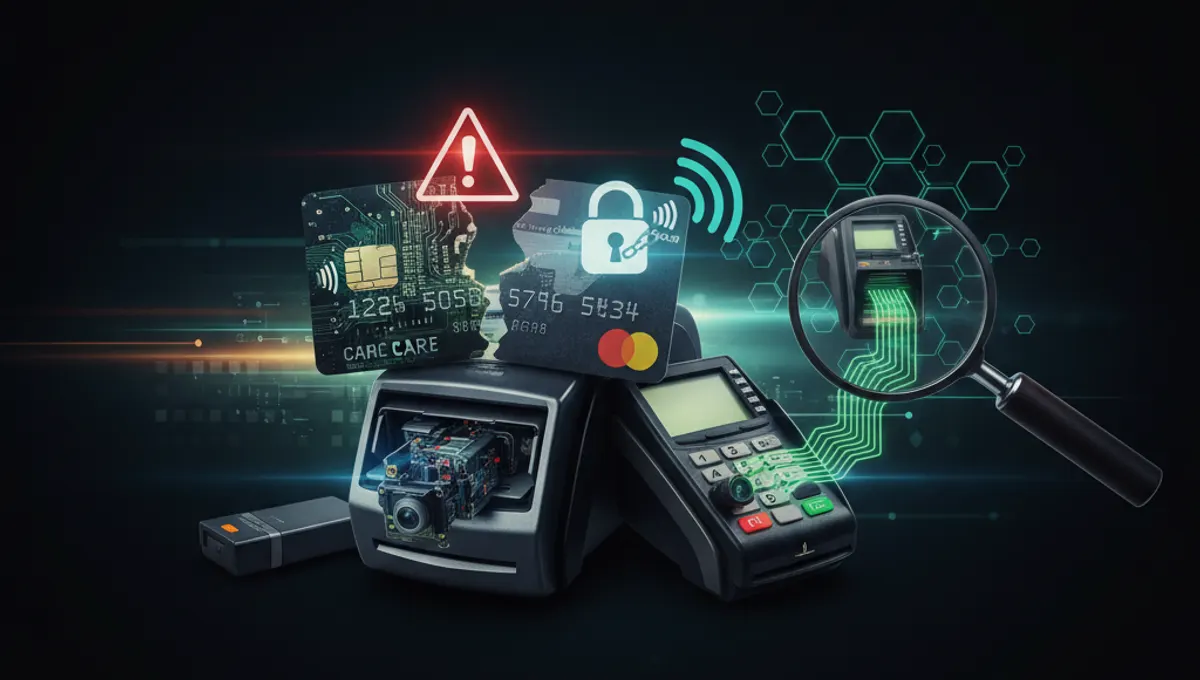
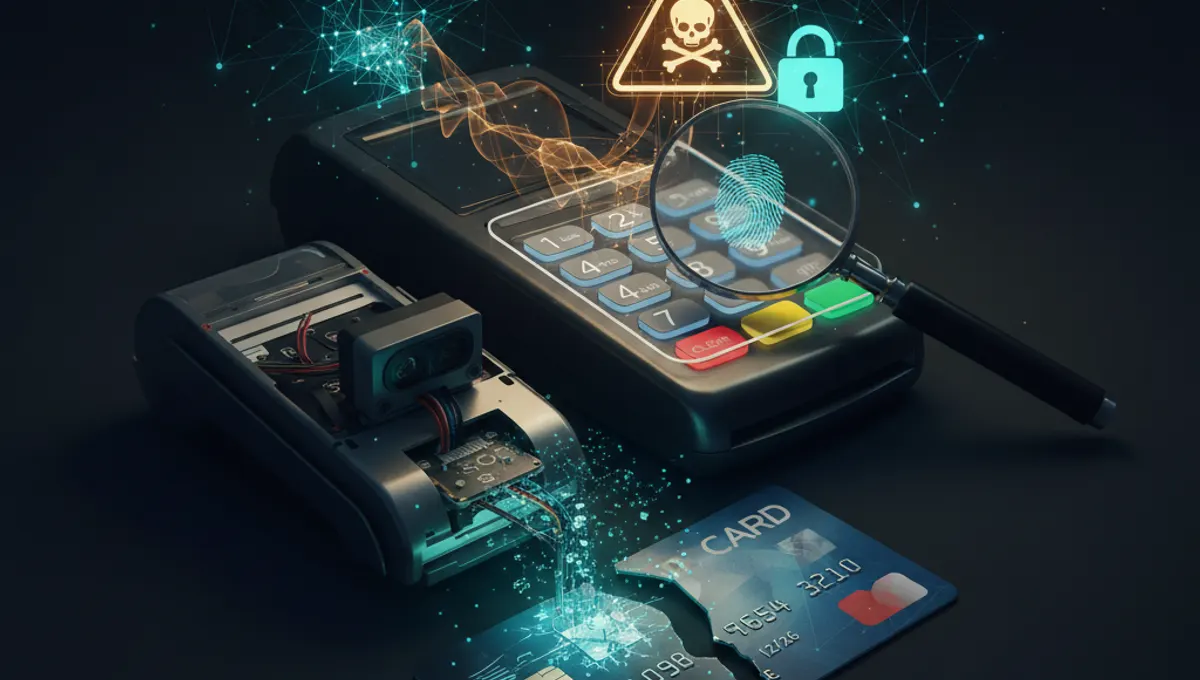
A cloned card is a duplicate of an existing credit or debit card created using stolen data. Skimming is the primary method used to obtain this data. When a fake card reader skimmer is placed on an ATM, gas pump, or point-of-sale terminal, it reads the magnetic stripe or EMV chip as the legitimate card passes through. The device captures the cardholder's name, card number, and expiration date. Shimming—inserting a thin device into chip readers—targets EMV technology specifically. Data breaches and leaks from retailers also supply card information to criminals. Once the data is harvested, it is used to create a physical clone card or sold to buyers on dark web marketplaces who then produce their own clones.
How Fake Card Skimmers and ATM Card Reader Devices Operate
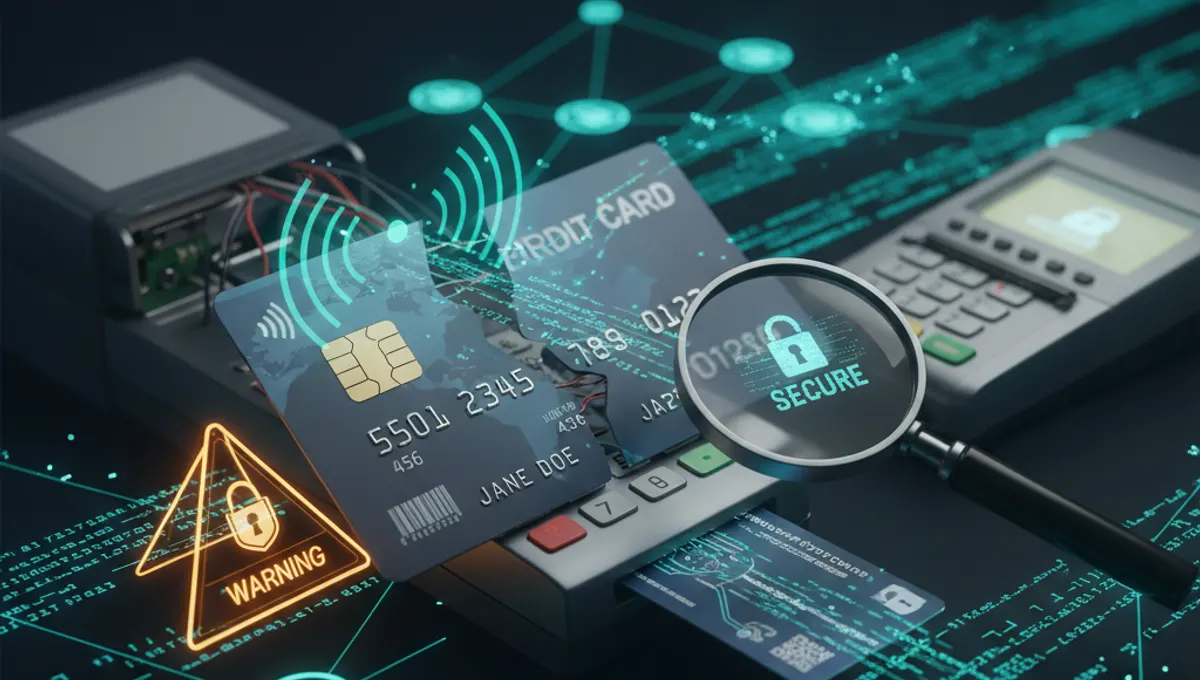
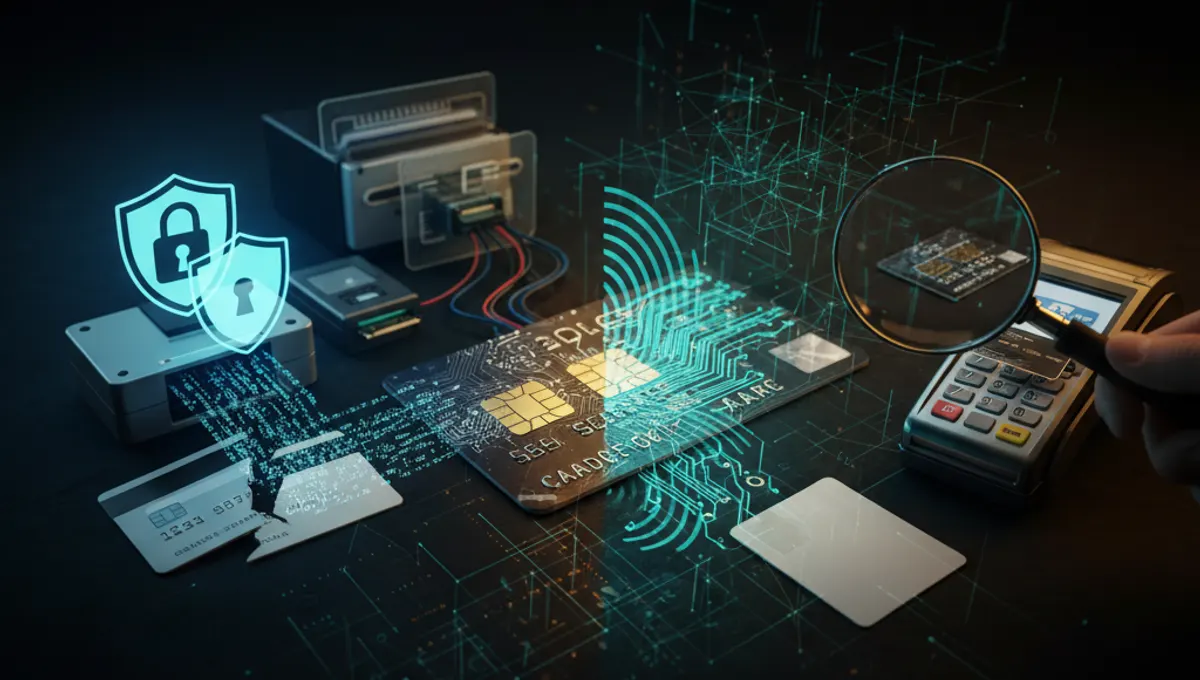
A fake card reader skimmer functions by intercepting data during a normal transaction. Overlay skimmers fit over the legitimate card slot on ATMs or gas pumps, forcing the card through a hidden reader before it reaches the real slot. Deep-insert skimmers are placed inside the card acceptance mechanism itself, making them harder to detect visually. Pin-pad skimmers capture PIN entries by replacing or overlaying the keypad. Wireless skimmers transmit stolen data via Bluetooth or GSM signals to a nearby receiver, allowing the criminal to retrieve data without returning to the device. Some skimmers include cameras to record PIN entry. The atm card reader skimmer category encompasses all these variants. The data collected is typically stored on the device or transmitted in real-time to a remote server controlled by the attacker.
The Dark Web Cloned Card Sales Ecosystem
Cloned cards are bought and sold on dark web marketplaces through specialized forums and vendor shops. Sellers list cards by type (Visa, Mastercard, American Express), credit limit, and country of origin. Pricing varies based on card validity, balance, and verification status. Buyers typically purchase cards in bulk and test them with small transactions before using them for larger fraud. The ecosystem includes vendors who sell skimmer devices themselves, data brokers who traffic in stolen card information, and money launderers who convert fraudulent purchases into cryptocurrency or cash. Transactions occur in cryptocurrency to maintain anonymity. Escrow systems on these marketplaces hold funds until the buyer confirms the card works, creating a pseudo-trust mechanism. This infrastructure has grown because demand for cloned cards remains high among criminals seeking to conduct fraud without direct bank account access.
Legal Consequences of Possession and Use of Cloned Cards
Possession of a cloned card or skimmer device is illegal in most jurisdictions. Charges typically fall into categories including fraud, identity theft, and device-based fraud. Fraud charges apply when a cloned card is used to make unauthorized purchases or withdrawals. Identity theft charges apply when personal information is stolen and used without consent. Possession of skimming equipment or cloning devices may result in separate charges related to fraud conspiracy or unauthorized access to computer systems. Penalties vary significantly by jurisdiction and the scale of the offense. Using a cloned card can result in felony charges with prison sentences ranging from months to years, depending on the amount defrauded and prior criminal history. Restitution to victims is often required. Selling cloned cards or skimmer devices typically carries more severe penalties than possession alone. Consulting a legal professional in your jurisdiction is necessary to understand specific penalties applicable to your location.
How to Detect Fake Card Skimmers and Protect Your Card
Detecting a fake card reader skimmer requires visual inspection and awareness. At ATMs and gas pumps, check the card slot for loose or misaligned components, unusual overlays, or devices that protrude abnormally. Wiggle the card slot gently; a skimmer overlay may move or feel different from the permanent fixture. Look for hidden cameras above the keypad. Use ATMs in well-lit, monitored locations inside banks rather than standalone machines. Cover the keypad with your hand when entering your PIN to prevent camera capture. Use contactless or tokenized payments when available; these methods do not expose full card data. Enable transaction alerts on your bank account to receive notifications of purchases in real-time. Consider using virtual card numbers generated by your bank for online purchases. Block your card immediately if you suspect compromise. Regularly monitor your credit reports for unauthorized accounts opened in your name.
What to Do If Your Card Information Is Compromised
If you detect unauthorized charges on your card, contact your bank or credit card issuer immediately. Most issuers offer fraud dispute processes that allow you to challenge unauthorized transactions. Provide the issuer with details of the fraudulent charge, including the date, merchant, and amount. The issuer will typically initiate an investigation and issue a temporary credit while the dispute is pending. Refund timelines vary by issuer and the complexity of the dispute, but federal regulations generally require resolution within 60 days for credit cards. For debit cards, timelines may differ. File a report with your local law enforcement agency and obtain a case number for your records. Place a fraud alert with the three major credit bureaus (Equifax, Experian, TransUnion) to prevent criminals from opening new accounts in your name. Consider placing a credit freeze to restrict access to your credit report. Monitor your accounts closely for 12 months following the incident. Request a new card with a different number from your issuer.
Skimmer Card Reader Devices and Dark Web Marketplaces
Skimmer card reader devices are manufactured and sold on dark web marketplaces by specialized vendors. These devices range from simple magnetic stripe readers to sophisticated multi-function skimmers capable of capturing EMV chip data and contactless card information. Prices vary based on functionality and sophistication. Buyers on these marketplaces include individual fraudsters and organized crime groups. The dark web provides anonymity for both sellers and buyers, though transactions are not truly safe; law enforcement agencies actively monitor these marketplaces and conduct undercover operations. Accessing dark web marketplaces typically requires Tor browser or a VPN, but these tools do not guarantee legal protection or anonymity. Purchasing skimmer devices or cloned cards is illegal and subjects the buyer to criminal prosecution. The devices themselves are often of poor quality or non-functional, and many marketplace listings are scams where payment is taken without delivery of goods.
Frequently asked questions
How can I tell if an ATM has a skimmer attached?
Inspect the card slot for loose components, overlays, or misalignment. Gently wiggle the slot; a skimmer may move or feel different. Look for hidden cameras above the keypad. Check for adhesive residue or scratches indicating recent attachment. Use ATMs inside banks in well-lit areas rather than standalone machines. If something feels off, use a different ATM and report your concerns to the bank.
What is the difference between a shimmer and a skimmer?
A skimmer reads data from the magnetic stripe or contactless signal on a card. A shimmer is a thin device inserted into an EMV chip reader that captures chip data as the card is inserted. Shimmers target chip technology specifically, while skimmers work on magnetic stripe and contactless payments. Both methods steal card data for cloning purposes.
Can contactless payments prevent skimming?
Contactless payments reduce some skimming risks because they do not require insertion into a reader, but contactless cards can still be skimmed wirelessly if the reader is in close proximity. Tokenization—where a unique transaction code replaces your actual card number—provides better protection. Virtual card numbers and dynamic CVV codes add additional security layers. No payment method is completely immune to fraud, but these methods significantly reduce risk.
What happens if I use a cloned card unknowingly?
If you use a cloned card without knowing it is cloned, you are not liable for fraudulent charges under most consumer protection laws. Contact your issuer immediately upon discovering unauthorized transactions. The issuer will investigate and typically issue a credit. However, knowingly using a cloned card is illegal and constitutes fraud. If you suspect your card is cloned, stop using it and report it to your bank.
How long does it take to get a refund for fraudulent charges?
For credit cards, federal regulations require issuers to resolve disputes within 60 days. Most issuers issue a temporary credit within 10 business days while investigating. Debit card timelines may differ; some issuers offer faster resolution. The exact timeline depends on your issuer and the complexity of the dispute. Contact your bank for specific information about your account.