What Is a Cloned Card and How Are Skimmers Used to Create Them
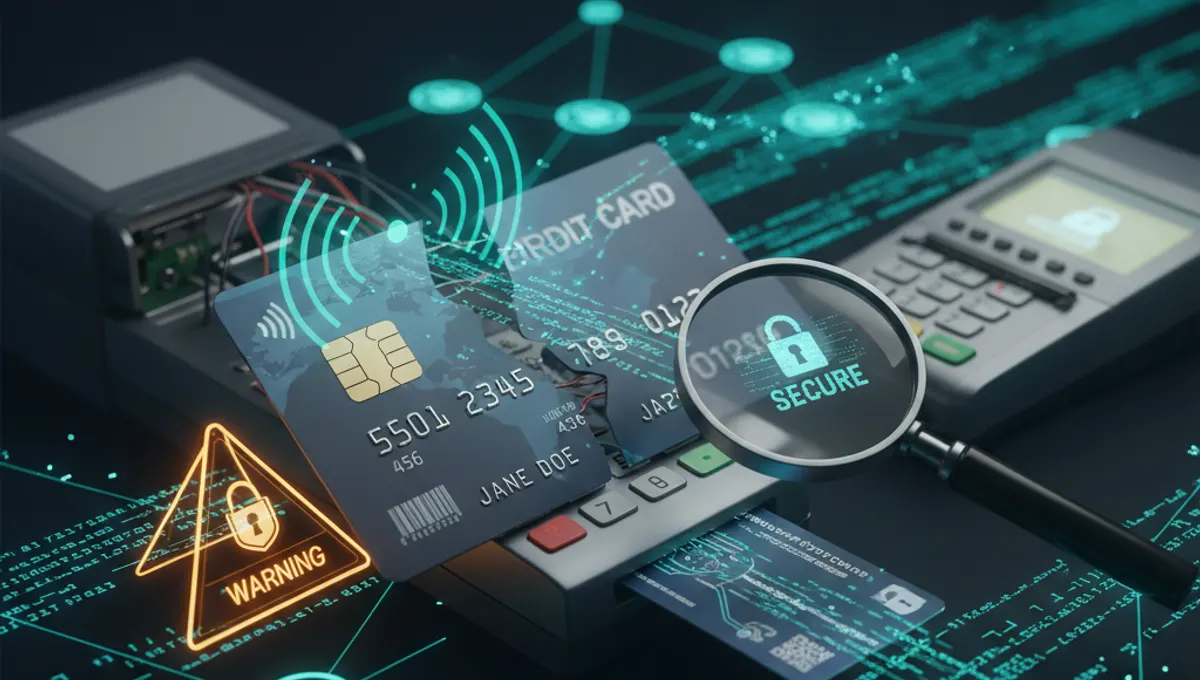
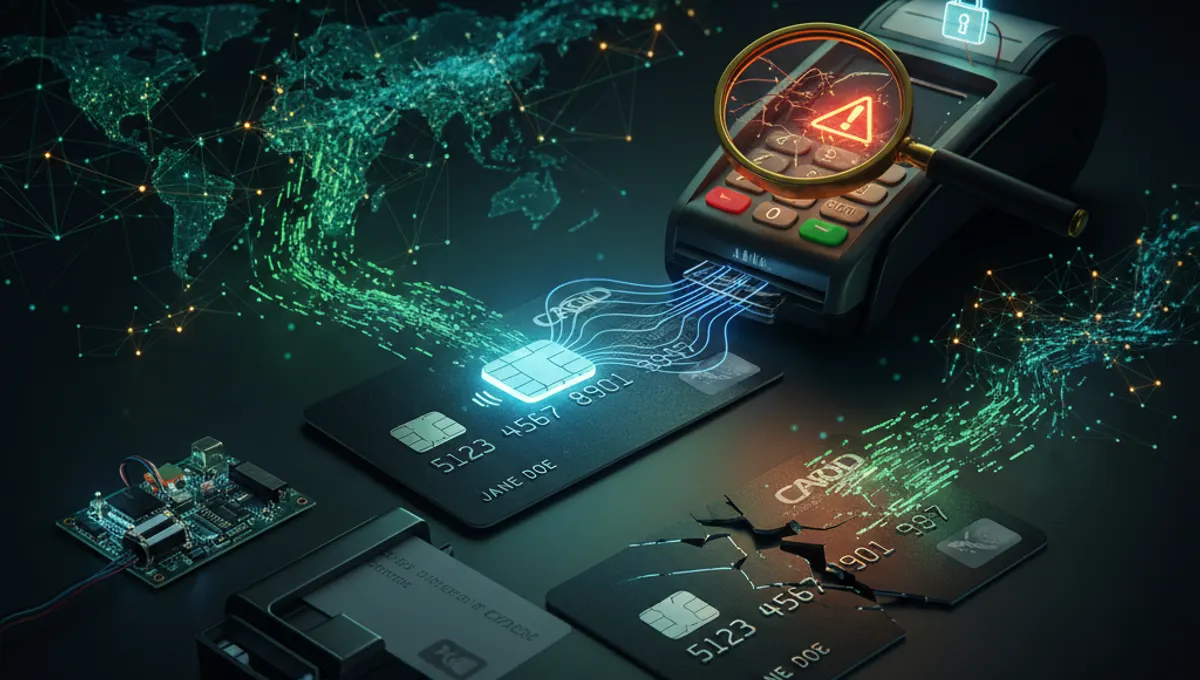
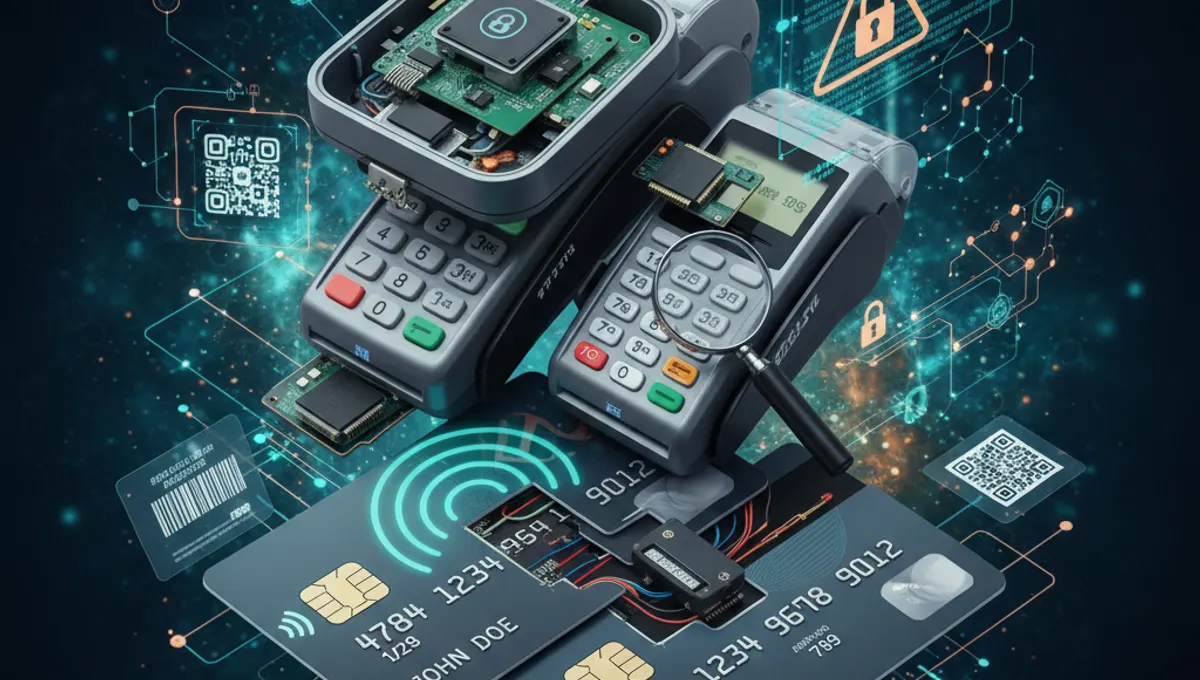
A cloned card is a duplicate payment card created from stolen data. Skimmers capture information in two main ways: magnetic stripe skimming reads the data encoded on the back of older cards, while shimming targets the chip slot itself by inserting a thin device that intercepts EMV chip communication. Data can also come from large retail breaches or leaked databases sold on dark web forums. Once criminals obtain the card number, expiration date, and CVV, they encode this information onto blank card stock or use it for online purchases. The magnetic stripe remains vulnerable because it contains static data that does not change with each transaction, unlike chip technology which generates unique codes.
How the Cloned Card Sales Ecosystem Operates on the Dark Web
Cloned cards are bought and sold on dark web marketplaces through specialized vendors and reseller networks. Sellers list card batches with details such as card type, issuing bank, and validity status. Prices vary based on card freshness and balance likelihood. Buyers typically use cryptocurrency for transactions and access these marketplaces via Tor browser. The ecosystem includes middlemen who test cards for validity, resellers who purchase in bulk and distribute to smaller operators, and end users who conduct fraud. Vendors often provide refunds if cards are declined, creating a quasi-legitimate marketplace structure. This decentralized system makes enforcement difficult because transactions leave minimal traceable records and participants operate across multiple jurisdictions.
Legal Consequences of Card Cloning, Possession, and Fraud
Possession of cloned cards or card data with intent to use them constitutes fraud and identity theft in most jurisdictions. Charges typically fall into categories including wire fraud, access device fraud, and identity theft. Penalties vary significantly by jurisdiction and specific circumstances. In the United States, federal wire fraud carries sentences up to 20 years imprisonment and fines up to $250,000 under 18 U.S.C. § 1343. Using a cloned card may result in charges for theft, forgery, and unauthorized access to financial accounts. State-level charges often carry additional penalties. International prosecution depends on extradition treaties and the country where the fraud occurred. Even first-time offenders face mandatory restitution to victims and may receive substantial prison sentences. Conspiracy charges apply to those who knowingly facilitate the sale or distribution of cloned cards.
How Skimmer Card Readers Are Detected at ATMs and Gas Stations
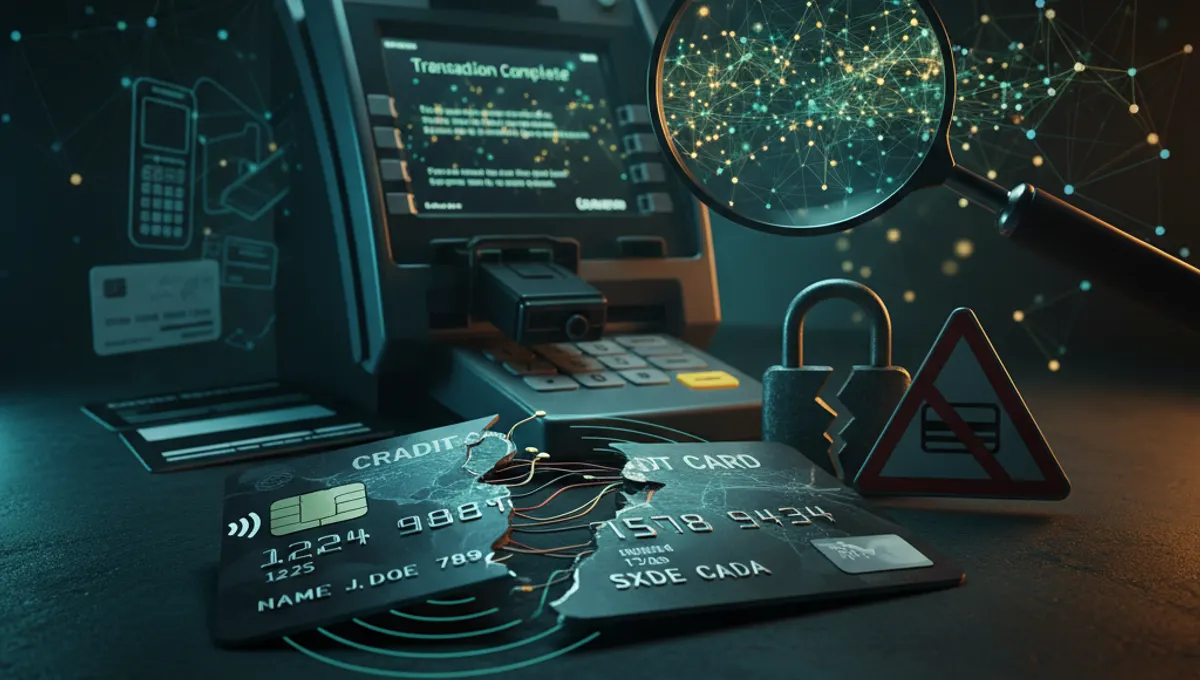
Detection of a card skimmer requires visual inspection and physical testing. Examine the card slot, keypad, and surrounding bezel for loose, misaligned, or bulky components that appear different from the machine's original design. Shimmer devices are typically thin and may protrude slightly from the chip reader. Gas pump skimmers often cover the entire card slot and may feel loose when you attempt to insert your card. Gently tug on the card reader faceplate to check for tampering. Look for signs of adhesive, scratches, or color mismatches. Some skimmers are internal and invisible, so physical inspection alone is insufficient. If a machine feels compromised, use an alternative ATM or pump. Report suspected skimmers to the bank or gas station operator immediately. Modern contactless readers and chip technology are more resistant to skimming than magnetic stripe readers.
How to Protect Your Card: Prevention and Monitoring Strategies
Use chip readers whenever possible instead of magnetic stripe swiping, as chip technology generates unique transaction codes that cannot be reused. Enable contactless or tokenized payments through mobile wallets, which replace your actual card number with a temporary token. Set up real-time transaction alerts through your bank's mobile app to detect unauthorized charges immediately. Consider using virtual card numbers for online purchases; many banks and financial services offer single-use card numbers that expire after one transaction. Monitor your credit reports regularly through official channels and place fraud alerts with credit bureaus if needed. Avoid using ATMs in isolated locations or machines that appear tampered with. Cover the keypad when entering your PIN to prevent shoulder surfing. Use ATMs inside bank branches when possible, as they receive more frequent maintenance and monitoring.
What to Do If Your Card Information Has Been Compromised
Contact your bank or card issuer immediately upon discovering unauthorized charges or suspecting data compromise. Most issuers provide fraud dispute processes that allow you to contest charges within specific timeframes, typically 60 days from the statement date. The issuer will investigate the claim and issue a provisional credit while the dispute is pending, usually within 10 business days. Full resolution typically takes 30 to 90 days depending on the complexity and the issuer's investigation. Request a new card with a different number and ensure the old card is deactivated. File a report with the Federal Trade Commission through IdentityTheft.gov if your personal information was compromised beyond just card data. Place a fraud alert with the three major credit bureaus to prevent new accounts opened in your name. Keep detailed records of all communications with your bank and documentation of fraudulent charges. Do not attempt to reverse charges yourself or contact merchants directly without first notifying your bank.
Detecting Fake Card Reader Skimmers and Shimmer Devices
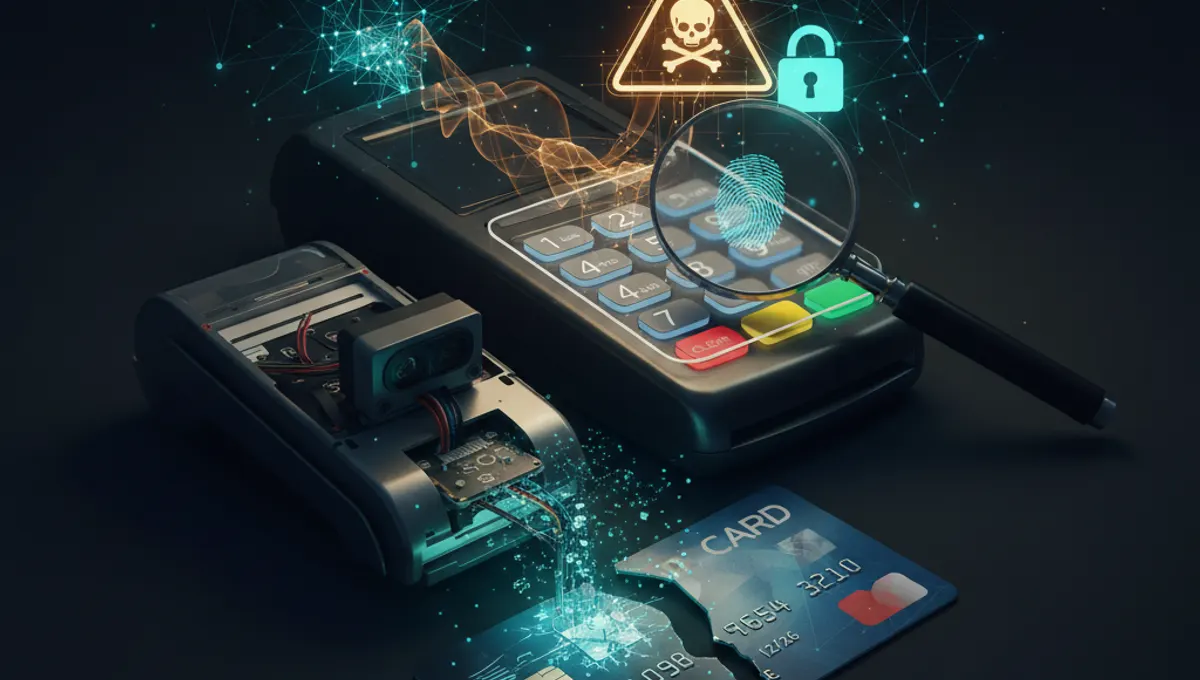
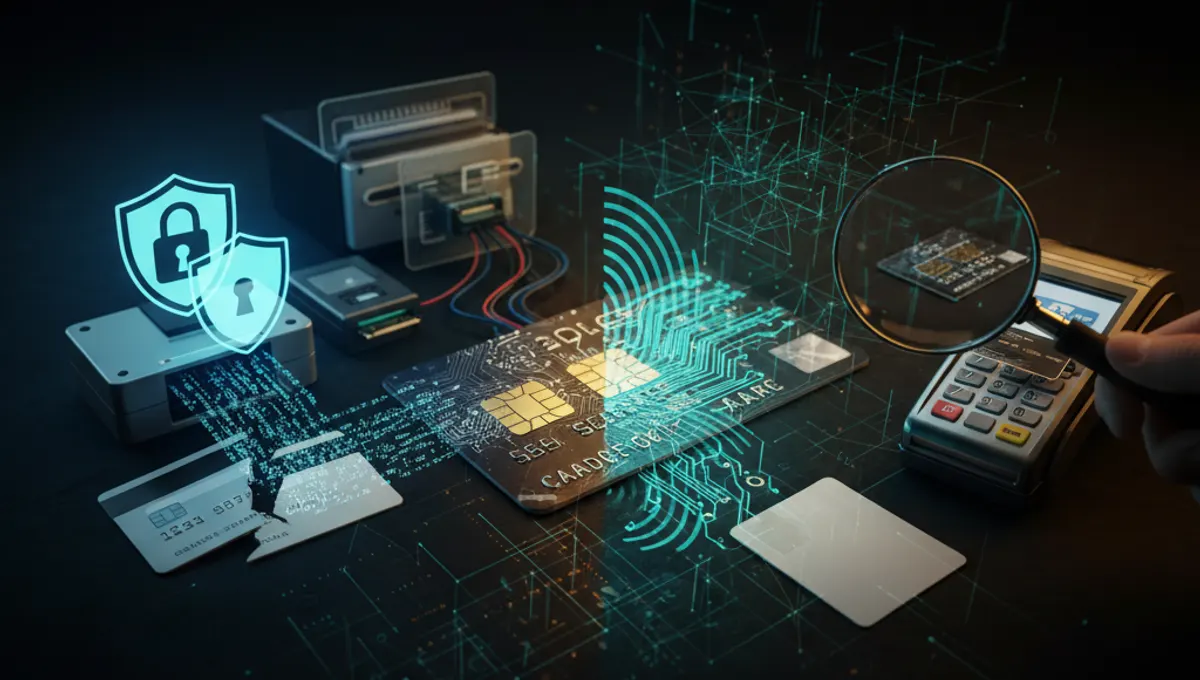
Fake card readers designed to look like legitimate terminals are increasingly difficult to distinguish without careful inspection. Shimmer devices are particularly deceptive because they fit inside the chip slot and leave no external evidence. Compare the suspected machine to others nearby or to photos of legitimate terminals from the same manufacturer. Check for manufacturer branding, serial numbers, and official logos. Legitimate terminals have consistent build quality and finish. Skimmers often show signs of rushed assembly, uneven seams, or misaligned components. Some devices use adhesive that leaves residue or discoloration. Test the card slot by gently inserting a card at an angle to feel for obstructions. If the slot feels tight or the card does not insert smoothly, do not use the machine. Report suspicious terminals to the location operator and local law enforcement. Banks and payment processors continuously update terminal security, so older machines may be more vulnerable to skimming attacks.
Frequently asked questions
How can I tell if an ATM has a skimmer installed?
Inspect the card slot, keypad, and bezel for loose, misaligned, or protruding components. Gently tug on the card reader faceplate to check for tampering. Look for adhesive residue, scratches, or color mismatches. Compare the machine to nearby ATMs from the same manufacturer. If anything feels wrong or the card slot feels tight, use a different ATM and report the machine to your bank.
What is the difference between a skimmer and a shimmer device?
A skimmer is typically an external device attached to a card slot that reads magnetic stripe data. A shimmer is a thin internal device inserted into the chip reader slot that intercepts EMV chip communication. Shimmers are harder to detect because they leave no external evidence and fit inside the legitimate card slot. Both capture card data for cloning purposes.
How long does it take to get a refund for fraudulent charges?
Most banks issue a provisional credit within 10 business days of filing a fraud dispute. Full investigation and resolution typically takes 30 to 90 days depending on the complexity and the issuer's procedures. Keep detailed records of all communications and documentation. The timeframe may vary by bank and jurisdiction, so contact your specific issuer for exact timelines.
Are contactless payments safer than chip cards against skimming?
Contactless and tokenized payments are significantly safer than both magnetic stripe and chip cards. They replace your actual card number with a temporary token that is unique to each transaction and cannot be reused. Contactless readers do not transmit full card data, making them resistant to traditional skimming attacks. Chip technology is more secure than magnetic stripe but still vulnerable to shimmer devices in some cases.
What should I do if I suspect my card data was compromised in a data breach?
Contact your bank or card issuer immediately to report the suspected compromise. Request a new card with a different number. Monitor your account for unauthorized charges using real-time alerts. File a report with the Federal Trade Commission at IdentityTheft.gov. Place a fraud alert with the three major credit bureaus. Check your credit reports regularly for suspicious accounts opened in your name.