What Is a Fake Card Skimmer and How Does It Capture Data
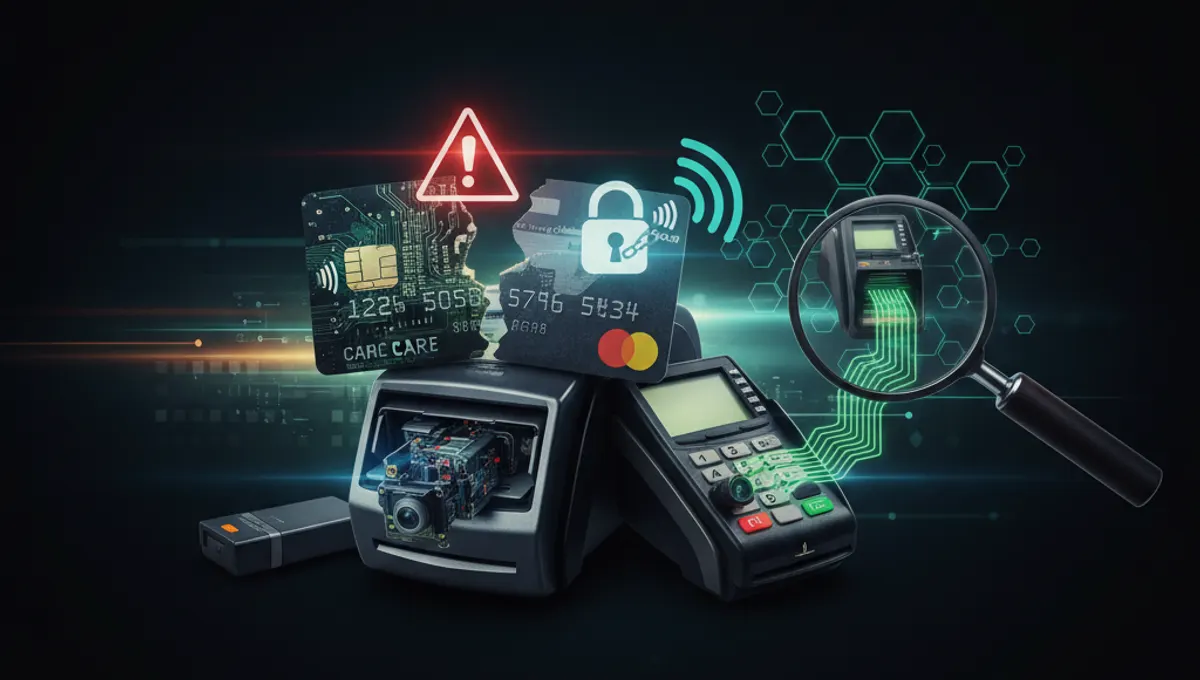
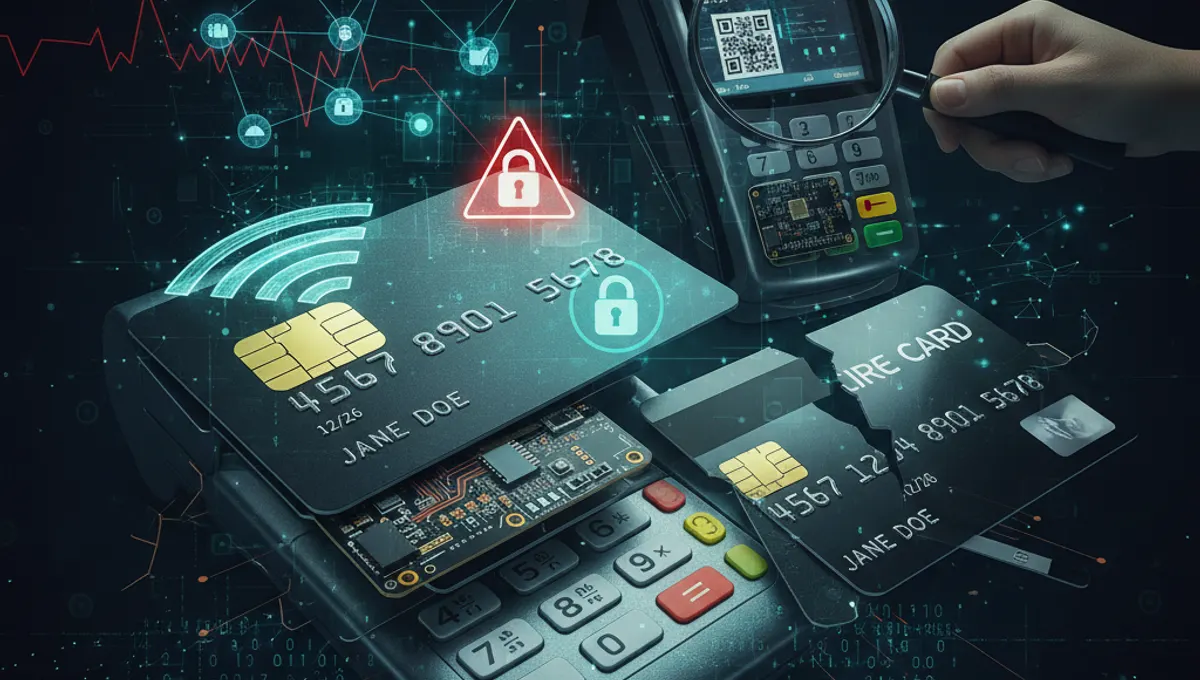
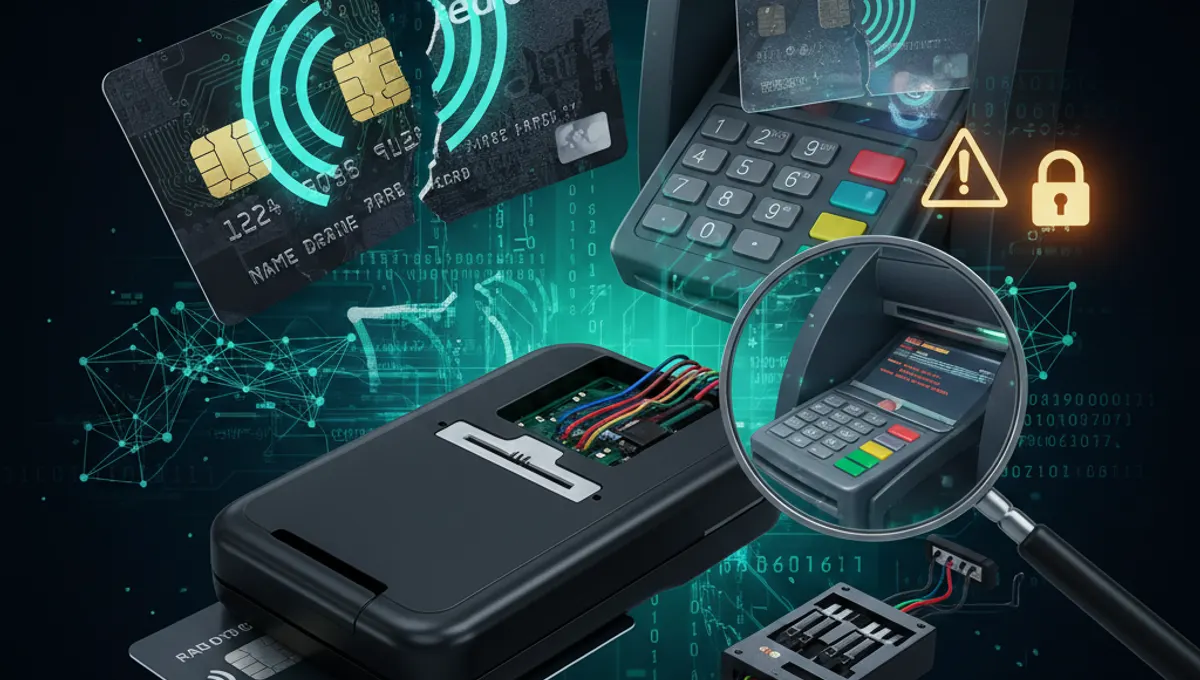
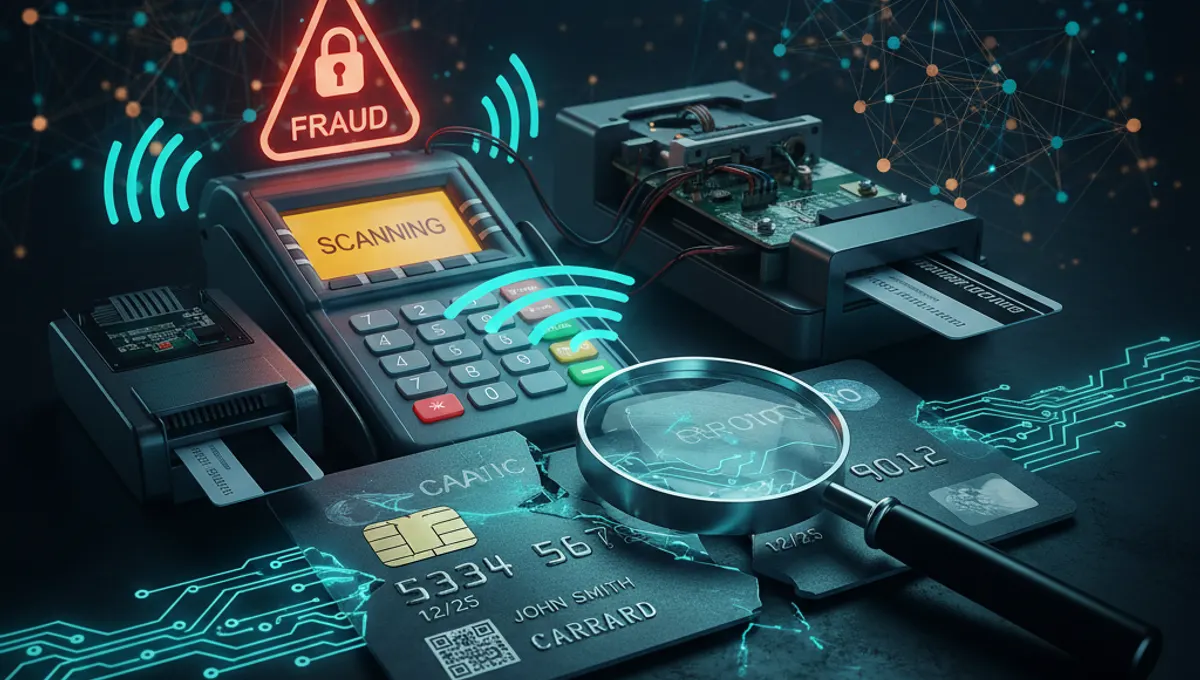
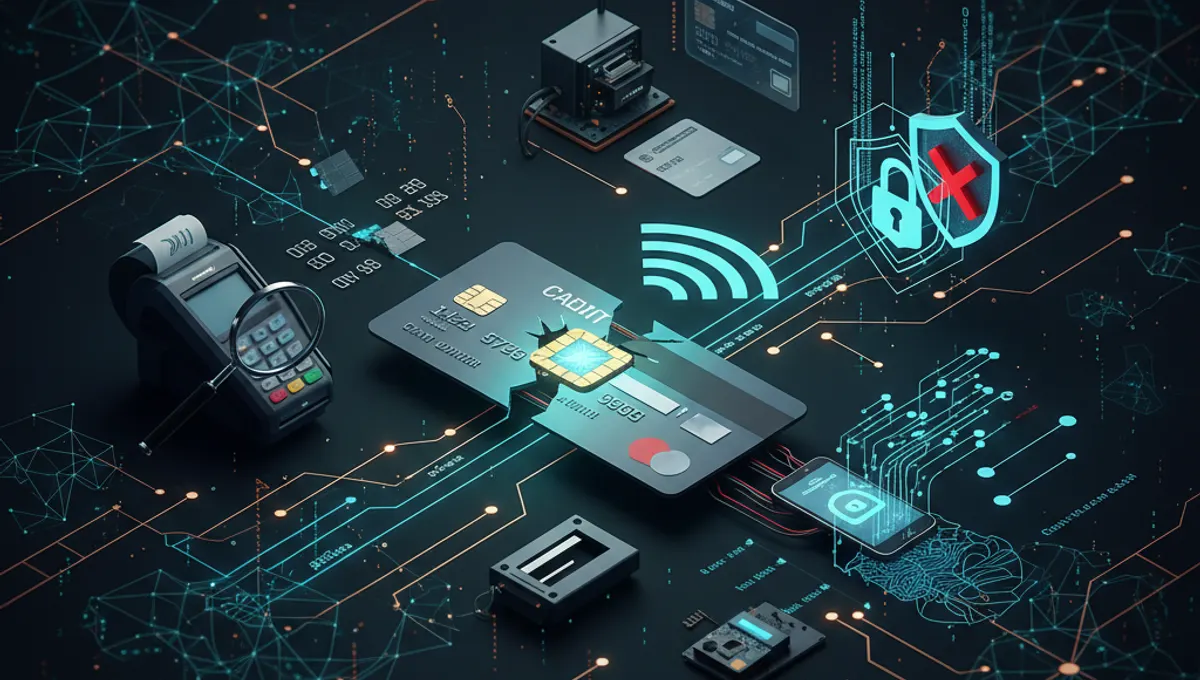
A fake card skimmer is a physical or wireless device that intercepts card information during a transaction. Skimmers work by reading the magnetic stripe on the back of a card or, in some cases, attempting to read EMV chip data. The device stores this information or transmits it wirelessly to a nearby receiver. Shimming, a related technique, involves inserting a thin device into a card slot to read chip data. Magnetic stripe skimmers remain common because older systems still rely on this technology. The captured data typically includes the cardholder's name, card number, and expiration date. Some advanced skimmers also capture PIN information through hidden keypads. This stolen data is then used to create cloned cards or sold to other criminals on dark web marketplaces.
Where Fake Card Skimmers Are Typically Installed
Fake card skimmers are most commonly found at ATMs, gas station pumps, and self-checkout terminals. ATM skimmers are often placed on the card slot or attached to the front of the machine to capture data as cards are inserted. Gas pump skimmers are installed inside or on top of the pump's card reader, making them difficult to detect without close inspection. Retail point-of-sale terminals can also be compromised, though this typically requires physical access by an employee or someone with inside knowledge. Some criminals use handheld card readers to skim data from cards in crowded locations. The placement strategy depends on the skimmer type and the criminal's access to the location. High-traffic areas with minimal surveillance are preferred targets.
How Cloned Cards Are Created and Sold on Dark Web Marketplaces
Once card data is captured by a skimmer, it enters an underground economy. Criminals encode the stolen information onto blank cards using specialized equipment, creating cloned cards that function like the originals. These cloned cards are then sold on dark web marketplaces, often in batches with additional information like CVV codes and PIN numbers. Buyers on these platforms use the cloned cards for fraudulent purchases, cash withdrawals, or resell them for profit. The dark web marketplace ecosystem operates through forums and specialized sites where vendors establish reputation through transaction history. Prices vary based on card type, available data, and the vendor's track record. Transactions typically occur using cryptocurrency to maintain anonymity. Some vendors offer guarantees or refunds if a card doesn't work, creating a pseudo-legitimate marketplace structure for illegal goods.
Legal Consequences of Possessing or Using Cloned Cards
Possession of cloned cards or card skimming devices carries serious criminal penalties that vary by jurisdiction. Charges typically fall into categories including fraud, identity theft, and device-based fraud. Fraud charges relate to the unauthorized use of financial information. Identity theft charges apply when personal information is stolen and misused. Device possession charges specifically address the creation or use of skimming equipment. Penalties depend on the jurisdiction, the number of cards involved, and the amount of money fraudulently obtained. Sentences can range from probation and fines to substantial prison time. Federal charges may apply if the fraud crosses state lines or involves multiple victims. Even first-time offenders face significant consequences, including restitution requirements and permanent criminal records. Conviction can result in deportation for non-citizens and restrictions on employment in financial sectors.
How to Detect Fake Card Skimmers at ATMs and Gas Pumps
Detecting a fake card skimmer requires visual inspection and awareness of common warning signs. Before using an ATM or gas pump, examine the card slot for loose, damaged, or misaligned parts. Skimmers often have a slightly different color, texture, or fit compared to the original device. Wiggle the card slot gently; a loose or wobbly reader may indicate a skimmer attachment. Check for hidden cameras or unusual objects near the keypad. Gas pump skimmers are sometimes visible as overlays on the card reader. Look for gaps between the pump's card slot and the reader itself. Avoid using machines that appear tampered with or damaged. Use ATMs in well-lit, monitored locations such as bank lobbies rather than standalone machines. Cover the keypad with your hand when entering your PIN to prevent hidden cameras from capturing it. Trust your instincts; if something feels off about a machine, use a different one.
Protecting Your Card: Tokenization, Alerts, and Virtual Cards
Modern payment technologies offer multiple layers of protection against skimming. Contactless payments and tokenization replace your actual card number with a unique token for each transaction, preventing skimmers from capturing usable data. Virtual card numbers, generated by your bank or payment provider, can be used for online purchases and expire after a single transaction or set period. Enable transaction alerts on your accounts to receive immediate notifications of any charges. Monitor your statements regularly for unauthorized activity. Use chip readers instead of magnetic stripe when available, as EMV chip technology is more difficult to clone than magnetic data. Consider using a dedicated card for online purchases separate from your primary card. RFID-blocking wallets provide minimal additional protection but may offer peace of mind. Two-factor authentication on your banking app adds security when checking balances or disputing charges. Limit the amount of information you carry on any single card.
What to Do If Your Card Information Has Been Compromised
If you discover unauthorized charges or suspect your card data has been stolen, contact your bank or card issuer immediately. Most financial institutions have fraud departments available 24/7. Report the specific unauthorized transactions and request a dispute. Your bank will typically issue a new card with a different number within 7-10 business days. Unauthorized charges are usually reversed within this timeframe, though the timeline depends on your bank's policies and the complexity of the dispute. Request a fraud alert or credit freeze with the credit bureaus to prevent new accounts from being opened in your name. Review your credit reports from all three bureaus for suspicious activity. Document all communications with your bank, including dates, times, and names of representatives. File a report with the Federal Trade Commission if identity theft is involved. Monitor your accounts closely for the next several months. Consider placing a security freeze on your credit to prevent unauthorized access.
Frequently asked questions
Can a fake card skimmer read EMV chip cards?
Most traditional skimmers cannot effectively read EMV chip cards because the chip technology uses encryption and one-time transaction codes. However, shimming devices can be inserted into chip slots to attempt data capture. Criminals typically focus on magnetic stripe data or use shimming as a secondary method. EMV technology significantly reduces skimming risk compared to older magnetic stripe systems.
How much does a cloned card cost on the dark web?
Cloned card prices vary based on card type, available data completeness, and vendor reputation. Prices depend on whether the card includes PIN information, CVV codes, and verification of recent successful use. Vendors with established track records typically charge more than new sellers. Prices fluctuate based on market demand and the volume of stolen data available.
What should I do if I find a skimmer on an ATM?
Do not attempt to remove the device yourself. Report it immediately to the bank that operates the ATM and to local law enforcement. Provide details about the location, time, and description of the suspicious device. Warn other customers if possible. The bank will investigate and secure the machine. Your report helps authorities track skimming operations and protect other customers.
Can contactless payments be skimmed?
Contactless payments use tokenization, which replaces your card number with a unique transaction code. This makes them significantly more resistant to skimming than magnetic stripe cards. However, the underlying card data could still be compromised if the card itself is skimmed through other means. Contactless technology provides strong protection against traditional skimming devices.
How long does it take to get a refund for fraudulent charges?
Most banks issue provisional credits within 1-3 business days of reporting fraud. A full investigation typically takes 10 business days, though complex cases may take up to 45 days. Your bank must complete the investigation and issue a final determination. During this period, you have access to the provisional credit. Keep documentation of all communications with your bank regarding the dispute.