What Is a Cloned Card and How Does EMV Chip Skimming Work
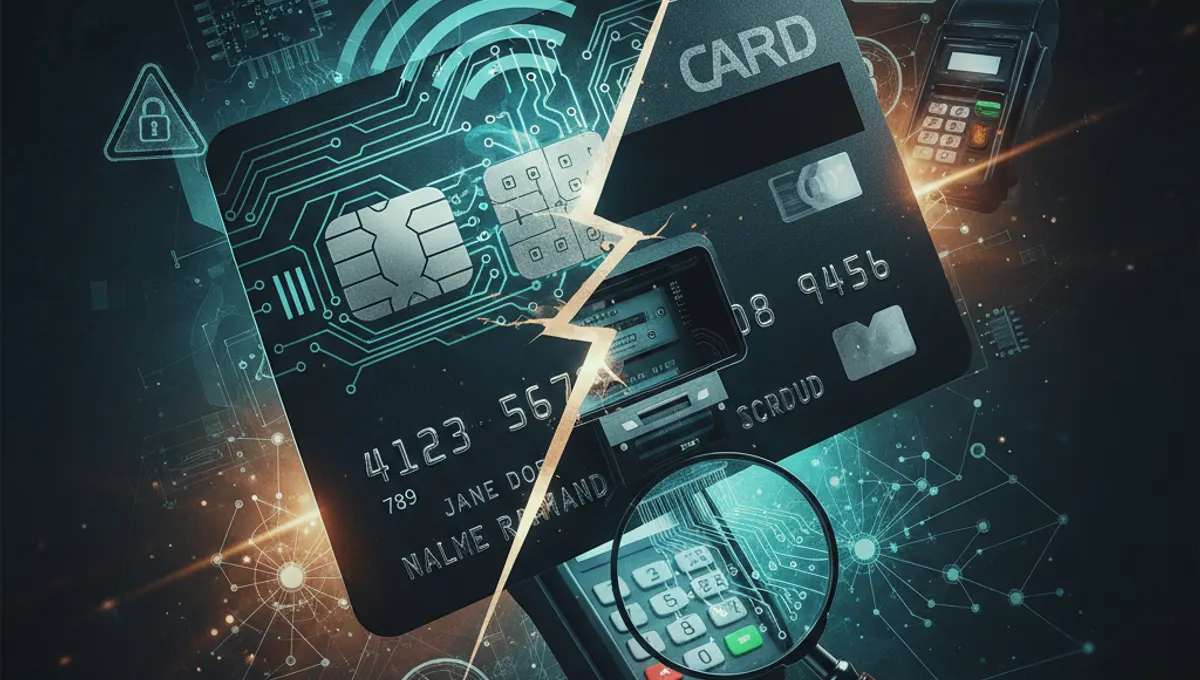
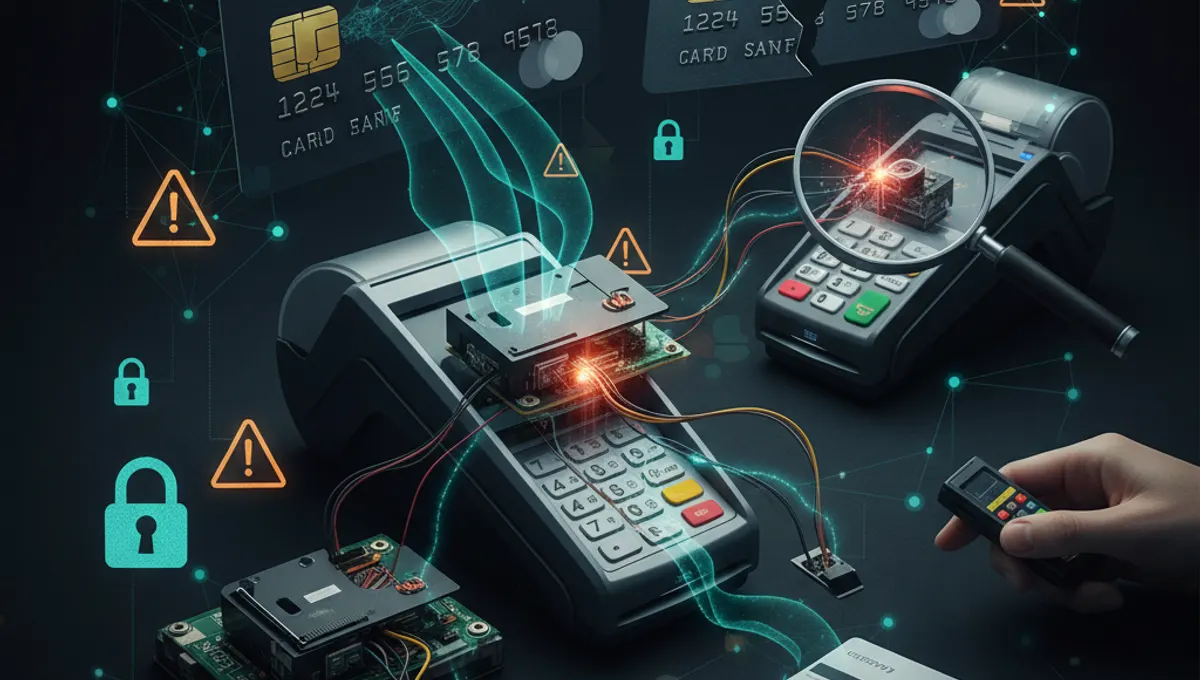
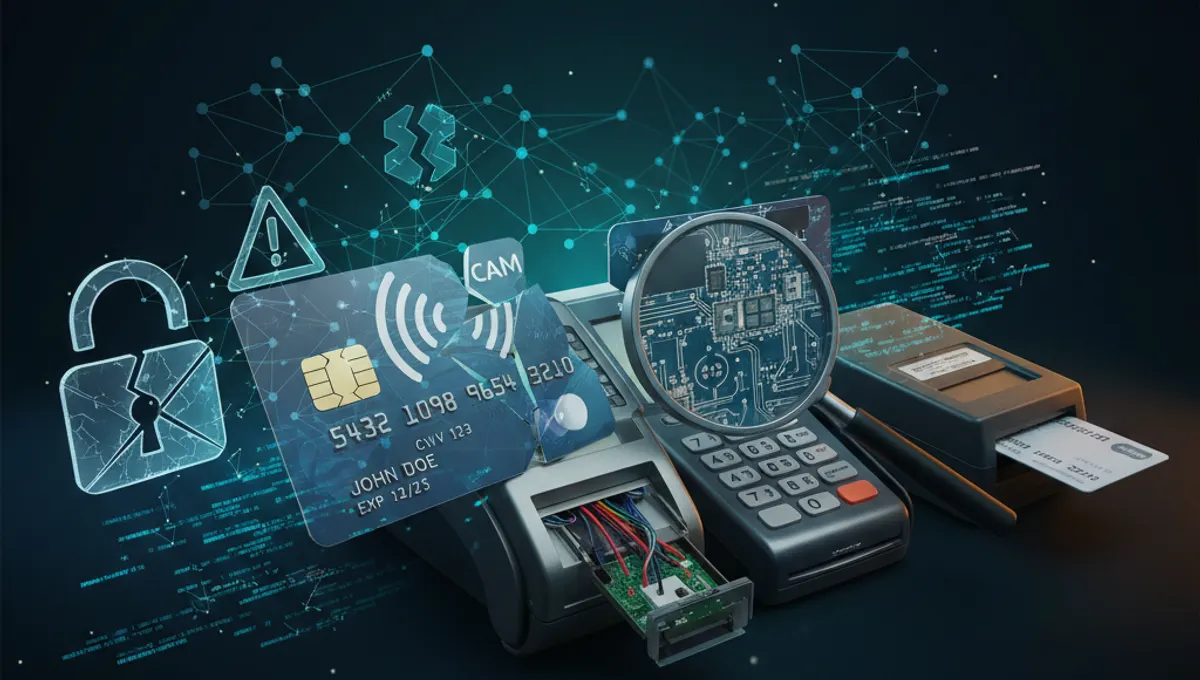
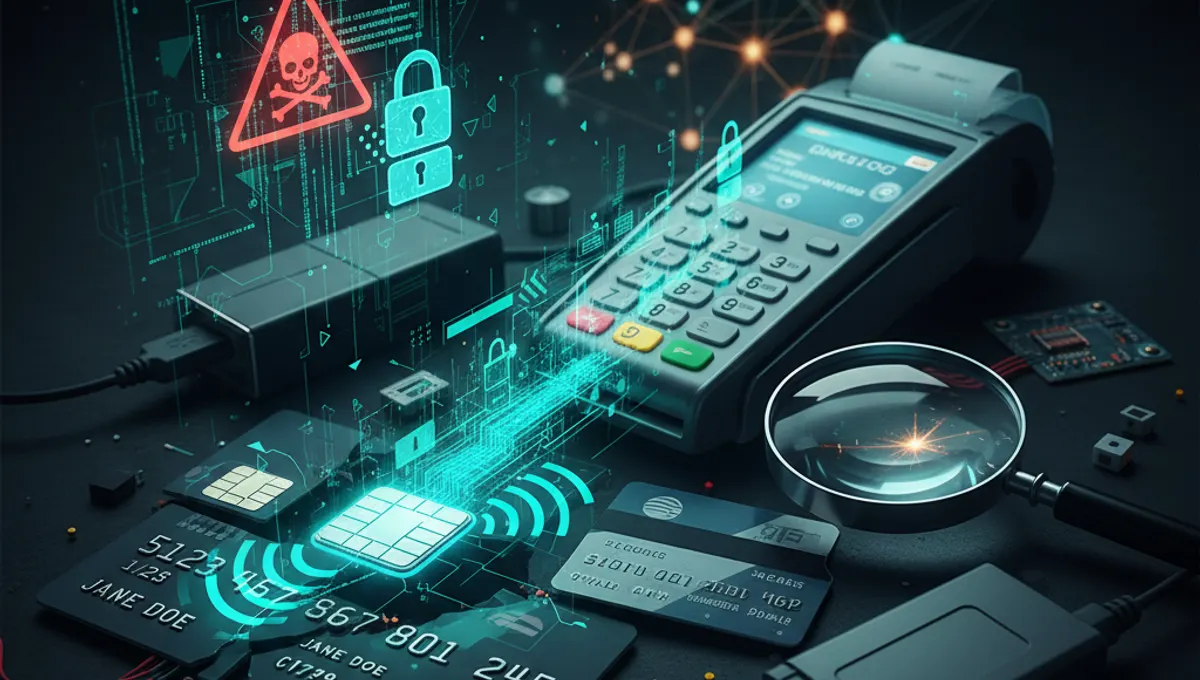
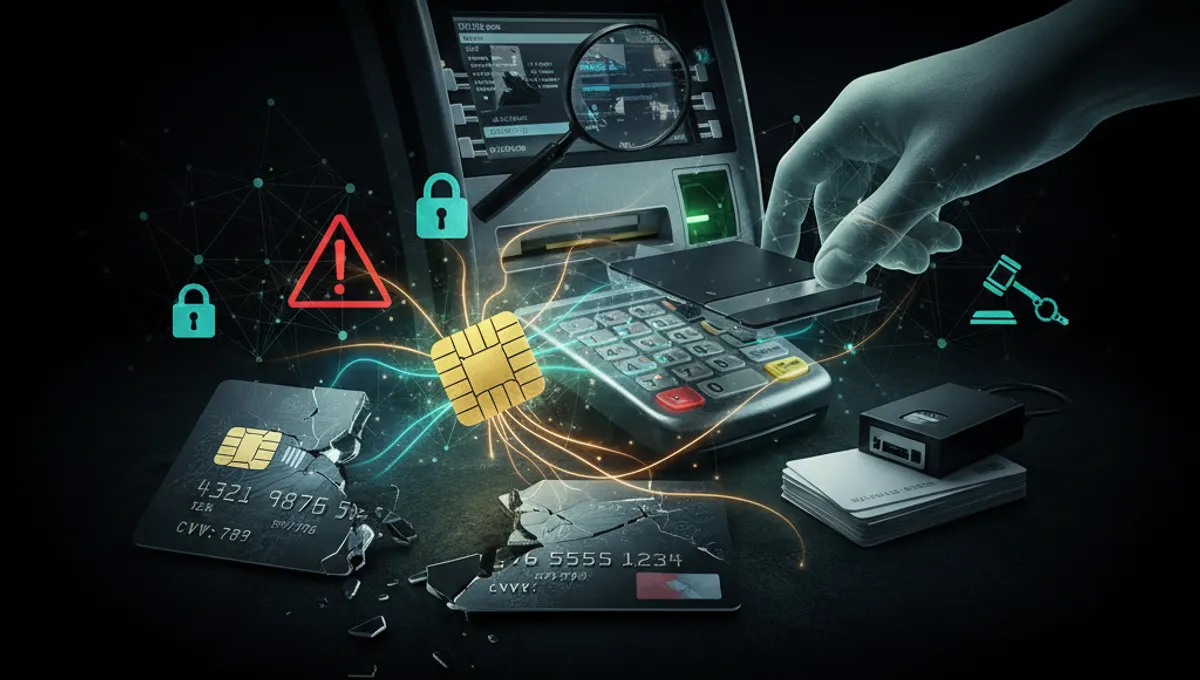
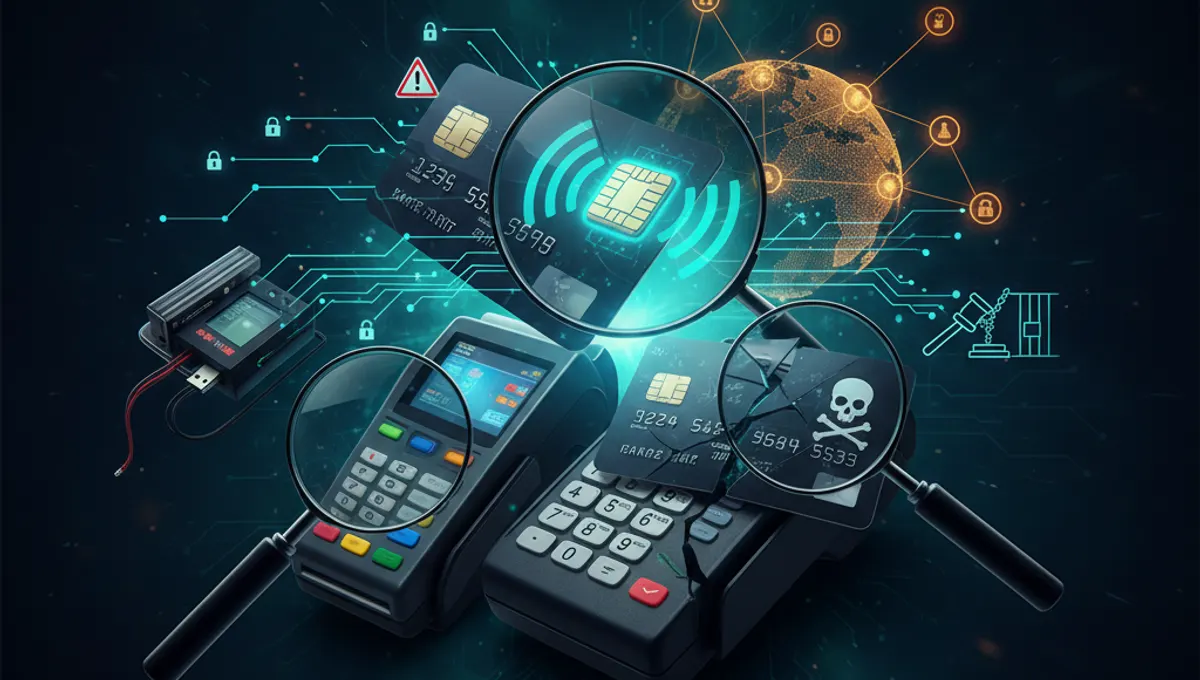
A cloned card is a duplicate payment card created from stolen data extracted from a legitimate card. EMV chip skimming captures information from the chip itself, while older methods targeted the magnetic stripe. Skimmers are placed on ATMs, gas pumps, or point-of-sale terminals to read card details when you insert or swipe your card. The data collected includes the card number, expiration date, and cardholder name. EMV chip cloning software processes this raw data to create a working copy. Shimming, a related technique, involves inserting a thin device into a card slot to intercept chip data before it reaches the legitimate reader. Some skimmers combine both chip and magnetic stripe capture to maximize the types of cards they can compromise. The cloned card can then be used for in-person purchases or sold on underground markets.
The Dark Web Cloned Card Sales Ecosystem
Cloned cards are bought and sold on dark web marketplaces where anonymity and cryptocurrency transactions dominate. Sellers list cards with details such as card type, balance estimates, and verification status. Buyers purchase cards in bulk or individually, often testing them on low-value transactions before larger fraud attempts. The ecosystem includes specialized vendors who operate card skimmer networks, data brokers who aggregate stolen payment information from breaches, and resellers who redistribute inventory. Prices vary based on card type, issuing country, and verification proof. Some marketplaces offer buyer protection guarantees or replacement policies if a card is declined. The supply chain relies on continuous skimming operations at retail locations, ATMs, and fuel pumps to replenish inventory. This underground commerce operates across multiple jurisdictions, making enforcement difficult for law enforcement agencies.
Legal Consequences of Card Cloning and Fraud
Possession of cloned cards or card skimming devices carries serious criminal penalties that vary by jurisdiction. Charges typically fall into categories including fraud, identity theft, and device-based fraud. In the United States, federal wire fraud statutes can apply to card fraud schemes, with penalties depending on the amount involved and the number of victims. State laws also prosecute unauthorized use of payment cards and possession of skimming equipment. International jurisdictions have similar frameworks; for example, the UK treats card fraud under the Fraud Act 2006. Penalties range from fines to imprisonment, with sentences often increasing based on the value of fraud, number of victims, and whether the offense is a first or repeat violation. Using a cloned card, even once, constitutes fraud and can result in felony charges. Selling or distributing cloned cards or skimming devices elevates charges to trafficking or conspiracy. The specific consequences depend on local statutes, prosecutorial discretion, and individual case circumstances.
How Card Cloning and Fraud Transactions Occur on Dark Web Marketplaces
Dark web marketplaces operate as forums or storefronts where vendors list cloned cards with full payment details and CVV codes. Buyers use cryptocurrency, typically Bitcoin or Monero, to purchase cards while maintaining pseudonymity through Tor browsers and VPN services. Transactions are often conducted through escrow systems where the marketplace holds funds until the buyer confirms receipt and card validity. Vendors may provide track data, PIN codes, or spin codes that enable fraudulent transactions at physical terminals or online retailers. Some sellers offer guarantees, replacing cards that decline within a specified period. Buyers test cards on small purchases before attempting larger fraud. The marketplace infrastructure includes reputation systems, dispute resolution, and vendor verification to build trust within the criminal community. Law enforcement agencies monitor these marketplaces, but the decentralized nature and constant migration of sites complicate enforcement efforts.
How to Detect EMV Chip Skimmers and Protect Your Card
Detecting a chip card skimmer requires visual inspection and awareness of payment terminal condition. Look for loose, misaligned, or protruding card readers on ATMs, gas pumps, and checkout terminals. Check for hidden cameras near PIN pads that could capture your entry. Wiggle the card slot gently; legitimate readers are firmly attached. Use contactless or tokenized payments when available, as these methods do not transmit full card data. Enable transaction alerts through your bank's mobile app to receive notifications of purchases in real time. Consider using virtual card numbers for online purchases, which generate temporary card details that cannot be reused. Block your card immediately if you suspect compromise. Regularly review bank statements for unauthorized charges. When entering your PIN, shield the pad with your hand to prevent observation. Avoid using ATMs in isolated locations or those showing signs of tampering. Request chip readers over magnetic stripe when possible, as chip technology provides better encryption.
What to Do If Your Card Information Is Compromised
If you detect fraudulent charges or suspect your card data has been stolen, contact your card issuer immediately. Most banks allow you to report fraud through their customer service line, mobile app, or online portal. Request that your card be cancelled and a replacement issued. File a dispute for each unauthorized transaction; the issuer will investigate and typically issue a provisional credit within 10 business days. Federal regulations in many jurisdictions limit your liability for fraudulent charges to a small amount if reported promptly. Keep detailed records of all communications with your bank, including dates, times, and representative names. Request a copy of the fraud investigation report for your records. Monitor your credit report through official channels to detect identity theft or new accounts opened in your name. Place a fraud alert or credit freeze with credit bureaus if necessary. Review your account activity regularly for several months after the incident. If the fraud involved a data breach, the affected company may offer credit monitoring services.
Verified Resources for Card Fraud Information and Support
For authoritative guidance on card fraud prevention and reporting, consult official resources from your financial institution, national banking regulators, and law enforcement agencies. Your bank's website provides detailed fraud prevention tips and dispute procedures specific to your account type. Government consumer protection agencies publish resources on recognizing and reporting payment card fraud. Law enforcement agencies maintain public information on emerging fraud trends and prevention strategies. Credit bureaus offer official fraud alert and credit freeze services. Organizations focused on consumer financial security provide educational materials on skimming detection and card protection. When seeking additional information about verified websites and resources for card fraud prevention, consult our directory of trusted financial security platforms and official government resources.
Frequently asked questions
Can EMV chip cards be skimmed like magnetic stripe cards
EMV chip cards use encryption that makes them more difficult to clone than magnetic stripe cards, but specialized skimmers and shimming devices can still capture chip data. The chip's encryption protects data during transmission, but if the raw data is intercepted before encryption, it can be compromised. Combination skimmers that target both chip and magnetic stripe increase the risk. Contactless and tokenized payments provide additional protection beyond standard chip technology.
How much does a cloned card cost on the dark web
Cloned card prices on dark web marketplaces vary based on card type, issuing country, available balance, and verification status. Prices typically range from low amounts for unverified cards to higher amounts for verified cards with confirmed balances. Bulk purchases often receive discounts. Sellers may offer guarantees or replacement policies if cards decline, affecting the price. Cryptocurrency is the standard payment method. Prices fluctuate based on supply, demand, and the reputation of the vendor.
What is the difference between card skimming and shimming
Card skimming uses external devices placed over card slots to read data as cards are swiped or inserted. Shimming involves inserting a thin device inside the card slot itself to intercept chip data before it reaches the legitimate reader. Shimming is more difficult to detect visually because the device is hidden inside the terminal. Both methods capture payment card information for cloning purposes. Shimming specifically targets EMV chip cards, while skimming can work on magnetic stripe or chip cards depending on the device design.
What should I do if I find a card skimmer on an ATM or gas pump
If you discover a suspected skimmer, do not attempt to remove it yourself. Notify the business or financial institution that operates the terminal immediately. Contact local law enforcement to report the device. Warn other customers if possible. If you used the compromised terminal, contact your bank to report potential fraud and request card cancellation. Monitor your account for unauthorized transactions. File a dispute for any fraudulent charges. Consider placing a fraud alert with credit bureaus if your personal information may have been compromised.
Are virtual card numbers safe from EMV chip skimmers
Virtual card numbers provide protection against skimming because they generate temporary payment details that cannot be reused for subsequent transactions. If a virtual card number is compromised, the thief cannot use it again because it expires after one transaction or a set time period. Virtual cards are typically used for online purchases rather than in-person transactions, reducing exposure to physical skimmers. However, they do not protect against data breaches at the merchant level or social engineering attacks. Virtual cards work best as one layer of a comprehensive fraud prevention strategy.