What Is a Cloned Card and How Does EMV Chip Cloning Differ from Magnetic Stripe Cloning
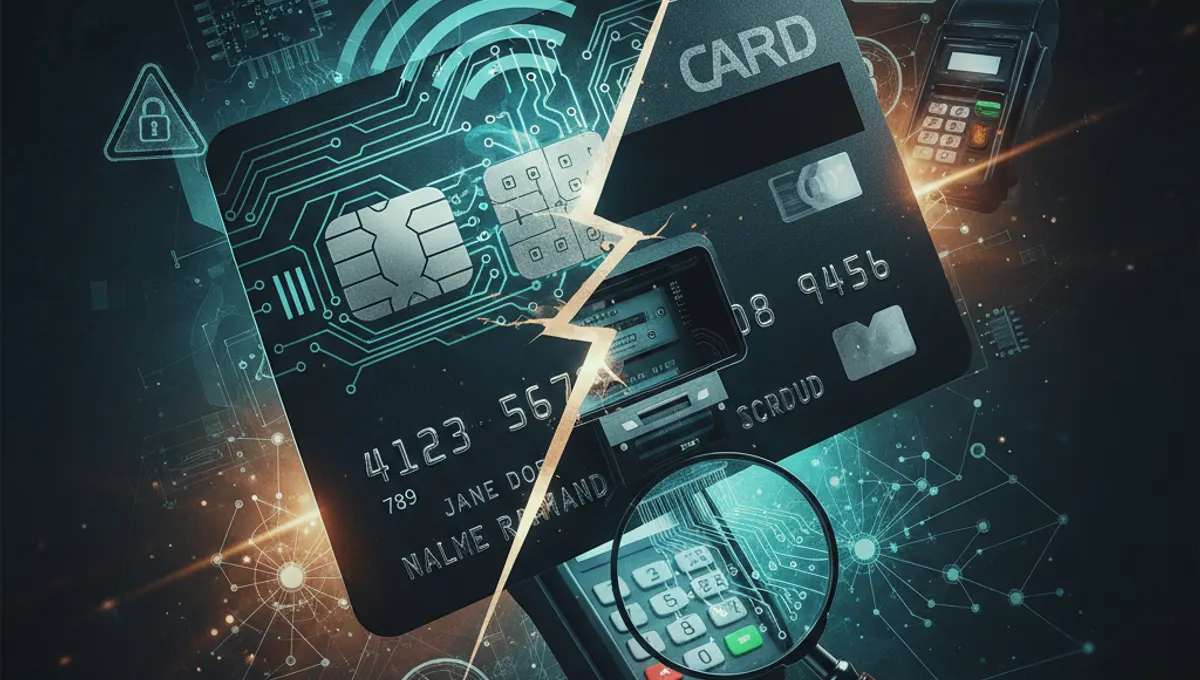
A cloned card is a counterfeit duplicate created by copying authentication data from a legitimate card. EMV chip cloning software targets the encrypted information stored on chip cards, which is more complex than magnetic stripe cloning. Magnetic stripe cards store static data that is easier to copy; EMV chips use dynamic cryptography that changes with each transaction. However, EMV cloning software can extract the chip's static data—including the card number, expiration date, and cryptogram values—and replicate it onto blank cards or modify existing cards. Shimming devices physically insert into card readers to intercept chip data before encryption occurs. Data breaches and leaked card databases also provide raw card information that cloning software can process into usable cloned cards without needing physical access to the original.
How EMV Chip Skimmers and Cloning Software Work Together in Card Theft
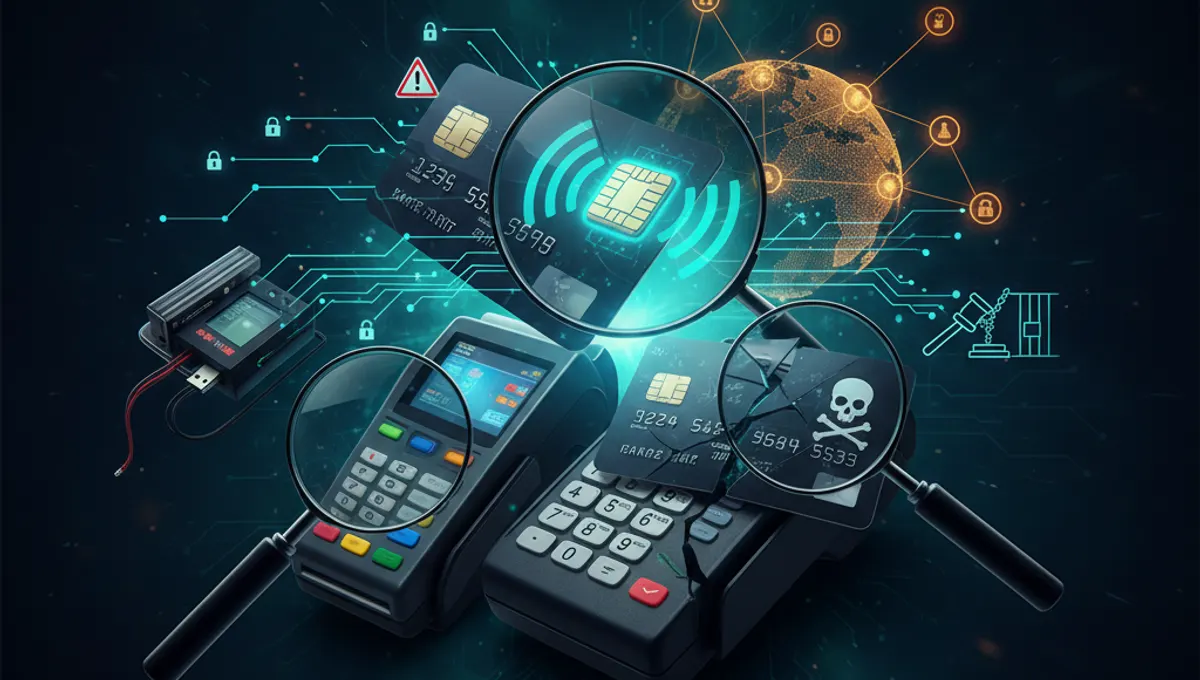
EMV chip skimmers are physical devices installed on payment terminals, ATMs, or gas pumps that capture card data when inserted. The skimmer reads the chip's information and transmits it wirelessly or stores it for later retrieval. This stolen data is then processed through EMV cloning software, which extracts the relevant authentication elements and prepares them for encoding onto blank cards or modifying existing cards. The software handles the technical conversion of raw chip data into a format that can be written to new cards. Some skimmers also capture PIN data through overlay keypads, which the cloning software can use to create fully functional counterfeit cards. The entire process—from physical skimming to software processing to card creation—forms a complete fraud pipeline that operates across multiple stages and locations.
The Dark Web Cloned Card Marketplace: How Cards Are Bought and Sold
Cloned cards with spin codes and full authentication data are sold on dark web marketplaces through specialized vendor accounts and escrow systems. Sellers list cards by type (Visa, Mastercard, American Express), card level (standard, gold, platinum), and balance range, often with verification samples showing recent transaction success. Buyers access these marketplaces using Tor browsers and cryptocurrency for payment, typically Bitcoin or Monero. Prices vary based on card freshness, reported balance, and seller reputation; cards are often sold in bulk lots. The marketplace ecosystem includes middlemen who aggregate cards from multiple skimming operations, software developers who create and update cloning tools, and logistics operators who coordinate physical card production and shipping. Escrow systems hold cryptocurrency until the buyer confirms card functionality, and vendor ratings reflect transaction success rates. Law enforcement agencies monitor these marketplaces, but the decentralized nature and constant marketplace migration make enforcement difficult.
Legal Consequences of Possessing, Using, or Selling Cloned Cards
Possession of cloned cards or EMV cloning software is prosecuted under multiple criminal statutes depending on jurisdiction. Charges typically include access device fraud (unauthorized possession of card data or counterfeit cards), identity theft (using another person's information), wire fraud (using electronic communications to execute fraud), and conspiracy. In the United States, federal law treats unauthorized access device possession as a felony with penalties varying by case specifics and prior record. Using a cloned card to make purchases constitutes fraud and can result in additional charges for each transaction. Selling cloned cards or cloning software is treated as trafficking in counterfeit access devices, which carries enhanced penalties. Specific penalty ranges depend on the jurisdiction, the number of cards involved, the total fraud amount, and whether the offense is prosecuted at state or federal level. International prosecutions vary significantly; some countries impose mandatory minimum sentences while others allow judicial discretion. Conviction can result in imprisonment, substantial fines, restitution to victims, and a permanent criminal record affecting employment and housing.
How to Detect Card Skimmers and Protect Against EMV Chip Cloning
Physical inspection of payment terminals can reveal skimmers; look for loose, misaligned, or protruding card readers, unusual attachments, or keypads that feel different from surrounding equipment. Test the card slot by gently pulling on the reader before inserting your card. Cover the keypad when entering your PIN to prevent overlay skimmers from capturing it. Use contactless payment methods (tap or mobile wallet) when available, as they use tokenization—a system that generates unique transaction codes rather than transmitting actual card data. Enable transaction alerts through your bank's app or SMS to receive immediate notifications of card activity. Consider using virtual card numbers generated by your bank or payment provider for online purchases; these single-use numbers cannot be reused if compromised. Request chip-enabled cards from your issuer and always insert the chip rather than swiping the magnetic stripe. Monitor your credit reports regularly through official channels and place fraud alerts or credit freezes if you suspect compromise. Use ATMs in well-lit, monitored locations such as bank branches rather than standalone machines in remote areas.
What to Do If Your Card Information Has Been Compromised or You Detect Fraud
Contact your card issuer immediately upon discovering fraudulent charges or suspected compromise. Most banks have 24/7 fraud departments accessible through the number on your card's back. Report the specific fraudulent transactions and request a dispute. The issuer will typically cancel your current card and issue a replacement within 5-10 business days. Under consumer protection regulations in most jurisdictions, you are not liable for unauthorized charges if reported promptly; the bank absorbs the loss. File a dispute claim with your issuer in writing if the fraud is not resolved verbally; include transaction dates, amounts, and merchant names. Request a copy of the dispute investigation results. If your personal information was compromised in a data breach, monitor your credit reports for unauthorized accounts opened in your name. Place a fraud alert with credit bureaus to prevent new accounts from being opened without verification. Consider a credit freeze, which restricts access to your credit file and prevents new credit from being issued without your explicit authorization. Document all communications with your bank and credit bureaus in case you need to escalate the matter.
Why Cloned Cards Remain Available on Dark Web Marketplaces Despite Law Enforcement
Dark web marketplaces for cloned cards persist because of the technical difficulty in shutting down distributed networks, the constant creation of new marketplace mirrors, and the profitability of the operation. Law enforcement agencies conduct investigations and takedowns, but the decentralized structure means new marketplaces emerge quickly after older ones are seized. Cryptocurrency transactions provide a layer of anonymity that complicates financial tracing, though blockchain analysis has improved law enforcement capabilities. The global nature of the dark web means jurisdiction issues complicate prosecution; a marketplace operator in one country may serve customers in dozens of others. Vendor reputation systems and escrow mechanisms create trust in an inherently untrustworthy environment, encouraging repeat transactions. The low barrier to entry for buyers—requiring only a Tor browser and cryptocurrency—creates sustained demand. However, purchasing cloned cards carries significant personal legal risk; buyers are subject to the same fraud and access device statutes as sellers, and law enforcement agencies actively pursue both sides of the transaction.
Frequently asked questions
Can EMV chip cloning software clone any chip card?
EMV cloning software can extract static data from chip cards, but modern EMV systems use dynamic cryptography that changes per transaction, making cloned cards detectable at many merchants. However, older or poorly implemented systems remain vulnerable. Shimming devices that intercept data before encryption are more effective than software-only approaches. The success of a cloned card depends on the merchant's verification level and the card issuer's fraud detection systems.
What is the difference between a skimmer and cloning software?
A skimmer is a physical device that captures card data from payment terminals or ATMs. Cloning software is the tool that processes that stolen data and prepares it for encoding onto new cards or modifying existing cards. Skimmers collect the raw information; cloning software transforms it into usable counterfeit cards. Both are necessary components of the complete card fraud operation.
How long does it take for a bank to refund fraudulent charges?
Most banks issue provisional credits within 1-3 business days of filing a dispute, allowing you to use the funds while the investigation proceeds. The formal investigation typically concludes within 30-60 days, after which the credit becomes permanent if fraud is confirmed. Some banks process refunds faster for obvious cases. Contact your issuer for specific timelines, as policies vary by institution.
Are virtual card numbers completely safe from cloning?
Virtual card numbers are significantly safer because they are single-use or limited-use tokens that cannot be reused if intercepted. Even if a virtual number is compromised, it cannot be used for additional transactions. However, they do not protect against fraud during the initial transaction if the merchant's system is compromised. They are most effective for online purchases from untrusted merchants.
What happens if I accidentally buy a cloned card online?
Purchasing cloned cards is illegal in most jurisdictions and constitutes access device fraud. Possession alone can result in criminal charges regardless of intent. If you suspect you have purchased a cloned card, do not use it and consult with a criminal defense attorney immediately. Law enforcement agencies monitor dark web marketplaces and can identify buyers through transaction analysis and undercover operations.