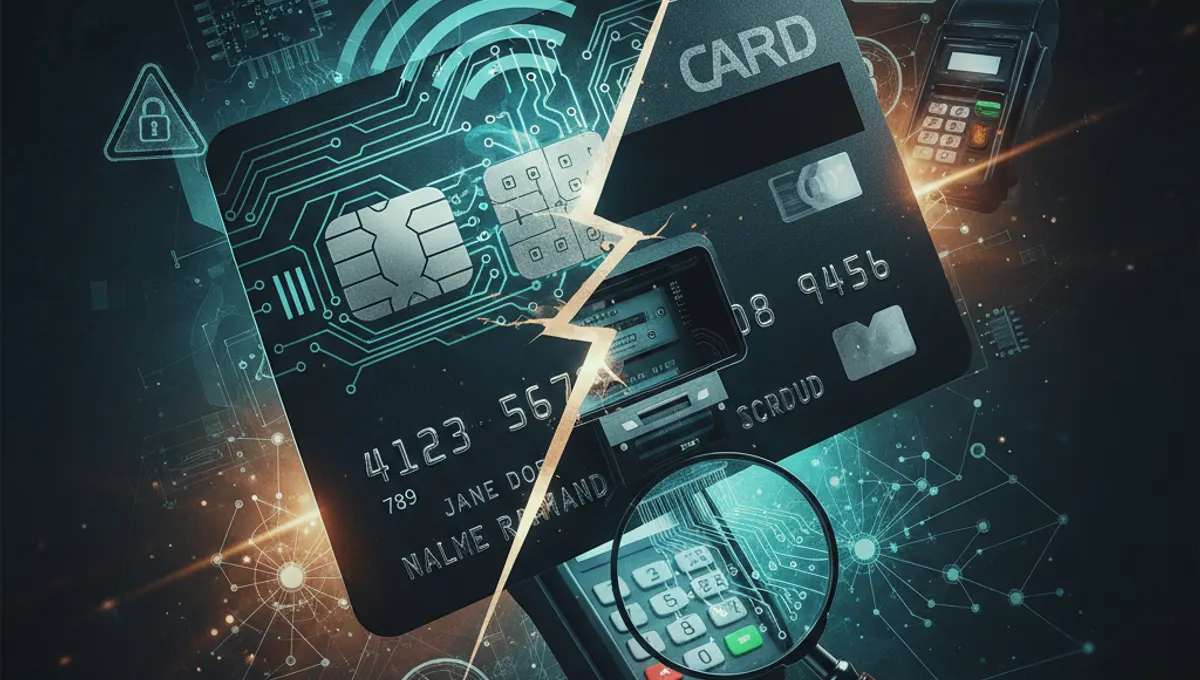
What Is EMV Chip Card Cloning and How Does It Differ from Magnetic Stripe Cloning
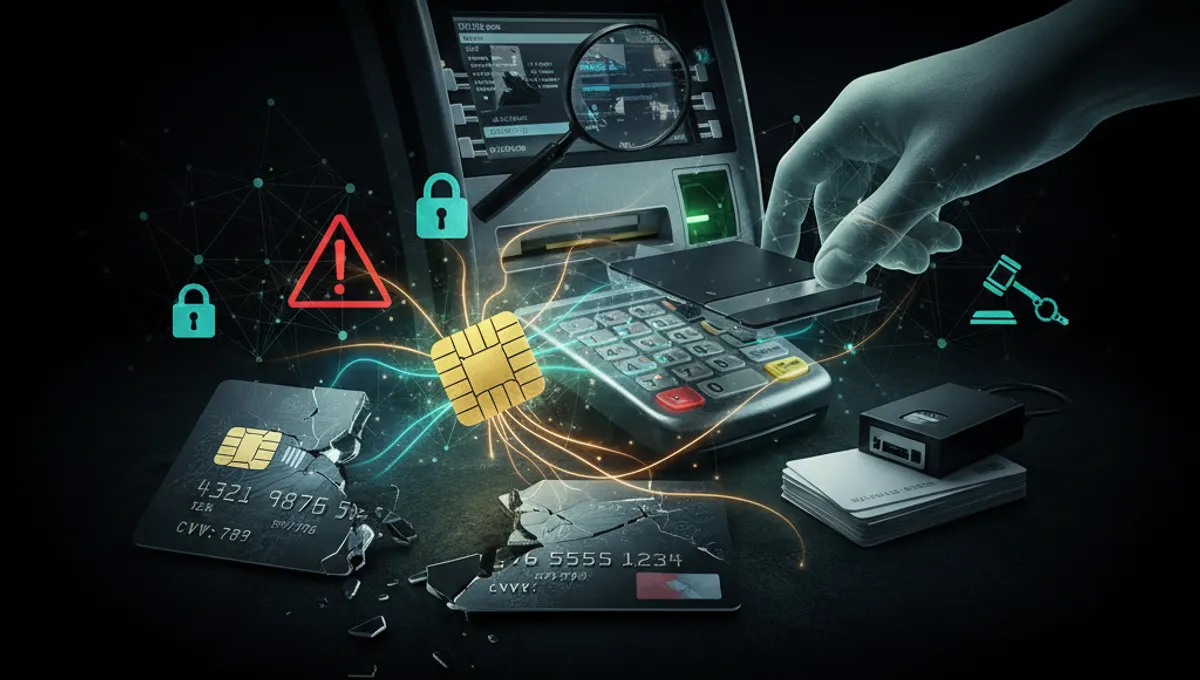
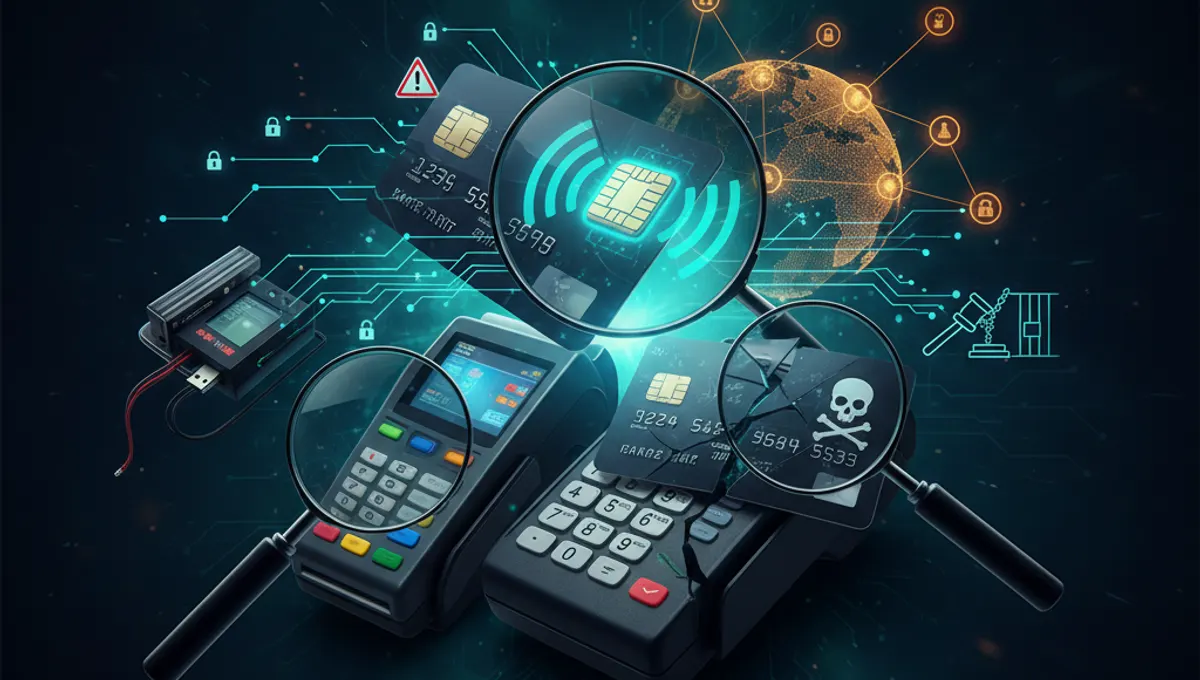
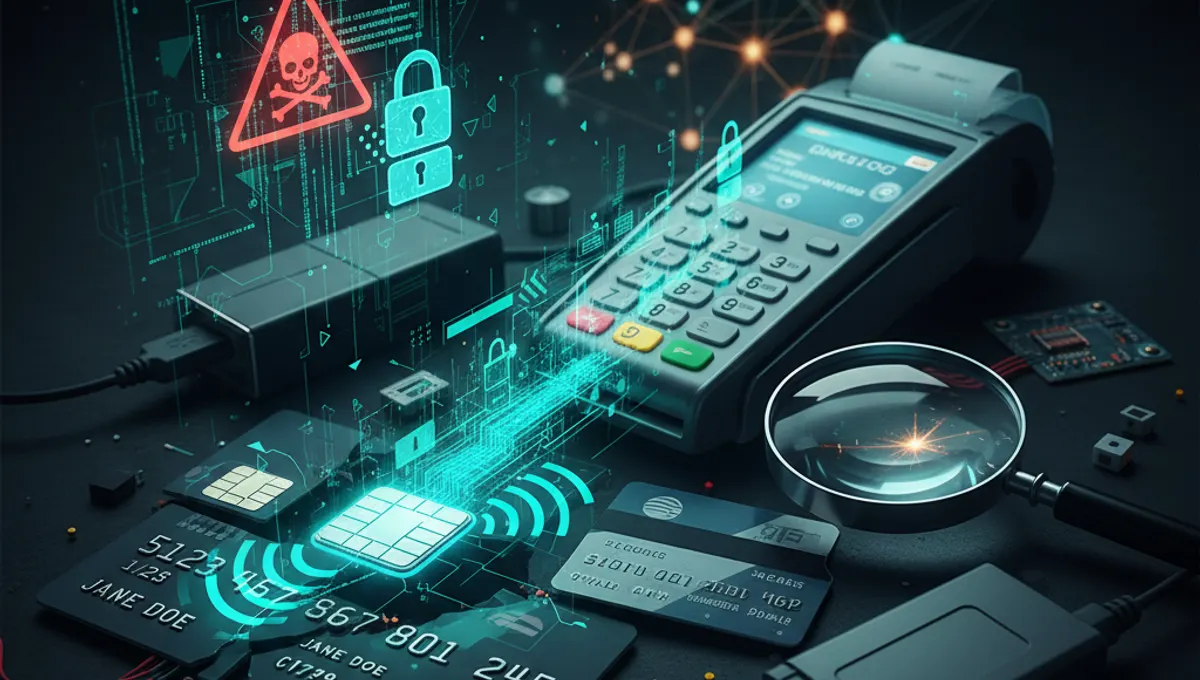
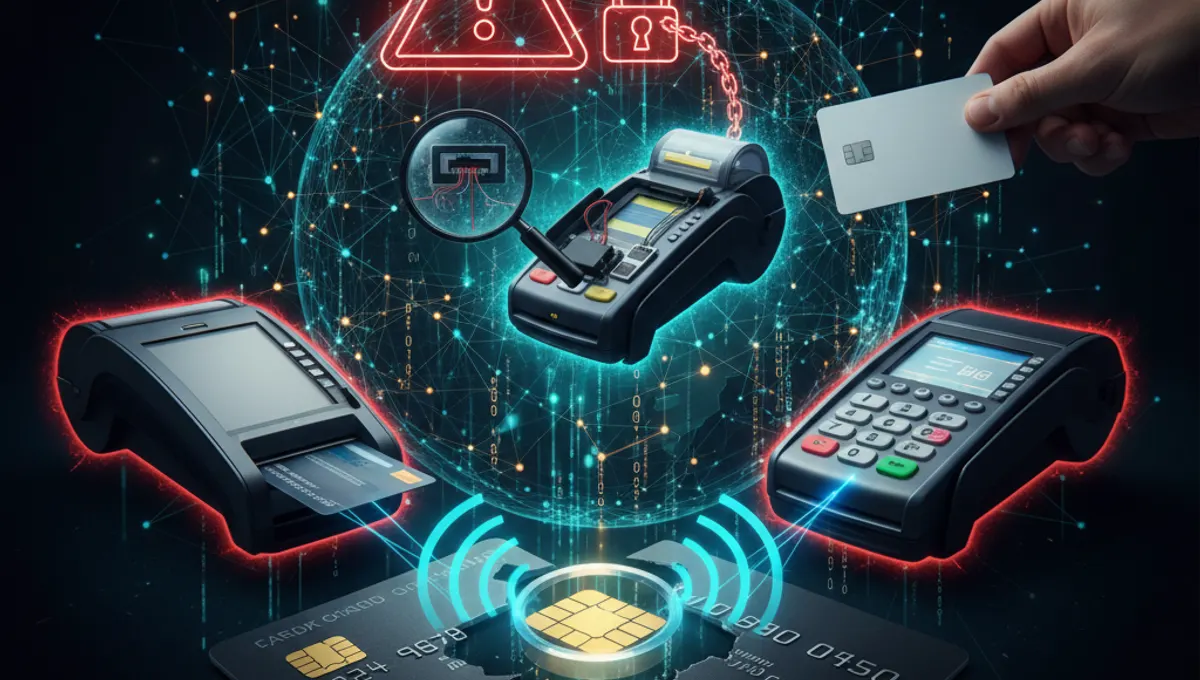
EMV chip card cloning involves extracting data from an EMV-enabled chip and replicating it onto another card or device. The EMV (Europay, Mastercard, Visa) standard uses encrypted, dynamic data that changes with each transaction, unlike the static magnetic stripe data used in older card fraud methods. Cloning an EMV chip requires specialized emv chip cloning software and hardware capable of reading and writing to chip cards. Magnetic stripe cloning, by contrast, copies fixed data from the card's magnetic stripe and is simpler to execute. EMV chip skimmers and shimming devices are used to intercept chip data at point-of-sale terminals or ATMs. The data obtained through skimming can come from physical card interception, data breaches, or leaked databases containing card information. Once cloned, the card can be used for in-person transactions or converted into a virtual payment method.
How Card Cloning Equipment and Software Enable Chip Replication
Card cloning equipment includes devices capable of reading EMV chips and writing data to blank cards or programmable card devices. EMV chip cloning software processes the extracted chip data and formats it for replication. These tools range from basic readers to sophisticated emv chip skimmer devices that intercept data during legitimate transactions. Chip card cloning typically requires knowledge of the card's PIN, CVV, and expiration date, though some cloning methods bypass certain security layers. The equipment is sourced through underground markets and specialized vendors. Once a card is cloned, it can be used at merchants that do not properly validate chip authentication or at terminals that fall back to magnetic stripe reading. Card cloning equipment guides and tutorials circulate in forums and marketplaces, detailing the technical steps required to clone cards with chip and pin protection.
The Dark Web Marketplace Ecosystem for Cloned Cards and Spin Codes
Cloned cards are bought and sold on dark web marketplaces through specialized vendors and carding forums. These marketplaces operate as hidden services accessible via Tor or similar anonymity networks. Sellers list cloned cards with details including card type, issuing bank, balance information, and validity period. Spin codes, also called refreshed or updated card data, are sold separately to maintain card functionality as issuers update security measures. Buyers typically pay in cryptocurrency to maintain transaction anonymity. The dark web carding ecosystem includes escrow services, vendor reputation systems, and dispute resolution mechanisms similar to legitimate e-commerce platforms. Prices vary based on card type, balance, and geographic origin. Bulk purchases of cloned card batches are common for organized fraud operations. Marketplaces frequently change addresses and rebrand to evade law enforcement. Transactions on these platforms carry significant risk of scams, law enforcement infiltration, and financial loss.
Legal Consequences of Possessing, Using, or Selling Cloned Cards
Possession of cloned cards or card cloning equipment is prosecuted under fraud, identity theft, and device-based fraud statutes that vary by jurisdiction. Using a cloned card constitutes credit card fraud and unauthorized access to financial accounts. Selling cloned cards is typically charged as conspiracy to commit fraud or trafficking in stolen financial instruments. Legal penalties depend on jurisdiction, the number of cards involved, and the amount defrauded. Charges may include federal wire fraud, identity theft under the Identity Theft and Assumption Deterrence Act, and violations of the Computer Fraud and Abuse Act. Convictions can result in imprisonment, substantial fines, restitution to victims, and civil liability. Organized carding operations face enhanced penalties and potential RICO charges. Possession of emv chip cloning software or card cloning equipment may be prosecuted separately as possession of fraud instruments. International prosecution is possible when cards cross borders or transactions involve multiple countries. Consult local legal resources for specific penalty ranges in your jurisdiction.
How to Detect Card Skimmers and Protect Against EMV Chip Cloning
Detecting card skimmers involves inspecting payment terminals for loose, misaligned, or unusual attachments before inserting your card. An emv chip skimmer may appear as a thin overlay on the card slot or a bulky device covering the legitimate reader. Physical inspection of gas pumps, ATMs, and point-of-sale terminals can reveal obvious tampering. Use contactless or tokenized payments when available, as these methods do not transmit full card data to merchants. Enable transaction alerts through your bank or card issuer to receive notifications of purchases in real time. Consider using virtual card numbers or single-use card tokens for online and in-person transactions. Monitor your credit reports regularly for unauthorized accounts opened in your name. Avoid using ATMs in isolated or poorly lit locations. Cover the keypad when entering your PIN to prevent shoulder surfing or hidden camera capture. Request chip-enabled cards from your issuer and use chip readers rather than magnetic stripe when available.
What to Do If Your Card Information Has Been Compromised or You Detect Fraud
Contact your card issuer immediately upon discovering unauthorized charges or suspected compromise. Most issuers offer fraud dispute processes that allow you to contest charges within a specified window, typically 60 days from the statement date. File a dispute with your card issuer in writing and provide documentation of the fraudulent transaction. Your issuer will investigate and issue a provisional credit while the dispute is pending, usually within 10 business days. Full resolution timelines vary but typically conclude within 30 to 90 days. Request a replacement card with a new number and expiration date. Place a fraud alert with the three major credit bureaus to prevent unauthorized credit applications. Consider placing a credit freeze to restrict access to your credit file. File a report with the Federal Trade Commission if identity theft is involved. Keep records of all communications with your issuer and credit bureaus. Monitor your accounts closely for additional fraudulent activity during and after the dispute process.
Understanding the Risks of Purchasing Cloned Cards on Dark Web Marketplaces
Purchasing cloned cards on dark web marketplaces exposes buyers to multiple legal and financial risks. Law enforcement agencies actively monitor dark web carding forums and conduct undercover operations targeting buyers and sellers. Transactions can be traced through blockchain analysis and cryptocurrency tracking despite anonymity efforts. Marketplace vendors frequently scam buyers by providing non-functional cards or taking payment without delivering goods. Cards may be reported as stolen before purchase, rendering them useless immediately. Using a cloned card constitutes federal fraud and can result in criminal prosecution, imprisonment, and substantial fines. Financial institutions employ sophisticated fraud detection systems that flag unusual spending patterns and geographic inconsistencies. Victims of cloned card fraud may face civil liability and restitution orders. Purchasing cloned cards creates a permanent digital record that can be discovered through law enforcement investigations. The dark web provides no legal protection or recourse for disputes or scams. Participation in the carding ecosystem establishes associations with organized crime networks and increases exposure to additional criminal activity.
Frequently asked questions
Can EMV chip cards be cloned as easily as magnetic stripe cards
EMV chip cards are significantly more difficult to clone than magnetic stripe cards because they use encrypted, dynamic data that changes with each transaction. However, specialized emv chip cloning software and hardware can still extract and replicate chip data, particularly if the cloner has access to the card's PIN and additional security information. Shimming devices can intercept chip data during legitimate transactions, making EMV cloning possible but more technically complex than older methods.
What is the difference between card skimming and card cloning
Card skimming is the process of capturing card data using a physical device or software, typically at a point-of-sale terminal or ATM. Card cloning is the subsequent step of replicating that captured data onto a blank card or device to create a functional duplicate. Skimming is the data collection phase, while cloning is the replication phase. An emv chip skimmer captures the data, and cloning software and equipment then reproduce it on a new card.
How do cloned cards get sold on the dark web
Cloned cards are sold on dark web marketplaces through vendor listings that include card details, balance information, and validity periods. Buyers and sellers communicate through encrypted channels and use cryptocurrency for payment to maintain anonymity. Marketplaces provide escrow services and reputation systems to facilitate transactions. Spin codes and updated card data are sold separately as cards are refreshed. Transactions occur entirely within hidden services accessible via Tor, though law enforcement actively monitors these platforms.
What are the criminal penalties for possessing or using a cloned card
Penalties for possessing or using cloned cards vary by jurisdiction but typically include charges for credit card fraud, identity theft, and unauthorized access to financial accounts. Convictions can result in imprisonment, substantial fines, restitution to victims, and civil liability. Federal charges may include wire fraud and Computer Fraud and Abuse Act violations. Organized carding operations face enhanced penalties and potential RICO charges. Consult local legal resources for specific penalty ranges in your jurisdiction.
How can I tell if an ATM or payment terminal has a skimmer device
Inspect the card slot and surrounding area for loose, misaligned, or unusual attachments before inserting your card. An emv chip skimmer may appear as a thin overlay on the card slot or a bulky device covering the legitimate reader. Check for signs of tampering, discoloration, or gaps between components. Use ATMs in well-lit, monitored locations such as bank branches. Cover the keypad when entering your PIN. When possible, use contactless or chip-based payments instead of swiping the magnetic stripe.