What Is a Deep Insert Skimmer and How Does It Differ from Other Skimming Methods
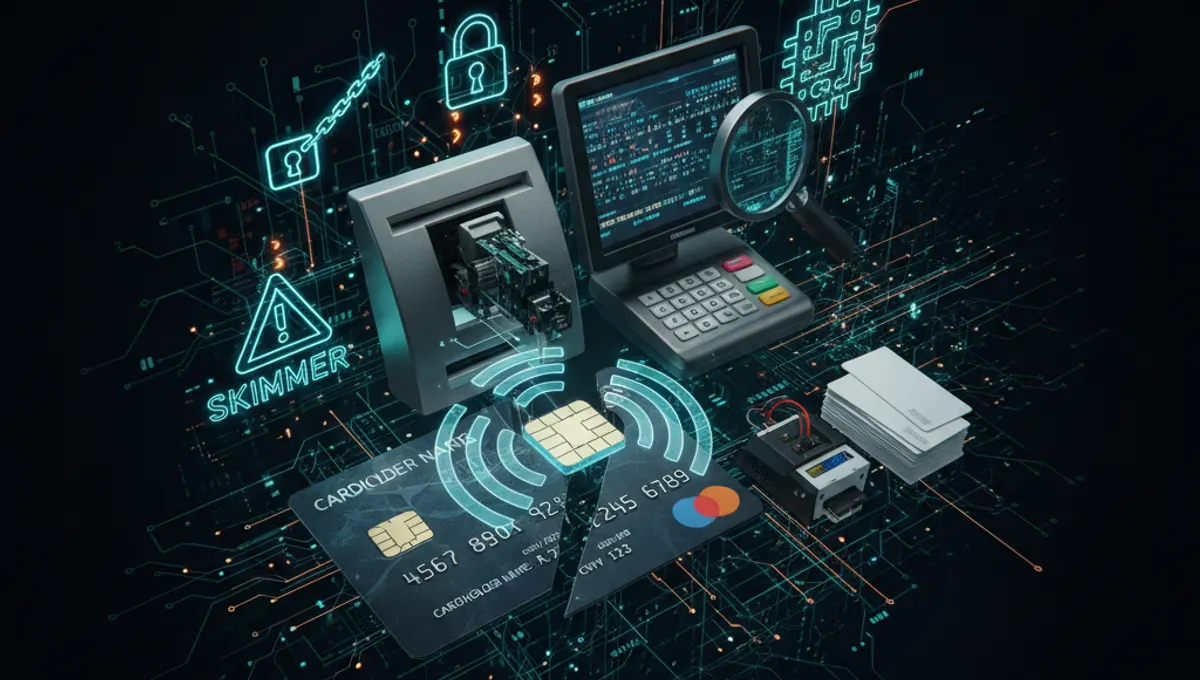
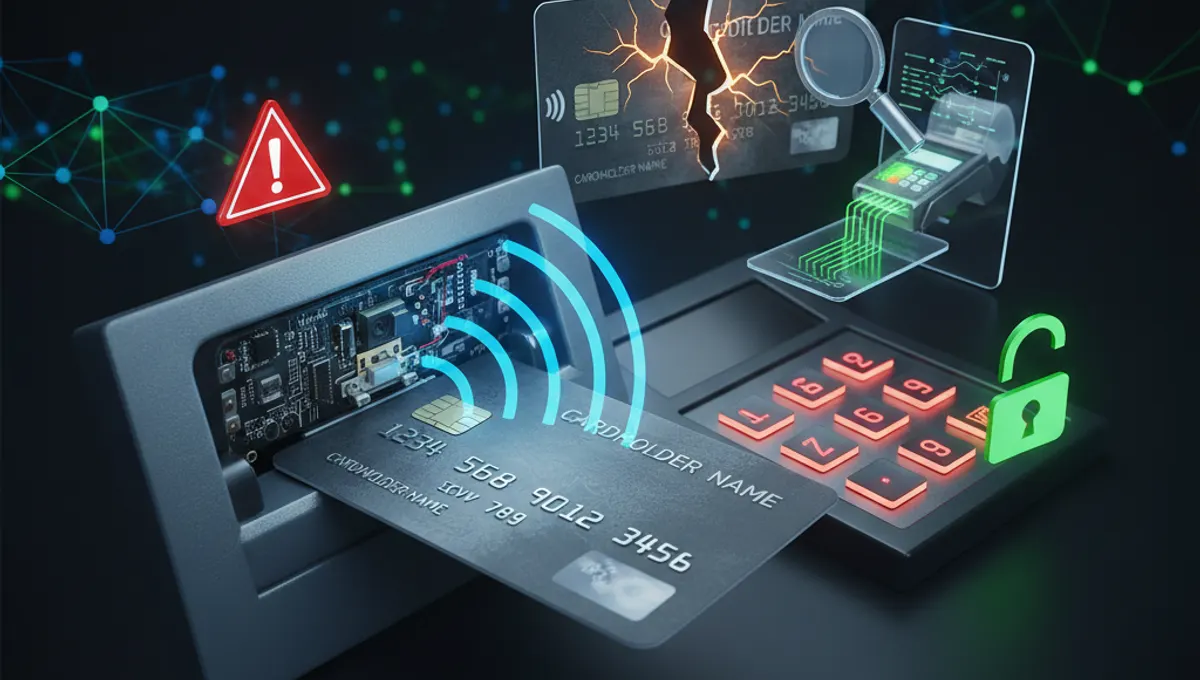
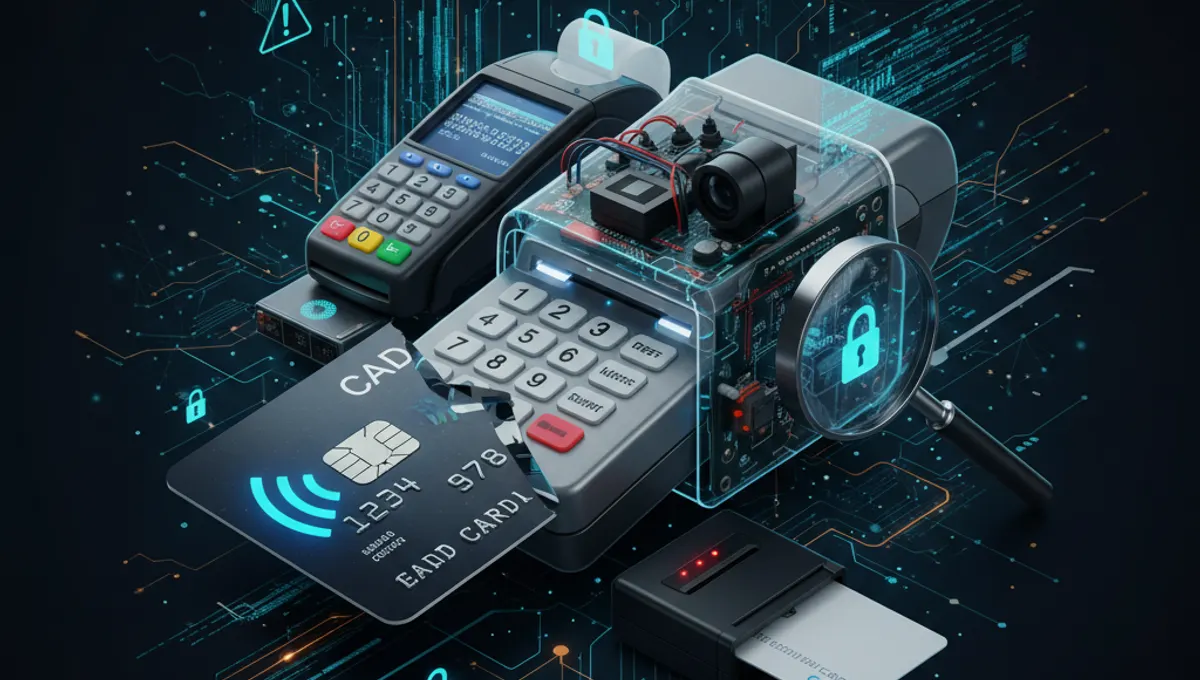
A deep insert skimmer is positioned inside the ATM's card acceptance slot rather than on the exterior. Unlike external skimmers that sit on top of card readers, deep insert devices are harder to detect visually because they are concealed within the machine itself. Deep insert ATM skimmers work by reading the magnetic stripe or EMV chip data as the card passes through the slot. The deep insert skimming process captures the card number, expiration date, and sometimes the cardholder's name. When paired with a PIN pad overlay or hidden camera, criminals obtain the complete data needed to clone the card. This method is particularly effective on NCR and other common ATM models because it integrates seamlessly with the machine's internal card path.
How Cloned Cards Are Created from Skimmed Data
Once a deep insert skimmer captures card data, the information is extracted and used to create cloned cards. The cloning process involves writing the stolen magnetic stripe data onto a blank card with a magnetic stripe writer, or in some cases, encoding EMV chip data onto a new card using specialized equipment. Cloned cards function like legitimate cards at point-of-sale terminals that do not verify the chip or require a PIN. The data stolen from skimmers includes the primary account number, expiration date, and sometimes the CVV, which is sufficient for online purchases or in-person transactions at merchants with weak verification systems. Shimming, another related technique, involves inserting a thin device into chip readers to intercept EMV data before it reaches the legitimate reader.
The Dark Web Cloned Card Sales Ecosystem
Cloned cards obtained through deep insert skimming are sold on dark web marketplaces where buyers and sellers operate with relative anonymity. These marketplaces function as directories where vendors list cards with details such as card type, balance range, and country of origin. Prices vary based on card freshness, balance, and verification status. Sellers often provide guarantees or refunds if cards are declined or reported. The ecosystem includes middlemen who aggregate stolen data from multiple skimming operations and resell it in bulk. Buyers range from individual fraudsters to organized rings that use cloned cards for cash withdrawals, merchandise purchases, or resale. The transactions on these platforms typically use cryptocurrency to obscure financial trails. This underground market sustains the profitability of skimming operations and incentivizes criminals to deploy devices like deep insert skimmers at ATMs.
Legal Consequences of Possessing, Using, or Selling Cloned Cards
Possession of cloned cards or skimming devices is prosecuted under fraud, identity theft, and access device fraud statutes. In jurisdictions with specific laws, charges may include unauthorized access to computer systems, possession of counterfeit access devices, and wire fraud. Penalties depend on the jurisdiction and the number of cards involved, but typically include felony charges, imprisonment, and substantial fines. Using a cloned card constitutes fraud and identity theft, with separate charges possible for each fraudulent transaction. Selling cloned cards on dark web marketplaces adds charges related to conspiracy, money laundering, and organized fraud. Individuals convicted of these crimes face restitution orders requiring them to repay victims and financial institutions. The severity of penalties increases with the value of fraud committed and the defendant's criminal history. Consulting local legal statutes or an attorney provides jurisdiction-specific penalty information.
How to Detect Deep Insert Skimmers and Protect Your Card
Detecting a deep insert skimmer requires physical inspection of the ATM's card slot for loose, misaligned, or protruding components. Check for gaps between the card reader and the surrounding bezel, or any parts that appear newer or different in color from the rest of the machine. Gently wiggle the card slot to feel for movement or instability. Use ATMs in well-lit, monitored locations such as bank lobbies rather than standalone machines. Enable transaction alerts on your bank account to receive immediate notifications of card use. Consider using contactless or tokenized payments that do not expose your full card number. Virtual card numbers generated by your bank or payment provider add a layer of protection by limiting exposure of your primary account number. Avoid entering your PIN where it can be observed, and cover the keypad while typing. Monitor your bank statements regularly for unauthorized charges.
What to Do If Your Card Information Has Been Compromised
If you discover unauthorized charges on your card, contact your bank or card issuer immediately to report the fraud. Most financial institutions have fraud departments available 24/7. Request that your card be canceled and a replacement issued. File a dispute for each fraudulent transaction; banks typically investigate disputes within 10 business days and issue provisional credits while the investigation proceeds. Provide the bank with documentation of the unauthorized charges and any evidence of the fraudulent transaction. Check your credit report for accounts opened fraudulently in your name by obtaining a free report from the major credit bureaus. Place a fraud alert on your credit file to prevent criminals from opening new accounts. If your card was compromised at a specific ATM, report the location to the bank and local law enforcement so they can investigate the skimmer. Keep records of all communications with your bank and credit bureaus.
Monitoring and Dispute Resolution for Fraudulent Charges
After reporting fraud, your bank will assign a case number and timeline for resolution. Most banks offer provisional credit within 1-3 business days while the investigation continues. The full investigation typically concludes within 10 business days, though complex cases may take up to 45 days. During this period, the bank contacts the merchant and reviews transaction records to confirm the charge was unauthorized. If the investigation confirms fraud, the provisional credit becomes permanent and no repayment is required. If the bank determines the charge was authorized, you may be liable for the amount, though consumer protection laws often limit liability to 50 dollars if reported promptly. Keep detailed records of all communications, including dates, names of representatives, and case numbers. Request written confirmation of the dispute resolution outcome. If you disagree with the bank's decision, escalate the complaint to your state's banking regulator or the Consumer Financial Protection Bureau.
Frequently asked questions
How does a deep insert EMV skimmer capture card data differently than a surface skimmer
A deep insert skimmer is placed inside the ATM's card slot and reads data as the card passes through, making it harder to detect visually. Surface skimmers sit on top of the card reader and are more visible. Deep insert devices can capture both magnetic stripe and EMV chip data, and when combined with a PIN pad overlay or camera, they obtain complete card credentials needed for cloning.
Can cloned cards created from deep insert skimming data be used at chip-enabled terminals
Cloned cards with only magnetic stripe data typically cannot be used at chip-enabled terminals that require PIN verification. However, if the cloning process includes EMV chip data, the card may function at some terminals. Most cloned cards are used at online merchants, older terminals without chip readers, or merchants with weak verification systems that do not check the chip or require a PIN.
What is the typical price range for cloned cards sold on dark web marketplaces
Cloned card prices on dark web marketplaces vary based on card type, balance, country of origin, and verification status. Prices are typically lower for cards with unknown balances and higher for verified cards with confirmed available funds. Specific pricing information is not disclosed here, as it changes frequently and varies by marketplace.
How long does a bank investigation into a fraudulent charge typically take
Most banks complete fraud investigations within 10 business days, though complex cases may take up to 45 days. Provisional credit is usually issued within 1-3 business days while the investigation proceeds. The bank contacts the merchant and reviews transaction records to confirm whether the charge was unauthorized. Written confirmation of the investigation outcome should be requested.
What is the most effective way to prevent deep insert skimming attacks
Use ATMs located in secure, monitored environments such as bank lobbies. Inspect the card slot for loose or misaligned components before inserting your card. Enable transaction alerts on your account for immediate fraud notification. Use contactless or tokenized payments when possible. Monitor your bank statements regularly and report unauthorized charges immediately to your bank.