What Is a Deep Insert ATM Skimmer and How Does It Differ from Other Skimming Methods?
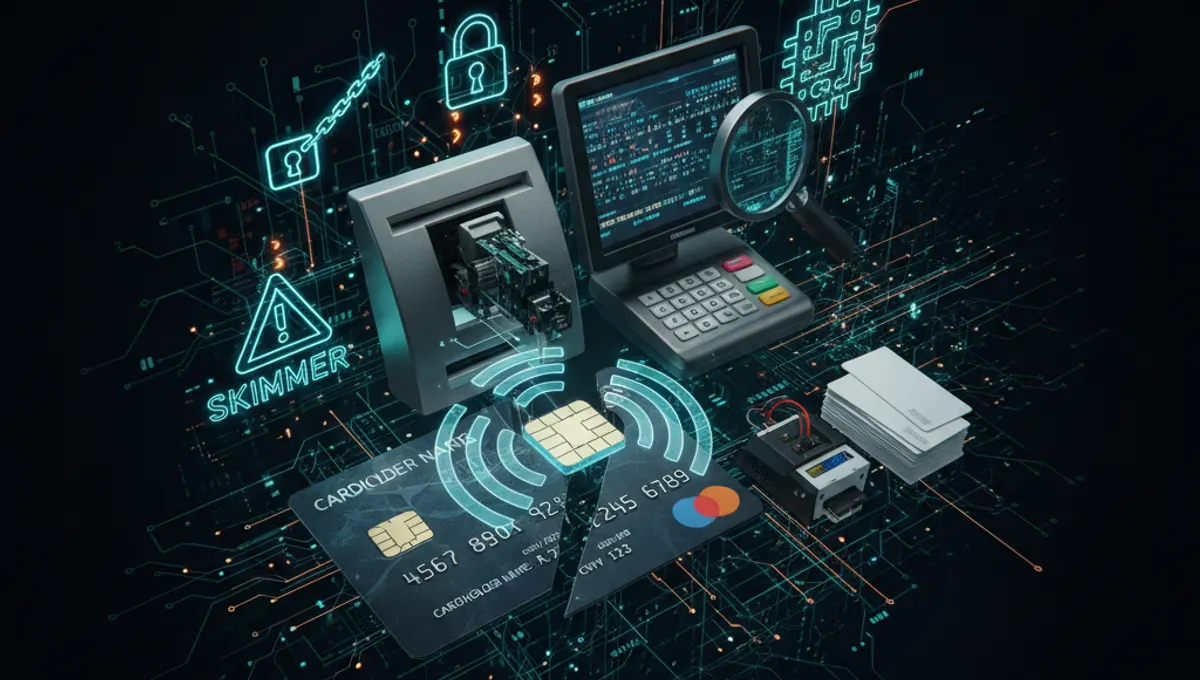
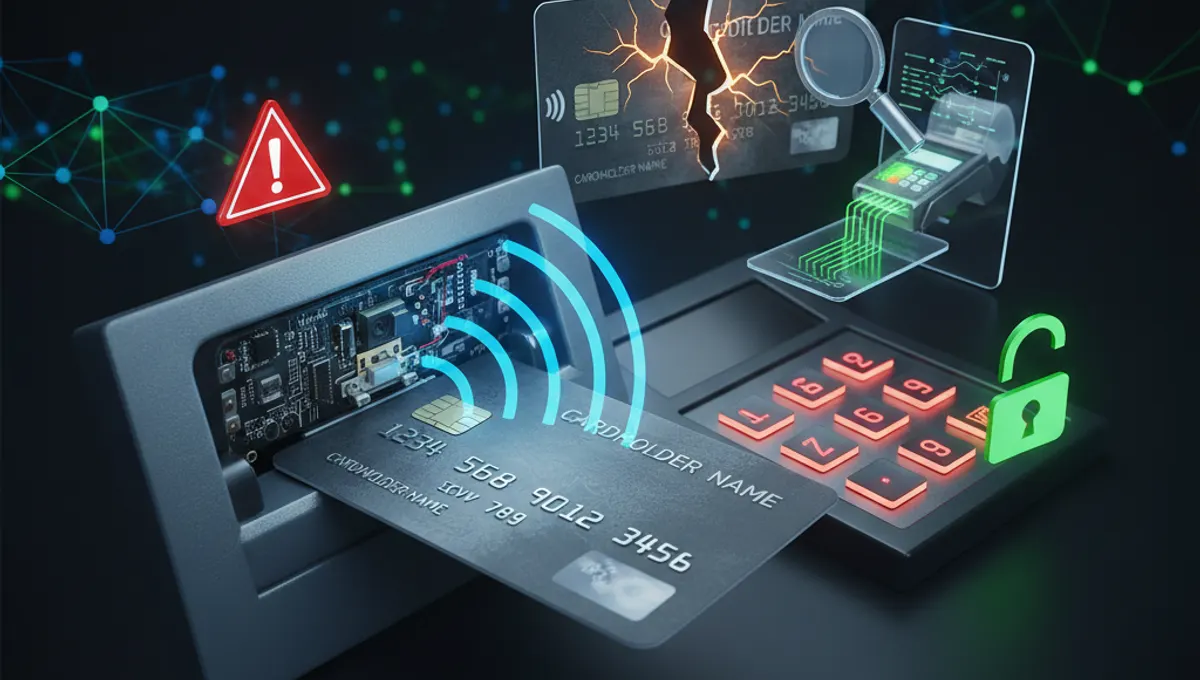
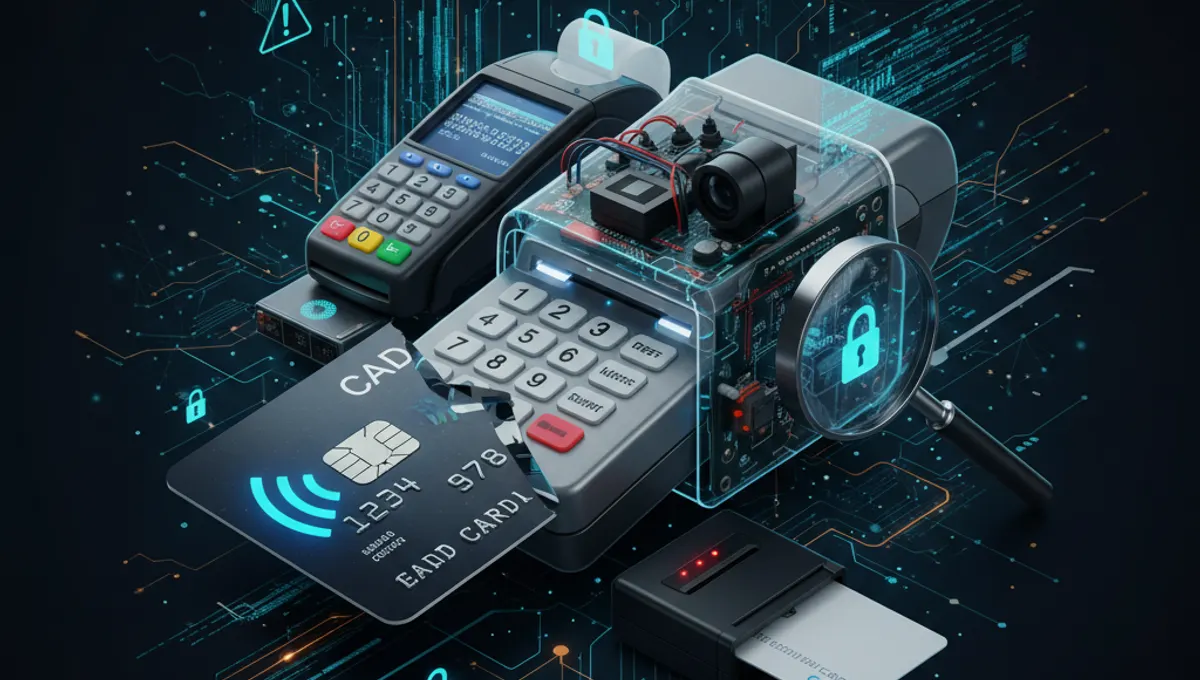
A deep insert skimmer is positioned inside the ATM's card acceptance slot rather than mounted on top of it. This placement allows it to intercept card data as the legitimate card reader processes the transaction. Deep insert skimmers typically target the magnetic stripe or EMV chip, capturing the full track data needed for cloning. Unlike shimming, which exploits the gap between the card slot and the reader, deep insert devices are integrated into the machine's internal pathway. They often include wireless transmission capabilities—Bluetooth or GSM modules—allowing thieves to retrieve data remotely without returning to the ATM. Some variants, particularly those designed for NCR ATMs, are engineered to fit specific machine models, making them harder to distinguish from factory components. The advantage for criminals is that deep insert skimmers remain hidden during normal use and can operate across multiple transactions before detection.
How Does the Cloned Card Sales Ecosystem Function on Dark Web Marketplaces?
Stolen card data harvested by skimmers is aggregated and sold through dark web marketplaces in standardized formats. Vendors list cloned cards by type—debit, credit, premium tiers—along with associated data like expiration dates, CVV codes, and cardholder names. The ecosystem operates in stages: skimmer operators collect raw data, data brokers purchase and verify the information, and marketplace vendors repackage it for end buyers. Transactions typically occur using cryptocurrency to maintain anonymity. Buyers test cards through small purchases before committing to larger fraud schemes. Marketplace reputation systems and escrow services create a transactional structure similar to legitimate e-commerce platforms. The supply chain is continuous; as skimmers are discovered and removed, new devices are deployed to replace them. Prices vary based on card validity, balance verification, and geographic origin. This infrastructure normalizes card fraud as a commodity, with specialized roles for data harvesters, resellers, and end-user fraudsters.
What Are the Legal Consequences of Possessing, Using, or Selling Cloned Cards?
Legal penalties for card fraud vary significantly by jurisdiction but generally fall into several categories. Possession of cloned cards or skimming devices can result in charges related to fraud, identity theft, and unauthorized device possession. Using a cloned card constitutes fraud and potentially identity theft, depending on whether the cardholder's personal information was also misused. Selling cloned cards or operating a marketplace may trigger charges for conspiracy, money laundering, and operating an unlicensed financial service. In many jurisdictions, federal wire fraud statutes apply when transactions cross state or national lines. Penalties typically range from misdemeanor charges with fines and probation to felony convictions carrying prison sentences of several years. Restitution to victims is often mandated. Specific penalty ranges depend on the amount defrauded, the number of victims, and prior criminal history. Consulting local criminal statutes or an attorney in your jurisdiction provides accurate penalty information for your location.
How Do Thieves Install and Operate Deep Insert Skimmers at ATMs?
Installation requires physical access to the ATM and technical knowledge of the specific machine model. Thieves typically target less-monitored locations or machines with older security features. The device is inserted into the card slot pathway, positioned to intercept card data without blocking normal card flow. Some deep insert skimmers are designed to fit seamlessly within the slot's internal dimensions, requiring minimal modification to the machine. Once installed, the skimmer operates passively, reading data from every card inserted. Wireless-enabled variants transmit data in real-time or store it for batch retrieval. Thieves may return to the ATM periodically to download stored data or monitor transmissions remotely. Detection by ATM operators or bank technicians during routine maintenance can lead to device removal, prompting criminals to redeploy elsewhere. The installation process leaves minimal visible evidence, which is why these devices remain undetected for extended periods at some locations.
How Can You Detect a Deep Insert Skimmer and Protect Your Card?
Visual inspection is limited because deep insert skimmers are hidden internally, but you can examine the card slot for loose components, misalignment, or signs of tampering. Wiggle the card slot gently; any unusual movement may indicate a device. Use ATMs in well-lit, monitored locations, preferably inside bank branches rather than standalone kiosks. Cover the keypad while entering your PIN to prevent observation. Enable transaction alerts on your bank account to detect unauthorized charges immediately. Use contactless or tokenized payments when available, as these methods transmit limited data and reduce skimming risk. Consider virtual card numbers provided by your bank for online purchases. Regularly monitor your bank and credit card statements for fraudulent activity. If you suspect an ATM has been compromised, report it to the bank immediately. Avoid using unfamiliar ATMs in high-risk locations. Enable two-factor authentication on your online banking accounts for additional security.
What Should You Do If Your Card Data Has Been Compromised or You Detect Fraud?
Contact your bank or card issuer immediately upon discovering unauthorized charges. Most institutions have fraud departments available 24/7. Request a dispute for each fraudulent transaction; banks typically initiate investigations within 10 business days. Provide detailed information about when and where you used your card, and describe any suspicious transactions. Your bank will issue a temporary credit while investigating, usually within 2-3 business days, though the formal dispute process may take 30-90 days. Request a replacement card with a new number. Place a fraud alert on your credit file with the three major credit bureaus to prevent additional accounts from being opened in your name. Monitor your credit reports for unauthorized accounts or inquiries. If your personal information was also compromised, consider a credit freeze. File a report with the Federal Trade Commission if identity theft is involved. Keep documentation of all communications with your bank and credit bureaus. Do not attempt to recover funds independently or engage with suspicious recovery services.
Why Are Cloned Cards Sold on Dark Web Marketplaces Rather Than Used Directly by Thieves?
Selling stolen card data on dark web marketplaces provides several advantages over direct use. Aggregating data from multiple skimmers creates volume that attracts buyers and generates revenue quickly. Marketplace operators avoid the risk of direct fraud, which involves geographic constraints and detection risk. Buyers may have specialized fraud methods—money mule networks, point-of-sale manipulation, or regional expertise—that maximize the card's value. The marketplace model distributes risk across many participants; if one buyer is caught, the seller remains insulated. Cryptocurrency transactions provide anonymity and reduce traceability compared to direct card use. Marketplace reputation systems incentivize data quality, as vendors with high fraud rates lose buyers. The model also enables specialization: some criminals focus on skimming, others on data verification, and others on fraud execution. This division of labor increases efficiency and profitability. Selling also allows thieves to monetize data before cards are canceled, whereas direct use may be delayed by victim detection.
Frequently asked questions
Can you feel or see a deep insert skimmer when using an ATM?
Deep insert skimmers are installed inside the card slot, making them invisible during normal use. You cannot feel them during a standard transaction because they sit flush within the machine's internal pathway. External visual inspection may reveal loose components or misalignment if the installation was poor, but most deep insert devices leave no visible signs. This is why they remain undetected for extended periods.
How long can a deep insert skimmer operate before being discovered?
Duration depends on ATM monitoring frequency and location. Machines in high-traffic bank branches with regular maintenance may have skimmers detected within days or weeks. Standalone ATMs in less-monitored locations can remain compromised for months. Wireless-enabled skimmers allow thieves to retrieve data remotely without returning to the machine, extending operational time. Banks typically discover devices during routine maintenance or when customers report fraud patterns.
What card data does a deep insert skimmer capture?
Deep insert skimmers capture magnetic stripe data, which includes the cardholder's name, card number, expiration date, and CVV code. Some devices also read EMV chip data, though this is more complex. The captured information is sufficient to clone the card or create fraudulent transactions. Skimmers do not capture PIN codes unless a separate keypad overlay is installed simultaneously.
Are deep insert skimmers more effective than external overlays?
Deep insert skimmers are more difficult to detect and remove than external overlays, making them operationally superior for criminals. However, they require more technical knowledge to install and are model-specific, limiting their deployment flexibility. External overlays are easier to install but more visible to observant users. Both methods achieve the same goal of capturing card data; the choice depends on the thief's technical capability and target location.
What should I do if I suspect an ATM has a deep insert skimmer?
Do not use the machine. Report it to the bank immediately by calling the customer service number on the back of your card or visiting a branch. Provide the ATM's location and any suspicious details you observed. Contact your bank's fraud department to monitor your account for unauthorized activity. If you already used the machine, request a replacement card and enable transaction alerts. File a report with local law enforcement if fraud has occurred.