What Is a Deep Insert ATM Skimmer and How Does It Differ from Other Skimmers
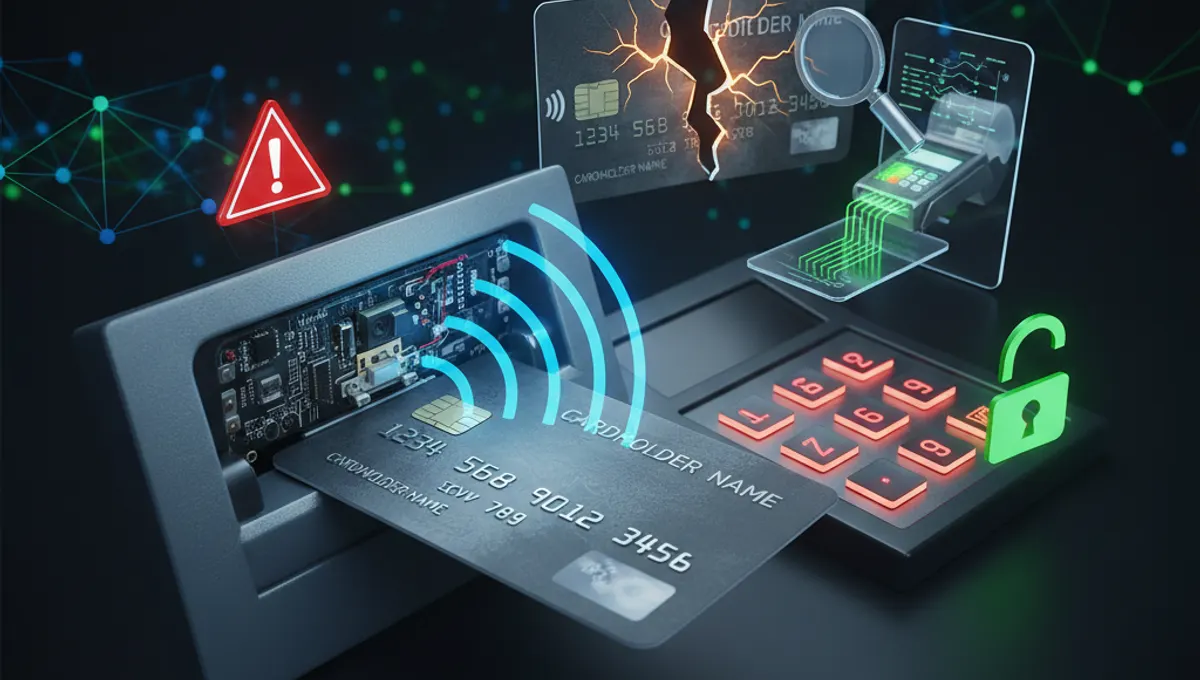
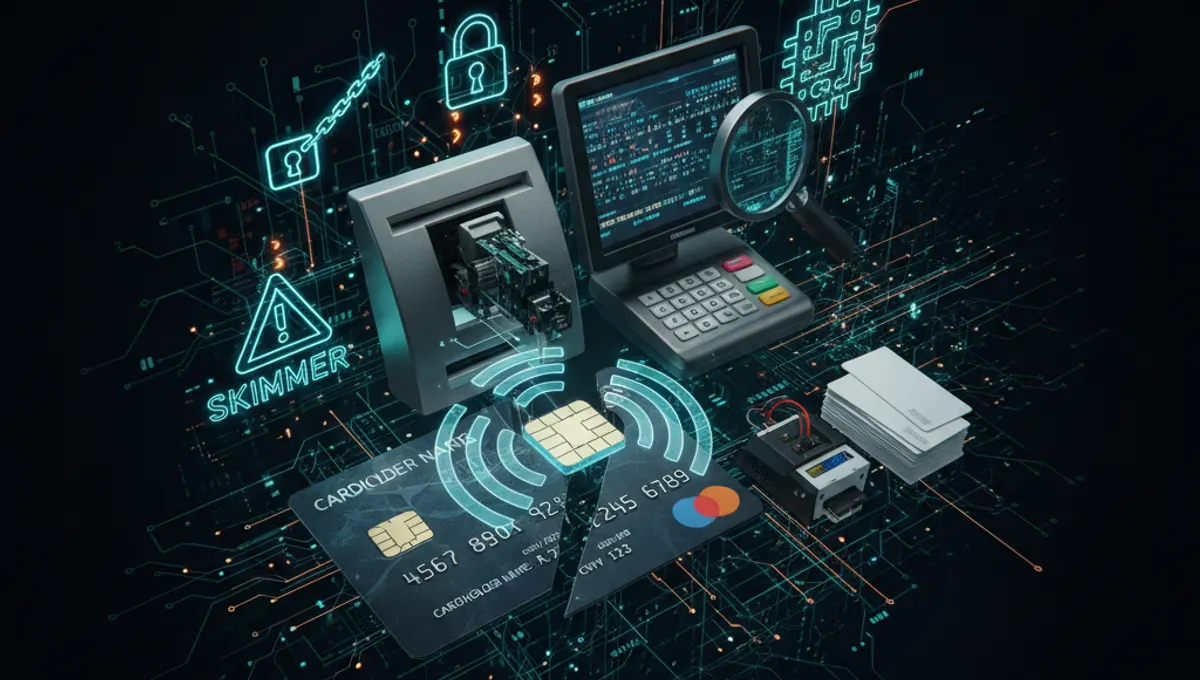
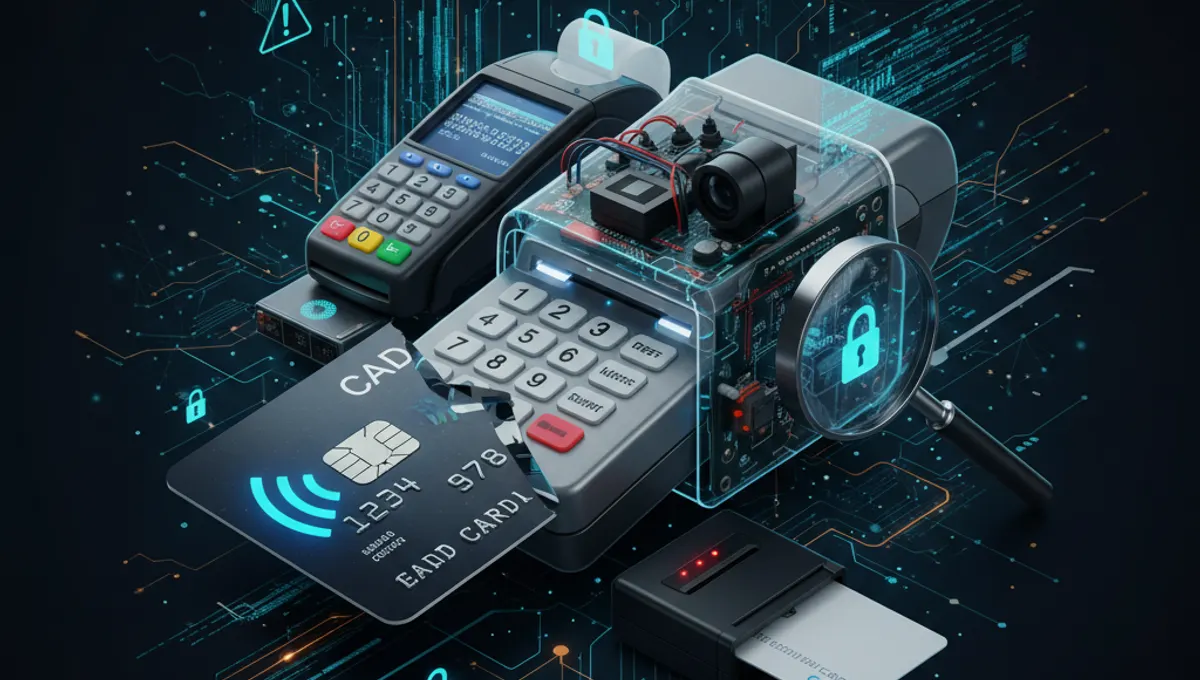
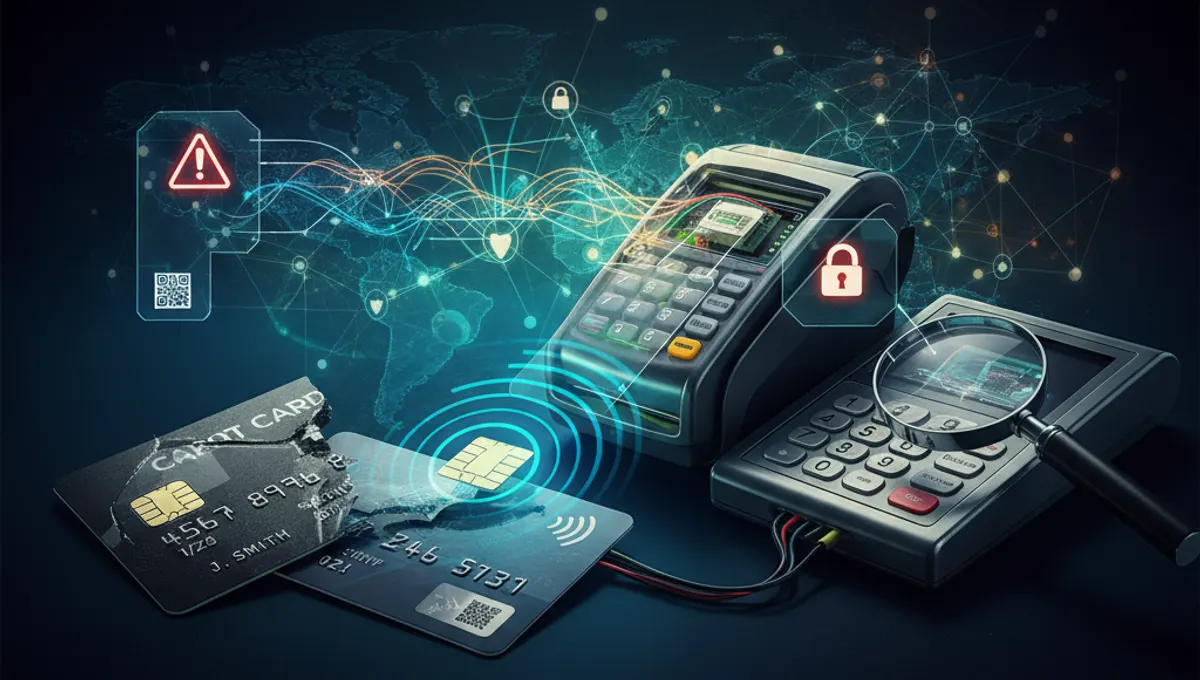
A deep insert skimmer is positioned inside the ATM's card acceptance slot rather than overlaid on top. This placement allows it to intercept card data during normal transactions without obvious external signs of tampering. Deep insert EMV skimmers target the chip reader, while others focus on the magnetic stripe. The NCR deep insert skimmer is one variant designed for specific ATM models. Unlike gas pump skimmers or overlay devices, deep insert skimmers require internal access to the machine, typically during maintenance or installation. They remain hidden from casual inspection, making them particularly effective for prolonged data theft operations. Detection requires either technical inspection of the ATM's internals or monitoring for unusual transaction patterns.
How Deep Insert Skimming Works: Data Capture and Transmission
When a cardholder inserts their card, the deep insert skimmer reads either the magnetic stripe or EMV chip data as the card passes through the reader. The device stores this information locally or transmits it wirelessly via Bluetooth or cellular signals to a nearby receiver. Criminals collect the stolen card numbers, expiration dates, and sometimes PIN data if the skimmer includes a hidden camera or keypad overlay. The deep insert skimming process happens in milliseconds, leaving no trace visible to the user. Once data is captured, it can be used to create cloned cards or sold on dark web marketplaces. The skimmer may remain active for weeks or months before being discovered, allowing large-scale data theft from hundreds of transactions.
What Is a Cloned Card and How Does the Dark Web Sales Ecosystem Function
A cloned card is a duplicate created from stolen card data, containing the same account number, expiration date, and security information as the original. Cloning occurs through skimming, shimming, or data breaches that expose magnetic stripe or chip information. The dark web marketplace ecosystem operates through specialized forums and vendor sites where sellers offer cloned cards with varying levels of verification. Buyers typically purchase cards in batches, often with accompanying PIN codes or CVV data. Sellers source cards from skimming operations, data leaks, or insider theft. Transactions occur using cryptocurrency to maintain anonymity. The marketplace includes dispute resolution mechanisms and vendor reputation systems similar to legitimate e-commerce platforms. Cards are categorized by issuing bank, card type, and balance level. This ecosystem exists because cloned cards enable fraud without requiring the physical card, making remote purchases and cash withdrawals possible.
Legal Consequences of Possessing, Using, or Selling Cloned Cards
Possession of cloned cards or skimming devices falls under fraud and identity theft statutes in most jurisdictions. Using a cloned card constitutes wire fraud, access device fraud, and potentially aggravated identity theft depending on the amount and circumstances. Selling cloned cards on dark web marketplaces adds charges related to conspiracy, money laundering, and organized fraud. Specific penalty ranges vary significantly by jurisdiction and the number of cards involved. Some jurisdictions treat device-based fraud separately from traditional fraud, with enhanced penalties for possession of skimming hardware. Conviction can result in federal charges carrying multi-year sentences, substantial fines, and restitution orders. Even first-time offenders face serious consequences. Charges may be compounded if the scheme targets vulnerable populations or involves cross-border transactions. Legal representation is critical in these cases due to the complexity of fraud statutes and potential for multiple concurrent charges.
How Card Data Is Bought and Sold on Dark Web Marketplaces
Dark web marketplaces operate as forums or vendor sites accessible through Tor browsers, requiring specific URLs and often invitation-based access. Sellers list cloned cards with details including card type, issuing bank, available balance, and whether PIN codes are included. Buyers browse listings, read vendor reviews, and negotiate prices typically ranging from tens to hundreds of dollars per card depending on balance and verification status. Payment occurs exclusively in cryptocurrency, usually Bitcoin or Monero, to obscure transaction trails. Escrow systems hold cryptocurrency during transactions to prevent fraud between buyer and seller. Once payment clears, the seller provides card numbers, expiration dates, CVV codes, and sometimes cardholder names and addresses. Some marketplaces offer guarantees or refunds if cards are reported as invalid within a specified timeframe. Vendors establish reputation through successful transactions and customer reviews. This infrastructure enables rapid distribution of stolen card data globally without direct contact between criminals.
How to Detect Deep Insert Skimmers and Protect Your Card
Detection of deep insert skimmers requires physical inspection of the ATM's card slot for loose components, misalignment, or unusual protrusions. Check for gaps between the card slot and the surrounding bezel, or any parts that appear newer than the rest of the machine. Use contactless or tokenized payments when available, as these methods don't transmit full card data to the terminal. Enable transaction alerts through your bank to receive notifications of any card activity. Consider using virtual card numbers or single-use card numbers for online and ATM transactions. Regularly monitor your account statements for unauthorized charges. Use ATMs in well-lit, high-traffic locations like bank lobbies rather than isolated machines. Avoid entering your PIN if anyone is watching or if the keypad appears tampered with. Block your card immediately if you suspect compromise. Request a replacement card with a new number from your issuing bank.
What to Do If Your Card Information Has Been Compromised
Contact your bank immediately upon discovering unauthorized transactions or suspecting card compromise. File a dispute for each fraudulent charge within the timeframe specified by your bank, typically 60 days from the statement date. Document all unauthorized transactions with dates, amounts, and merchant names. Request a new card with a different account number from your issuing bank. Most banks issue replacement cards within 5-10 business days. Check your credit report through official channels for accounts opened fraudulently in your name. Place a fraud alert with credit bureaus to prevent further unauthorized accounts. File a report with the Federal Trade Commission if identity theft occurred beyond card fraud. Request refunds for disputed charges; most banks process these within 10-30 days pending investigation. Monitor your account closely for 6-12 months following the incident. Consider placing a credit freeze to prevent new account openings without your authorization.
Frequently asked questions
Can deep insert skimmers read EMV chip data or only magnetic stripe data
Deep insert EMV skimmers can read chip data, though this is more technically complex than reading magnetic stripes. EMV chips use encryption, making data capture more difficult but not impossible for sophisticated devices. Some deep insert skimmers target the magnetic stripe exclusively, while others are designed to intercept both chip and stripe data depending on the ATM model and reader configuration.
How long can a deep insert skimmer operate before being discovered
Deep insert skimmers can remain undetected for weeks or months depending on ATM usage patterns and maintenance schedules. Some operate for 2-3 months before bank technicians discover them during routine servicing. The longer the skimmer remains active, the more card data is compromised. Banks typically discover skimmers through customer fraud reports, physical inspection during maintenance, or security audits.
What is the difference between a cloned card and a stolen card
A stolen card is the original physical card taken from its owner. A cloned card is a duplicate created from stolen data, containing the same account information but as a separate physical card. Cloned cards allow fraud without possessing the original card, enabling remote purchases and cash withdrawals. Stolen cards can be used immediately but are easier to report and block.
How do I know if my card data was compromised at an ATM
Monitor your bank statements for unauthorized transactions appearing days or weeks after ATM use. Enable transaction alerts to receive immediate notifications of card activity. Check your credit report for fraudulent accounts. Contact your bank if you notice suspicious activity. Some compromises may not result in immediate fraud, as stolen data is sometimes held for later sale on dark web marketplaces.
Are virtual card numbers or contactless payments safer than traditional cards at ATMs
Virtual card numbers and contactless payments reduce skimming risk because they don't transmit full card data to the terminal. However, ATMs typically require physical card insertion, so these methods may not be available at all machines. Contactless ATMs are becoming more common but remain limited in many regions. Traditional cards remain vulnerable to skimming unless you monitor accounts closely and use ATMs in secure locations.