What Is an RFID Tag and How Does Cloning Work
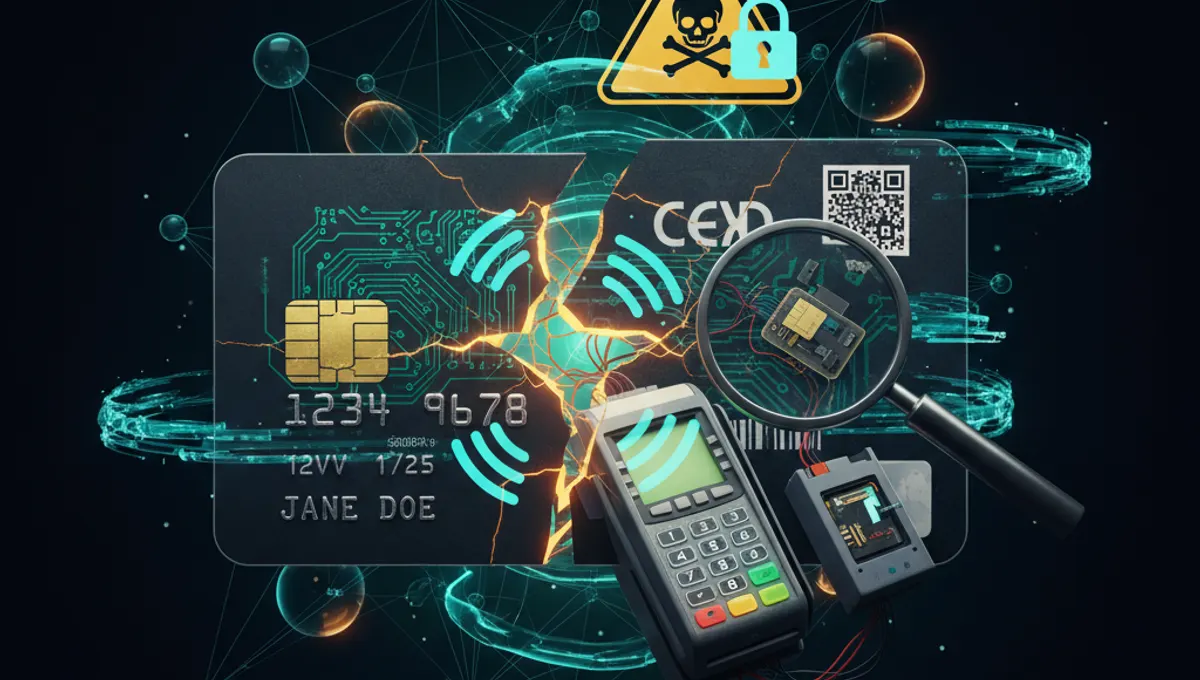
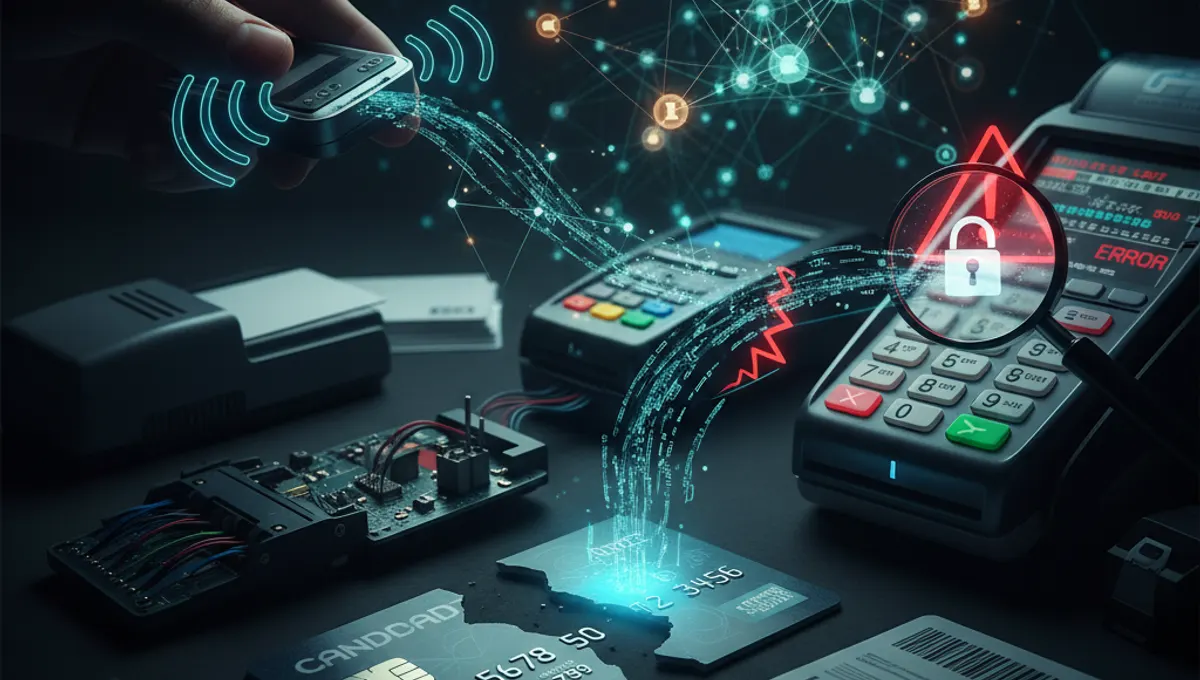
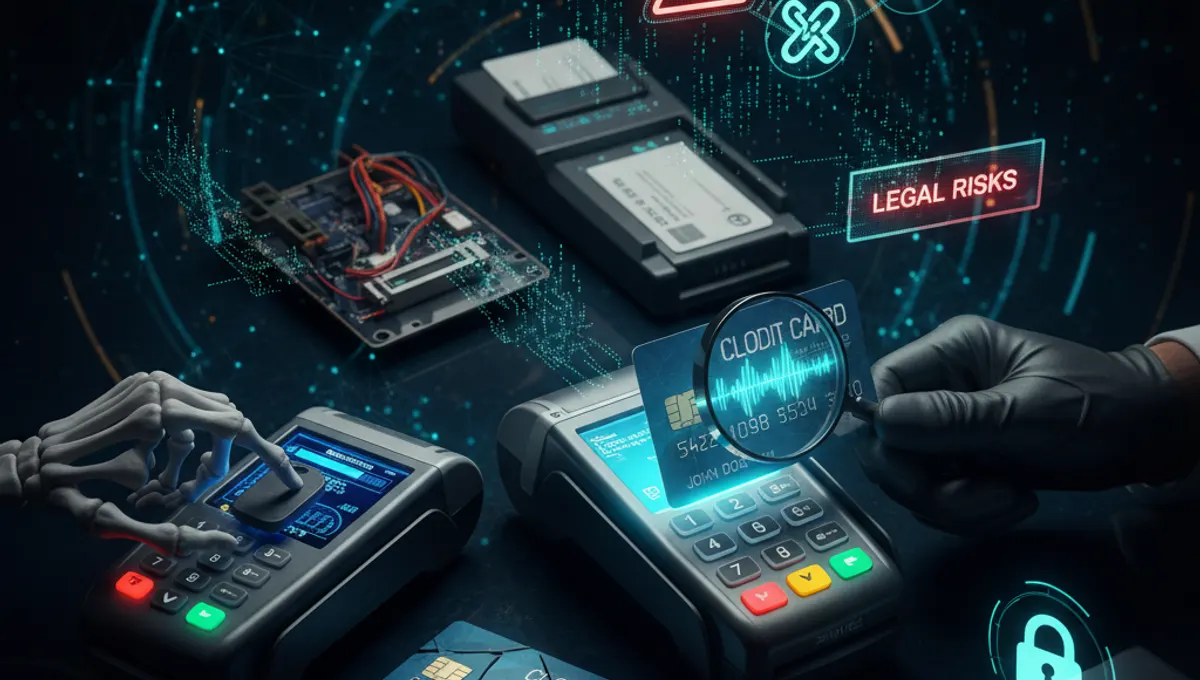
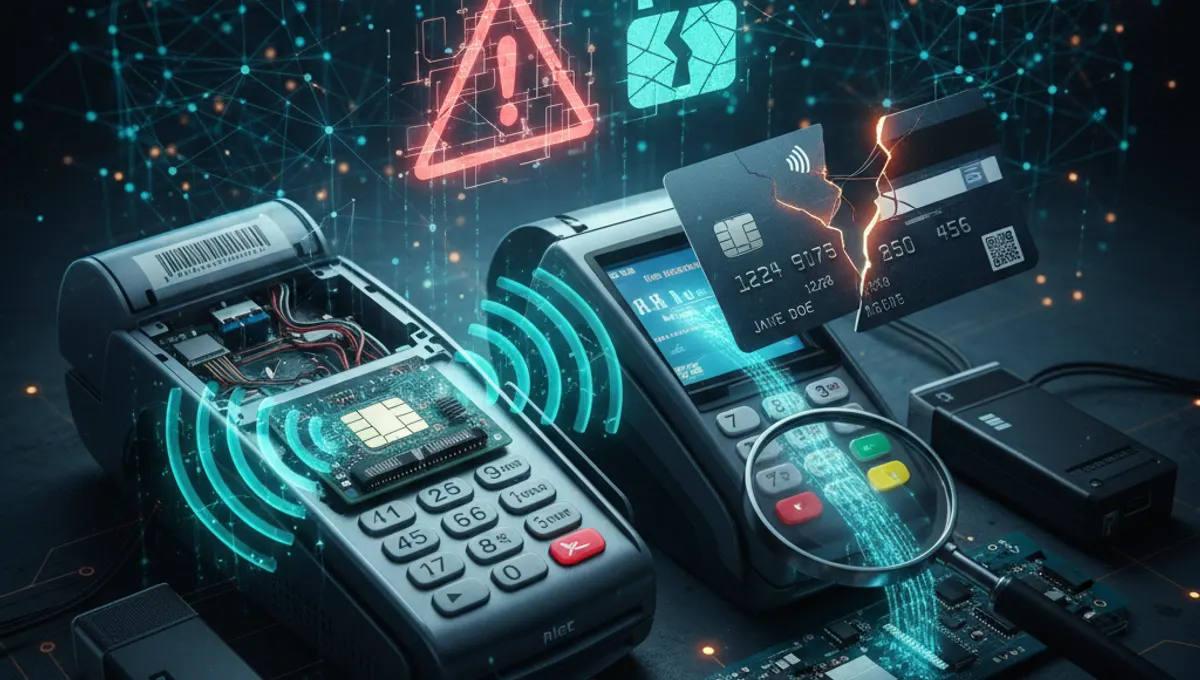
An RFID tag is a small microchip that stores data and communicates wirelessly with readers. RFID tags are embedded in access badges, payment cards, and key fobs. Cloning an RFID tag means reading the data from an existing tag and writing it to a blank tag or a device capable of emulating that tag. The process typically involves an RFID reader to extract the tag's unique identifier and any stored credentials, then a writer to transfer that data to a new tag. Unlike EMV chip cards, which use encryption and dynamic data, many RFID systems transmit static information, making them vulnerable to cloning. Android devices with NFC capability can sometimes be used to clone RFID cards if the tag uses unencrypted protocols. The difficulty of cloning depends on the security measures in place; basic RFID systems offer minimal protection, while secured systems use encryption and rolling codes to prevent duplication.
Difference Between RFID Cloning and Magnetic Stripe Cloning
Magnetic stripe cards store data in a magnetic band and require physical contact with a reader. Cloning a magnetic stripe card involves reading the three tracks of data and writing them to a new card using a card writer. RFID cloning, by contrast, works wirelessly and does not require physical contact. RFID tags can be read from several feet away, depending on the reader's power and the tag's frequency. Magnetic stripe cloning has been the traditional method for creating counterfeit payment cards, while RFID cloning targets access systems and newer contactless payment methods. Both methods result in duplicate cards that can be used fraudulently, but RFID cloning is often faster and less detectable because it requires no visible card manipulation. Modern payment cards use EMV chips or tokenization to prevent cloning, but older systems and many access control badges remain vulnerable.
The Dark Web Marketplace for Cloned Cards and RFID Data
Cloned cards and RFID data are bought and sold on dark web marketplaces through forums and specialized shops. Sellers typically offer cloned payment cards with magnetic stripe data, RFID badge information, or access credentials. The marketplace operates similarly to other illegal goods exchanges: sellers post listings with descriptions, prices, and sometimes sample data; buyers use cryptocurrency to purchase; transactions are conducted through escrow systems or direct transfer. Cloned cards are often sold in batches, with sellers providing the card number, expiration date, CVV, and cardholder name. Some sellers also offer RFID cloning services, where a buyer provides specifications and the seller delivers cloned badges or key fobs. The dark web allows these transactions to occur with reduced risk of law enforcement detection, though marketplace operators themselves are regularly targeted by authorities. Prices vary based on card type, data freshness, and seller reputation. The ecosystem depends on a supply chain of skimmers, data harvesters, and resellers who extract card information and feed it into the marketplace.
Legal Consequences of Possessing and Using Cloned Cards
Possession of a cloned card or RFID tag with intent to use it fraudulently is illegal in most jurisdictions. Charges typically fall into categories including fraud, identity theft, and access device fraud. Fraud charges apply when cloned card data is used to make unauthorized purchases or withdrawals. Identity theft charges apply when personal information is used to open accounts or conduct transactions in another person's name. Access device fraud applies specifically to cloned badges or key fobs used to gain unauthorized entry to restricted areas. Penalties vary significantly by jurisdiction and the specific circumstances of the offense. In some jurisdictions, possession alone carries felony charges; in others, charges require proof of intent to use the card fraudulently. Sentences can range from probation and fines to years of imprisonment, depending on the value of fraud committed and prior criminal history. Restitution to victims is often ordered. Conviction can result in a permanent criminal record, affecting employment, housing, and financial opportunities. Consulting with a legal professional in your jurisdiction is necessary to understand specific penalties.
How Card Data Enters the Dark Web Marketplace
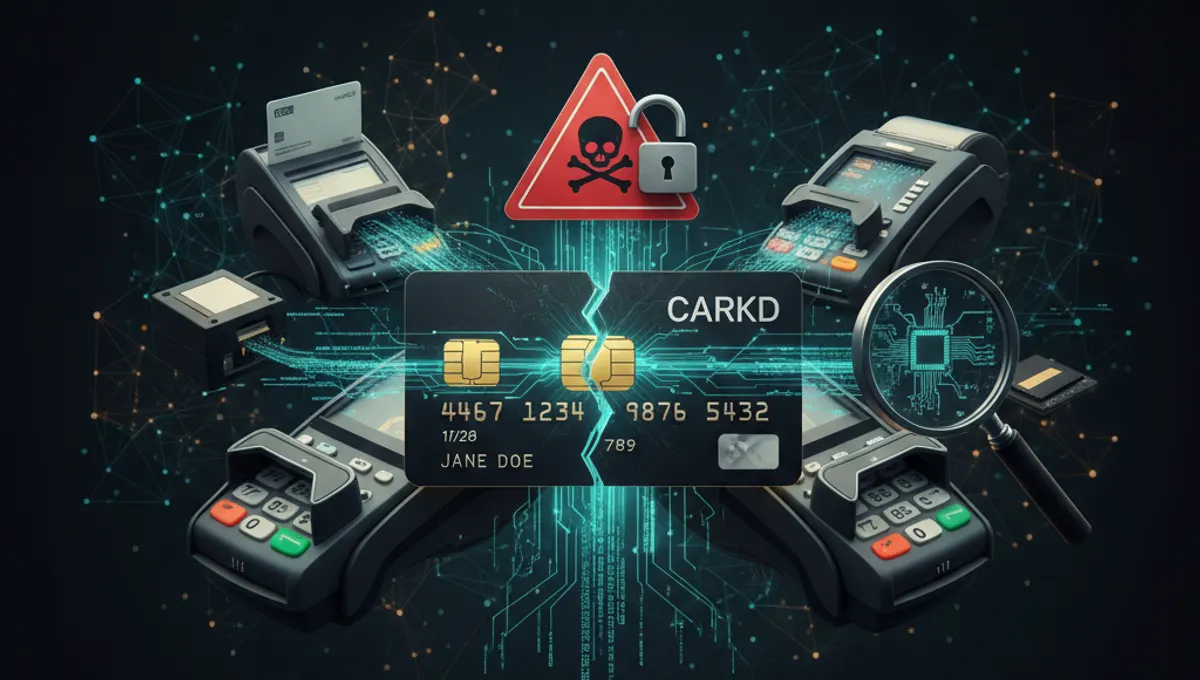
Card data reaches dark web marketplaces through several pathways. Skimming devices installed on ATMs, gas pumps, or point-of-sale terminals capture magnetic stripe data or RFID information. Data breaches at retailers, payment processors, or financial institutions expose large volumes of card information. Phishing and malware attacks on individual users harvest card details. Insiders at financial institutions or merchants sell customer data directly. Once collected, this data is aggregated and sold to resellers who list it on dark web marketplaces. The data is often organized by card type, issuing bank, and geographic region. Sellers verify the data's validity by testing small batches before offering larger quantities. The marketplace operates on reputation systems, with established sellers commanding higher prices due to perceived reliability. Payment is typically made in cryptocurrency to maintain anonymity. The speed at which data moves from collection to marketplace sale means that compromised cards can be used fraudulently within hours of being stolen.
Protecting Your Card from Skimming and Cloning
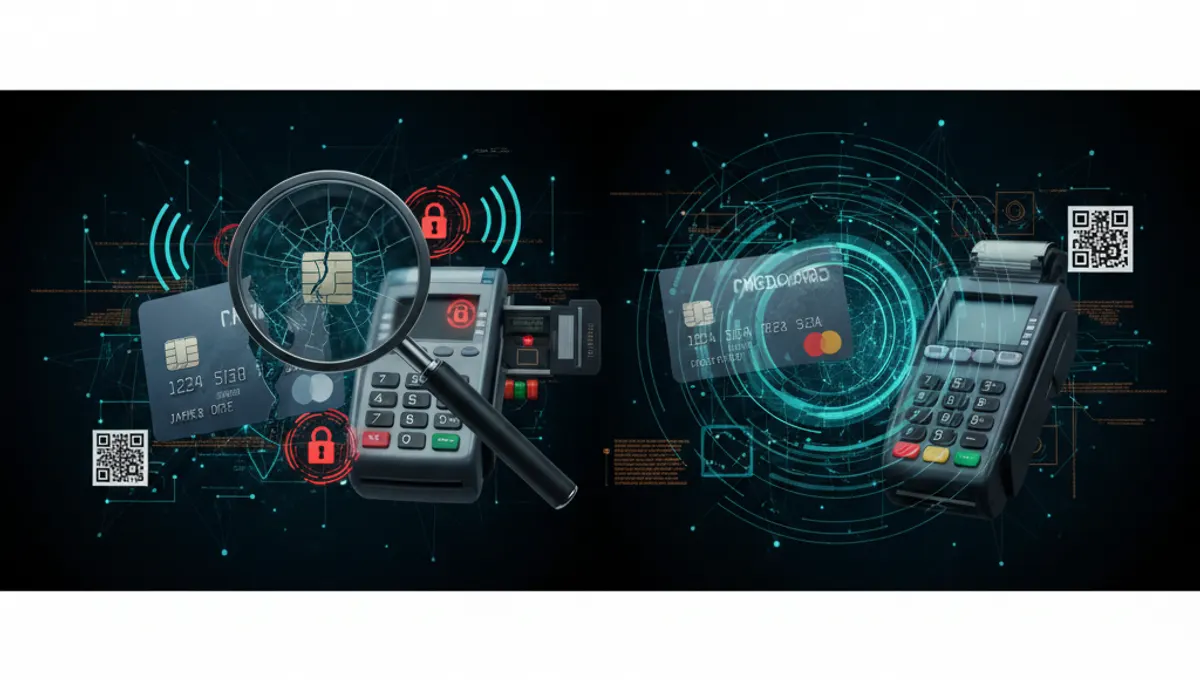
Several practical steps reduce the risk of your card being cloned. Use contactless payment methods that employ tokenization, which generates a unique transaction code for each purchase rather than transmitting your actual card number. Enable transaction alerts on your bank account so you receive notifications of any charges. Monitor your credit report regularly for unauthorized accounts opened in your name. Use virtual card numbers generated by your bank or payment provider for online purchases, limiting exposure of your primary card number. Inspect ATMs and payment terminals for signs of tampering before inserting your card. Use ATMs in secure locations, such as inside banks, rather than standalone machines. Block RFID signals by using an RFID-blocking wallet or sleeve for contactless cards. Request that your bank issue an EMV chip card rather than a magnetic stripe card. Avoid using public WiFi for financial transactions. Keep your card in your possession at all times and never allow it out of your sight during transactions.
What to Do If Your Card Has Been Compromised
If you discover unauthorized charges on your card, contact your bank or card issuer immediately. Most financial institutions have fraud departments available 24/7. Report the fraudulent charges and request that your card be canceled and replaced. File a dispute for each unauthorized transaction; the bank will typically initiate an investigation. Under consumer protection laws in many jurisdictions, you are not liable for unauthorized charges if you report them promptly. Refund timelines vary by institution but often range from a few days to several weeks, depending on the investigation's complexity. Request a new card with a different number. Monitor your account closely for additional fraudulent activity. Place a fraud alert on your credit file with credit bureaus to prevent new accounts from being opened in your name. Consider placing a credit freeze, which prevents creditors from accessing your credit report without your explicit permission. Keep documentation of all communications with your bank and copies of dispute forms. If your RFID badge or access card has been cloned, notify your employer or facility manager immediately so they can deactivate the compromised credential.
Frequently asked questions
Can you clone an RFID tag with a smartphone?
Some Android devices with NFC capability can read and potentially clone certain RFID tags if they use unencrypted protocols. However, most modern payment cards and secure access systems use encryption and dynamic data that prevent cloning via smartphone. Specialized hardware is typically required for successful cloning of protected systems.
What is the difference between cloning an RFID card and a magnetic stripe card?
RFID cloning works wirelessly and does not require physical contact with the card, while magnetic stripe cloning requires a card reader and writer to physically read and duplicate the data. RFID cloning can be performed from several feet away, whereas magnetic stripe cloning requires direct access to the card.
Is buying a cloned card on the dark web illegal?
Yes. Purchasing a cloned card is illegal in most jurisdictions and constitutes fraud, identity theft, or access device fraud. Possession of a cloned card with intent to use it fraudulently carries criminal penalties including fines and imprisonment. Penalties vary by jurisdiction and the circumstances of the offense.
How quickly can a cloned card be used after it is created?
A cloned card can be used immediately after creation if it contains valid data. In dark web marketplaces, cloned cards are often tested within hours of being stolen to verify their validity before being sold. This means compromised cards can be used fraudulently very quickly after data theft.
What should I do if I suspect my RFID badge has been cloned?
Notify your employer or facility manager immediately so they can deactivate the compromised badge and issue a replacement. Monitor your access logs for unauthorized entries. If the badge is linked to financial accounts, contact your bank and place a fraud alert on your credit file.