What Is an RFID Badge and How Can It Be Cloned
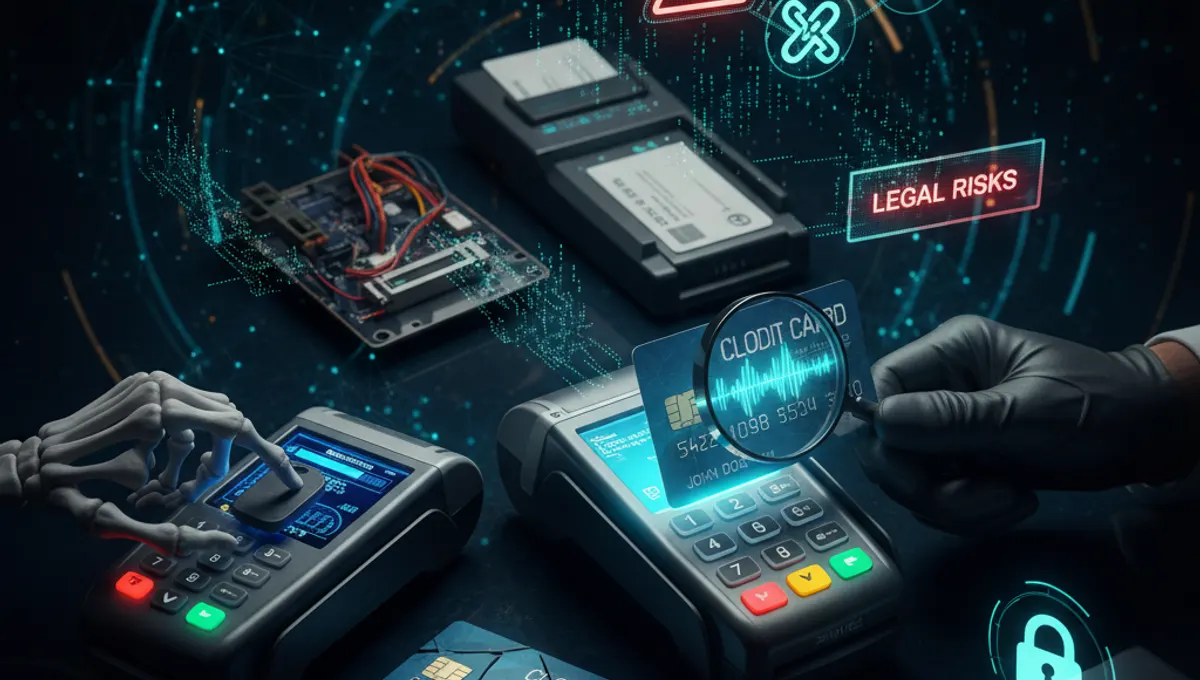
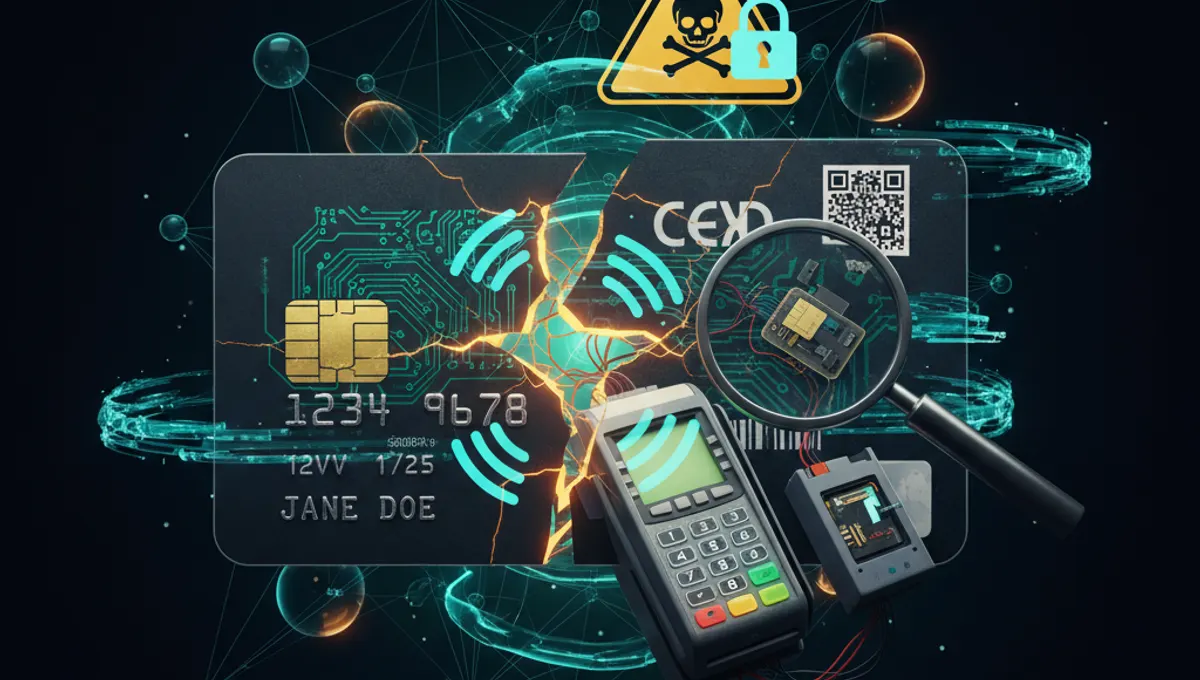
An RFID badge is a proximity card or key fob that transmits data wirelessly to a reader, typically operating at 125 kHz (low frequency) or 13.56 MHz (high frequency). The badge stores a unique identifier or access code that the reader recognizes. Cloning occurs when someone uses a dedicated reader device to capture the card's data, then writes that same data to a blank card or reprograms a smartphone with NFC capability. Unlike EMV chip cards with encryption, many RFID badges transmit unencrypted signals, making them vulnerable to interception. The cloned badge functions identically to the original, granting the same access permissions. This differs from magnetic stripe cloning in that RFID operates wirelessly without physical contact, allowing attackers to clone a badge from several feet away without the cardholder's knowledge.
The Dark Web Marketplace for Cloned Access Credentials
Cloned RFID badges and access cards are sold on dark web marketplaces alongside other fraudulent credentials. Vendors typically offer badges pre-cloned to specific facilities, corporate buildings, or parking systems, or sell blank programmable cards with instructions for cloning. The marketplace operates similarly to other carding ecosystems: sellers list inventory with photos, descriptions of access levels, and pricing; buyers communicate through encrypted channels and pay in cryptocurrency; and transactions are conducted through marketplace escrow systems. Sellers source cloned credentials through physical theft, insider access, or by purchasing data from previous breaches. The demand stems from corporate espionage, theft, unauthorized facility access, and identity fraud. Marketplace reputation systems and vendor ratings create a pseudo-legitimate trading environment, though all transactions carry significant legal and security risks for both parties.
Legal Consequences of Cloning and Using RFID Badges
Possessing, creating, or using a cloned RFID badge is illegal in most jurisdictions and falls under multiple criminal statutes. Charges typically include access device fraud, identity theft, computer fraud, and unauthorized access to facilities or systems. Penalties vary by jurisdiction and the specific circumstances of the offense. In the United States, federal charges under the Computer Fraud and Abuse Act or access device fraud statutes can result in imprisonment and fines. State laws also criminalize possession of cloning devices and the sale of cloned credentials. Using a cloned badge to commit theft, corporate espionage, or other crimes compounds the charges and increases sentencing. International jurisdictions have similar laws targeting fraud and unauthorized access. Conviction can result in felony records, restitution orders, and civil liability. Purchasing cloned credentials on the dark web does not shield buyers from prosecution; law enforcement agencies actively investigate dark web marketplaces and pursue both sellers and buyers.
How Cloned Card and Badge Sales Operate on Dark Web Platforms
Dark web marketplaces dedicated to carding and fraud operate through Tor-hidden sites accessible only via specialized browsers. Vendors create detailed listings for cloned RFID badges, specifying the access level, facility type, and geographic location. Buyers browse catalogs, read vendor reviews, and negotiate prices in cryptocurrency, typically Bitcoin or Monero. Payment is held in escrow by the marketplace until the buyer confirms receipt and functionality. Vendors ship physical cloned badges or provide digital files for local cloning. Communication occurs through encrypted messaging systems built into the marketplace. Dispute resolution is handled by marketplace administrators, who charge fees on each transaction. Some marketplaces also offer tutorials on cloning techniques, device sales, and data dumps from corporate access systems. Law enforcement monitors these platforms through undercover operations and blockchain analysis, leading to arrests of both vendors and buyers. The anonymity provided by Tor and cryptocurrency does not guarantee legal protection.
How to Detect and Prevent RFID Badge Cloning
Detecting RFID cloning requires awareness of physical security vulnerabilities and behavioral indicators. Unauthorized access events, missing items, or unusual facility breaches suggest a cloned badge may be in use. Organizations can implement multi-factor authentication by combining RFID access with PIN codes or biometric verification, making cloned badges alone insufficient for entry. Upgrading to encrypted RFID systems or migrating to mobile credential platforms reduces cloning risk. Personal protection includes using RFID-blocking wallets or sleeves to prevent unauthorized scanning of badges. Monitoring access logs for anomalies, such as badge use at unusual times or locations, helps identify compromised credentials. Employees should report lost or stolen badges immediately and avoid leaving badges unattended in public spaces. Organizations should conduct regular security audits of access systems and educate staff on social engineering tactics used to obtain badge information. Implementing geofencing and time-based access restrictions adds additional layers of security.
What to Do If Your Badge Information Has Been Compromised
If you suspect your RFID badge has been cloned or your access credentials have been compromised, notify your organization's security team immediately. Provide details about when you discovered the issue and any unauthorized access events you are aware of. Your organization should deactivate the compromised badge and issue a replacement with a new access code. Request a security audit of your access history to identify any unauthorized entries. If the compromise involved personal or financial data stored on the badge, contact your financial institution and credit monitoring services. File a report with your organization's incident response team and cooperate with any investigation. If the badge was stolen or lost, file a police report to establish a record. Monitor your accounts and credit reports for fraudulent activity. For corporate environments, the organization may conduct forensic analysis to determine how the badge was cloned and implement system-wide security improvements. Document all communications and actions taken for your records.
Protecting Your Access Credentials from Skimming and Cloning
Preventing RFID badge compromise requires both personal vigilance and organizational security measures. Keep your badge on your person at all times and avoid leaving it unattended on desks, in vehicles, or in public spaces. Use RFID-blocking wallets or pouches if your organization's badge operates on frequencies vulnerable to remote scanning. Be cautious of individuals asking about your badge, access procedures, or facility layout, as this may indicate social engineering attempts. Report suspicious activity near badge readers or access points to security personnel. At the organizational level, implement badge expiration policies, require regular re-authentication, and audit access permissions quarterly. Use encrypted RFID systems that employ challenge-response authentication rather than simple ID transmission. Educate employees on the risks of badge cloning and the importance of reporting lost or stolen credentials immediately. Conduct penetration testing to identify vulnerabilities in your access control system. Consider transitioning to mobile credential systems that offer better encryption and revocation capabilities than traditional RFID badges.
Frequently asked questions
Can you clone an RFID badge with a smartphone?
Yes, if your smartphone has NFC capability and the RFID badge operates at 13.56 MHz (high frequency). You can use NFC cloning apps to read the badge's data and write it to another NFC-enabled device or blank card. However, 125 kHz low-frequency badges require dedicated hardware readers and writers. Cloning any access credential is illegal without authorization.
What is the difference between cloning an RFID card and a magnetic stripe card?
RFID cards transmit data wirelessly and can be cloned from a distance without physical contact, while magnetic stripe cards require physical contact with a reader. RFID cloning uses specialized readers to capture the card's data, whereas magnetic stripe cloning involves swiping the card through a skimming device. RFID systems are generally more secure if encrypted, but many older RFID badges transmit unencrypted data, making them vulnerable to remote cloning.
What are the criminal charges for possessing a cloned RFID badge?
Charges typically include access device fraud, identity theft, computer fraud, and unauthorized access to facilities. Penalties vary by jurisdiction but can include felony convictions, imprisonment, fines, and restitution. Using a cloned badge to commit additional crimes such as theft or corporate espionage results in enhanced charges and longer sentences. Purchasing cloned credentials on the dark web does not provide legal protection from prosecution.
How do dark web marketplaces sell cloned RFID badges?
Vendors list cloned badges on Tor-hidden marketplaces with descriptions of access levels and facility types. Buyers browse listings, read vendor reviews, and purchase using cryptocurrency. Payment is held in escrow until the buyer confirms receipt and functionality. Vendors ship physical cloned badges or provide digital files for local cloning. Law enforcement monitors these platforms and prosecutes both sellers and buyers.
How can I tell if my RFID badge has been cloned?
Signs include unauthorized access events at your facility, missing items, or unusual security breaches. Monitor your access logs for badge use at unexpected times or locations. If you suspect compromise, notify your security team immediately. They can deactivate the compromised badge, audit your access history, and issue a replacement. Request a security review of your access control system to identify vulnerabilities.