What Is RFID 13.56 MHz Cloning and How Does It Differ from Traditional Skimming?
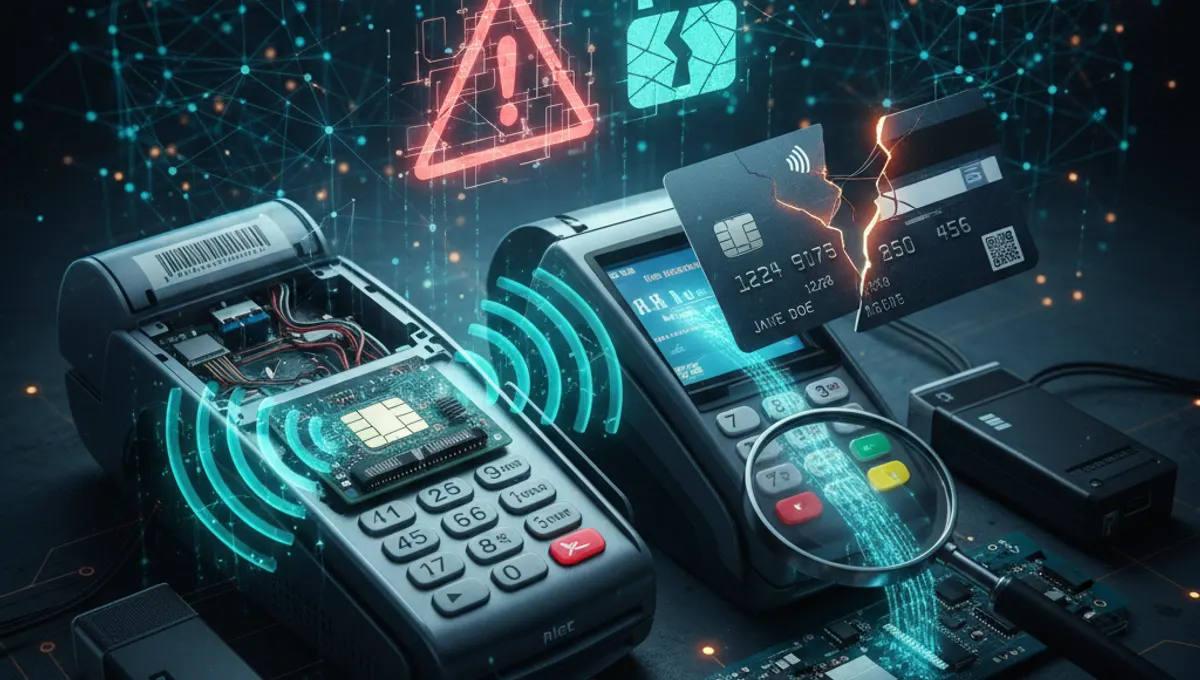
RFID cloning at 13.56 MHz targets contactless payment systems and access cards operating on the NFC standard. Unlike magnetic stripe skimming, which reads the full track data from older card formats, RFID cloning captures the wireless communication between a card and a reader. The 13.56 MHz frequency allows attackers to read data from a distance of several inches without physical contact. Shimming—inserting a device into card readers—and wireless skimming both exploit this frequency. EMV chip cards added encryption and one-time transaction codes, but contactless variants of EMV still transmit data wirelessly. Data breaches and leaked card databases also supply cloning operations with the information needed to create working duplicates. The cloned card may contain the same payment credentials as the original, allowing fraudulent transactions until the victim or issuer detects the compromise.
How Does the Dark Web Cloned Card Sales Ecosystem Operate?
The dark web marketplace for cloned cards functions as a supply chain connecting data harvesters, card cloners, and buyers. Sellers acquire card data through skimming devices, data breaches, or insider theft, then use cloning equipment to encode the information onto blank cards or NFC-enabled devices. Listings typically include card type, expiration date, CVV, and sometimes cardholder name and address. Sellers offer guarantees or refunds if a card fails within a specified period, creating a transactional structure similar to legitimate e-commerce. Prices vary based on card type, issuing bank, and available data completeness. Buyers range from individuals committing small-scale fraud to organized rings conducting high-volume theft. The marketplace operates on encrypted forums and marketplaces accessible through Tor browsers, with transactions conducted in cryptocurrency to obscure identity. Vendors maintain reputation scores and feedback systems to build trust within the criminal community. Law enforcement agencies monitor these marketplaces, but the decentralized and anonymous nature of dark web infrastructure makes enforcement difficult.
What Are the Legal Consequences of Possessing or Using a Cloned Card?
Possession and use of cloned cards trigger multiple criminal charges depending on jurisdiction and intent. Common charges include access device fraud, identity theft, wire fraud, and conspiracy. Access device fraud typically applies to possessing or using a cloned card knowingly; penalties vary by jurisdiction but may include imprisonment and fines. Identity theft charges apply when a cloned card uses another person's personal information. Wire fraud charges arise when the fraud involves electronic communications or transactions. Federal law in the United States treats card fraud as a felony with sentences ranging from several years to decades depending on the amount and sophistication. State laws vary significantly; some jurisdictions impose mandatory minimum sentences for repeat offenders. International jurisdictions have comparable statutes with varying penalty structures. Purchasing cloned cards on the dark web does not provide legal protection; the transaction itself constitutes fraud regardless of anonymity measures. Conviction results in a criminal record, affecting employment, housing, and financial services access. Restitution to victims is often required in addition to fines and imprisonment.
How Does Buying and Selling of Cloned Cards Occur on Dark Web Marketplaces?
Dark web card marketplaces operate on encrypted platforms requiring Tor browser access and cryptocurrency accounts. Buyers create accounts, browse seller listings organized by card type and issuer, and place orders using Bitcoin or Monero. Sellers ship physical cloned cards or provide digital card data files for encoding onto blank cards or NFC devices. Payment typically occurs in escrow, with the marketplace holding cryptocurrency until the buyer confirms receipt and card functionality. Disputes are resolved through marketplace arbitration, though no legal recourse exists. Sellers establish reputation through positive feedback and successful transactions. Some marketplaces offer bulk discounts for large purchases or subscription models for regular buyers. Shipping addresses and delivery methods vary; some sellers mail cards directly while others use dead drops or encrypted mail services. Law enforcement agencies conduct undercover operations, infiltrate marketplaces, and trace cryptocurrency transactions to identify buyers and sellers. Marketplace takedowns occur periodically, but new platforms emerge quickly. The entire transaction chain—from data acquisition through final sale—leaves digital footprints traceable by forensic analysis and blockchain monitoring.
How Can You Detect and Prevent RFID Cloning and Card Skimming?
Detection and prevention strategies operate at multiple levels. Physically inspect card readers at ATMs, gas pumps, and point-of-sale terminals for loose, misaligned, or unfamiliar attachments indicating skimming devices. Enable transaction alerts through your card issuer to receive notifications of purchases in real time. Use virtual card numbers or single-use payment tokens provided by many banks and payment processors; these limit exposure if cloned. Contactless payment systems with tokenization replace actual card data with encrypted tokens, reducing cloning risk. Block RFID transmission by using RFID-blocking wallets or sleeves, though this is less critical for EMV cards with encryption. Monitor your credit reports and bank statements regularly for unauthorized transactions. Opt for chip readers over contactless when available, as chip transactions require physical insertion and encryption. Use mobile payment systems like Apple Pay or Google Pay, which employ tokenization and biometric authentication. Request your bank to disable contactless payments if you do not use them. Enable two-factor authentication on online accounts linked to payment methods. Avoid using public Wi-Fi for financial transactions, as wireless networks can be monitored.
What Should You Do If Your Card Information Has Been Compromised?
Immediate action minimizes fraud losses and protects your accounts. Contact your card issuer as soon as you notice unauthorized transactions or suspect compromise; most issuers have 24/7 fraud hotlines. Request a card replacement and ask the issuer to cancel the compromised card immediately. File a dispute for each fraudulent transaction; the issuer will investigate and typically issue a provisional credit within 10 business days while the investigation proceeds. Retain documentation including transaction dates, amounts, and merchant names. File a report with the Federal Trade Commission at IdentityTheft.gov if identity theft is involved; this creates an official record. Consider placing a fraud alert or credit freeze with the three major credit bureaus to prevent new accounts opened in your name. Monitor your credit reports for unauthorized accounts or inquiries. Change passwords for online banking and payment accounts. Review your credit card terms; most issuers limit liability for unauthorized transactions to 50 dollars or zero dollars depending on when you report the fraud. Refund timelines vary by issuer but typically complete within 30 to 60 days. Keep records of all communications with your issuer and credit bureaus for reference.
Where Can You Find Verified Information About Card Fraud Protection?
Official resources provide authoritative guidance on card security and fraud prevention. The Federal Trade Commission website (ftc.gov) offers comprehensive information on identity theft, fraud reporting, and consumer rights. Your card issuer's official website and customer service provide specific details about your account protections and dispute procedures. The Consumer Financial Protection Bureau (cfpb.gov) publishes resources on payment card security and consumer rights. Your bank or credit union's fraud prevention department can explain their specific security measures and alert systems. Credit bureaus—Equifax, Experian, and TransUnion—provide information on credit freezes, fraud alerts, and credit report access. Law enforcement agencies including the FBI and local police departments accept fraud reports and can provide guidance. Industry organizations like the Payment Card Industry Security Standards Council publish technical standards for card security. Legitimate cybersecurity firms publish research on emerging fraud methods and protection strategies. Avoid unverified sources claiming to offer card cloning services or dark web marketplace guides; these are either scams or law enforcement operations.
Frequently asked questions
Can RFID cloning be detected by the cardholder before fraud occurs?
Detection before fraud is difficult because RFID cloning happens wirelessly without the cardholder's knowledge. However, monitoring your bank statements and enabling transaction alerts allows you to detect unauthorized charges quickly. Using RFID-blocking wallets or sleeves reduces the risk of skimming, though modern EMV cards with encryption provide significant protection. Reviewing your credit reports regularly can reveal unauthorized accounts opened using your cloned data.
What is the difference between a cloned card and a skimmed card?
A skimmed card refers to the act of capturing card data using a skimming device; the data is then used to create a cloned card. Skimming is the method of data theft, while cloning is the creation of a duplicate card using that stolen data. A skimmed card's data can be used multiple times to create multiple clones or conduct online fraud without creating a physical card. Both processes result in unauthorized transactions but involve different technical approaches.
Does using a VPN or Tor provide legal protection when purchasing cloned cards?
No. Using a VPN, Tor browser, or any anonymity tool does not provide legal protection for purchasing cloned cards or engaging in fraud. These tools obscure your identity from network monitoring but do not prevent law enforcement from investigating and prosecuting fraud. Cryptocurrency transactions can be traced through blockchain analysis. Purchasing cloned cards is a federal crime regardless of the technology used to conceal your identity or location.
How long does it take for a cloned card fraud dispute to be resolved?
Most card issuers provide a provisional credit within 10 business days of filing a dispute. The full investigation typically completes within 30 to 60 days, though complex cases may take longer. During the investigation period, you receive a temporary credit while the issuer verifies the unauthorized transactions. Once the investigation concludes, the issuer either confirms the credit or reverses it if the transaction is deemed legitimate. Your card issuer's dispute procedures and timelines are outlined in your account agreement.
What are the most common sources of card data used for cloning?
Card data originates from multiple sources including skimming devices at ATMs and gas pumps, data breaches affecting retailers and financial institutions, insider theft by employees with access to payment systems, phishing attacks targeting cardholders, and public databases containing leaked information. Organized crime groups purchase bulk data from hackers or data brokers. The completeness and freshness of the data affects cloning success rates and market value on dark web marketplaces.