What Is a Card Skimmer and How Does It Capture Data
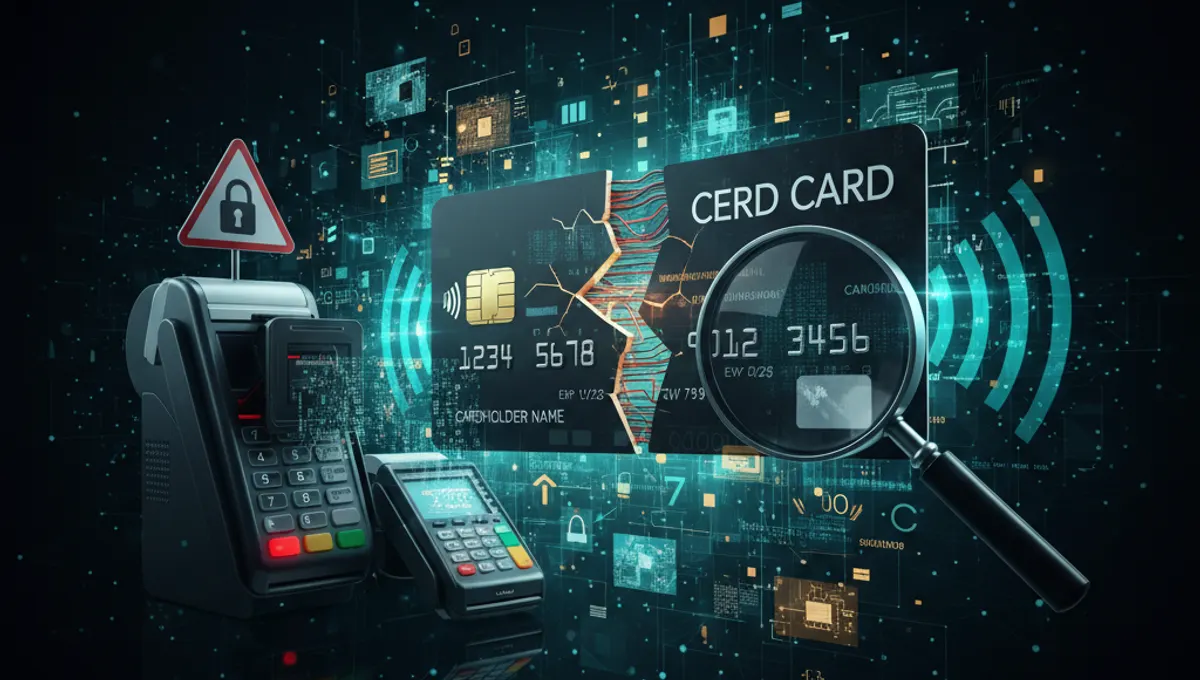
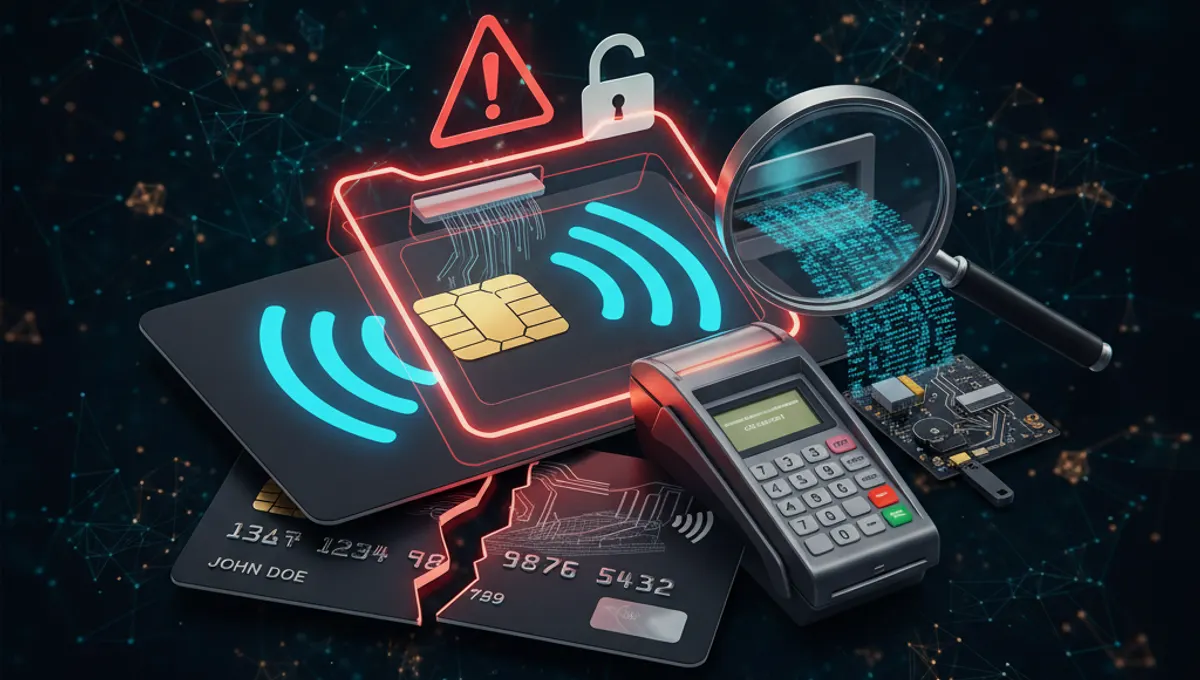
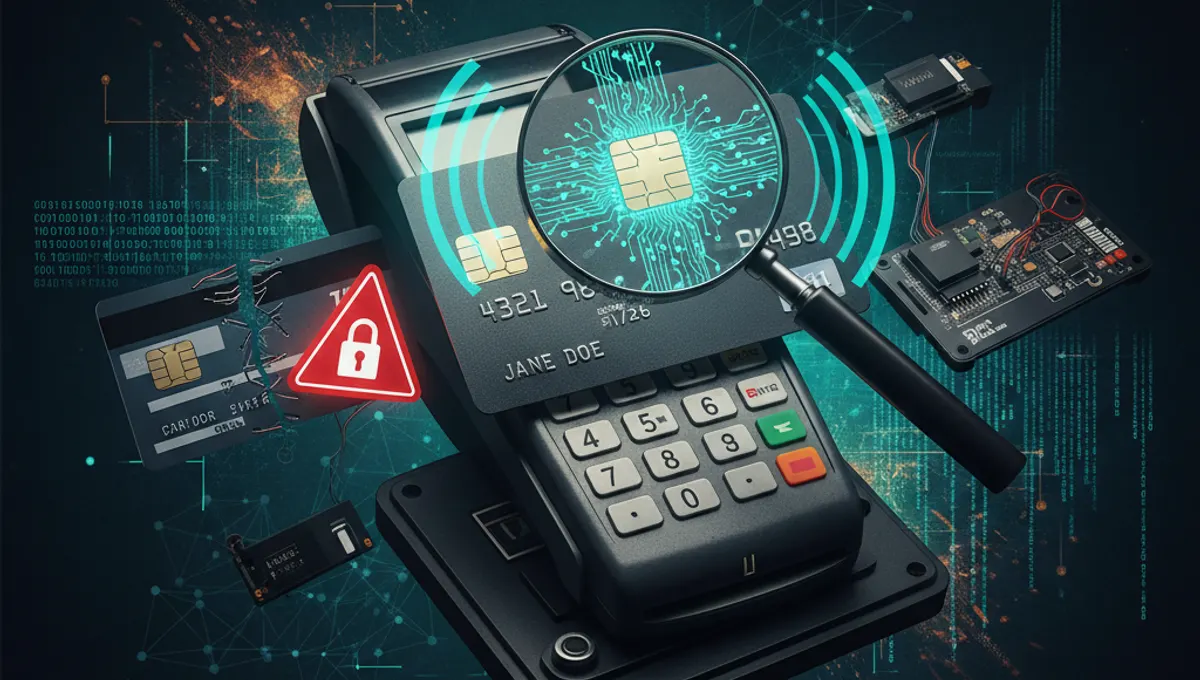
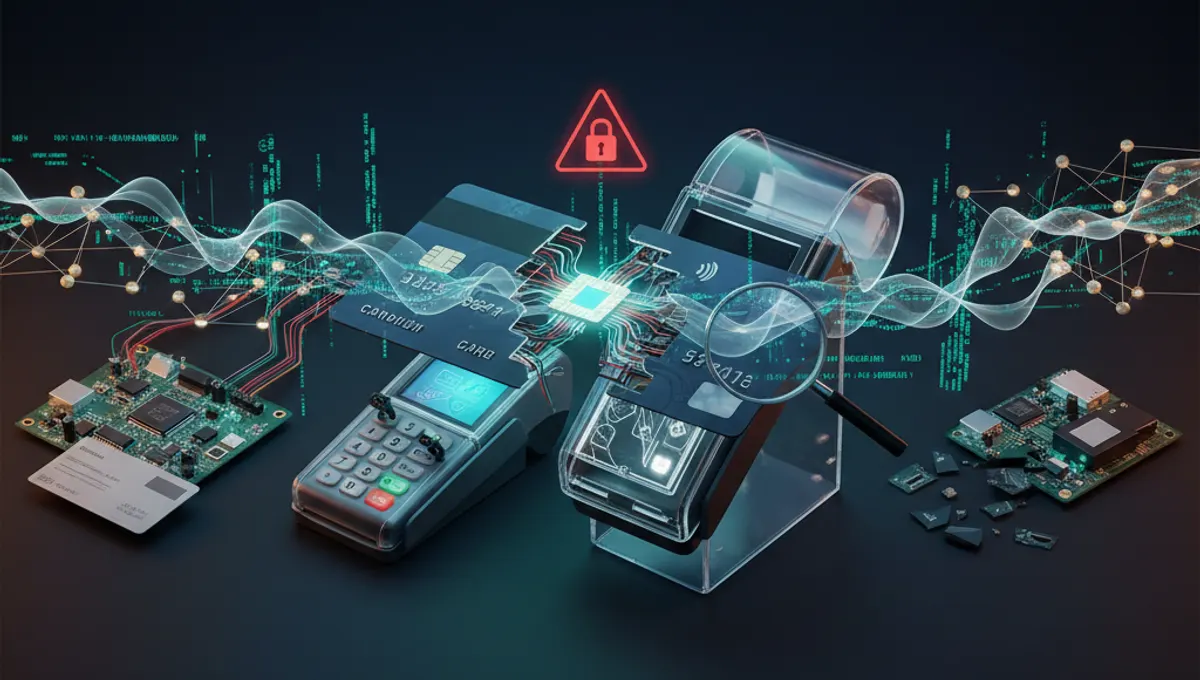
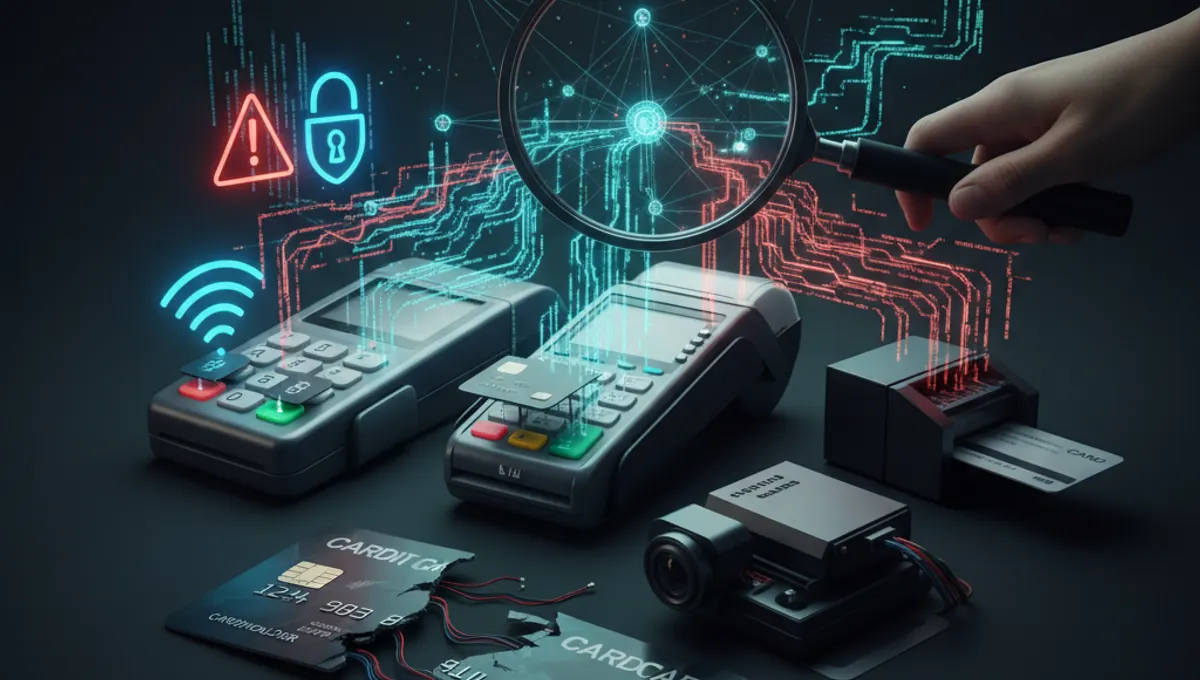
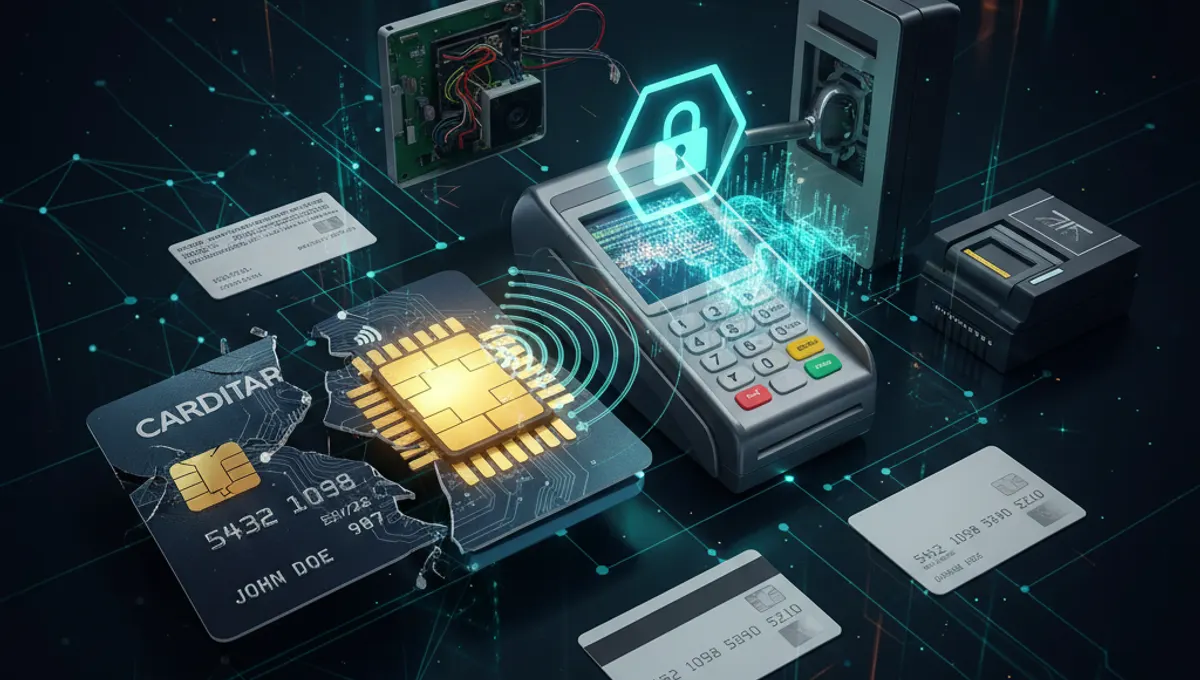
A card skimmer is hardware or software designed to intercept payment card information during a transaction. Physical skimmers are thin devices placed over legitimate card readers at ATMs, gas pumps, or self-checkout terminals. When you insert your card, the skimmer reads the magnetic stripe or EMV chip data. Some skimmers also include a hidden camera or keypad overlay to capture your PIN. Software-based skimmers, sometimes called shimming devices, sit between the card and the legitimate reader inside the machine. Magnetic stripe skimmers are simpler to deploy but less effective against EMV chip technology. Chip skimmers attempt to read the encrypted data from chip cards, though chip technology is more resistant to cloning than older magnetic stripes. Skimmers transmit captured data wirelessly via Bluetooth or GSM, or store it locally for later retrieval by the attacker.
Cloned Cards: From Skimmed Data to Fraudulent Transactions
Once a skimmer captures your card data, criminals use it to create cloned cards or sell the information to other fraudsters. A cloned card is a counterfeit payment card encoded with stolen magnetic stripe or chip data from a legitimate card. Attackers use card cloning equipment to write the stolen data onto blank card stock or existing cards. The cloned card functions like the original during transactions, allowing the fraudster to make purchases or withdraw cash. Cloning is most effective with magnetic stripe data because the technology lacks the dynamic authentication of EMV chips. However, criminals continue to target chip cards because some older terminals or international merchants still accept magnetic stripe fallback. The stolen data can also be used for card-not-present fraud, where the attacker makes online purchases without physically possessing the cloned card. Card cloning differs from account takeover, which involves compromising login credentials rather than the physical payment instrument.
The Dark Web Card Sales Ecosystem and Marketplace Operations
Stolen payment card data and cloned cards are bought and sold on dark web marketplaces, where anonymity and cryptocurrency transactions enable illegal commerce. Sellers on these platforms offer card data in bulk, often organized by card type, issuing bank, or geographic region. Prices vary based on card validity, available data fields, and the seller's reputation. Some marketplaces specialize in full card details including cardholder name, expiration date, and CVV; others sell magnetic stripe data only. Buyers range from individual fraudsters conducting small-scale fraud to organized crime rings running large-scale operations. The marketplace ecosystem includes escrow services, dispute resolution mechanisms, and vendor ratings similar to legitimate e-commerce platforms. Sellers often provide guarantees or refunds if cards are reported as invalid or blocked quickly. Law enforcement agencies monitor these marketplaces and conduct undercover operations to identify and prosecute participants. The dark web infrastructure relies on Tor networks and cryptocurrency to obscure transaction trails, though blockchain analysis has improved law enforcement's ability to trace payments.
How to Spot a Card Skimmer Device at ATMs and Gas Pumps
Detecting a card skimmer requires visual inspection and awareness of common placement tactics. At ATMs, examine the card reader slot for loose, bulky, or misaligned components. Legitimate card readers fit flush with the machine's faceplate; skimmers often protrude slightly or feel loose when you gently tug on them. Check for gaps between the reader and the surrounding plastic. Gas pump skimmers are typically installed inside the pump cabinet, but some are external overlays. Look for a card reader that appears newer or different in color or material than the rest of the pump. Test the keypad by pressing each button to feel for an overlay; a skimmer keypad may feel spongy or sit higher than the original. Check for small holes or cameras near the keypad that might capture your PIN. Inspect the area around the card slot for adhesive residue or fresh caulk, which may indicate recent installation. Be wary of ATMs in isolated locations or those that appear poorly maintained. If something feels off, use a different machine or payment method. Report suspicious devices to the bank or business operator immediately.
Protection Strategies: Contactless, Virtual Cards, and Monitoring
Multiple layers of protection reduce your skimming risk. Contactless payments (NFC or tap-to-pay) eliminate the need to insert or swipe your card, bypassing skimmers entirely. Virtual card numbers, issued by many banks and payment apps, generate unique card numbers for each transaction, limiting exposure if the number is compromised. Enable transaction alerts on your accounts so you're notified of purchases in real time and can dispute fraudulent charges quickly. Use chip readers whenever possible instead of magnetic stripe, as chip technology includes dynamic authentication that makes cloning harder. Avoid using ATMs in high-risk locations such as bars, casinos, or tourist areas where skimmers are more common. Cover the keypad with your hand while entering your PIN to prevent cameras or shoulder surfers from capturing it. Monitor your bank and credit card statements regularly for unauthorized charges. Consider using a credit card instead of a debit card for most transactions, as credit card fraud liability is typically limited to 50 dollars, while debit card fraud can drain your account immediately. Blocking or freezing your credit with the three major credit bureaus prevents criminals from opening new accounts in your name if your personal information is compromised.
What to Do If Your Card Information Is Compromised
If you discover unauthorized charges or suspect your card data has been stolen, act quickly to minimize damage. Contact your bank or card issuer immediately to report the fraud. Most issuers will cancel your card and issue a replacement within 5 to 10 business days. Provide the issuer with details of fraudulent transactions, including dates, amounts, and merchants. File a dispute for each unauthorized charge; the issuer will investigate and typically issue a provisional credit within 10 days while the investigation proceeds. Request a new card number and ask the issuer to flag your account for fraud monitoring. Check your credit report for unauthorized accounts or inquiries by visiting the official credit reporting websites. If you find fraudulent accounts opened in your name, file an identity theft report with the Federal Trade Commission and your state's attorney general. Place a fraud alert on your credit file to notify lenders that you may be a victim of identity theft. Consider a credit freeze, which prevents new accounts from being opened without your authorization. Monitor your accounts closely for 12 months after the incident, as criminals sometimes use stolen data months later.
Legal Consequences of Card Skimming, Cloning, and Fraud
Possession, use, and sale of skimming devices or cloned cards carry serious criminal penalties that vary by jurisdiction. Charges typically fall into categories including fraud, identity theft, access device fraud, and conspiracy. Fraud charges relate to the intent to deceive or defraud; identity theft charges apply when personal information is used without authorization. Access device fraud specifically addresses the unauthorized use of payment cards or card readers. Penalties depend on the jurisdiction, the amount of money involved, and whether the offense is prosecuted at state or federal level. Federal charges may result in longer sentences and higher fines than state charges. Possession of skimming equipment alone, even without evidence of use, can result in criminal charges in many jurisdictions. Selling cloned cards or stolen card data on dark web marketplaces exposes participants to federal conspiracy charges and money laundering charges if cryptocurrency or other proceeds are transferred. Restitution to victims is often ordered as part of sentencing. A criminal conviction for fraud or identity theft can result in imprisonment, fines, probation, and a permanent criminal record that affects employment, housing, and financial opportunities. Consult a criminal defense attorney in your jurisdiction for specific penalty information applicable to your location.
Frequently asked questions
Can a card skimmer read EMV chip cards
EMV chip cards are more resistant to skimming than magnetic stripe cards because chip technology uses dynamic authentication and encryption. However, chip skimmers do exist and can capture chip data, though cloning a chip card is more difficult than cloning a magnetic stripe card. Many criminals still target chip cards because older terminals or international merchants may accept magnetic stripe fallback, allowing the cloned card to work in those environments.
What is the difference between a card skimmer and a shimmer
A card skimmer is typically an external device placed over a legitimate card reader, while a shimmer is a thin device inserted inside the card reader slot between the reader and the card. Shimmers are harder to detect because they're hidden inside the machine. Both capture card data, but shimmers are more sophisticated and often target chip cards specifically.
How long does it take for a cloned card to be detected
Detection time varies depending on how quickly the cardholder reviews their statement or receives fraud alerts. Many banks send real-time alerts for transactions, allowing detection within minutes. However, if a cloned card is used for small, frequent purchases, the fraud may go unnoticed for weeks or months until the cardholder reviews their full statement or the card issuer's fraud detection system flags suspicious patterns.
Are contactless payments safer than inserting a card
Contactless payments bypass the card reader entirely, eliminating the risk of skimming at that point of sale. However, contactless payments are not immune to fraud; criminals can still intercept wireless signals or use stolen card data for online purchases. Contactless payments reduce skimming risk but should be combined with other protections like transaction monitoring and virtual card numbers.
What should I do if I find a skimmer on an ATM
Do not attempt to remove or tamper with the device. Report it immediately to the bank that operates the ATM, the police, and the Federal Trade Commission. Provide a detailed description and location. Warn other customers if possible. Do not use that ATM, and consider using a different machine at a different location to conduct your transaction.