What Is a Card Skimmer Device and How Does It Capture Data
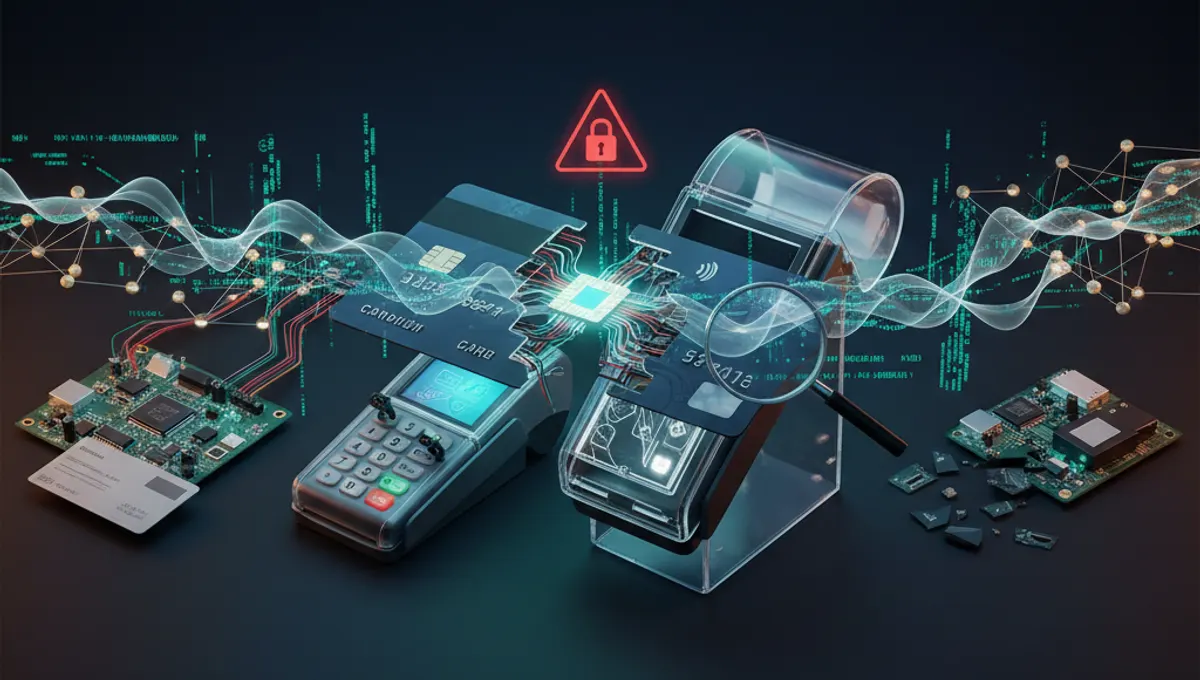
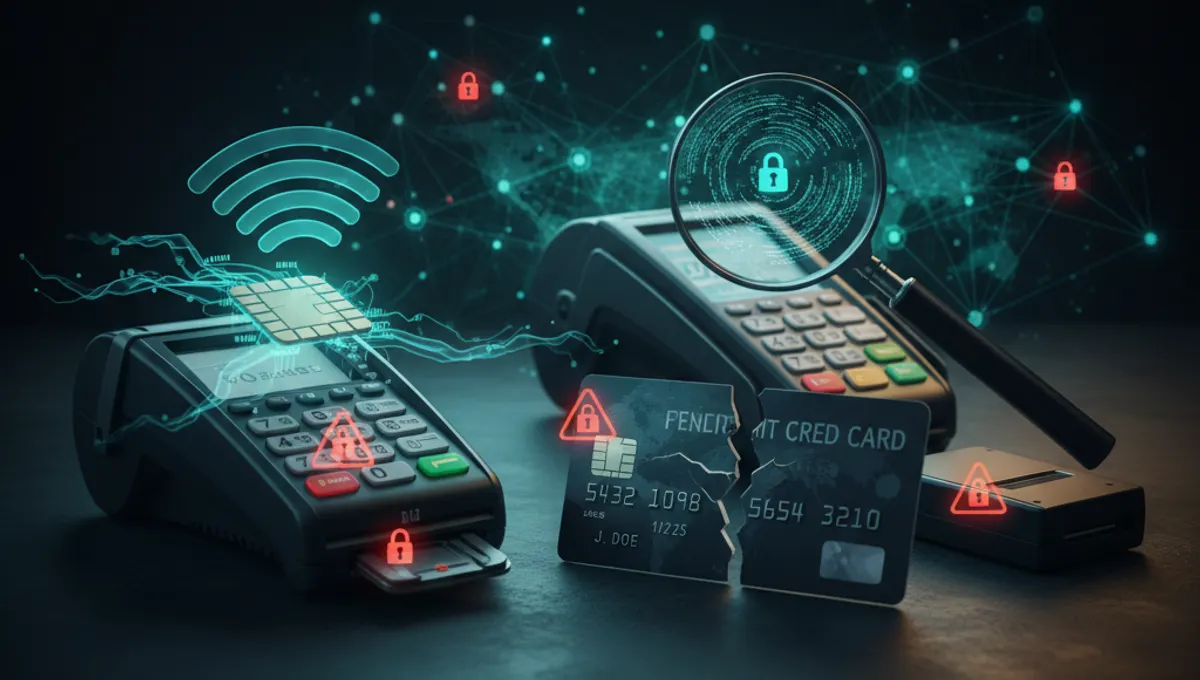
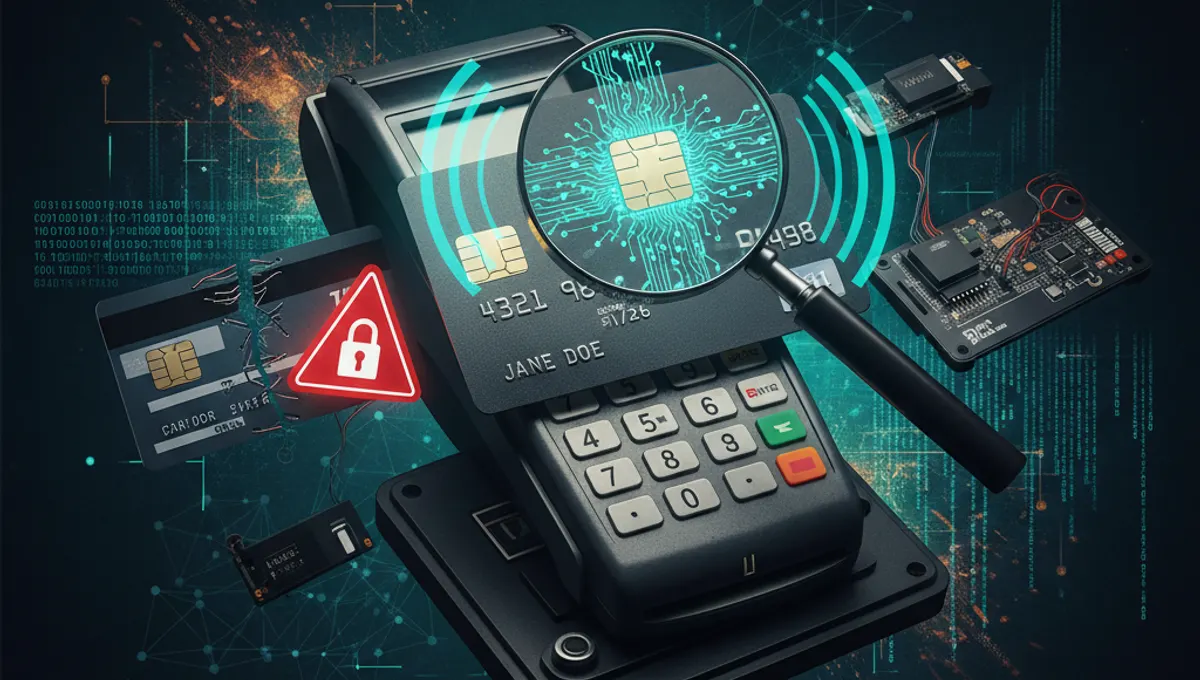
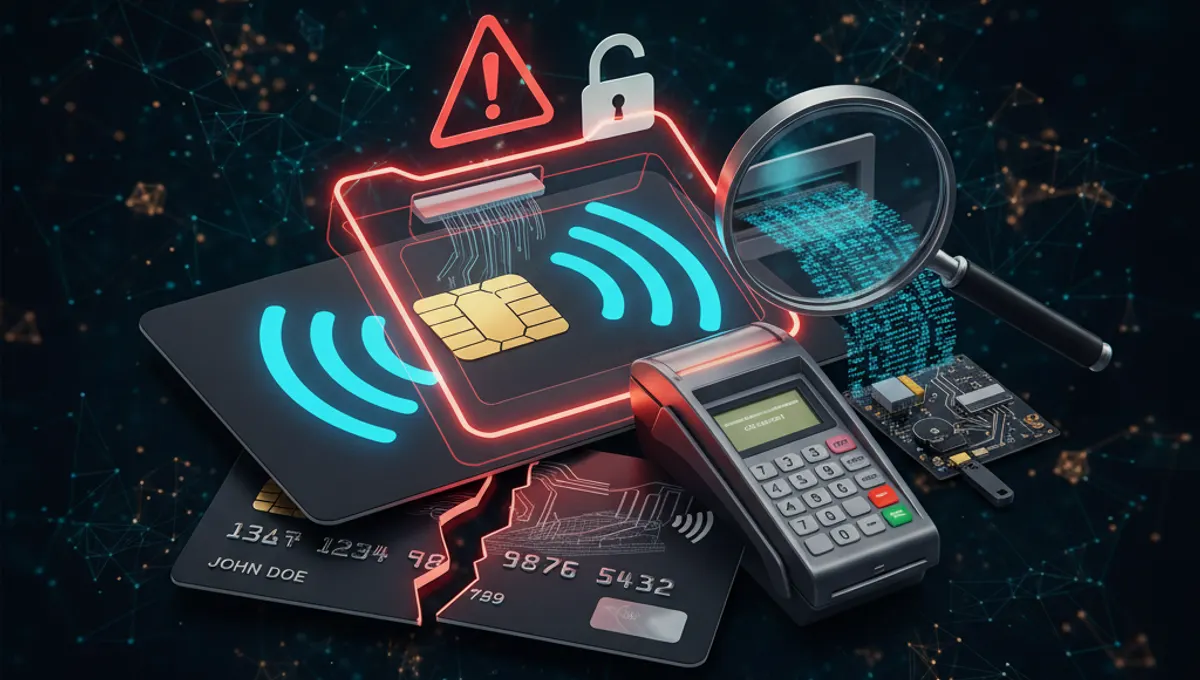
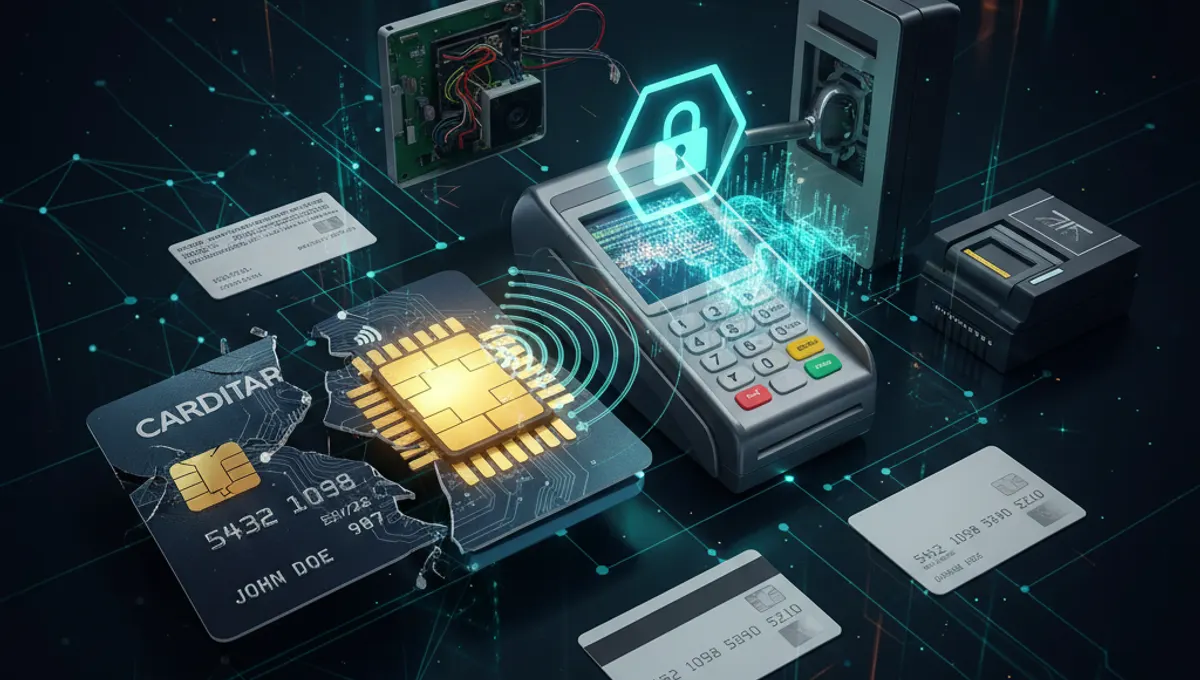
A card skimmer device intercepts card information at the point of transaction. Physical skimmers are often installed on ATM facades, gas pump readers, or point-of-sale terminals. They read the magnetic stripe on the back of a card as it passes through, extracting the cardholder's name, card number, and expiration date. Shimming devices target EMV chip cards by inserting a thin layer into the chip slot to intercept encrypted data. Some skimmers also capture the CVV or PIN through hidden cameras or overlay keypads. Digital skimmers operate online, capturing payment data through compromised websites or payment gateways. The stolen data is then used to create cloned cards or sold to other criminals on dark web marketplaces.
Magnetic Stripe vs. EMV Chip: Which Cards Are More Vulnerable
Magnetic stripe cards remain vulnerable because they transmit static data that doesn't change with each transaction. Once a skimmer reads the stripe, the full card information is compromised and can be replicated onto a blank card or used for online purchases. EMV chip cards generate a unique transaction code for each purchase, making the data useless if intercepted during a single transaction. However, shimming devices can still extract chip data, and many merchants still fall back to magnetic stripe processing if the chip reader fails. Contactless and NFC payments offer additional security by generating one-time tokens instead of transmitting actual card numbers. Understanding these differences helps you choose safer payment methods when available.
Where Card Skimmers Are Commonly Found
Gas station pumps are frequent targets because they operate 24/7 with minimal supervision. ATMs, particularly those in remote locations or convenience stores, are also common skimmer placement sites. Retail point-of-sale terminals, especially at smaller merchants, may have skimmers installed by employees or criminals with physical access. Card skimmer 711 and similar convenience stores report regular incidents because customers use cards for small purchases and may not monitor statements closely. Restaurant payment terminals where staff take your card out of sight are another risk point. Some skimmers are installed inside legitimate machines, while others are overlay devices placed over the actual card slot. Checking for loose, misaligned, or unusual-looking card readers before inserting your card can help you spot obvious skimmers.
How to Spot a Card Skimmer Device Before Using It
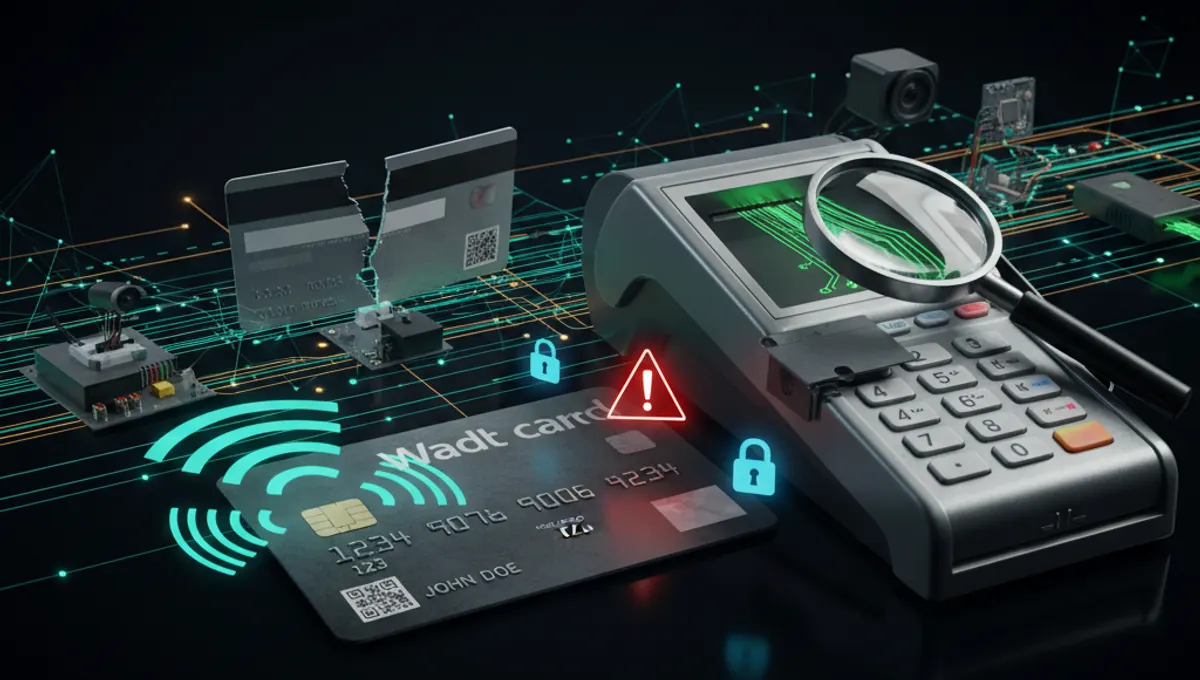
Card skimmer how to spot begins with visual inspection. Look for card slots that appear loose, cracked, or don't align with the rest of the machine. Try gently wiggling the card reader; legitimate readers are firmly attached. Check for hidden cameras pointing at the keypad or screen. Gas pumps should have intact security seals; if the seal is broken or missing, the pump may have been tampered with. Feel the keypad for raised or unusual buttons that could be overlays. Compare the card reader to nearby machines of the same model; skimmers often look slightly different in color or material. If something feels off, use a different machine or payment method. Report suspicious devices to the business owner or relevant authorities immediately.
The Cloned Card Sales Ecosystem and Dark Web Marketplaces
Once card data is harvested by a skimmer or obtained through data breaches, it enters an underground economy. Criminals sell the stolen information on dark web marketplaces in bulk or individually, often organized by card type, issuing bank, and available balance. Buyers purchase this data to create cloned cards by encoding the stolen information onto blank cards with a card skimmer machine or specialized encoding device. These cloned cards are then used for fraudulent purchases, cash withdrawals, or resold to other criminals. Marketplace vendors often provide guarantees about data freshness and validity, sometimes offering refunds if a card is declined. The entire process happens in encrypted forums and marketplaces accessible only through Tor browsers. Law enforcement agencies worldwide actively investigate these operations, but the decentralized nature of dark web commerce makes enforcement challenging.
Legal Consequences of Possessing, Using, or Selling Cloned Cards
Possessing a cloned card or card skimmer device is illegal in most jurisdictions and constitutes fraud, identity theft, or device-based fraud depending on the specific circumstances and local laws. Using a cloned card for purchases or cash withdrawals violates federal and state fraud statutes. Selling cloned cards or stolen card data on dark web marketplaces compounds the offense and typically results in additional charges related to conspiracy and money laundering. Penalties vary significantly by jurisdiction but generally include felony convictions, substantial fines, restitution to victims, and imprisonment. Some jurisdictions impose mandatory minimum sentences for organized fraud schemes. A criminal record for card fraud affects employment, housing, and financial opportunities long after release. Prosecution can occur at federal, state, and local levels, and international cooperation between law enforcement agencies has increased the likelihood of apprehension even for dark web participants.
How to Protect Your Card and Detect Skimming Attempts
Enable transaction alerts through your bank or card issuer to receive notifications for every purchase, allowing you to spot unauthorized charges quickly. Use contactless or tokenized payments whenever possible, as these methods don't transmit your actual card number. Consider using virtual card numbers generated by your bank for online purchases; these one-time numbers limit exposure if compromised. Monitor your credit reports regularly through official channels to detect unauthorized accounts opened in your name. Avoid using ATMs in isolated locations; bank-operated machines inside branches are generally safer. Cover the keypad with your hand when entering your PIN. Request chip transactions instead of magnetic stripe when available. Regularly review your bank and credit card statements for unfamiliar charges. Set up credit freezes with the three major credit bureaus if you suspect your information has been compromised.
What to Do If Your Card Information Is Compromised
Contact your bank or card issuer immediately upon discovering fraudulent charges or suspecting a compromise. Most issuers have fraud departments available 24/7. Provide specific details about unauthorized transactions, including dates, amounts, and merchants. Request that your card be cancelled and a replacement issued. File a dispute for each fraudulent charge; your issuer will investigate and typically issue a provisional credit within 10 business days while the investigation proceeds. The full investigation usually concludes within 45 to 90 days, after which the credit becomes permanent if fraud is confirmed. File a report with the Federal Trade Commission through IdentityTheft.gov to create an official record. Consider placing a fraud alert with credit bureaus to prevent new accounts from being opened in your name. Monitor your credit reports closely for several months after the incident. If your Social Security number or personal information was compromised, consider a credit freeze for additional protection.
Frequently asked questions
Can a card skimmer device read contactless or NFC payments
Contactless payments use tokenization, generating unique transaction codes instead of transmitting actual card numbers. Standard card skimmers cannot capture this data. However, specialized NFC skimmers can detect and read contactless card information from a distance, though the data obtained is still limited compared to magnetic stripe skimming. Contactless payments remain significantly more secure than magnetic stripe transactions.
How quickly can a cloned card be used after skimming
Cloned cards can be used within hours of data capture. Criminals often test stolen card numbers with small purchases to verify validity before attempting larger transactions. Some fraudsters use cloned cards for online purchases immediately, while others encode the data onto blank cards for in-person use. The speed depends on whether the data is sold on dark web marketplaces or used directly by the skimmer operator.
What is the difference between skimming and shimming
Skimming targets magnetic stripe cards by reading data as the card passes through a reader. Shimming targets EMV chip cards by inserting a thin device into the chip slot to intercept encrypted data during the transaction. Both methods steal card information, but shimming is more technically complex and less common than skimming. Shimming devices are harder to detect because they fit inside legitimate card slots.
Will my bank refund fraudulent charges made with a cloned card
Yes, banks typically refund fraudulent charges if you report them promptly. Federal regulations require issuers to investigate and issue provisional credits within 10 business days. The full investigation usually concludes within 45 to 90 days. Your liability is limited to 50 dollars if you report the fraud within two business days of discovering it. Reporting delays may increase your liability, though many banks waive fees as a courtesy.
Can I get my money back if I accidentally used a compromised ATM
If you used a legitimate ATM that had a skimmer installed and your card was compromised, your bank will refund fraudulent charges following standard dispute procedures. However, if you withdrew cash from a skimmed ATM and the cash was stolen, that loss may not be covered. Report the compromised ATM to the bank and police immediately. Document the date, time, location, and machine number to assist the investigation.