What Is a Cloned Card and How Does Skimming Create One
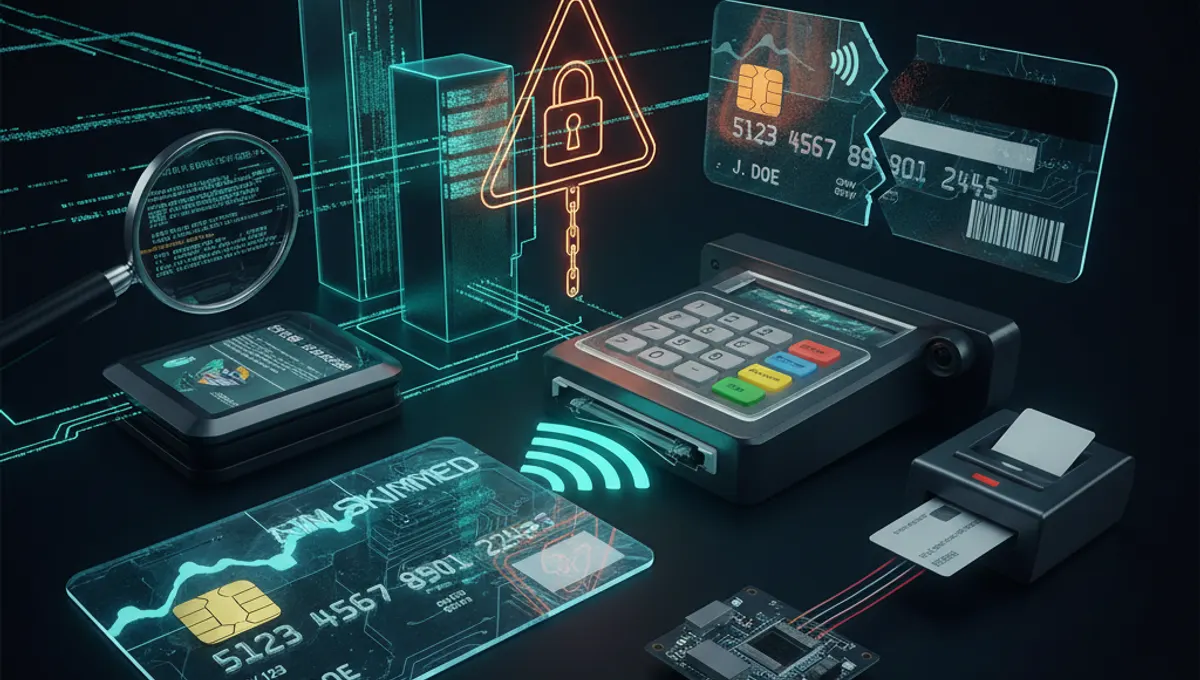
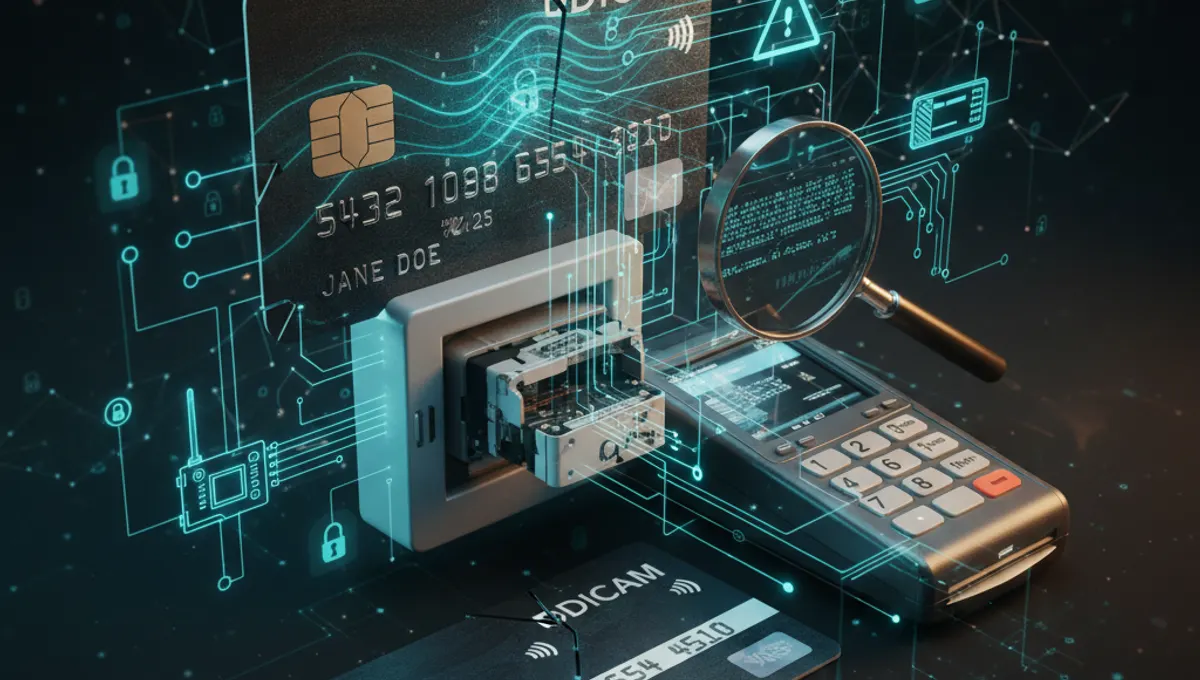
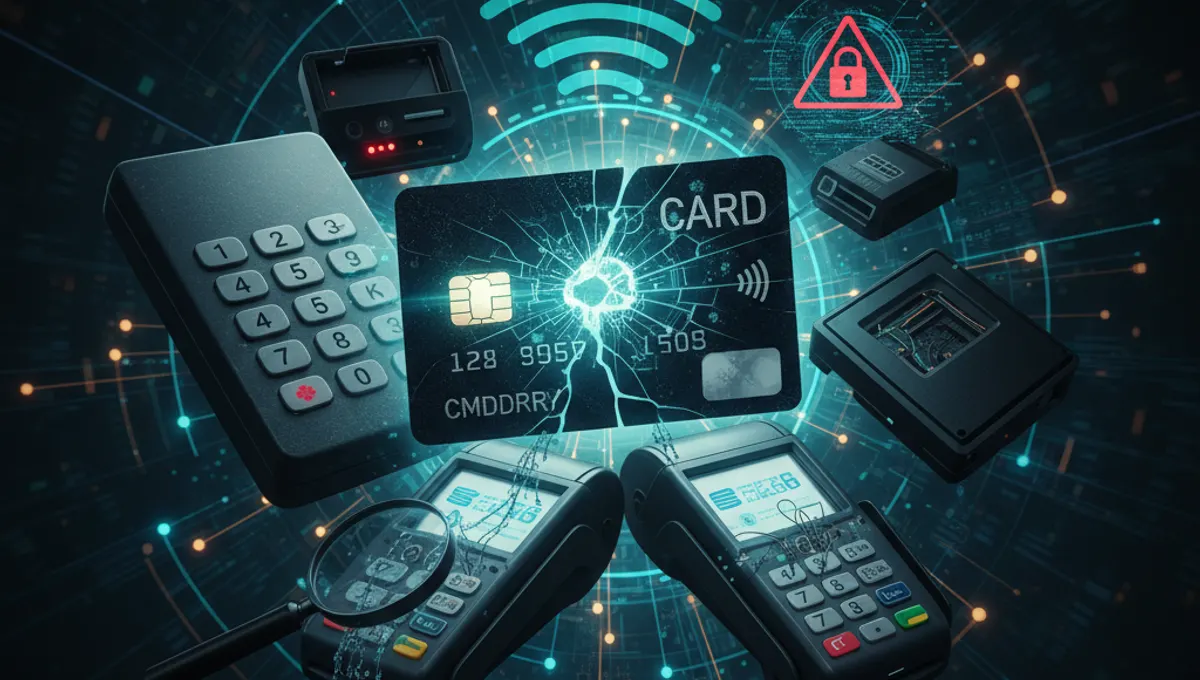
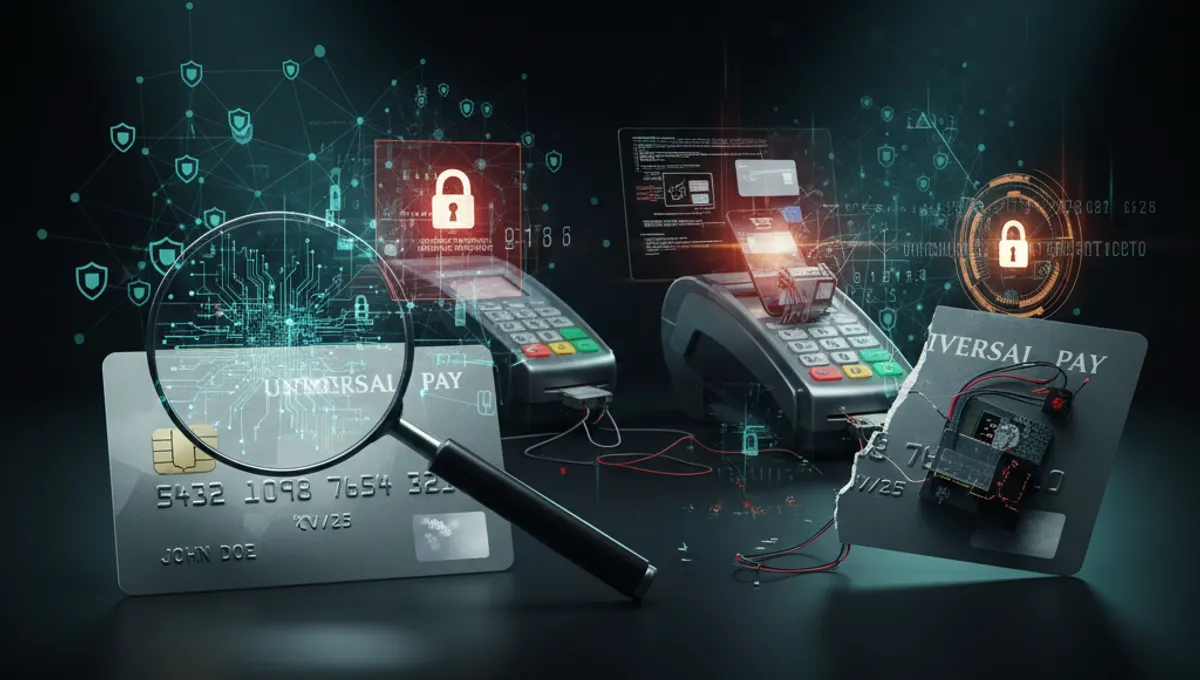
A cloned card is a duplicate of your legitimate debit or credit card created from stolen magnetic stripe data, chip information, or contactless payment credentials. ATM skimmers capture this data in several ways. Physical overlay skimmers fit over the card slot and read the magnetic stripe as you insert your card. Deep-insert skimmers sit inside the card reader mechanism itself, invisible to users. Shimming targets EMV chip readers by inserting a thin device that intercepts chip data during the transaction. Wireless Bluetooth skimmers transmit captured data remotely to a nearby criminal. The stolen information includes your card number, expiration date, and sometimes your PIN if a fake keypad overlay is installed. Unlike traditional fraud where criminals use your card number alone, cloning creates a physical duplicate card with all the data encoded on its magnetic stripe, allowing criminals to make in-person purchases or ATM withdrawals in your name.
How Cloned Card Sales Work on Dark Web Marketplaces
The dark web marketplace ecosystem for cloned cards operates through specialized forums and vendor sites accessible via Tor and VPN connections. Sellers list cards by type (Visa, Mastercard, American Express), balance range, and country of origin. Pricing typically reflects the card's available balance and verification status. Buyers can purchase individual cards, bulk batches, or card data dumps containing thousands of stolen credentials. Transactions use cryptocurrency to maintain anonymity. Vendors often provide guarantees, offering replacements if a card is declined or already canceled. Some marketplaces include escrow services to reduce fraud between buyer and seller. The supply chain begins with skimmers and data thieves who harvest card information, then sell it to resellers who clone the cards or distribute the raw data. This ecosystem thrives because the barrier to entry is low, the profit margins are high, and enforcement across borders remains difficult. Buyers range from small-time fraudsters to organized crime rings conducting large-scale theft operations.
Legal Consequences of Possessing and Using Cloned Cards
Possession of a cloned card or card-cloning device carries serious criminal penalties that vary by jurisdiction. In most legal systems, charges fall into multiple categories: fraud (unauthorized use of payment instruments), identity theft (using another person's financial information), and device-based fraud (possessing or distributing skimming equipment). Using a cloned card to make purchases or withdraw cash typically results in felony charges. Possession with intent to distribute carries harsher sentences than simple possession. Sentences depend on the jurisdiction, the number of cards involved, the total amount defrauded, and prior criminal history. Some jurisdictions treat card cloning as a form of organized crime if multiple people are involved. Buying cloned cards on the dark web does not provide legal protection; the transaction itself is illegal regardless of the platform used. Individuals convicted of card fraud may face imprisonment, substantial fines, restitution to victims, and permanent criminal records affecting employment and housing prospects.
How to Detect ATM Skimmers and Protect Your Card
Detecting an ATM skimmer requires visual inspection and awareness of common installation methods. Before using any ATM, examine the card slot for loose, protruding, or misaligned plastic overlays. Gently tug on the card reader bezel; legitimate parts are firmly attached. Check the keypad for raised buttons or signs of tampering. Look for small holes or devices near the screen that could house a camera. Use ATMs in well-lit, monitored locations such as bank lobbies rather than isolated street machines. Cover the keypad with your hand when entering your PIN to prevent shoulder surfing or hidden camera capture. Enable transaction alerts on your bank account to receive immediate notifications of any ATM withdrawal or purchase. Consider using contactless or tokenized payments when available, as these methods don't transmit your full card number. Use virtual card numbers generated by your bank or payment app for online purchases. Request your bank to block magnetic stripe transactions if your card supports chip-only mode. Monitor your bank statements weekly for unauthorized charges.
What to Do If Your Card Information Is Compromised
If you discover unauthorized charges or suspect your card data has been stolen, contact your bank or card issuer immediately. Most financial institutions have fraud departments available 24/7. Report the specific unauthorized transactions and request a dispute. Your bank will typically cancel your current card and issue a replacement within 5 to 10 business days. During this period, request a temporary card or emergency cash advance if needed. File a formal dispute for each fraudulent charge; your bank will investigate and usually reverse the charges within 30 to 60 days while the investigation proceeds. Request a copy of the fraud report for your records. Check your credit report through official channels to ensure no new accounts were opened in your name. If identity theft is suspected, file a report with your country's relevant authority and consider placing a fraud alert or credit freeze on your accounts. Do not use the compromised card again. If the skimmer was at a specific ATM, report the location to the bank and local law enforcement so they can inspect the machine and warn other customers.
ATM Skimmer Device Types and Price Range
ATM skimmer devices vary in sophistication and cost. Basic overlay skimmers, which fit over the card slot, are relatively inexpensive and widely available. Deep-insert skimmers designed for specific ATM models cost more due to engineering requirements and the difficulty of installation. Bluetooth-enabled wireless skimmers that transmit data remotely command higher prices because they eliminate the need for the thief to retrieve the device physically. Fake PIN pad overlays range from simple plastic covers to sophisticated electronic versions that capture and transmit keystrokes. Card reader cloning devices used to encode stolen data onto blank cards vary in price based on their encoding capability and compatibility with different card types. Prices on dark web marketplaces reflect demand, supply, and the device's reliability. Sellers often provide installation guides or videos to help buyers deploy the devices. The actual cost to the end user (the person committing fraud) is often lower than the retail price because bulk purchases and wholesale distribution reduce per-unit costs. Law enforcement agencies regularly seize these devices and document their specifications to help financial institutions improve ATM security.
Contactless and EMV Chip Protection Against Skimmers
EMV chip technology provides stronger protection against skimming than magnetic stripe cards alone. Chip readers generate a unique transaction code for each purchase, making it difficult for criminals to clone the card using a single skimming incident. However, shimming attacks can still extract chip data if the device is properly designed and installed. Contactless payment methods (NFC and RFID) offer additional security by not requiring physical card insertion, reducing exposure to overlay or deep-insert skimmers. Tokenization, used by mobile payment systems, replaces your actual card number with a unique token for each transaction, preventing the token from being reused if intercepted. Virtual card numbers generated by your bank or payment app provide a temporary number valid only for a single transaction or merchant, limiting the damage if the number is compromised. Many banks now offer the option to disable magnetic stripe transactions entirely, forcing all purchases to use the chip or contactless method. Enabling these protections requires coordination with your card issuer and may limit compatibility with older merchants or international terminals.
Frequently asked questions
Can I get my money back if I used an ATM with a skimmer
Yes, most banks will refund unauthorized ATM withdrawals if you report the fraud promptly. Contact your bank immediately upon discovering the unauthorized transaction. Your bank will investigate and typically reverse the charges within 30 to 60 days. Reporting within 24 to 48 hours increases the likelihood of a full refund. Delays in reporting may reduce your protection under consumer protection laws.
How do criminals use cloned cards purchased on the dark web
Criminals use cloned cards for in-person purchases at retail stores, gas stations, and restaurants where card readers don't verify the cardholder's identity. They also use cloned cards to make ATM withdrawals in cash. Some conduct online purchases using the card data without physical possession of the card. Organized crime groups often resell cloned cards in bulk to other criminals, creating a secondary market. Each use increases the risk of detection and account cancellation.
What is the difference between a skimmer and a shimmer
A skimmer reads data from the magnetic stripe on the back of your card as it passes through a reader. A shimmer is a thin device inserted into a chip card reader that intercepts data from the EMV chip during a transaction. Skimmers are typically external overlays, while shimmers operate inside the card slot. Both capture card data for cloning, but shimmers target the more secure chip technology. Shimmers are harder to detect because they're completely hidden inside the machine.
Are virtual card numbers safe from ATM skimmers
Virtual card numbers are safe from ATM skimmers because they're used only for online purchases and cannot be used at physical ATMs. ATM skimmers specifically target the magnetic stripe or chip data from physical cards inserted into machines. Virtual numbers expire after a single transaction or a set time period, limiting their usefulness if intercepted. However, virtual numbers don't protect you if you use your actual physical card at a compromised ATM.
How long does it take to receive a replacement card after fraud
Most banks issue replacement cards within 5 to 10 business days after you report fraud. Expedited replacement may be available if you request it, sometimes arriving within 2 to 3 business days. During the waiting period, your bank can provide temporary solutions such as a temporary card number, emergency cash advance, or mobile payment access. The exact timeline depends on your bank's policies and whether the replacement is standard or expedited.